
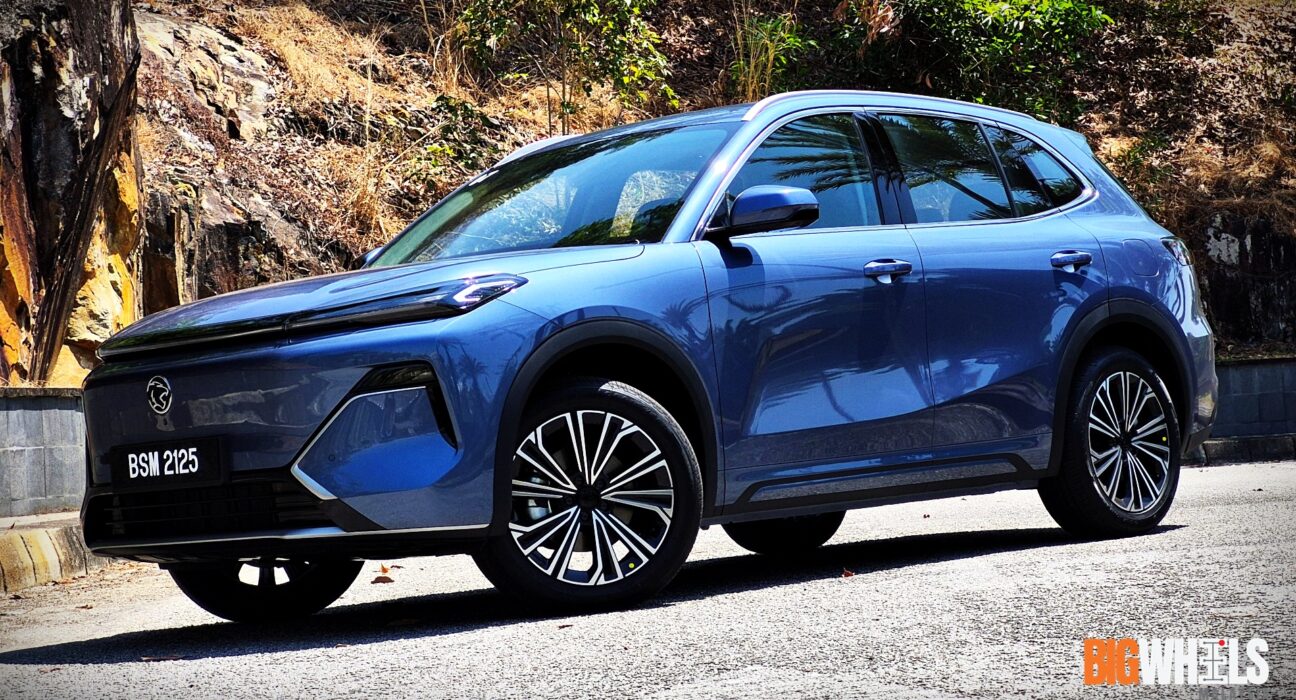
There’s a big difference between what a plug-in hybrid promises on paper and what it delivers when you point its nose towards the highway and chase a ferry to Langkawi.
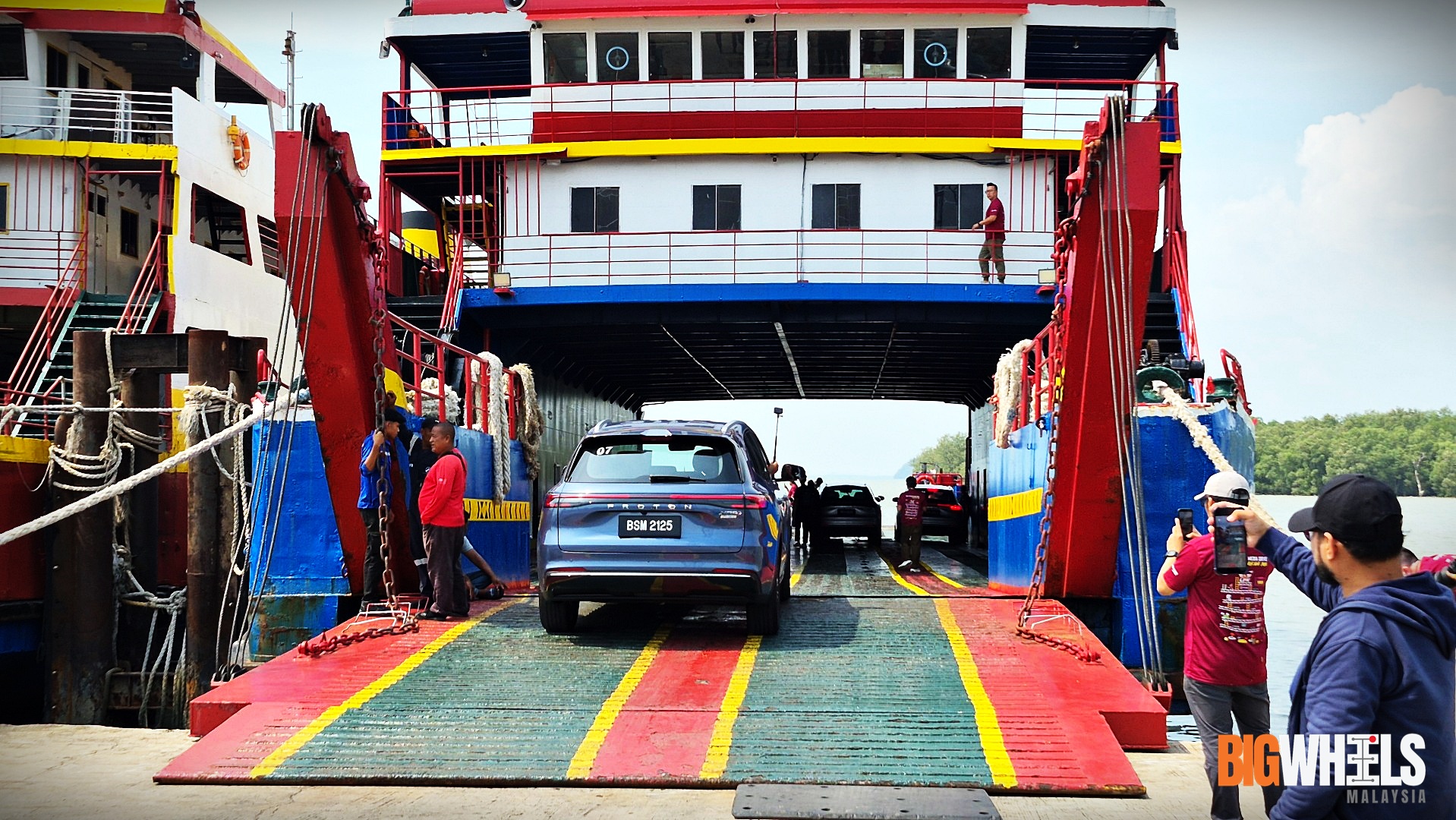
My drive in the Proton e.MAS 7 PHEV Premium started at Proton COE in USJ, headed north to Kuala Perlis with a lunch stop in Bukit Tambun, and continued with about 20 km of driving on Langkawi island itself. By the time this review is being written, the trip meter shows slightly over 500 km.
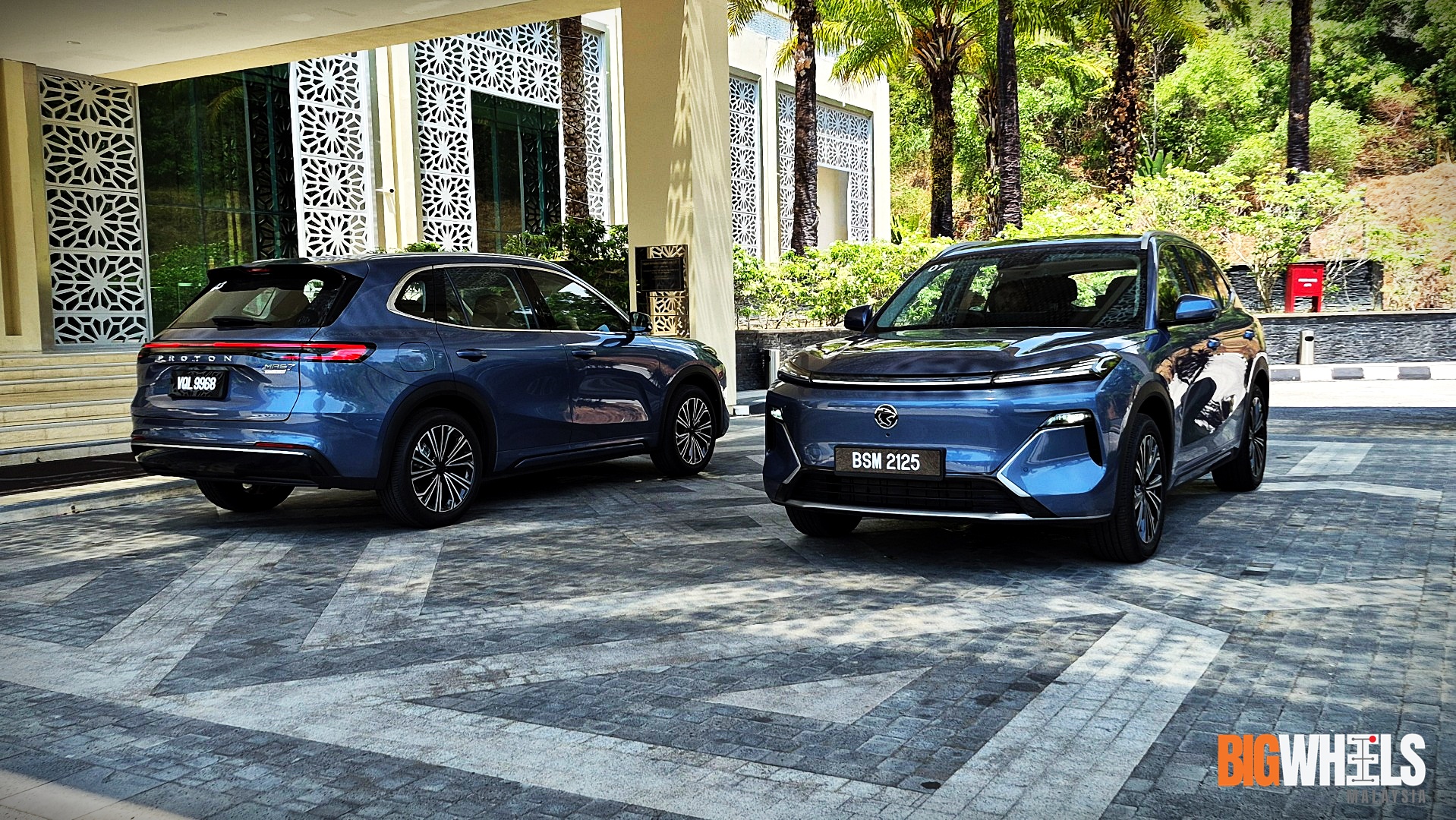
On paper, Pro-Net claims the e.MAS 7 PHEV can cover 1,000 km on a full tank and a full charge. In reality, there was no hypermiling, no fuel-saving convoy, and no attempt to drive like a saint. This was real-world Malaysian driving comprising high-speed cruising, traffic-light sprints, time-chasing, and everything in between.
And that’s precisely why the result so far is so impressive.
Not Just an EV With an Engine Bolted On
Before talking about the drive, it’s important to understand what this car actually is.
The e.MAS 7 PHEV is not a converted EV with a petrol engine stuffed in as an afterthought. It was developed from the ground up as an electrified model on the Global Modular Architecture (GMA) platform, which was designed to integrate hybrid and EV components efficiently.
Power comes from Geely’s Super Hybrid EM-i system:
- 1.5-litre naturally aspirated dedicated hybrid engine – 98 hp / 125 Nm
- Front-mounted electric motor – 215 hp / 262 Nm
- Combined system output – about 262 PS and 262 Nm
- 11-in-1 Dedicated Hybrid Transmission (DHT)
- 0–100 km/h – ~8.0 seconds
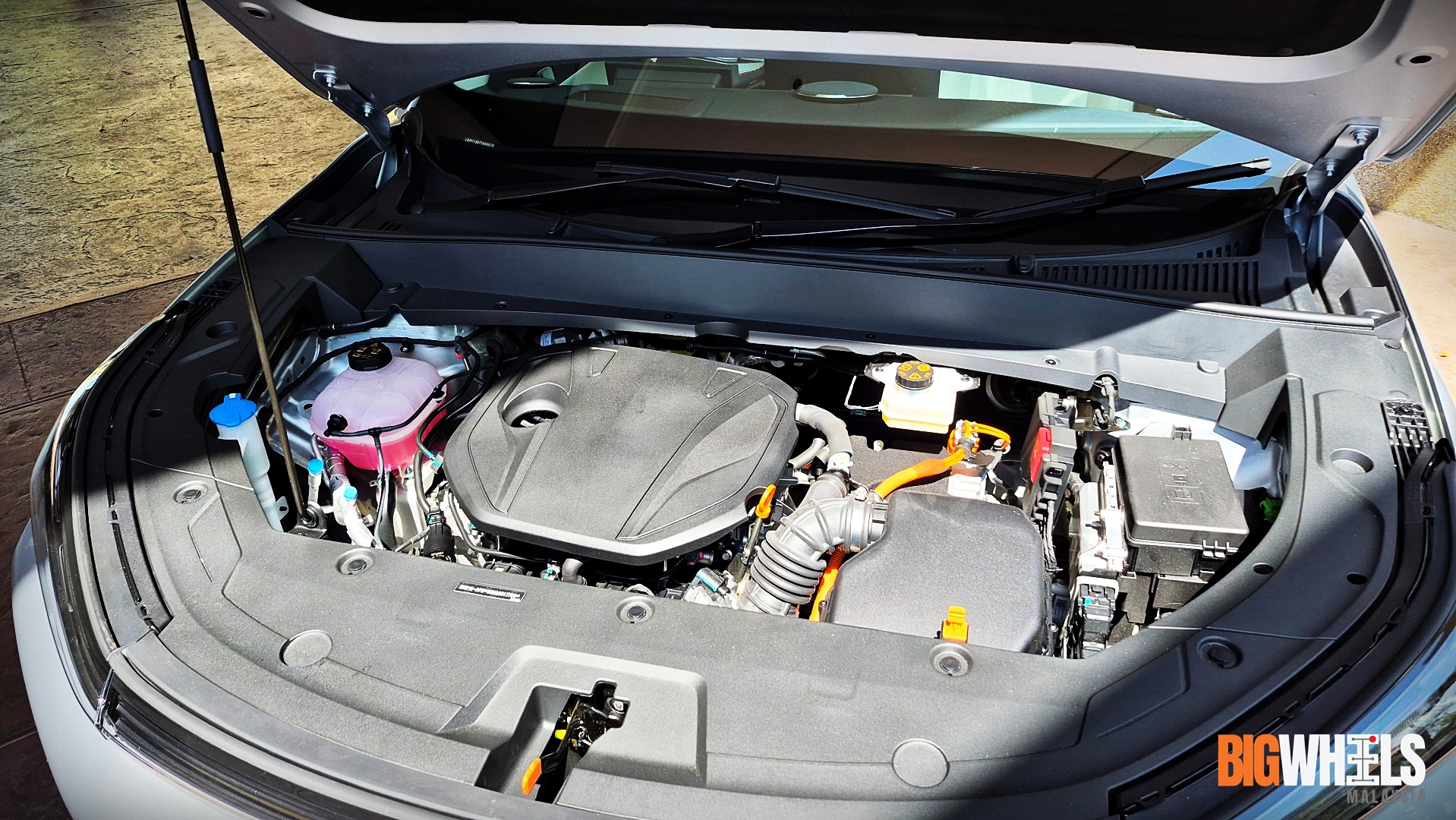
In operation, it behaves like an EV first and a petrol car only when necessary. The engine’s primary role is to generate electricity, and only in certain conditions does it directly drive the wheels.
That fundamental philosophy is what separates it from most conventional PHEVs.
Real-World Efficiency: Driven Hard, Still Brilliant
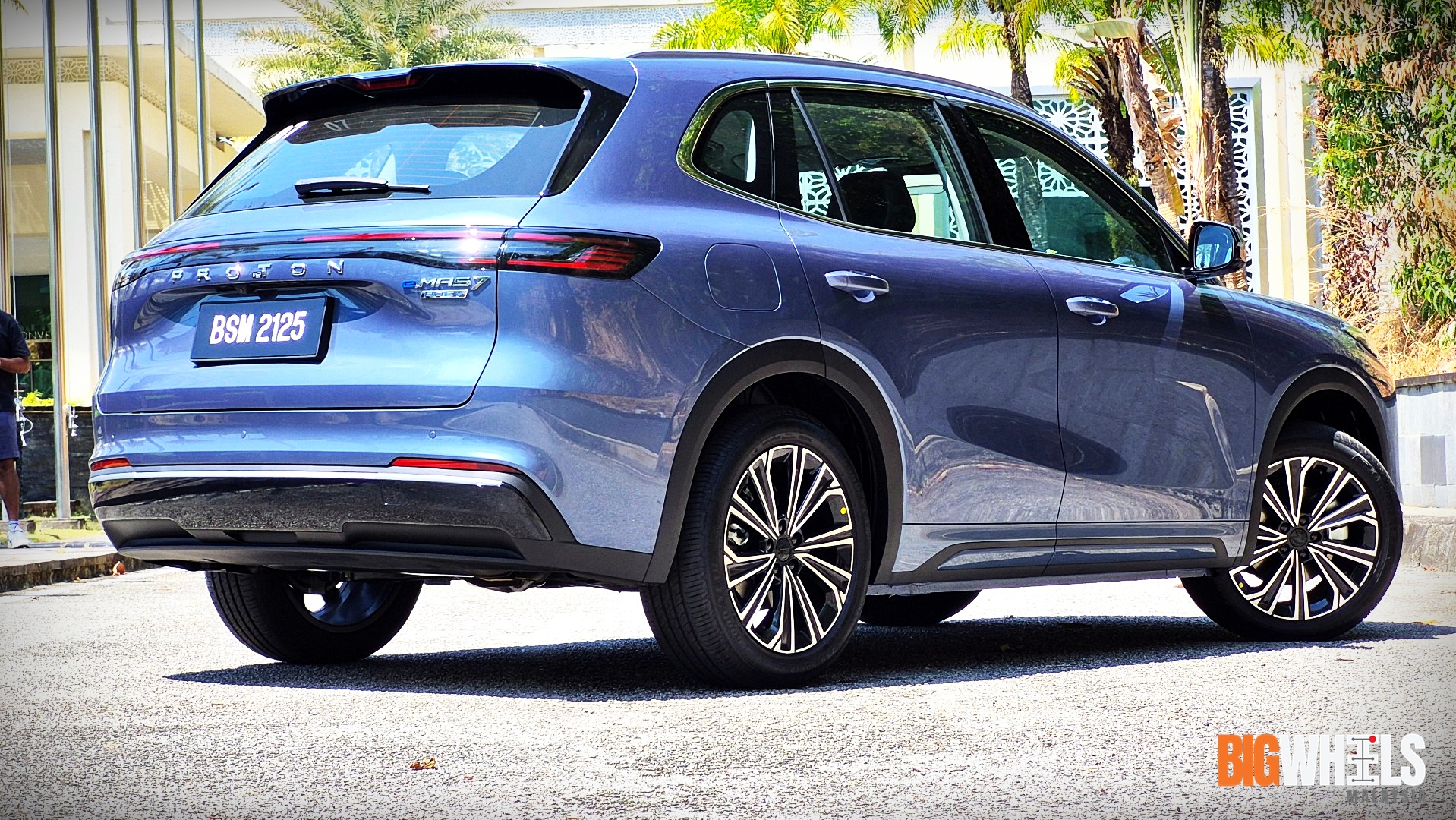
With a full charge and a full tank, the e.MAS 7 PHEV Premium started its journey with an EV-only range of up to 105 km thanks to its 18.4 kWh CATL LFP battery.
In the early part of the trip, the engine was barely used. But sustained high-speed cruising drained the battery in roughly an hour – which is expected when you’re not driving to maximise efficiency.
Here’s where the hybrid system shines.
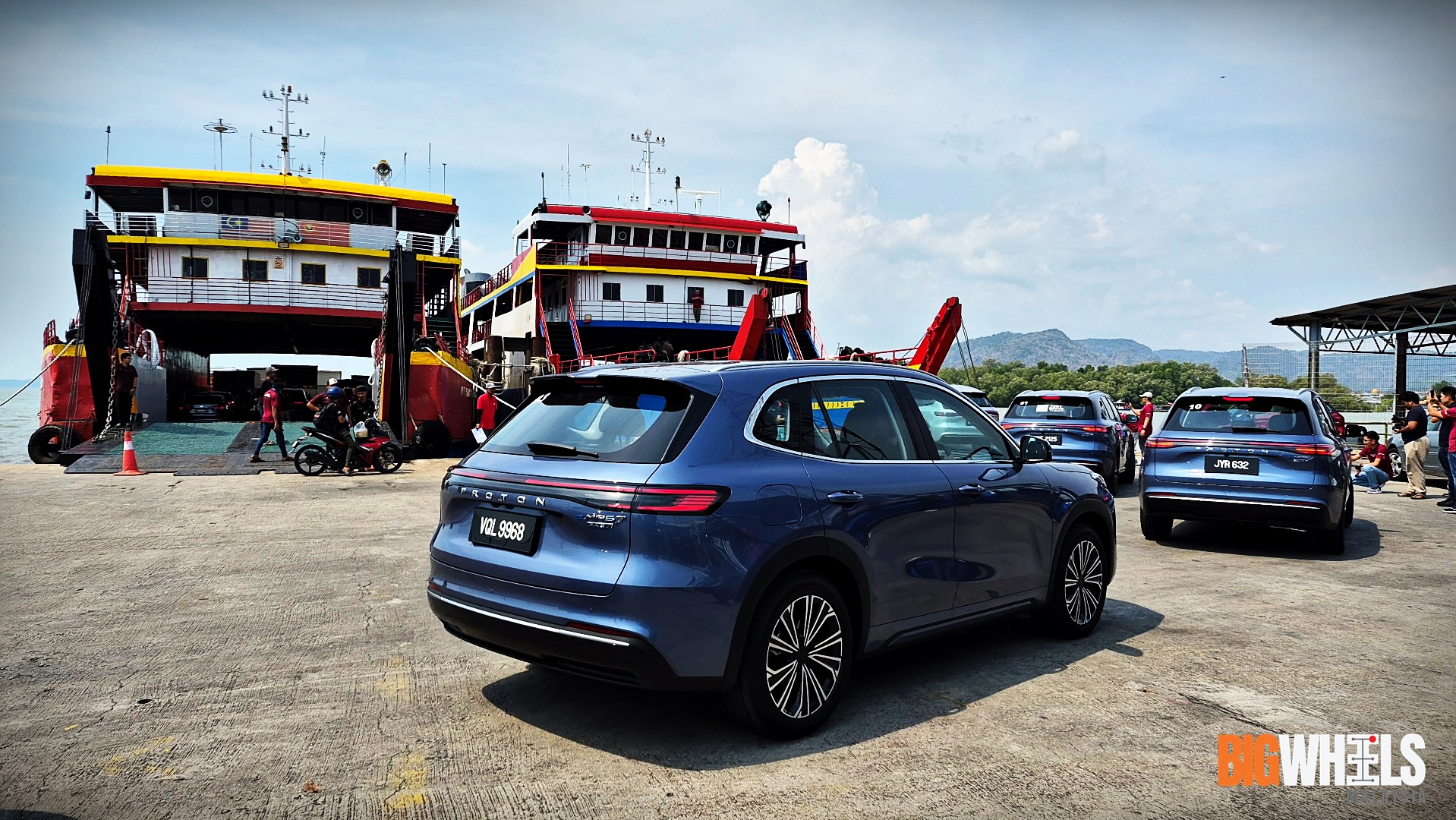
Using the self-charging and force-charging functions on the move, the battery was brought back up to around 40–50%, allowing EV mode to be enjoyed again without stopping to plug in. Even with me pushing the car hard for about 80% of the journey, I still arrived in Langkawi with around 220 km of total range remaining.
That’s not lab efficiency. That’s real-world.
When the battery was fully charged and the tank brimmed, the car consistently returned 4.3–4.5 l/100 km, which is right on the official claim. Even in battery-depleted mode, the worst I saw was 7.9 l/100 km, which is still very respectable for a C-segment SUV driven at highway speeds.
Moral of the story? The efficiency isn’t a marketing gimmick.
The Way It Drives: Comfort First, But Never Lazy
Many PHEVs fall apart once the battery runs low. They become noisy, sluggish, and generally unpleasant but not this one.
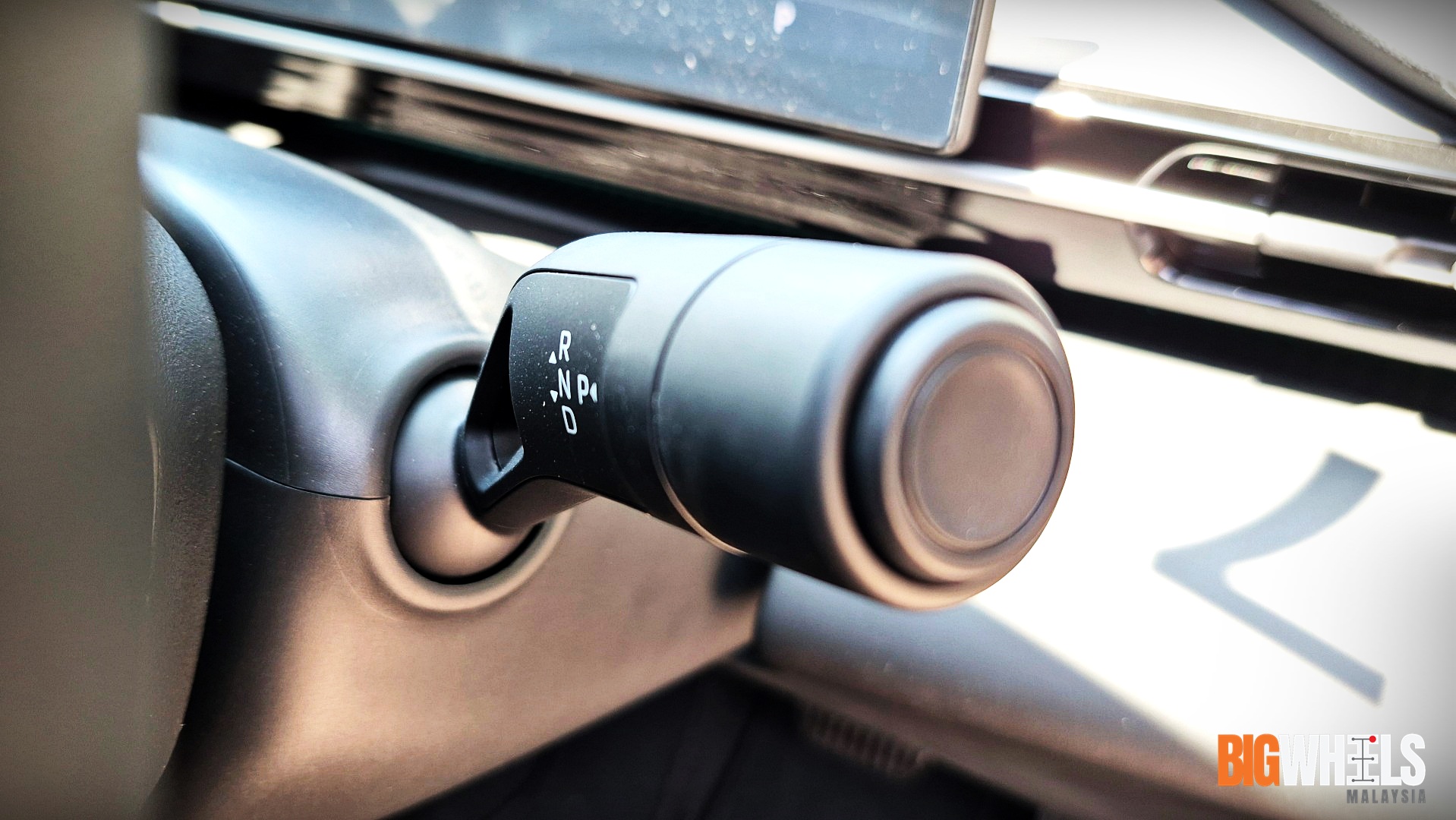
Even when running primarily on the engine, the e.MAS 7 PHEV remains smooth, refined, and easy to drive. The DHT eliminates traditional gearshifts, so power delivery stays linear and EV-like.
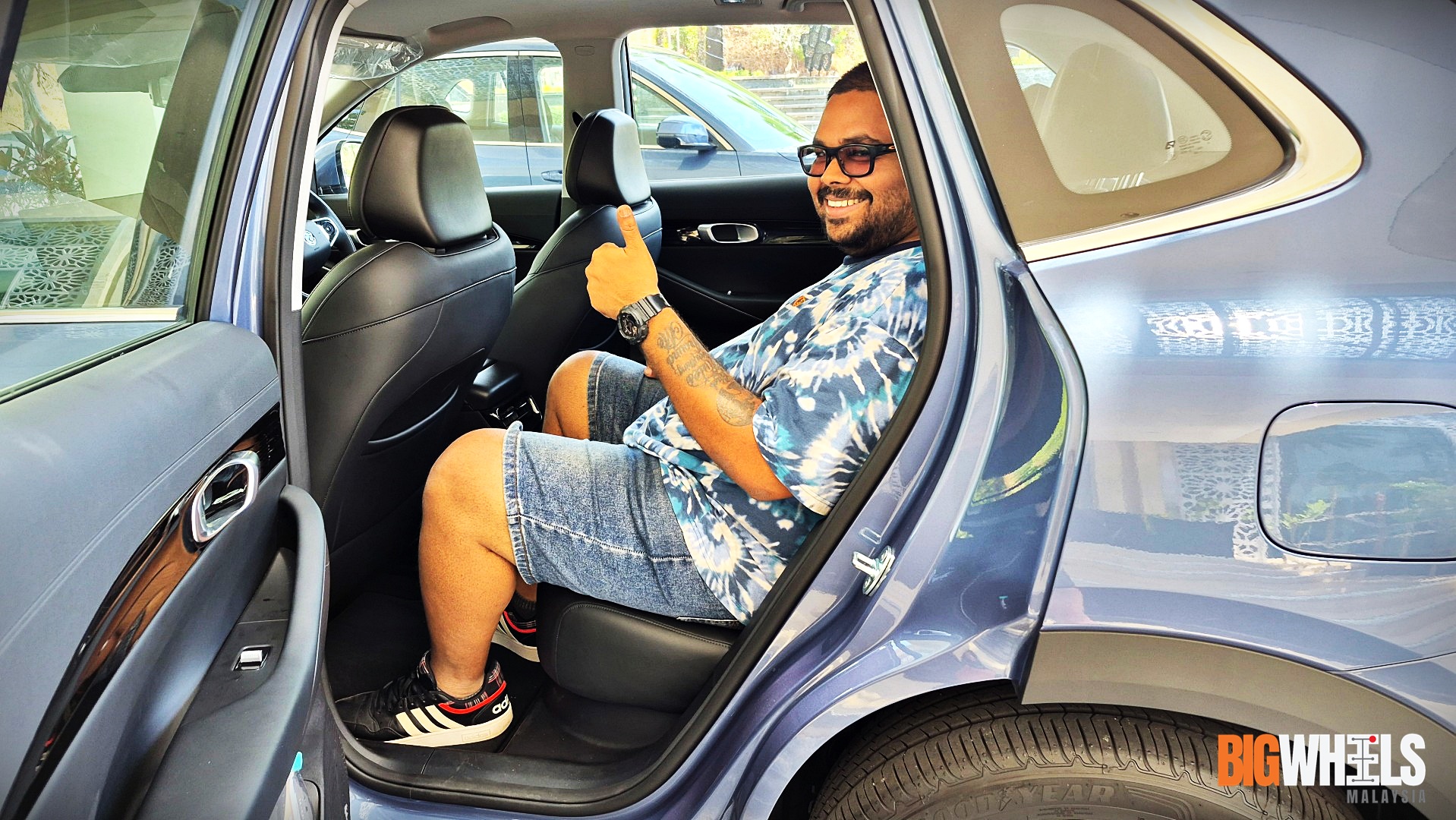
Ride comfort is excellent, and NVH suppression is genuinely impressive for something in this price bracket. Body roll is well controlled, but make no mistake – this is tuned as a family SUV, not a back-road weapon.
It’s calm, composed, and very easy to cover long distances in.
The Long-Distance Companion You Didn’t Expect
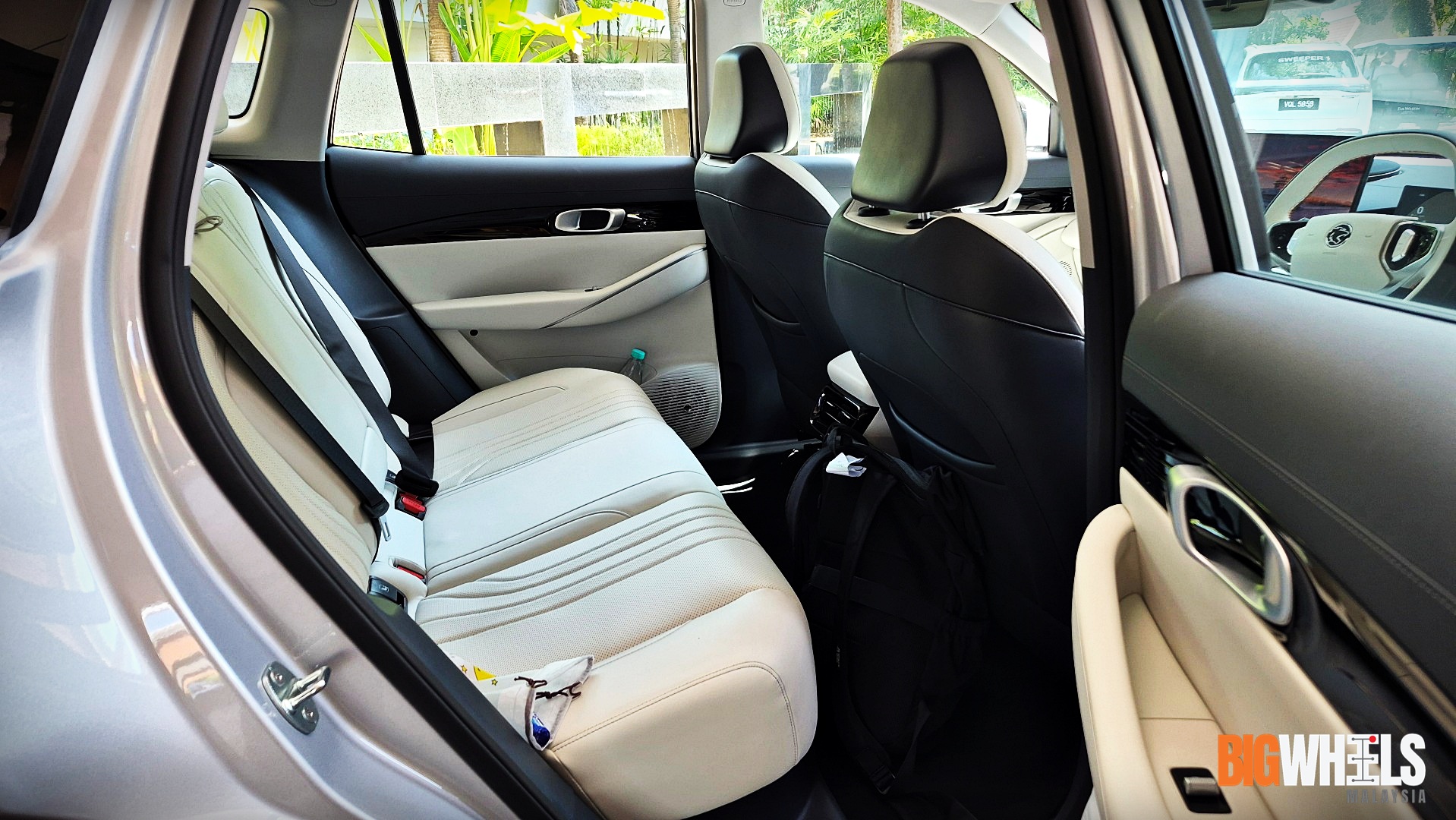
Over a 1,000 km journey, what stood out most was how relaxing the car felt. The seats are supportive, the cabin insulation is strong, and the overall refinement level punches above its segment. This is a car that makes distance shrink.
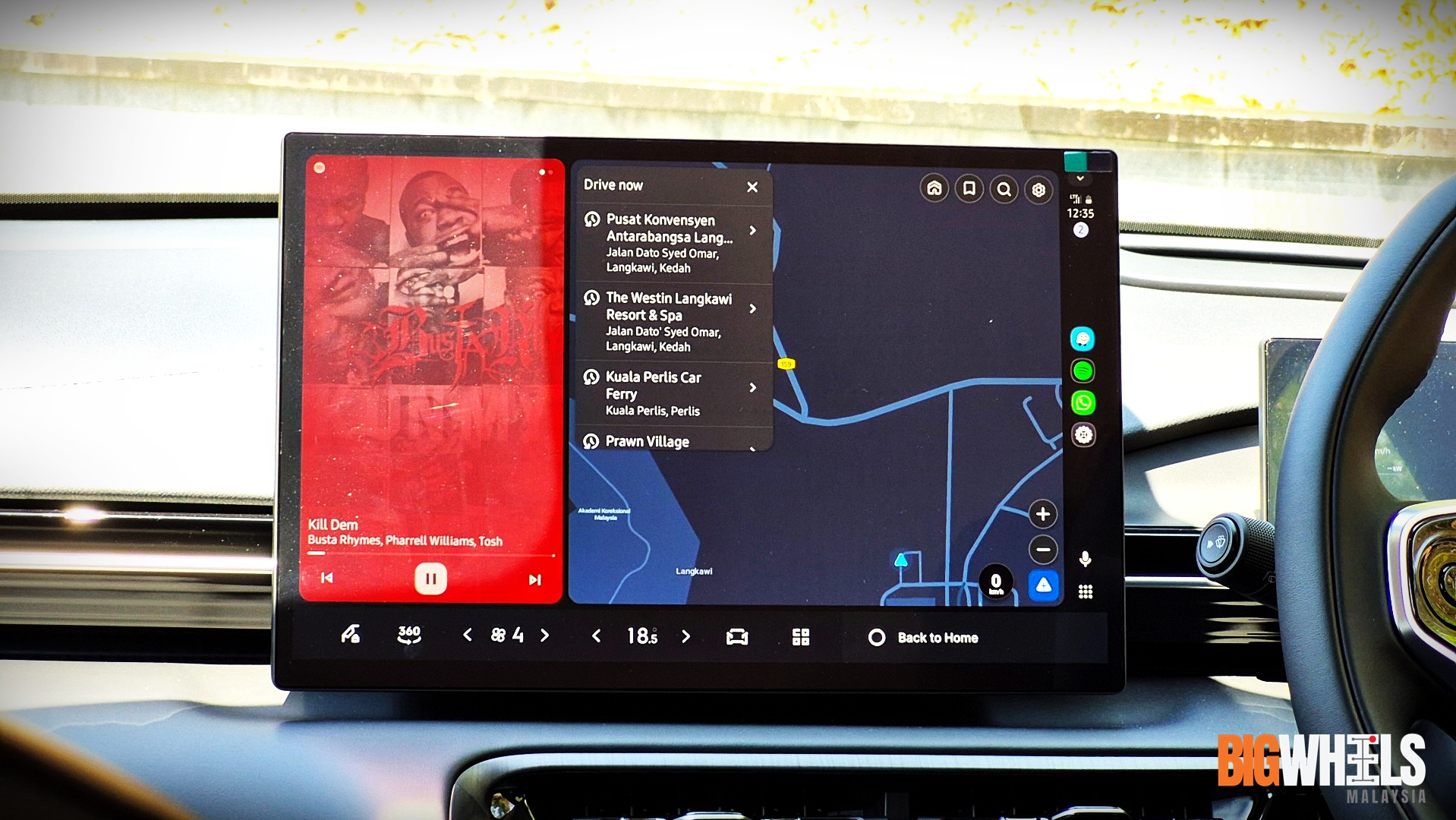
The Flyme infotainment system, complete with wireless Apple CarPlay and Android Auto and a 16-speaker Flyme sound system, adds to the sense of occasion in the Premium variant.
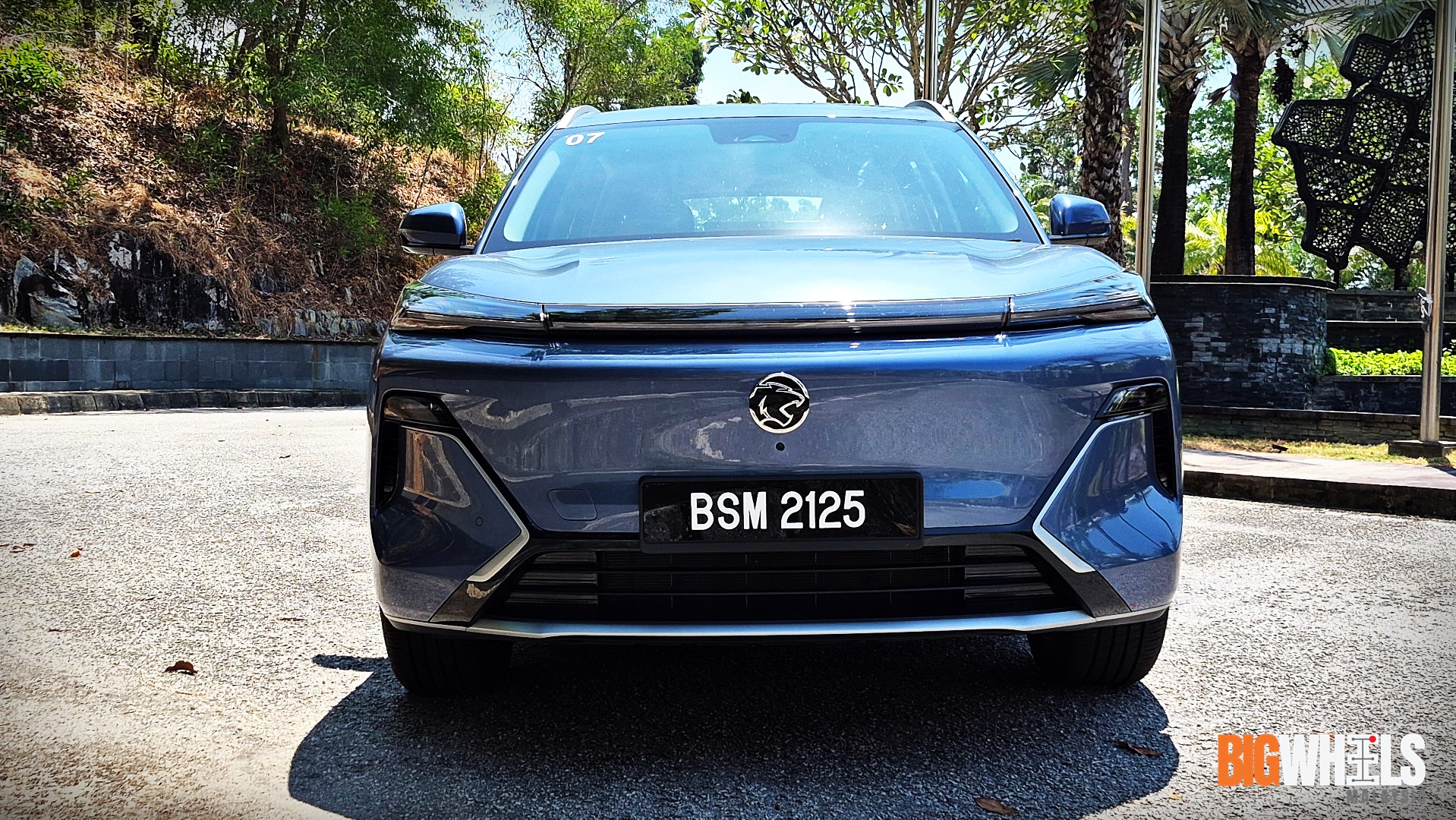
And yes – the exterior silhouette does have more than a passing resemblance to a Porsche Cayenne. It’s a handsome, well-proportioned SUV that looks more expensive than it actually is.
The Price – And Why the Premium Makes Sense
The official Malaysian pricing (OTR without insurance) is:
- Prime – RM109,800
- Premium – RM123,800
- Premium Plus – RM129,800
The Premium adds key features over the Prime such as:
- 19-inch wheels
- Ventilated powered seats
- 16-speaker Flyme audio
- 360-degree camera with 3D view
- Head-up display
- Powered tailgate
- Level 2 ADAS suite
- Ambient lighting and additional airbags
The Premium Plus mainly upgrades to a larger battery with longer EV range and faster DC charging.
For the money, the Premium hits the sweet spot. You get the full luxury and tech experience without paying significantly more for the bigger battery.
The Things I Didn’t Like
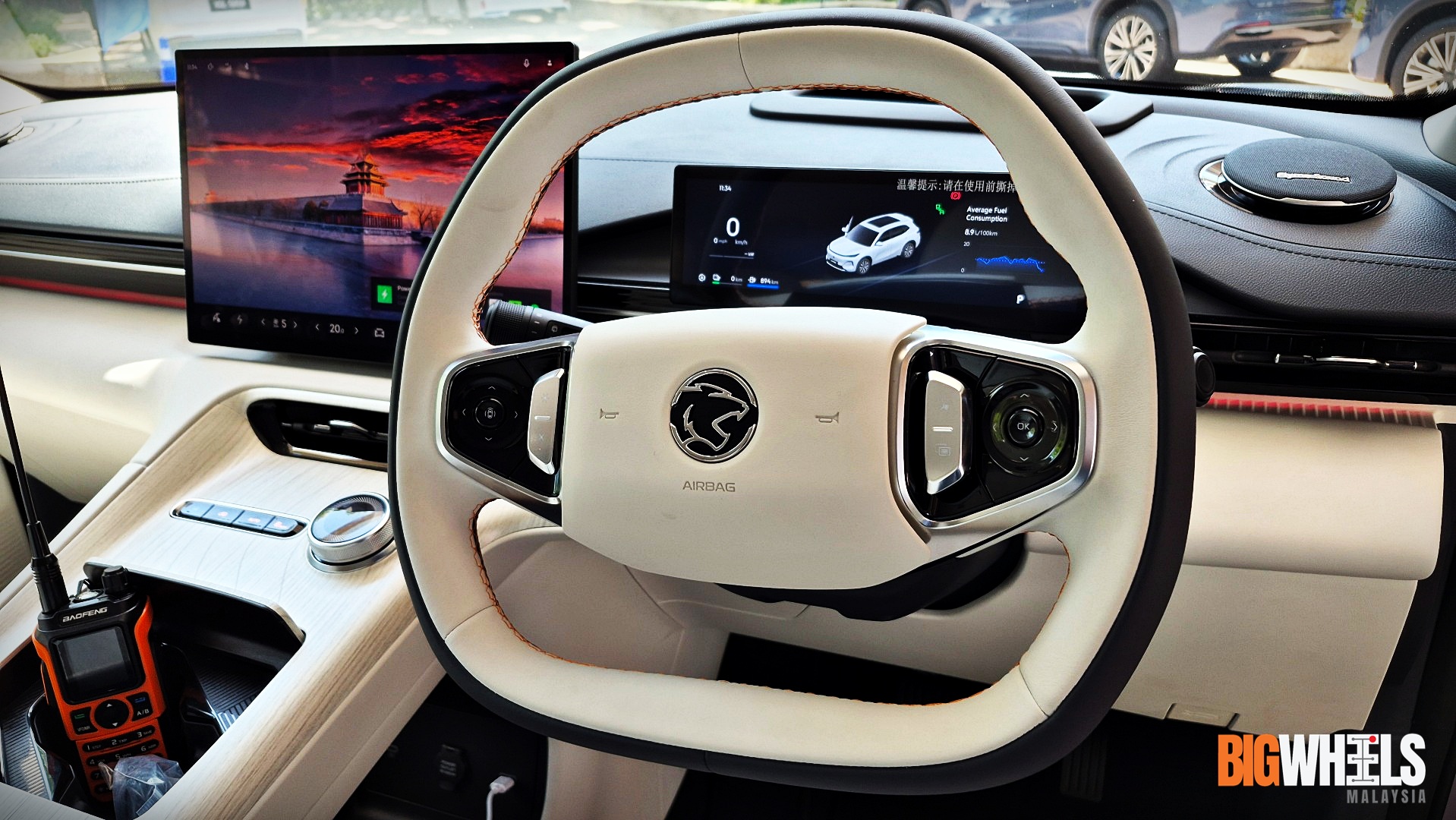
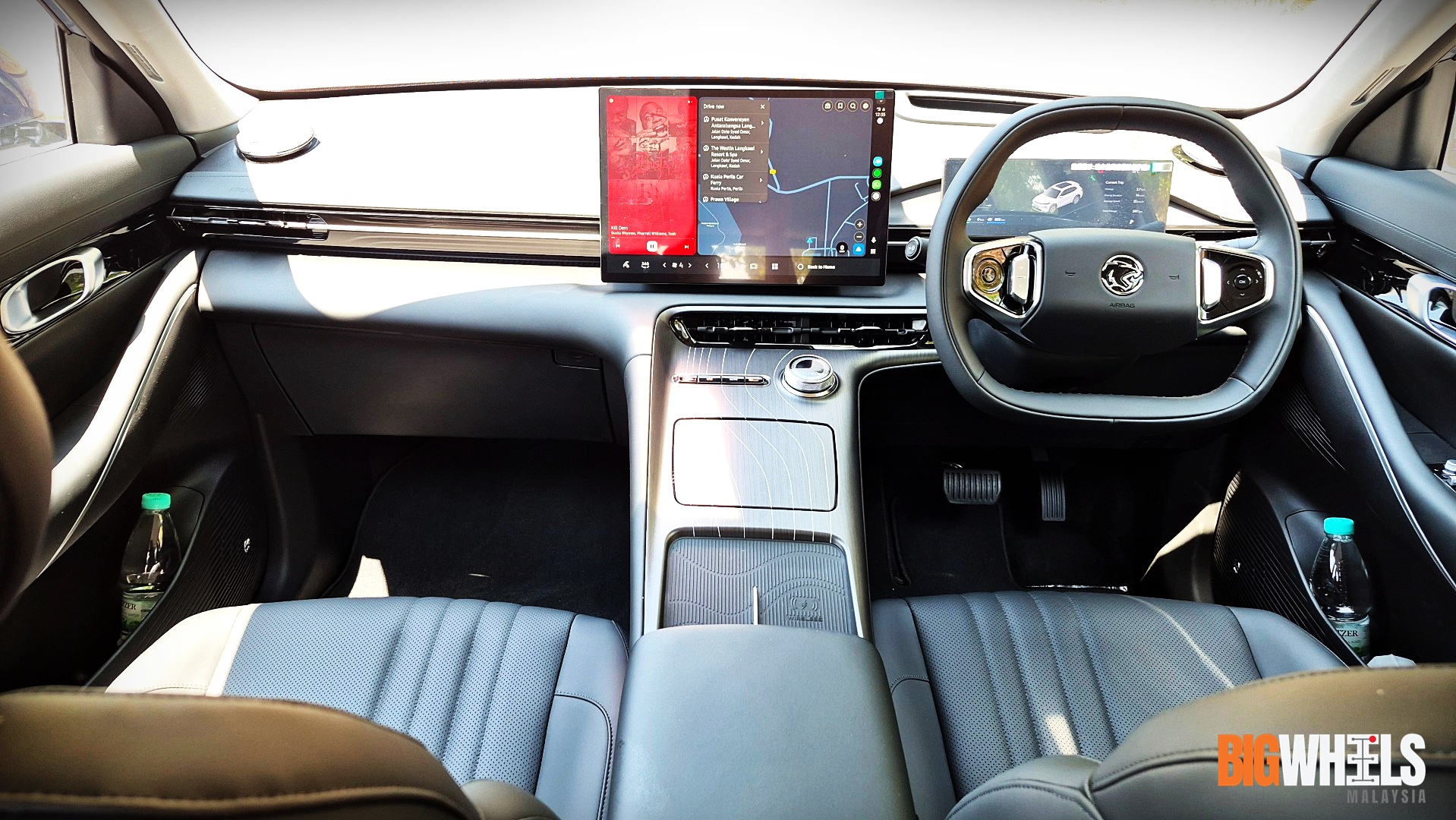
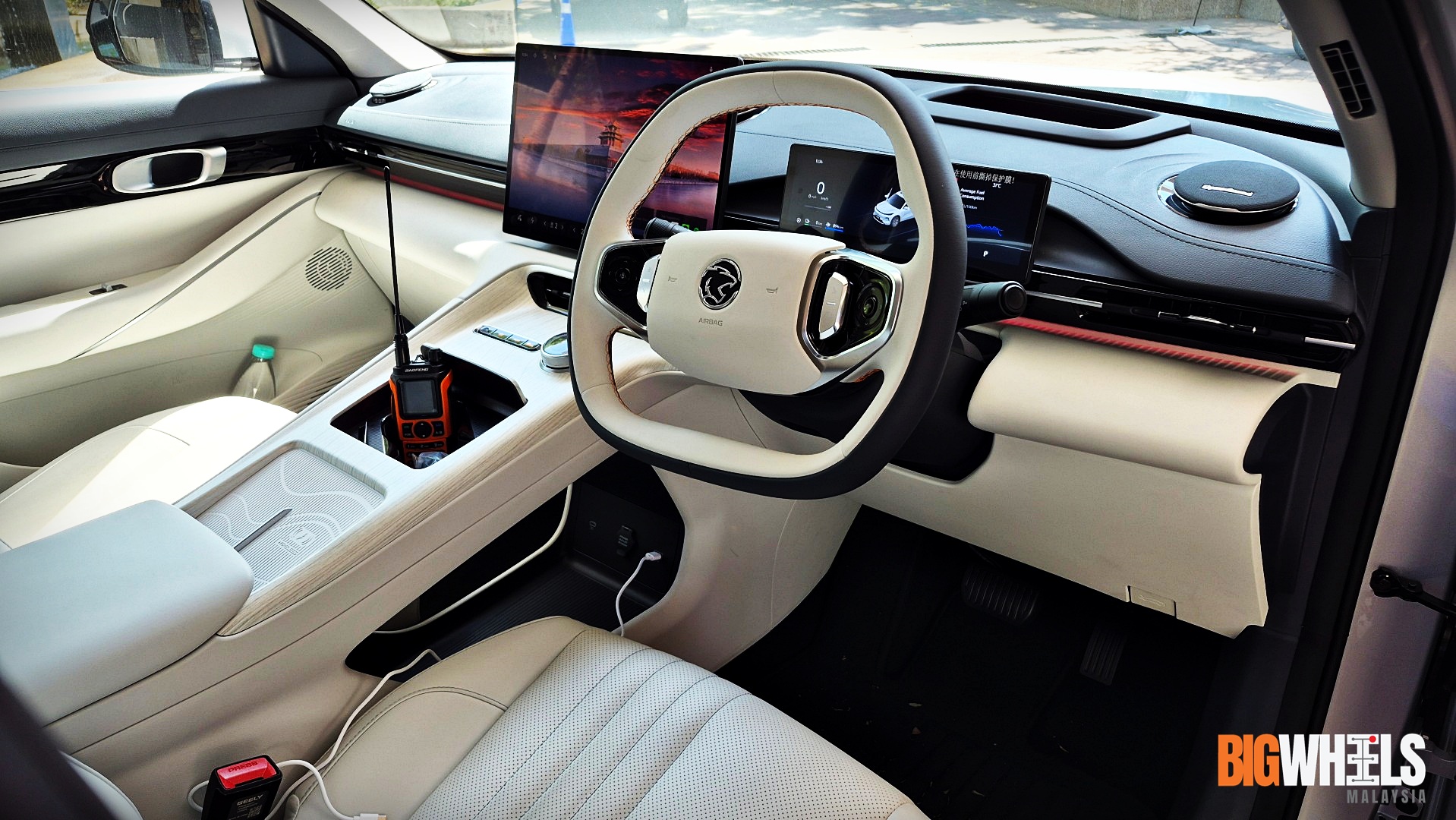
No car is perfect, and the e.MAS 7 PHEV has its quirks. The rectangular steering wheel may look futuristic, but in daily use it doesn’t feel as natural as a conventional round wheel, especially during tight manoeuvres.
You can also feel the car’s weight—while it remains well controlled, the mass becomes noticeable when pushing harder. Another drawback is the engine noise when charging the battery; once the charge runs low and the engine has to work harder as a generator, the sound becomes more apparent and disrupts the otherwise EV-like serenity.
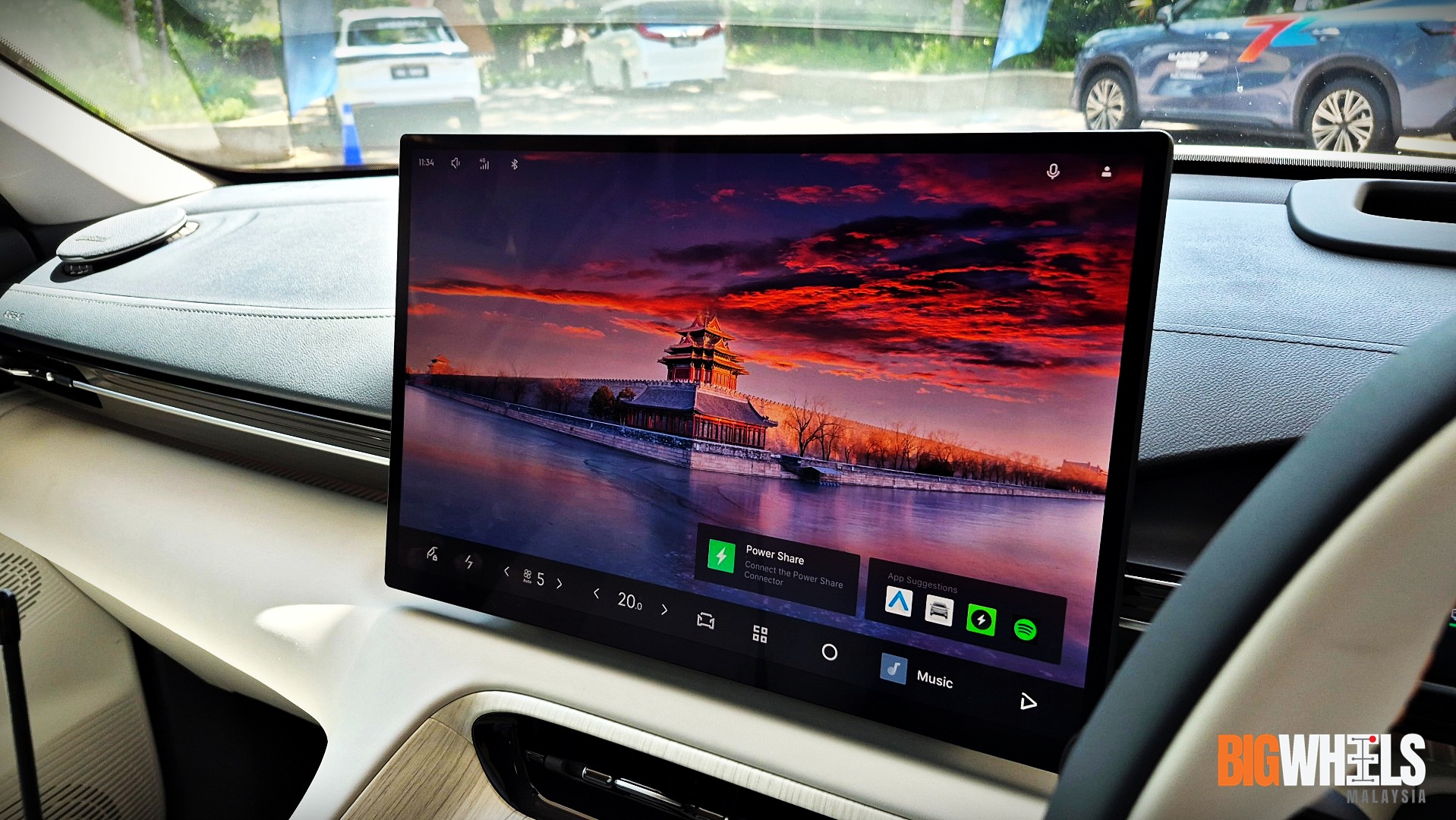
The infotainment system comes with a learning curve as well, since almost everything is controlled through the central display, and functions like forced charging and energy monitoring require some menu-diving. It becomes manageable once you’re familiar with it, but the first few days can feel overwhelming.
Lastly, the white interior looks fantastic and elevates the cabin ambience, though in real Malaysian conditions, keeping it clean will require a fair bit of commitment.
So, Is It Any Good?
After 1,000 km of real-world driving, the answer is simple. The Proton e.MAS 7 PHEV Premium is one of the few plug-in hybrids that truly delivers the best of both worlds:
- You get genuine EV driving for daily use
- You get long-distance capability without charging anxiety
- You get outstanding real-world efficiency
- You get refinement that feels a class above its price
Most importantly, it doesn’t fall apart when the battery runs out.
Verdict
At RM123,800, the Premium variant feels like the sweet spot in the range – loaded with equipment, technologically advanced, and efficient enough to make you question whether you actually need a full EV yet.
If your lifestyle demands long balik kampung runs, spontaneous road trips, and the flexibility of petrol with the benefits of electric driving, this might just be the most complete electrified Proton to date.
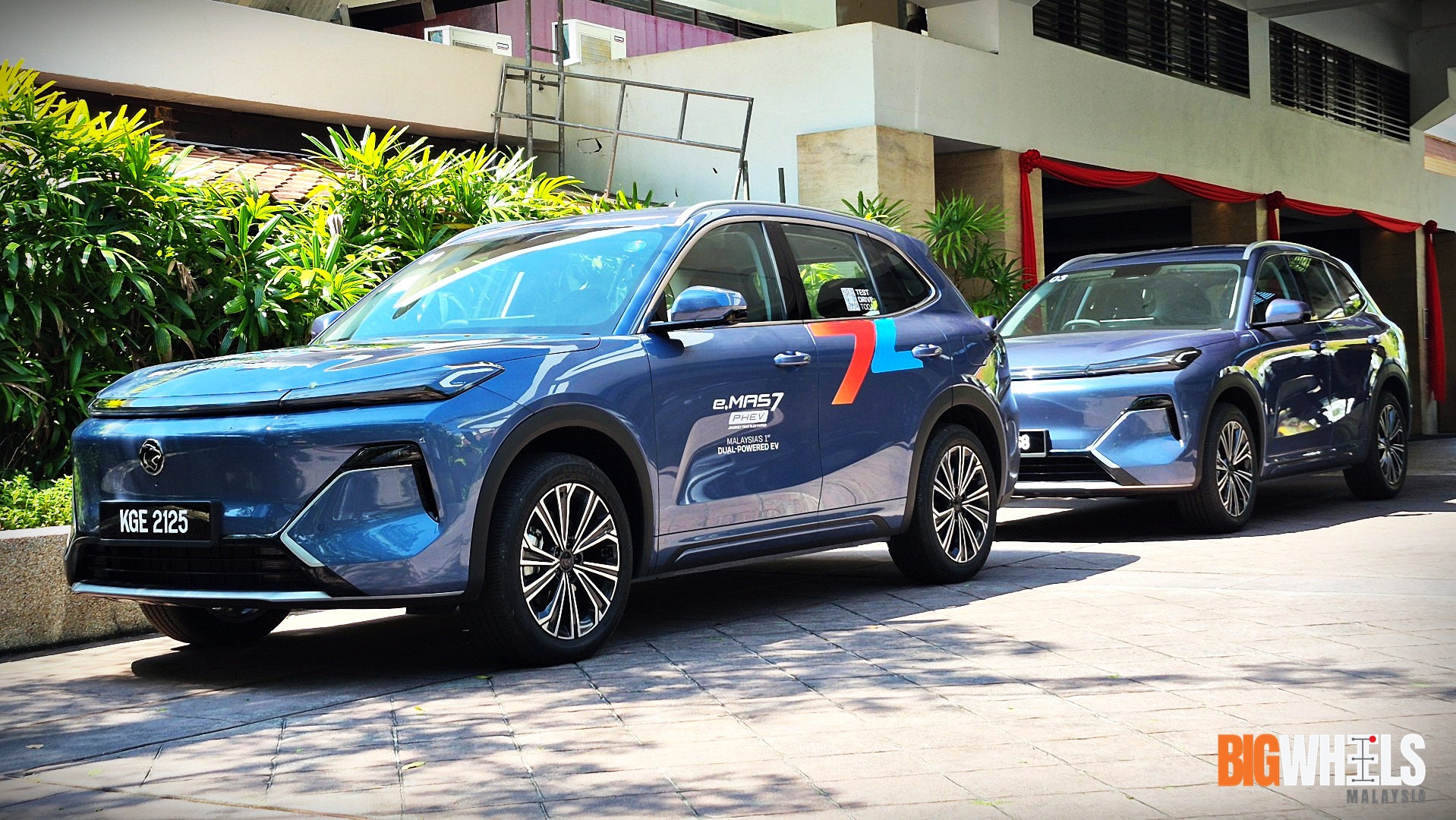
And after 1,000 km of driving without trying to be economical, I can confidently say that this isn’t just Proton’s first PHEV. It’s the first one that feels properly thought through for real Malaysian driving.