
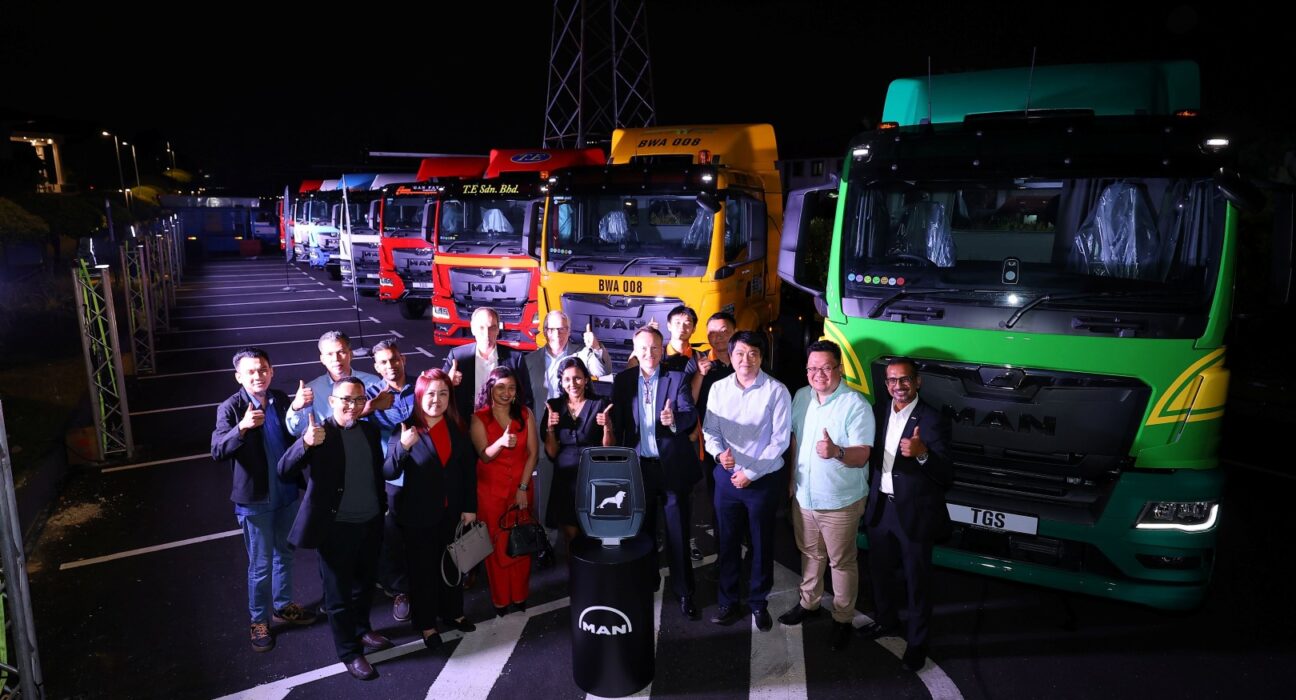
MAN Truck & Bus SE is urging Malaysian transport operators to rethink fleet investment strategies, highlighting that true sustainability comes from durability, reliability, and lifecycle efficiency — not short-term cost savings.
During a recent management visit, MAN warned that the prevalent “buy cheap, use and dispose” approach can backfire, creating higher total cost of ownership (TCO), increased downtime, and unnecessary environmental impact.
Vehicles with shorter lifespans often require frequent repairs, face lower availability, and contribute to avoidable waste at end-of-life.
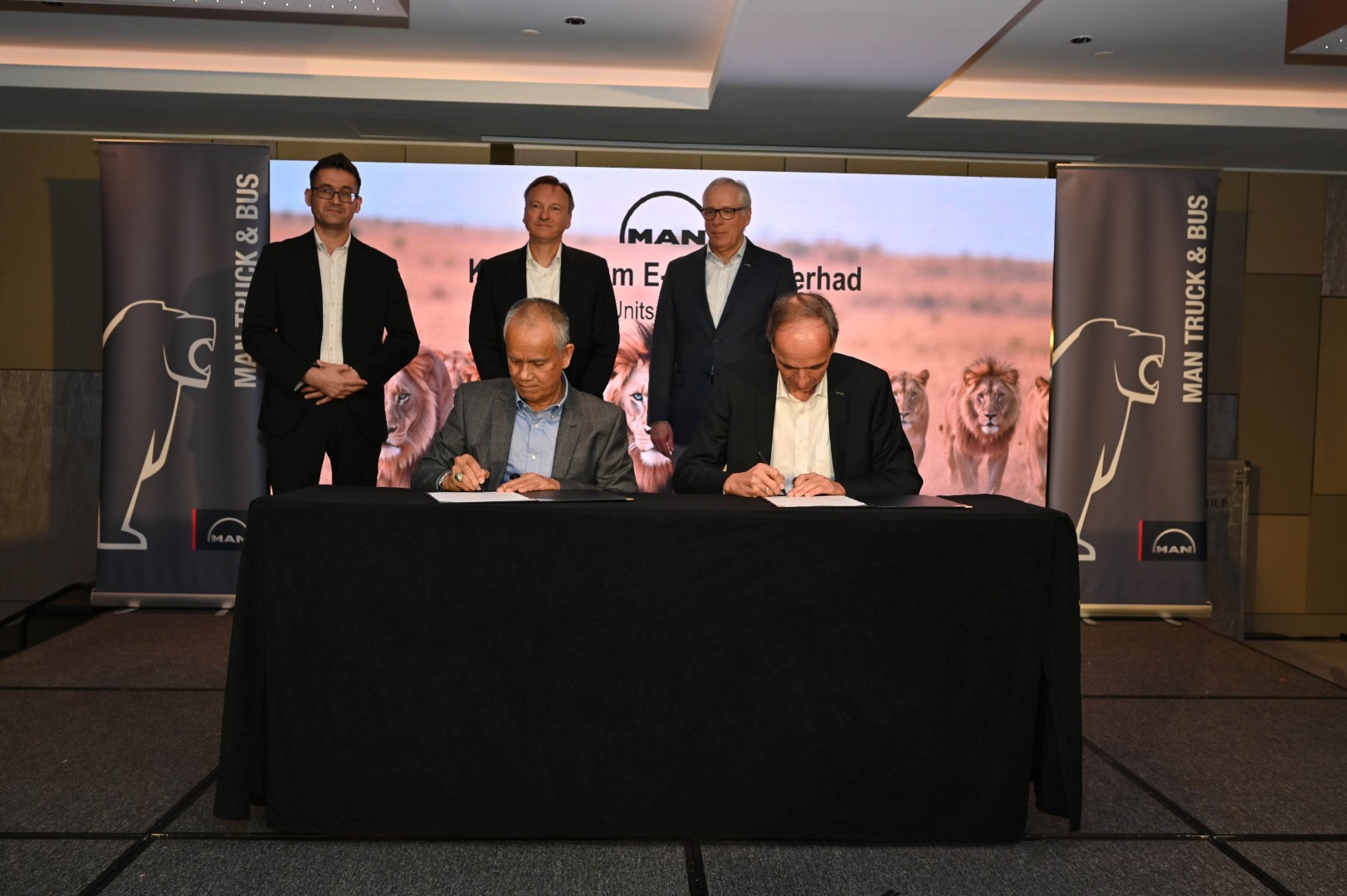
Friedrich Baumann, Executive Board Member and Head of Sales & Customer Solutions, stressed: “Quality engineering combined with professional maintenance ensures higher uptime, lower TCO, and long-term business viability. True sustainability means maximising return on investment through efficient and reliable operations over many years.”
MAN’s commercial vehicles and engines are designed for service lives exceeding one million kilometres without overhaul. To support fleet owners, the company offers fixed-cost Repair and Maintenance Contracts, genuine parts, and skilled technicians — all aimed at predictable operating expenses and maximised uptime.
Thomas Hemmerich, Head of Sales Area International, added that MAN’s technology solutions cover nearly all transport applications and are supported by dedicated local teams.
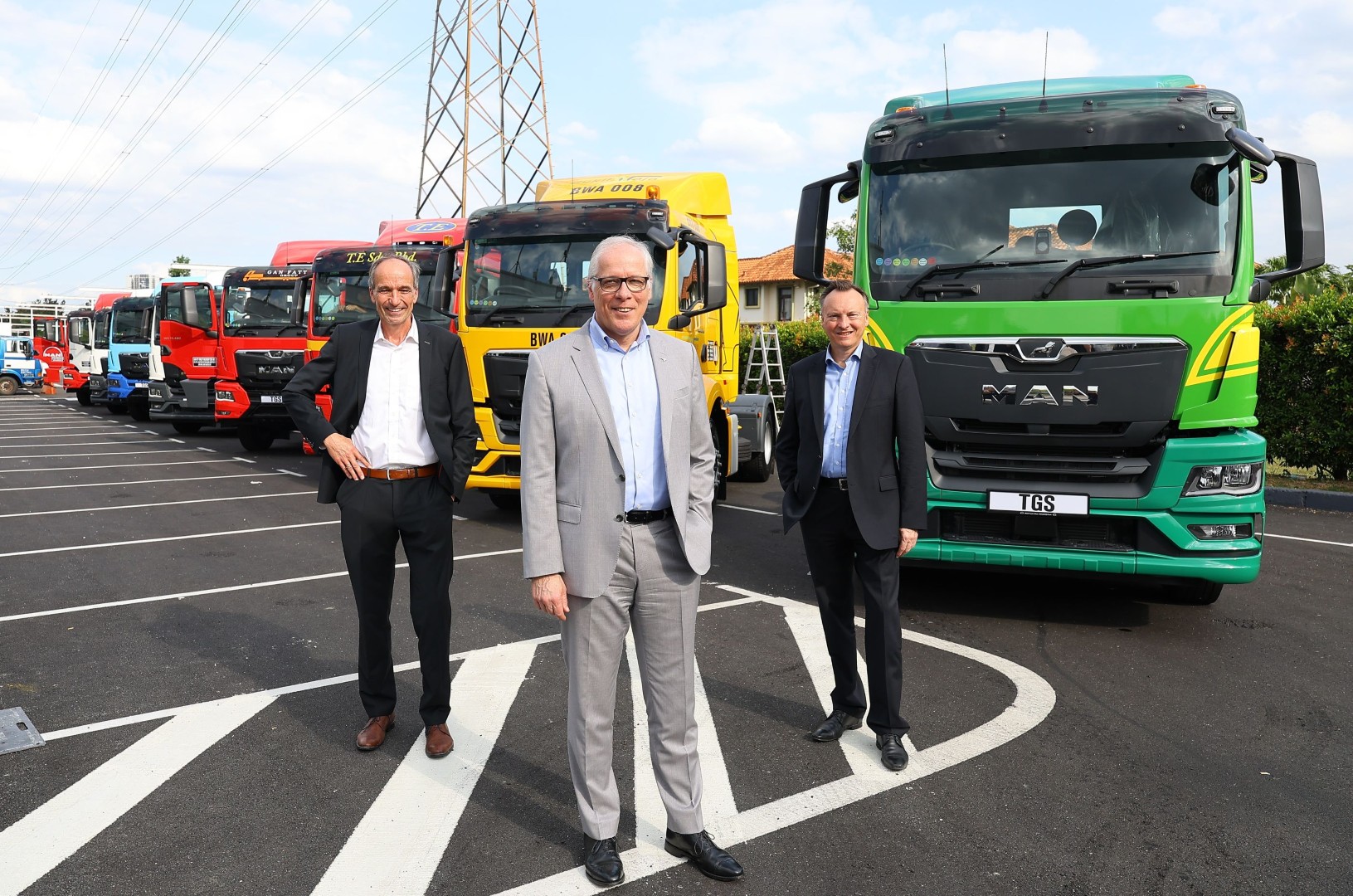
“This partnership approach is critical, especially as we prepare to introduce battery-electric trucks and buses (BEV) in Malaysia. Reliable infrastructure and government incentives will be key to adoption,” he noted.
Despite a contracting prime mover segment in 2025, MAN Malaysia increased its market share, solidifying its leadership among European brands. Its express bus segment also performed strongly, securing a 32% share, while demand for MAN bus chassis has surged to a 10-year high.
By advocating long-term value, robust maintenance, and a partnership-oriented approach, MAN is positioning Malaysian transporters to operate fleets sustainably, efficiently, and profitably — while preparing the ground for the future of electrified commercial mobility.