
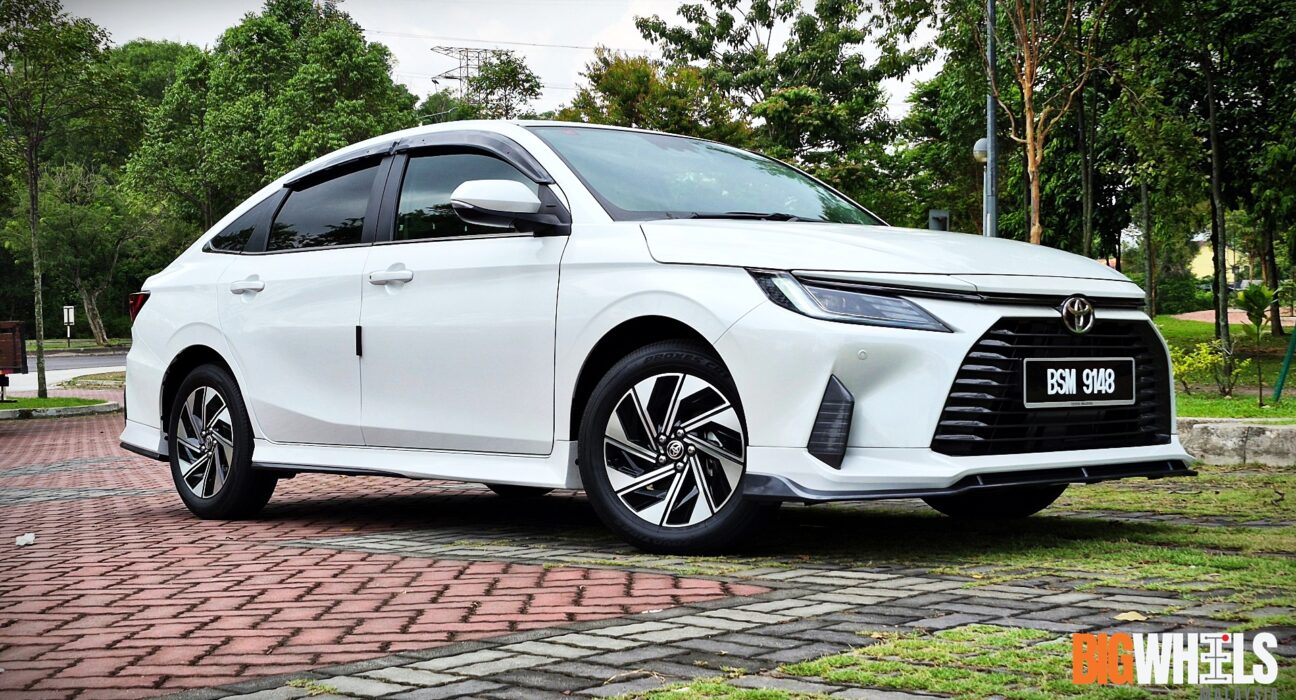
There is a certain expectation that comes with the Toyota Vios. It is supposed to be sensible, reliable, easy to drive, economical, and comfortable enough. In other words, it is supposed to get the job done without making too much of a fuss.
But after spending some proper time with the 2026 Toyota Vios HEV, I came away with a rather different impression. This isn’t simply a Vios with a hybrid system bolted on to improve its fuel consumption.
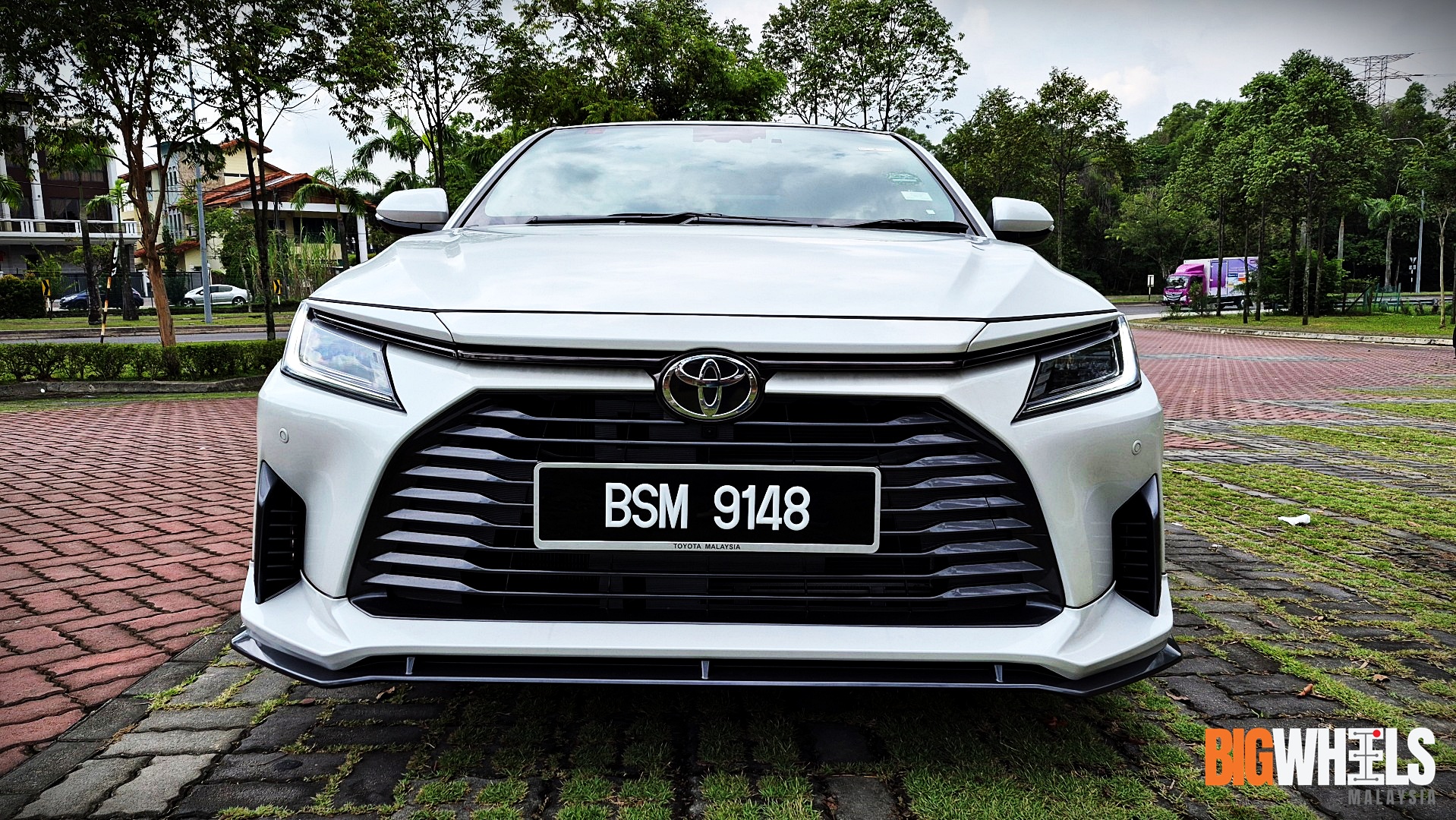
The Vios HEV feels like a significantly more mature car. In fact, the biggest surprise isn’t how little fuel it uses. It is how much more enjoyable the Vios becomes when you add an electric motor to the equation.
The hybrid system changes everything
On paper, the numbers don’t look revolutionary. The Vios HEV uses a 1.5-litre naturally aspirated four-cylinder petrol engine producing 91 PS and 121 Nm, paired with an electric motor producing 80 PS and 141 Nm. Combined system output is rated at 111 PS, with drive sent to the front wheels through an e-CVT.
The petrol Vios, meanwhile, uses a conventional 1.5-litre engine producing 106 PS and 138 Nm. So why does the HEV feel so much better?
Peak power figures don’t tell the whole story. The electric motor delivers its torque almost instantly, filling in the gaps where the petrol engine would normally need to build revs. The result is a Vios that responds to throttle inputs with considerably less hesitation.
Pulling away from traffic lights is smoother and more immediate. Getting into a gap in traffic is easier. And when you need to overtake, there is considerably more urgency available from the powertrain.
That extra shove is particularly noticeable at the sort of speeds where you wouldn’t expect a Vios to be particularly exciting, which brings me to my favourite part of the car.
The highway is where the Vios HEV really shines
I actually enjoyed the Vios HEV most on the highway. That may sound strange for a B-segment sedan, but it makes sense once you spend enough time behind the wheel.
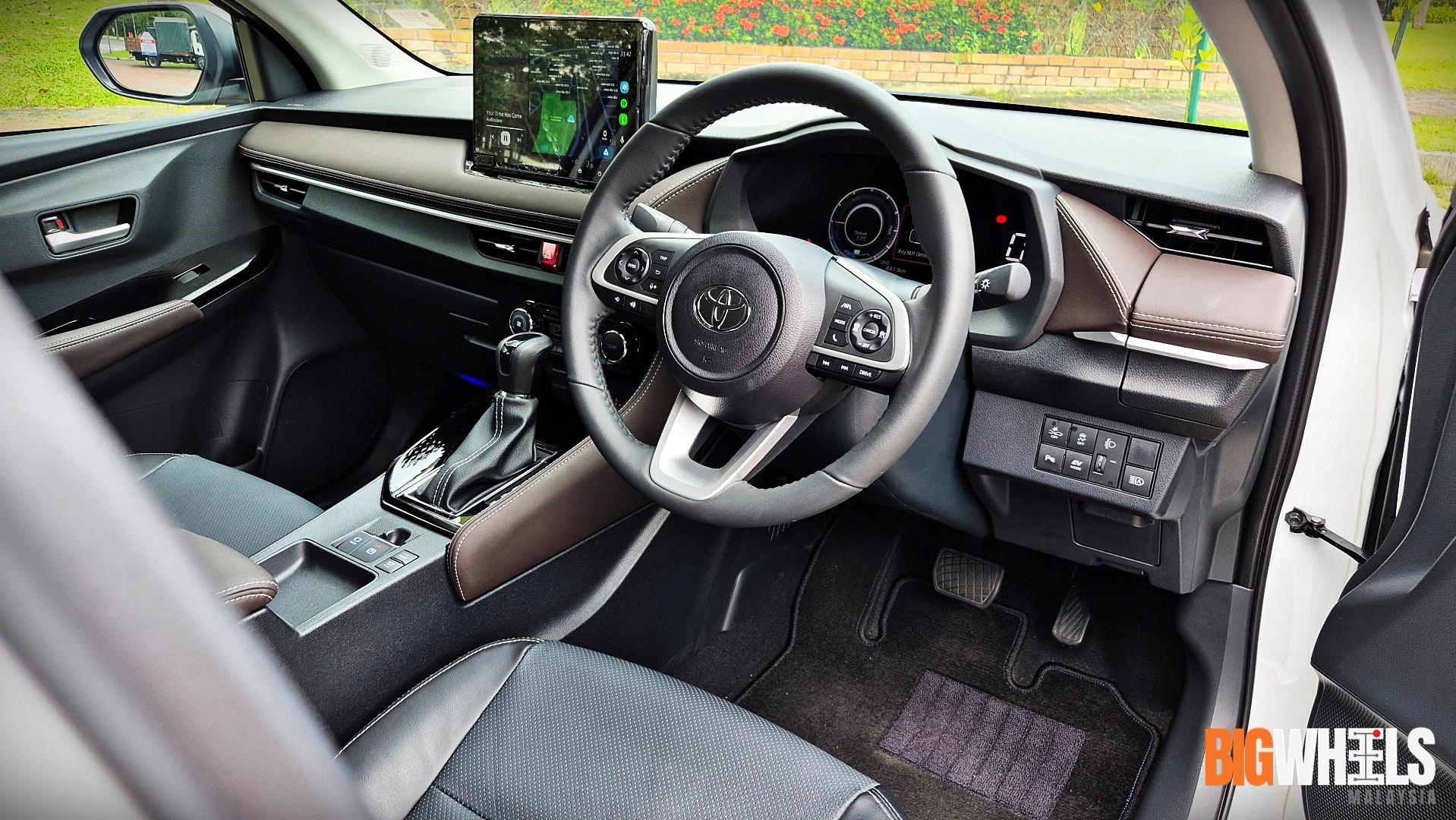
The hybrid system is constantly deciding whether to use the petrol engine, electric motor or both, depending on the driving conditions. When the engine isn’t required, it simply shuts down.
That makes the car remarkably quiet and smooth during cruising and gentle acceleration. And when you need to accelerate, the electric motor provides that immediate response before the petrol engine joins the party as required.
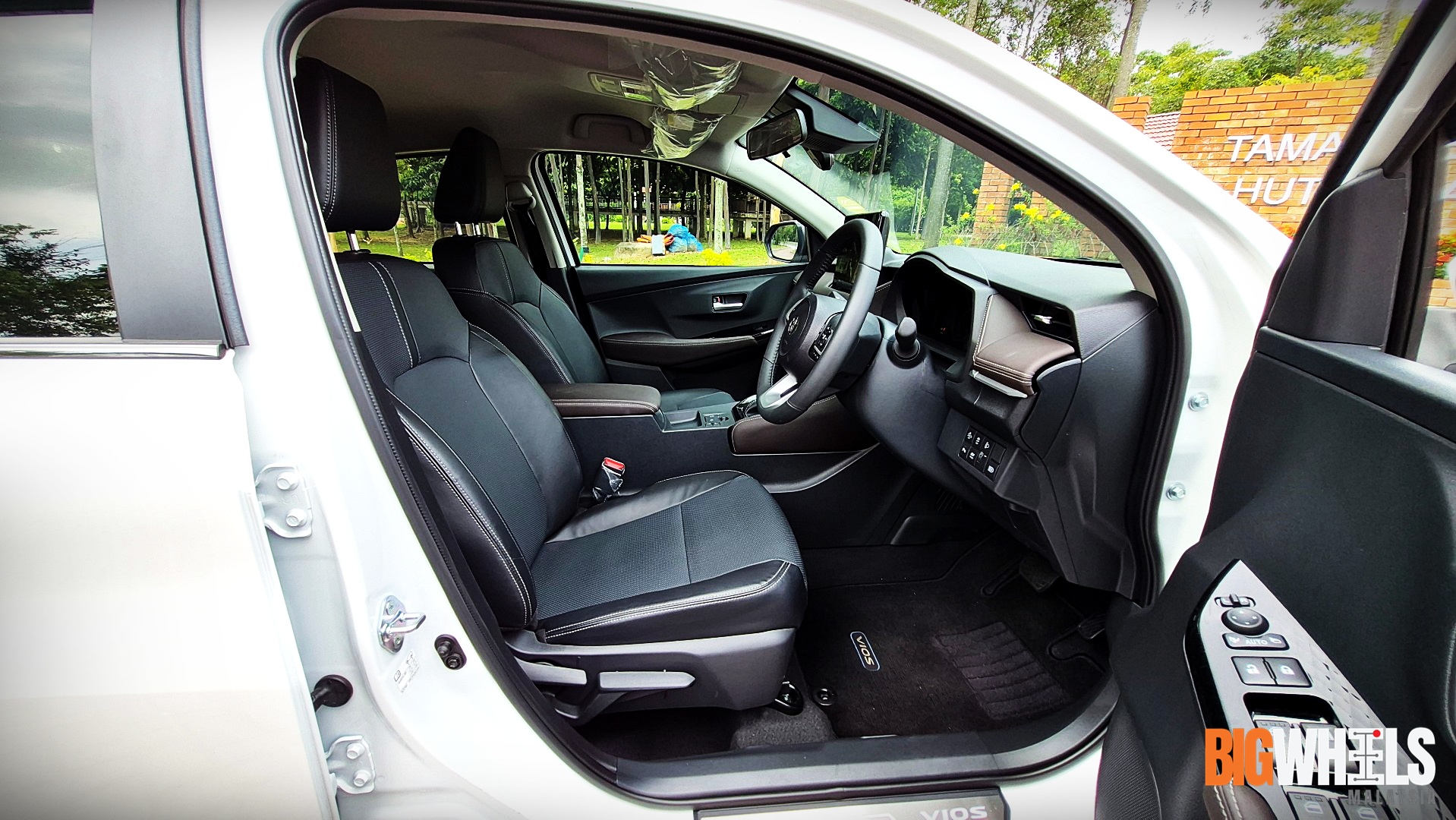
There is none of the usual sensation of a small naturally aspirated engine being worked hard just to maintain momentum. The result is a Vios that feels far more relaxed at highway speeds than I expected.
In fact, there were moments when it genuinely felt like I was driving something from a segment above. Not because it suddenly became a D-segment car in terms of size or space — it obviously hasn’t — but because of the way it delivers its performance.
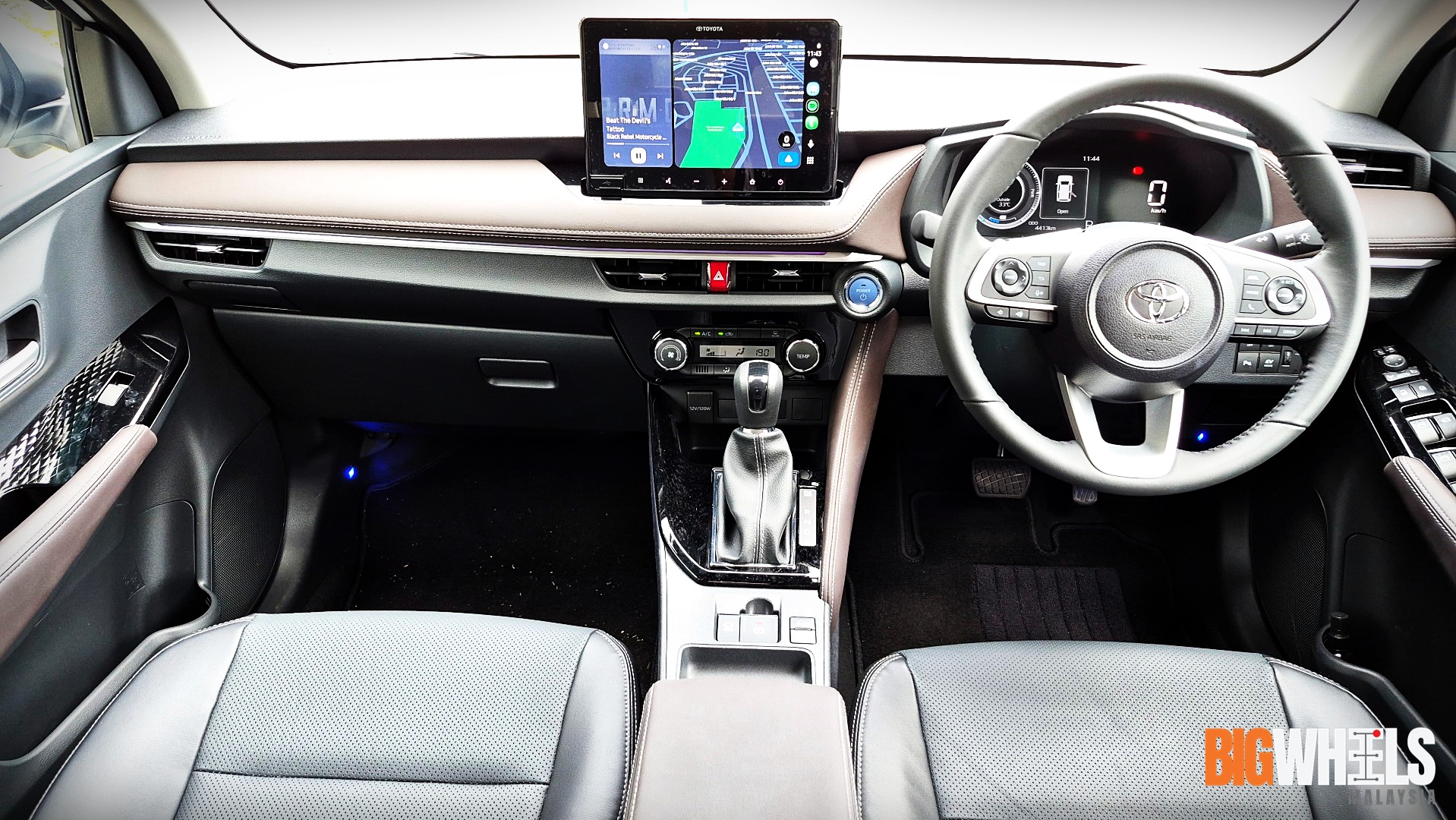
It is smooth, quiet, planted and effortless. That’s a surprisingly sophisticated combination for a car costing RM103,900.
The extra weight isn’t necessarily a bad thing
There is another interesting side effect of the hybrid system. The battery adds weight to the car, and rather than making the Vios feel cumbersome, that additional mass actually contributes to a more planted feeling on the road.
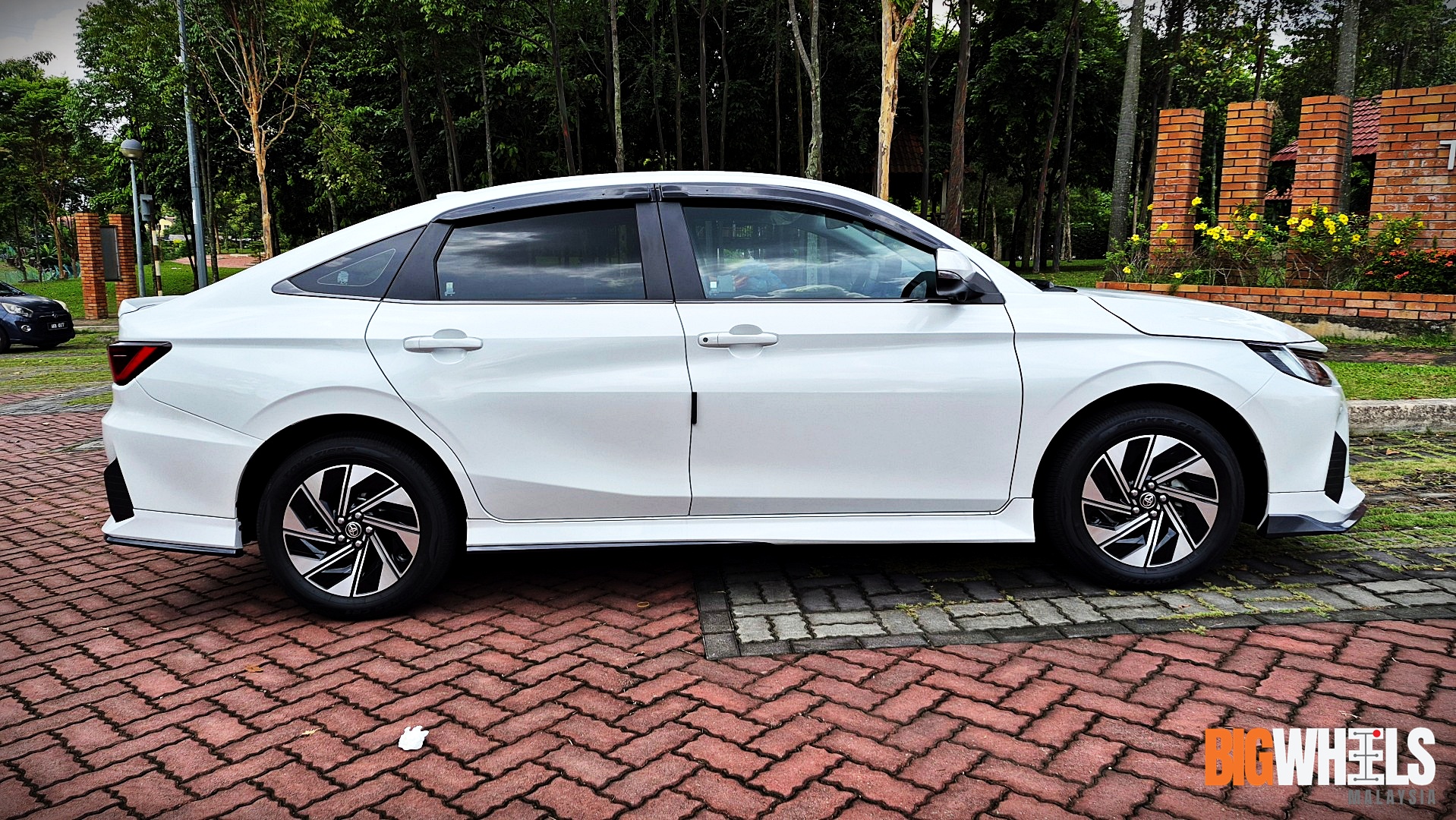
This is where Toyota’s TNGA platform deserves plenty of credit. The Vios already has a fundamentally good chassis, but the HEV feels particularly settled when you start pushing it through faster corners.
Body control is excellent – There is very little of the floaty, nervous sensation you might associate with an inexpensive compact sedan. The car stays composed, changes direction cleanly and inspires confidence when you’re carrying speed through a bend.
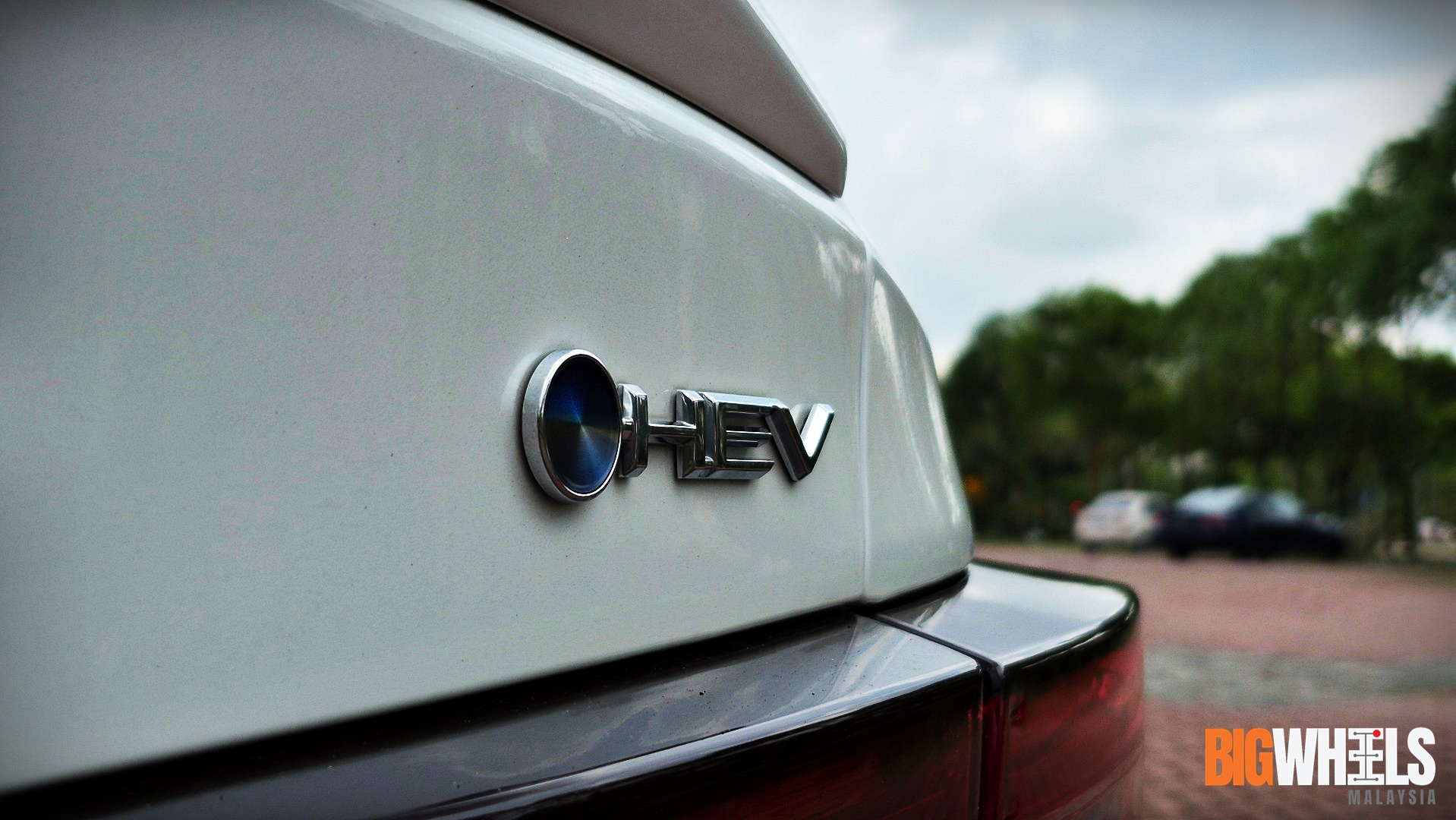
Despite the extra weight, the electric motor makes the car feel anything but sluggish. The power available from the hybrid system is genuinely usable. You don’t have to drive it hard to enjoy it, but when you do decide to press on, there is enough performance to make the Vios feel surprisingly entertaining.
Still a handsome sedan
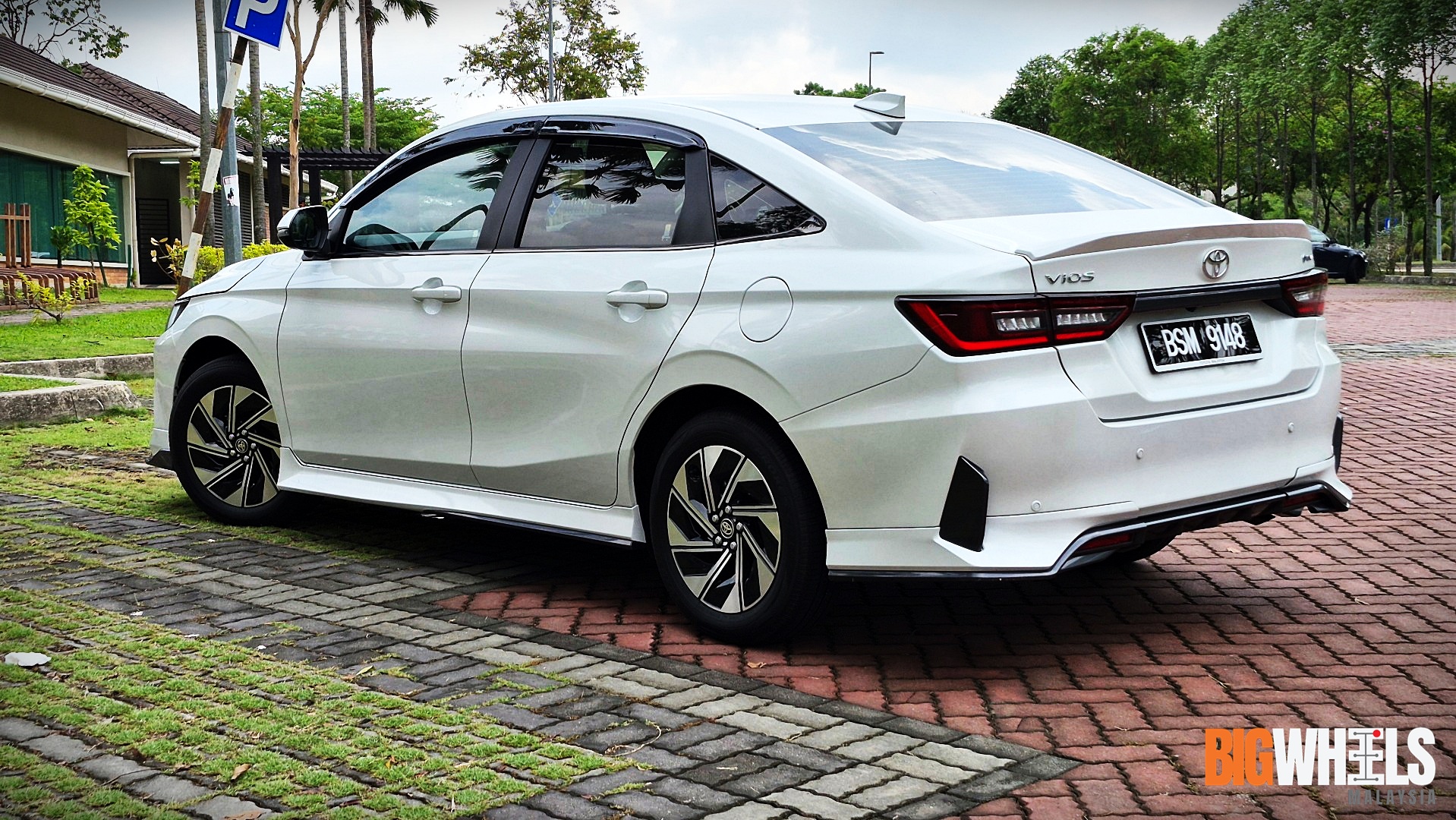
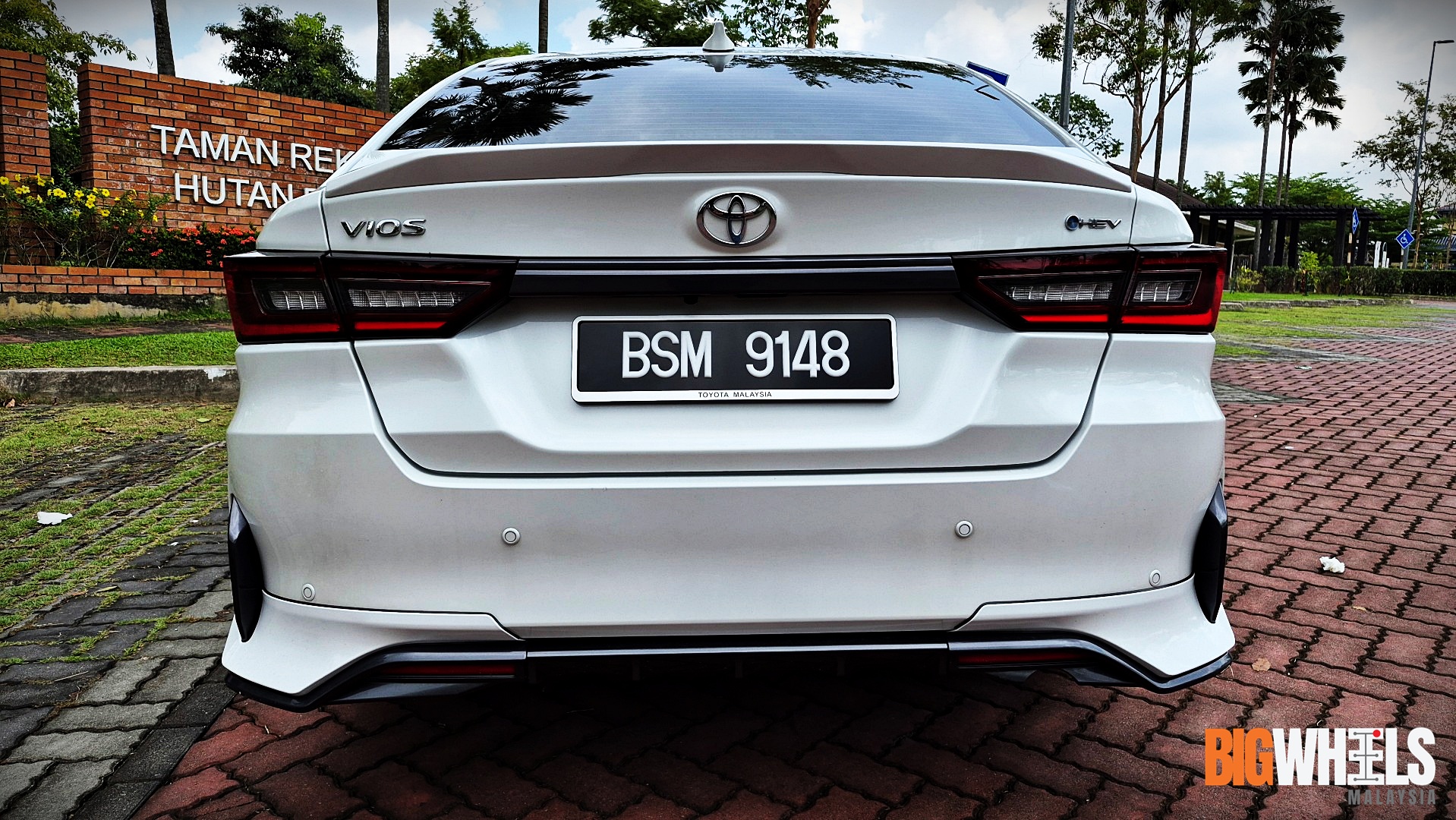
Visually, Toyota hasn’t gone overboard with the HEV and that’s a good thing. The standard Vios already has a sharp, contemporary design, and the HEV retains that appearance while adding subtle hybrid-specific touches.
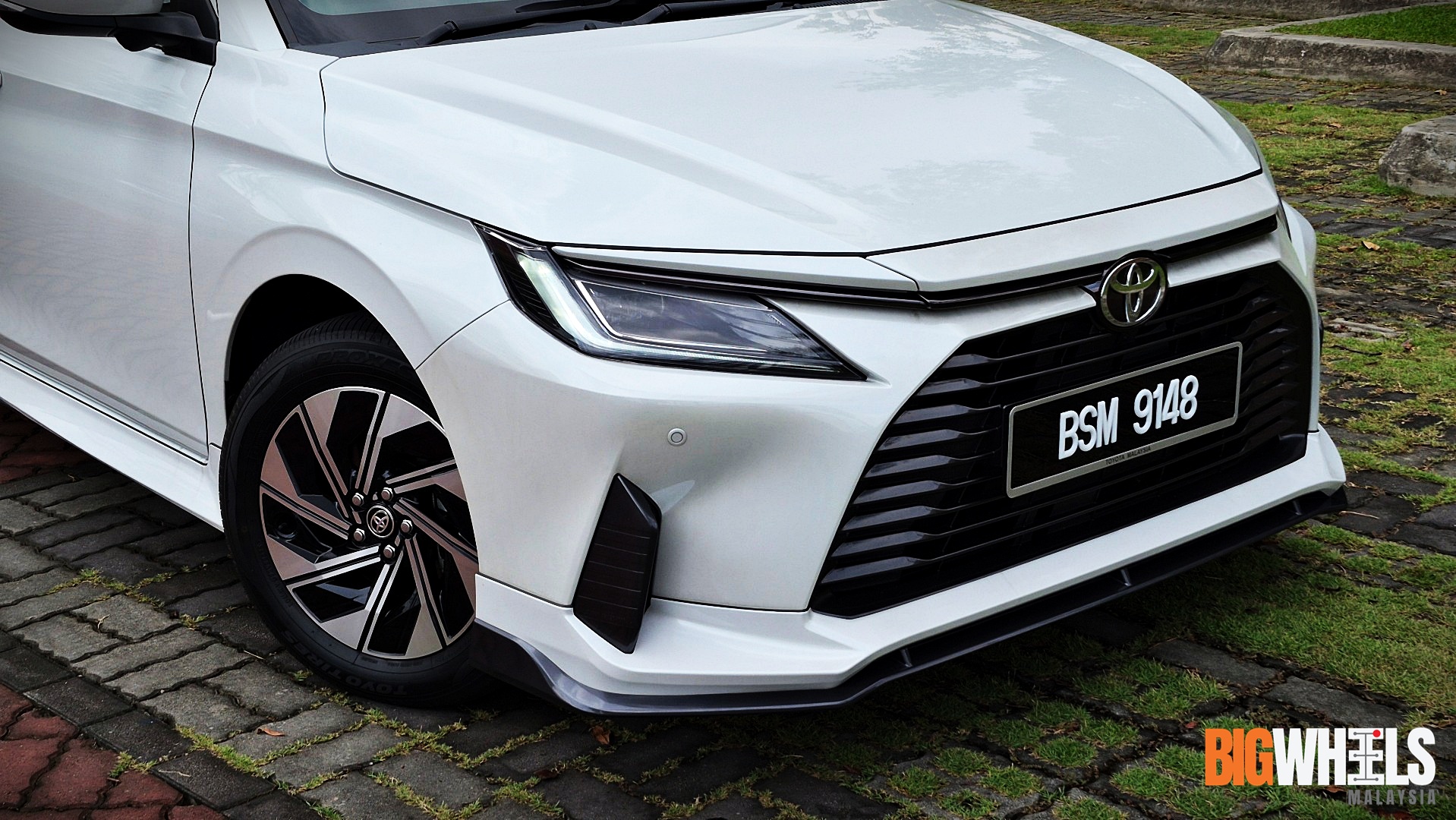
It looks mature rather than gimmicky. That is important because the Vios HEV doesn’t need to scream “HYBRID” from across the car park. Its appeal is more understated.
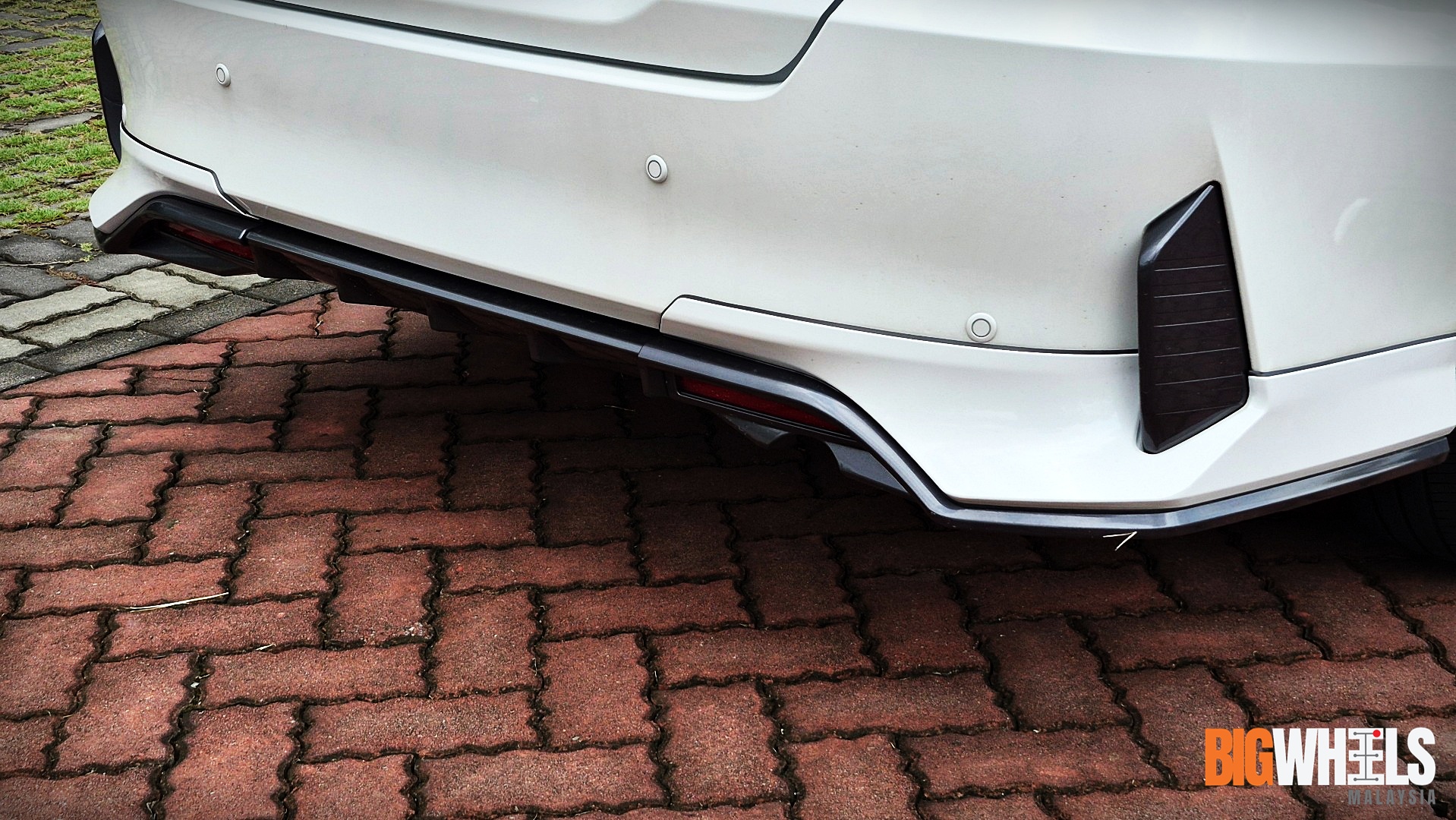
If you want something sportier, there’s the Vios HEV GR Sport, which adds more aggressive exterior and interior styling along with GR Sport-tuned suspension and other chassis-related changes, but personally, I think the standard HEV makes a stronger case for itself.
The technology is there too
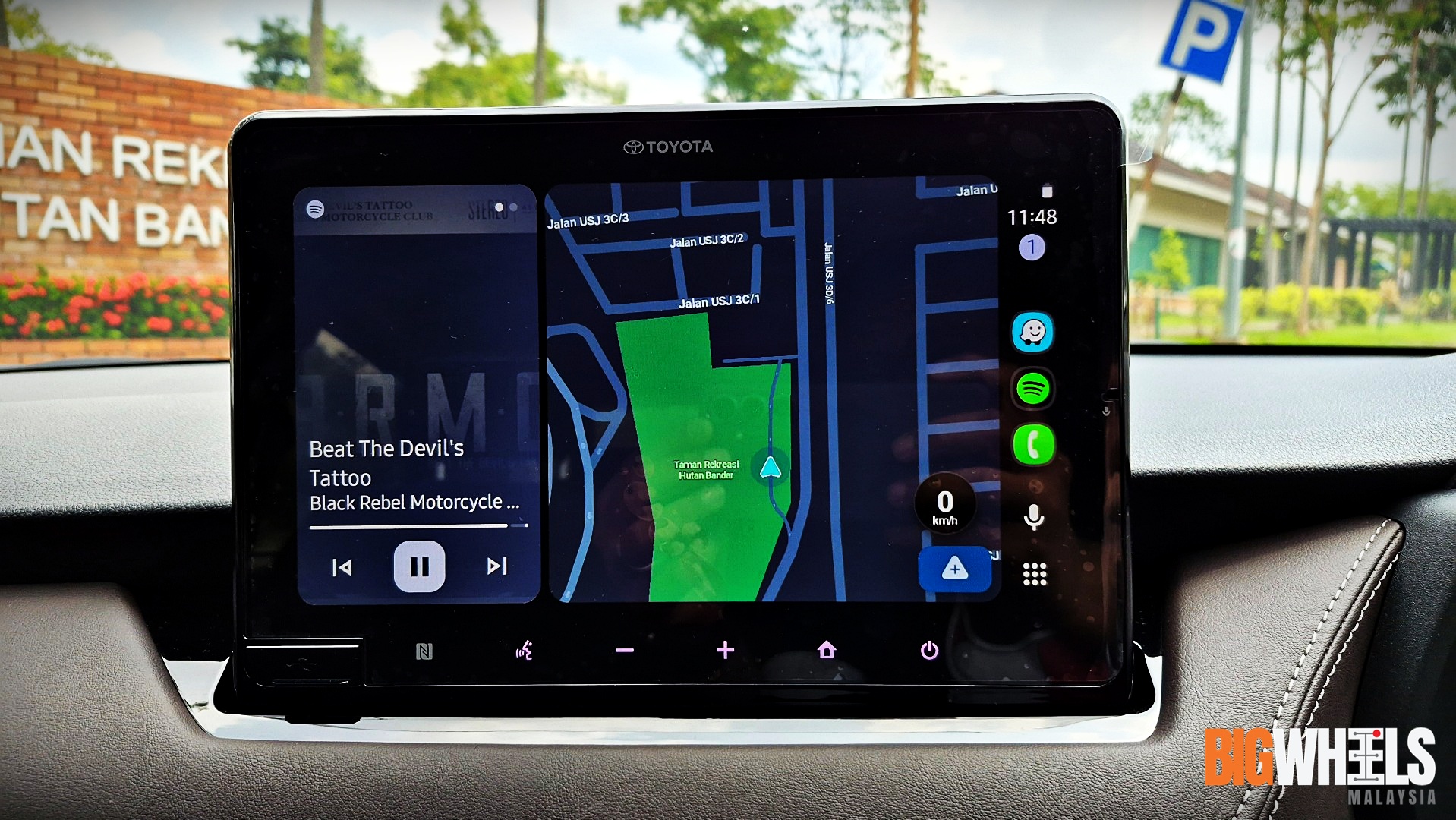
The Vios HEV also doesn’t feel like a car that has been stripped down simply because it sits in the B-segment. Toyota has equipped it with the sort of safety and driver-assistance technology buyers increasingly expect from a modern car.
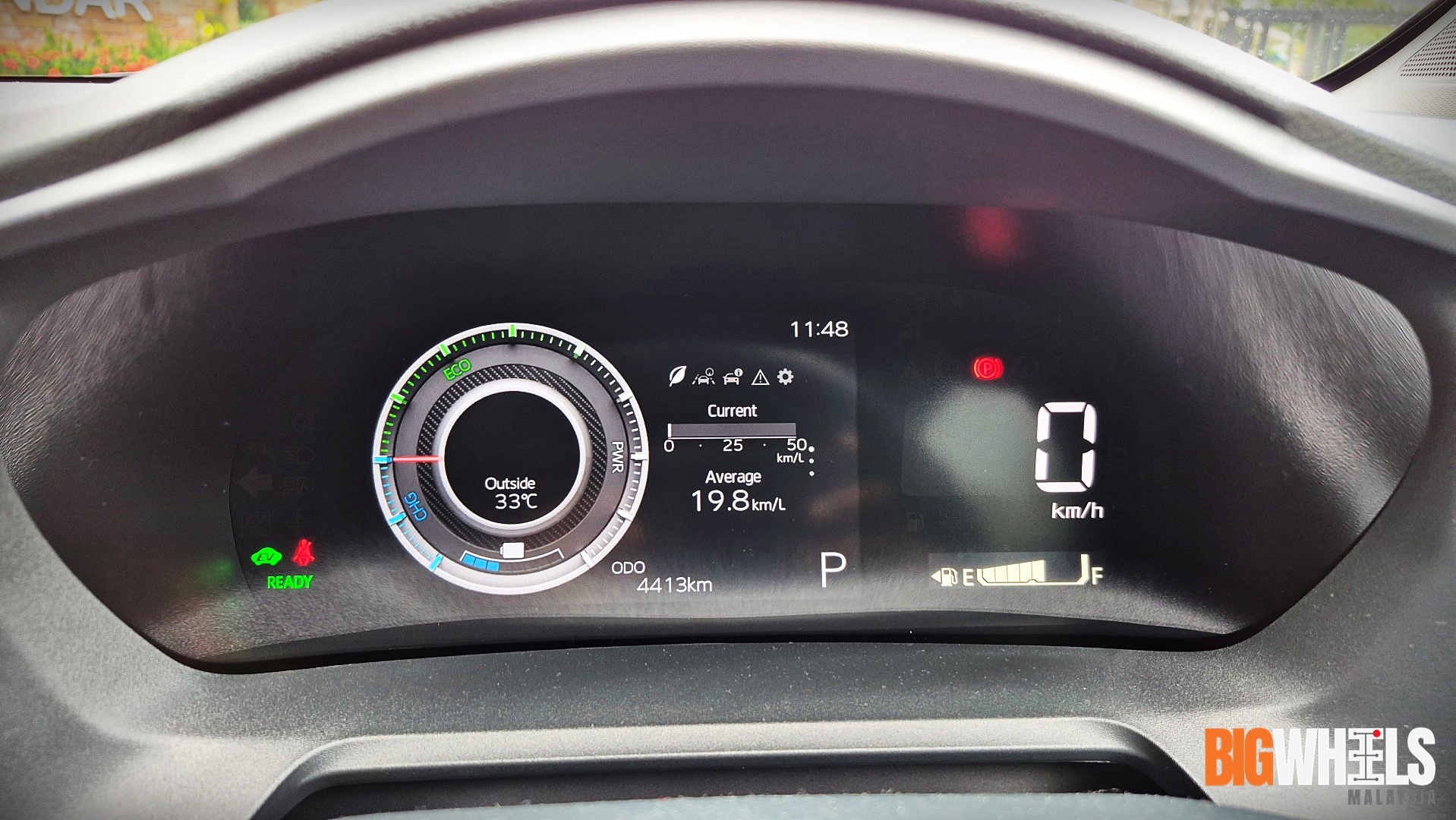
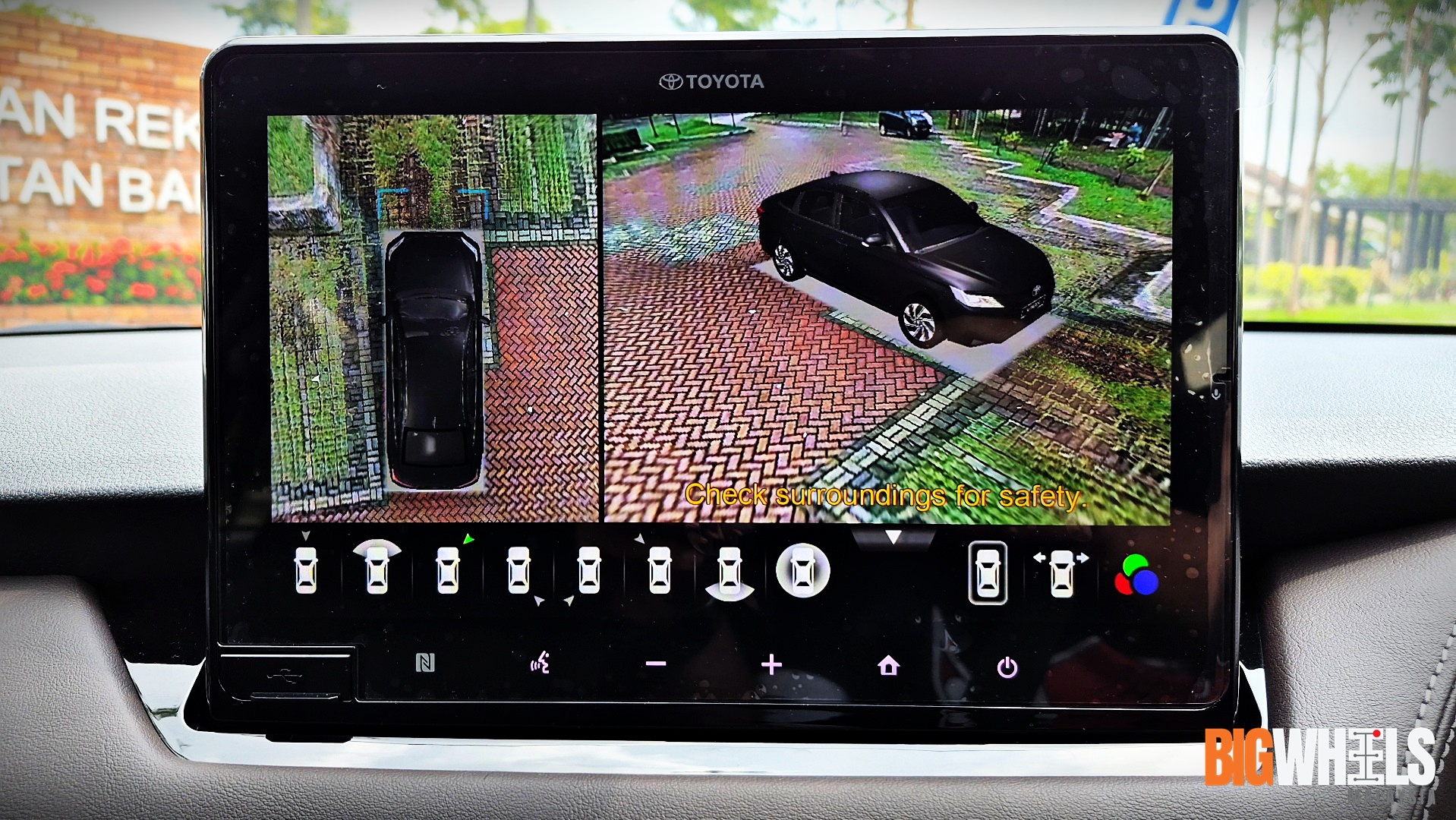
Toyota Safety Sense is part of the package, along with features such as the Pre-Collision System, Lane Departure Alert, Blind Spot Monitor and Rear Cross Traffic Alert. There is also a 3D Panoramic View Monitor, which is particularly useful when manoeuvring in tight spaces.
The result is a car that feels properly modern rather than simply being a small sedan with a hybrid powertrain. Most importantly, all this technology doesn’t get in the way of the driving experience.
There is one obvious compromise
The Vios HEV isn’t perfect. The biggest issue for me is rear headroom. The roofline is relatively low, and that means taller passengers sitting in the rear will find headroom rather limited.
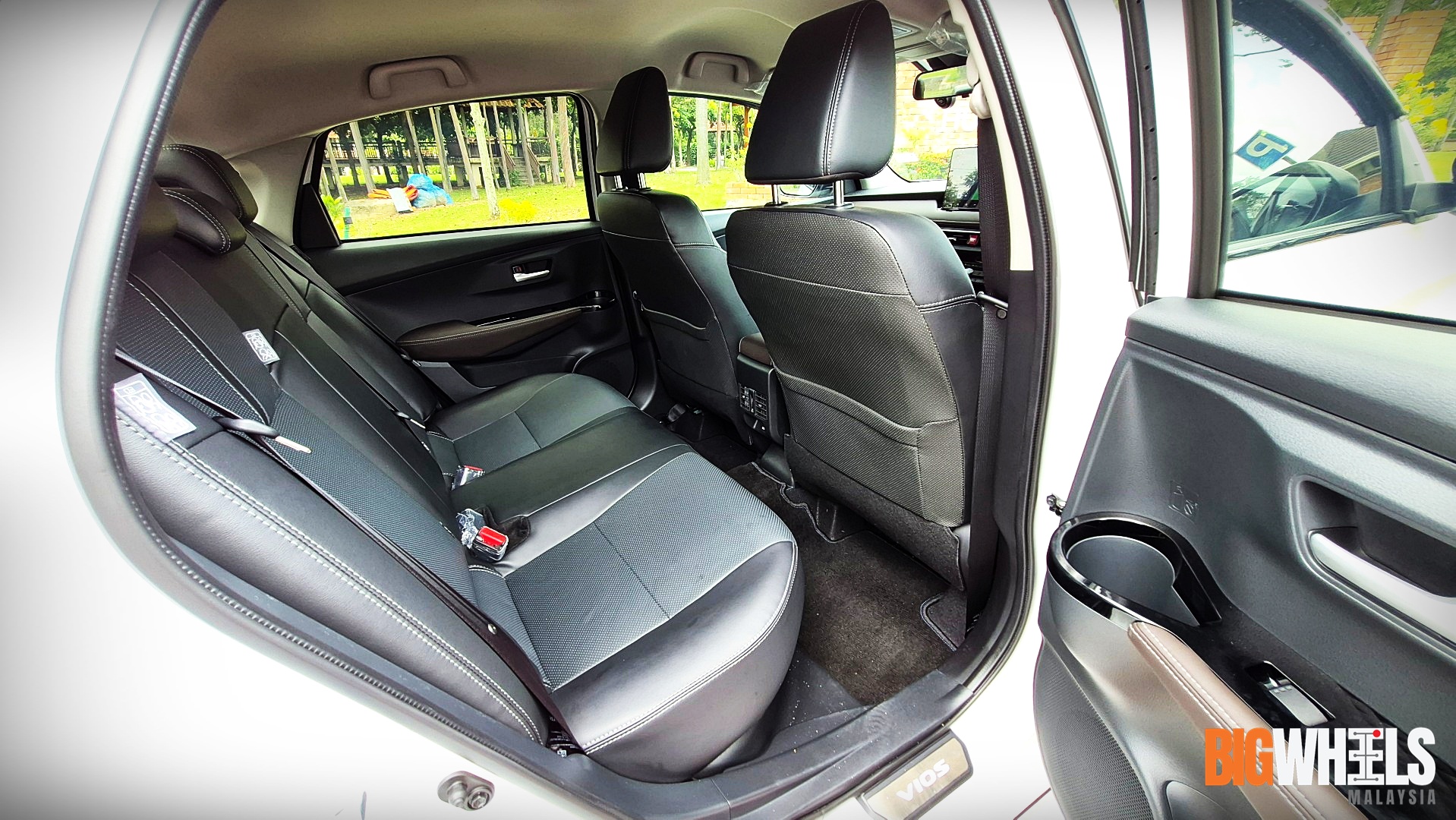
Legroom is acceptable for the class, but if you regularly carry four tall adults, the Vios isn’t going to feel particularly generous in the back. It is the one area where the car reminds you that, despite how mature it feels from behind the wheel, this is still fundamentally a compact B-segment sedan.
So, should you buy one?
Yes — and that’s perhaps the biggest surprise of this review. The Vios HEV exceeded my expectations in almost every important area.
I expected it to be the more economical Vios. What I got was a Vios that is quieter, smoother, more responsive, more planted and considerably more enjoyable to drive than the conventional petrol version.
The fuel economy is obviously a major part of the appeal. Toyota quotes 3.6 litres/100 km under the NEDC test cycle, which is excellent on paper. But after driving it, I would argue that fuel economy is actually one of the less interesting things about this car.
The real attraction is how the hybrid system changes the character of the Vios. At RM103,900, the Vios HEV is not the cheapest Vios you can buy. But that misses the point.
For the additional money, you’re getting a powertrain that genuinely improves the driving experience rather than simply reducing your fuel bill, and if you want something a little sportier, the Vios HEV GR Sport is available from RM109,900, bringing GR Sport styling and chassis tuning into the equation.
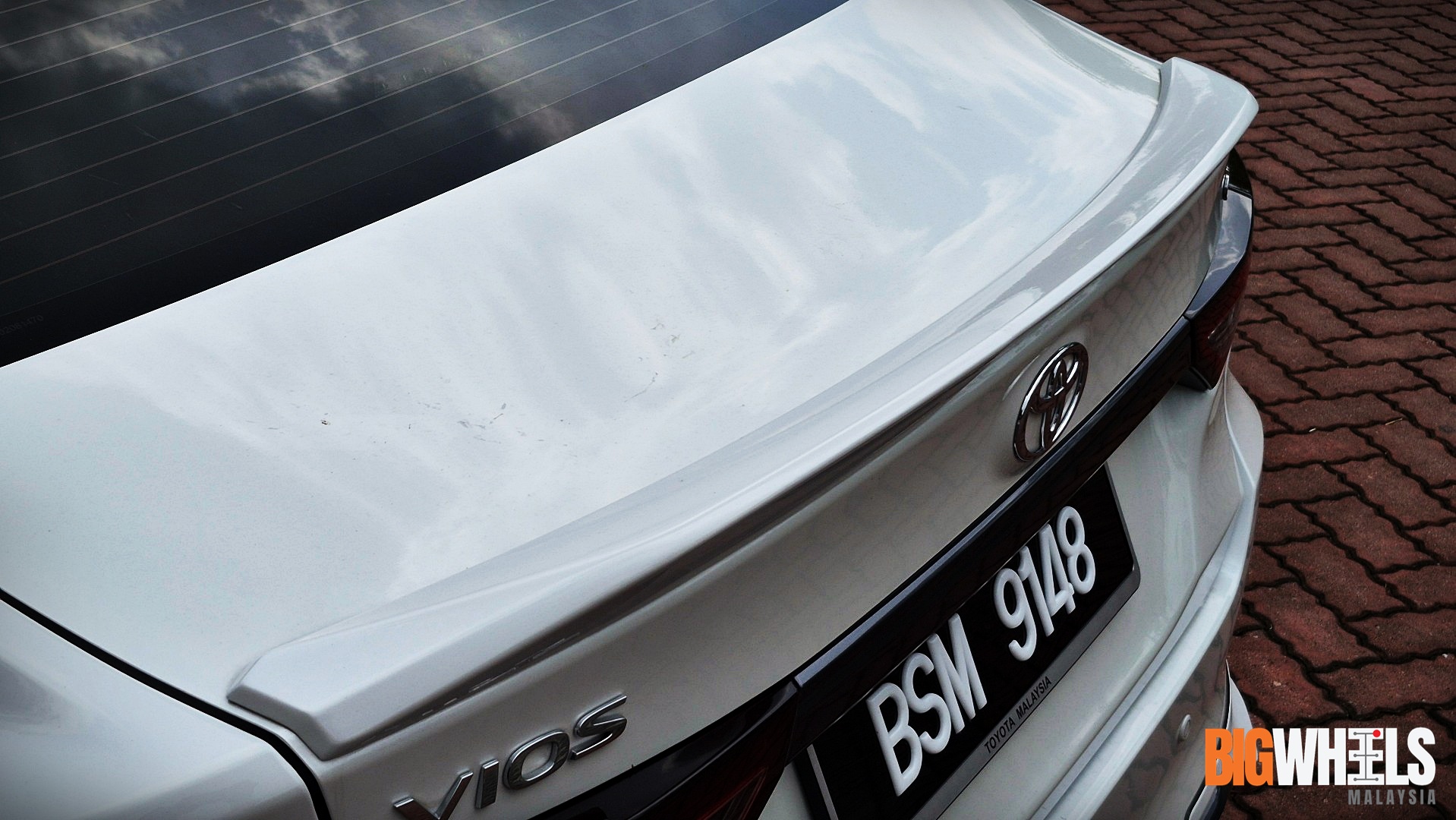
Personally, I’d save the money as the standard Vios HEV already ticks almost every box. It looks good, it is economical, it is packed with safety technology, and the chassis is genuinely impressive. The hybrid powertrain on the other hand, gives it punch when you need it and refinement when you don’t.
Most importantly, it is a car that I actually looked forward to driving, and that is perhaps the biggest compliment I can give it.
The Vios HEV isn’t just a more efficient Vios. It is a better Vios — by a surprisingly large margin.
Specifications
- Engine: 1.5-litre 4-cylinder petrol, Atkinson cycle
- Engine output: 91 PS / 121 Nm
- Electric motor: 80 PS / 141 Nm
- System output: 111 PS
- Transmission: E-CVT
- Drive: Front-wheel drive
- Battery: Lithium-ion, approximately 0.7 kWh
- Fuel consumption: 3.6 litres/100 km (NEDC)
- Platform: TNGA-based
- Price: RM103,900 OTR without insurance
- Safety: Toyota Safety Sense, Blind Spot Monitor, Rear Cross Traffic Alert, 3D Panoramic View Monitor and other driver-assistance features