
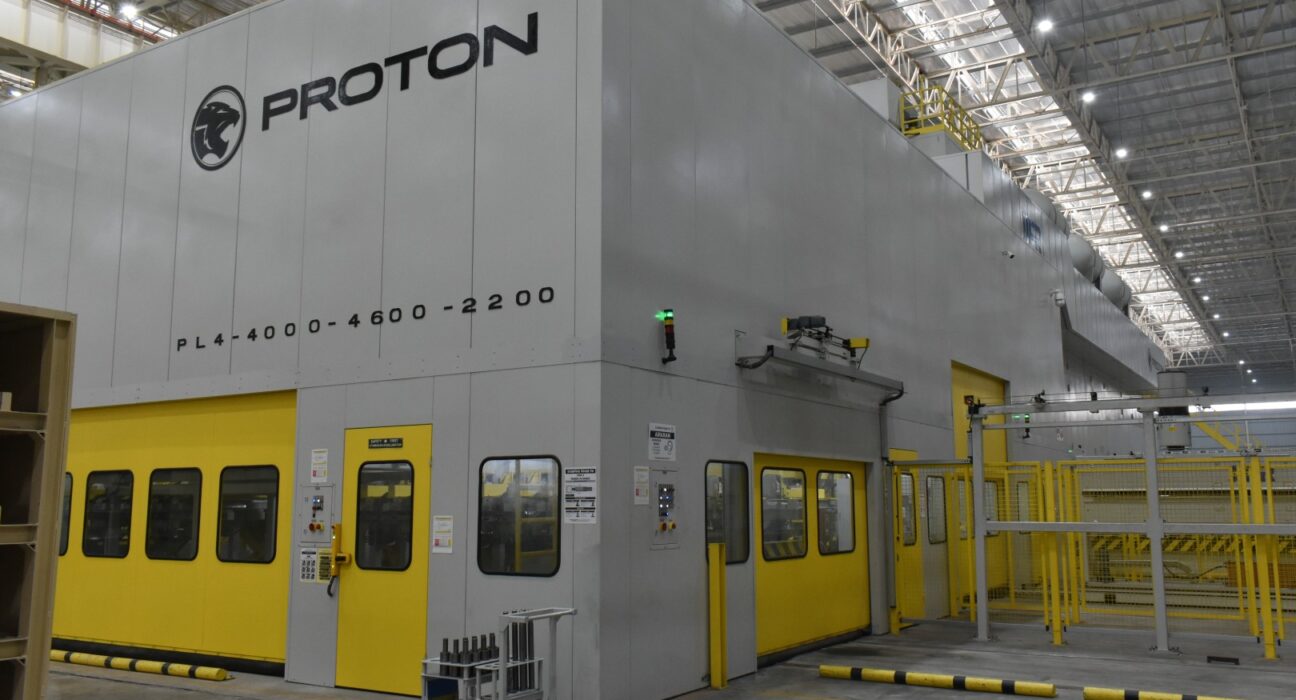
Proton is expanding its role beyond building cars for the Malaysian market, with its Tanjong Malim manufacturing complex increasingly serving as a production base for vehicles destined for overseas markets.
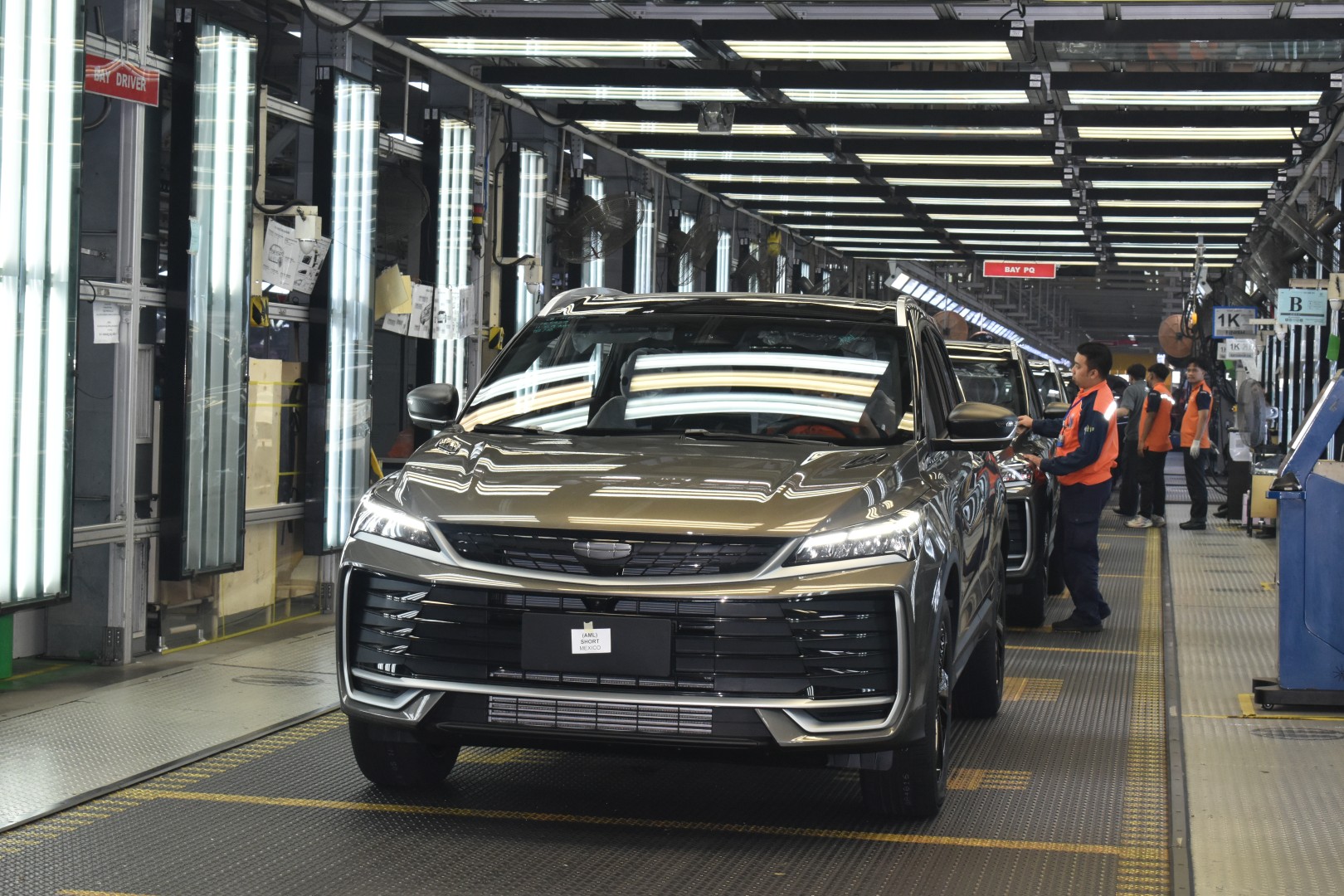
The national carmaker recorded 7,370 export units in the first nine months of 2026, comprising both Proton and Geely-branded vehicles. This surpassed the 6,000 units exported throughout 2025, with Geely models accounting for most of the increase.
The development highlights how Proton’s partnership with Geely is creating opportunities to generate greater value from Malaysia’s manufacturing infrastructure while strengthening the country’s position as a regional automotive production hub.
Rather than relying solely on demand for its own vehicles, Proton can now support additional international production programmes, improve factory utilisation and build experience in manufacturing vehicles for different markets.
Geely programmes bring more than export volume
Producing vehicles for international markets requires manufacturers to meet varying regulatory requirements, technical specifications and customer expectations. For Proton, these programmes offer opportunities to strengthen production discipline, quality assurance and coordination across engineering, manufacturing and the supply chain.
The experience gained by Malaysian employees can also be applied to Proton models, supporting improvements in process control, testing, traceability and manufacturing consistency.
Dato’ Ir. Abdul Rashid Musa, Deputy Chief Executive Officer of Proton, said the expanded role would allow the company to make better use of its investments in Tanjong Malim while raising manufacturing standards and creating opportunities for local suppliers.
The wider objective is to translate this manufacturing experience into better products, stronger competitiveness and a more established international presence for Proton.
A 250,000-unit manufacturing base
Proton’s Tanjong Malim complex integrates stamping, body assembly, painting, trim and final assembly, alongside powertrain and new energy vehicle production facilities. The consolidated complex has an annual vehicle production capacity of 250,000 units.
Its in-house capabilities, automation and digital technologies support production efficiency and quality control, while the integrated manufacturing setup allows different vehicle platforms and powertrain technologies to be accommodated within one Malaysian base.
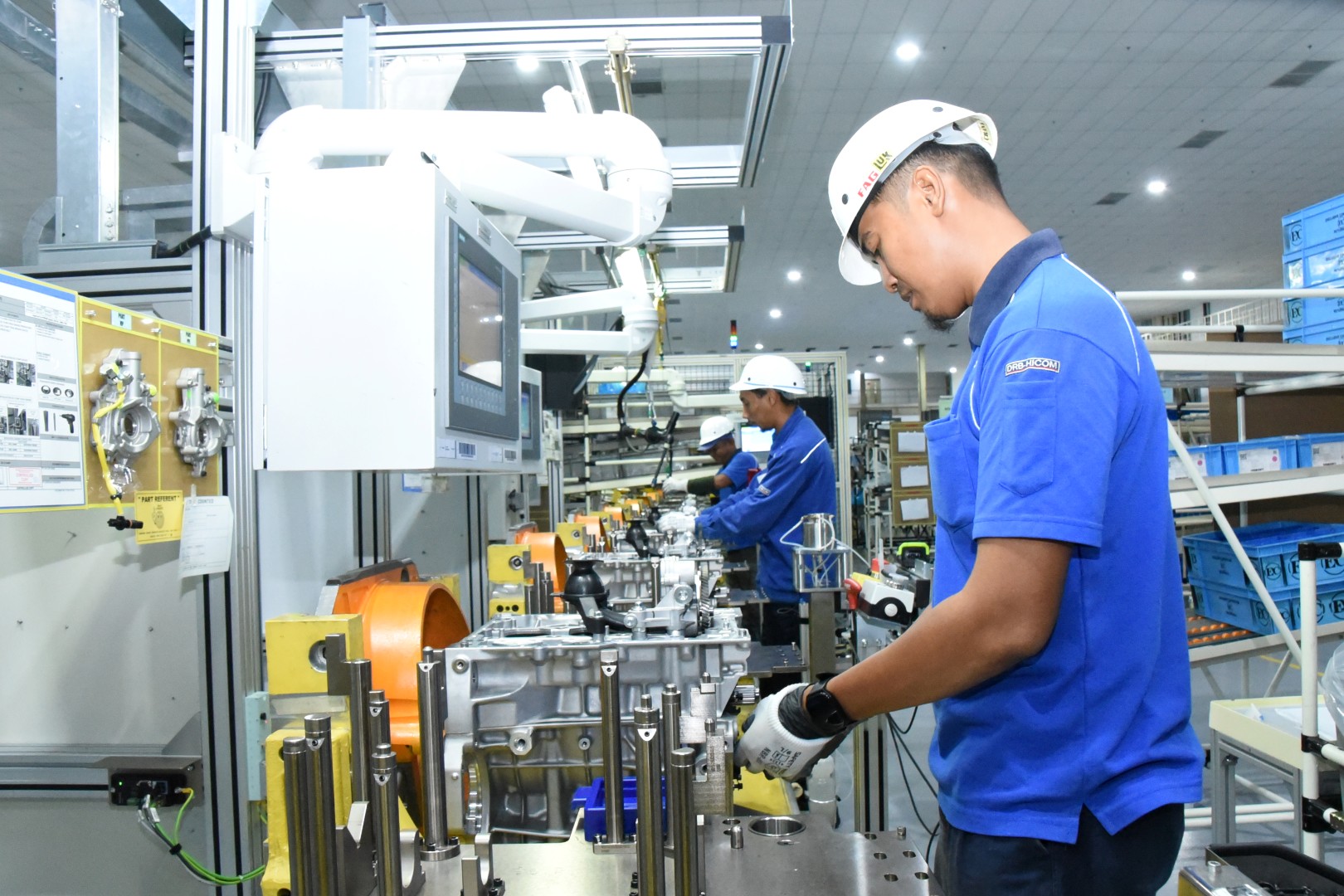
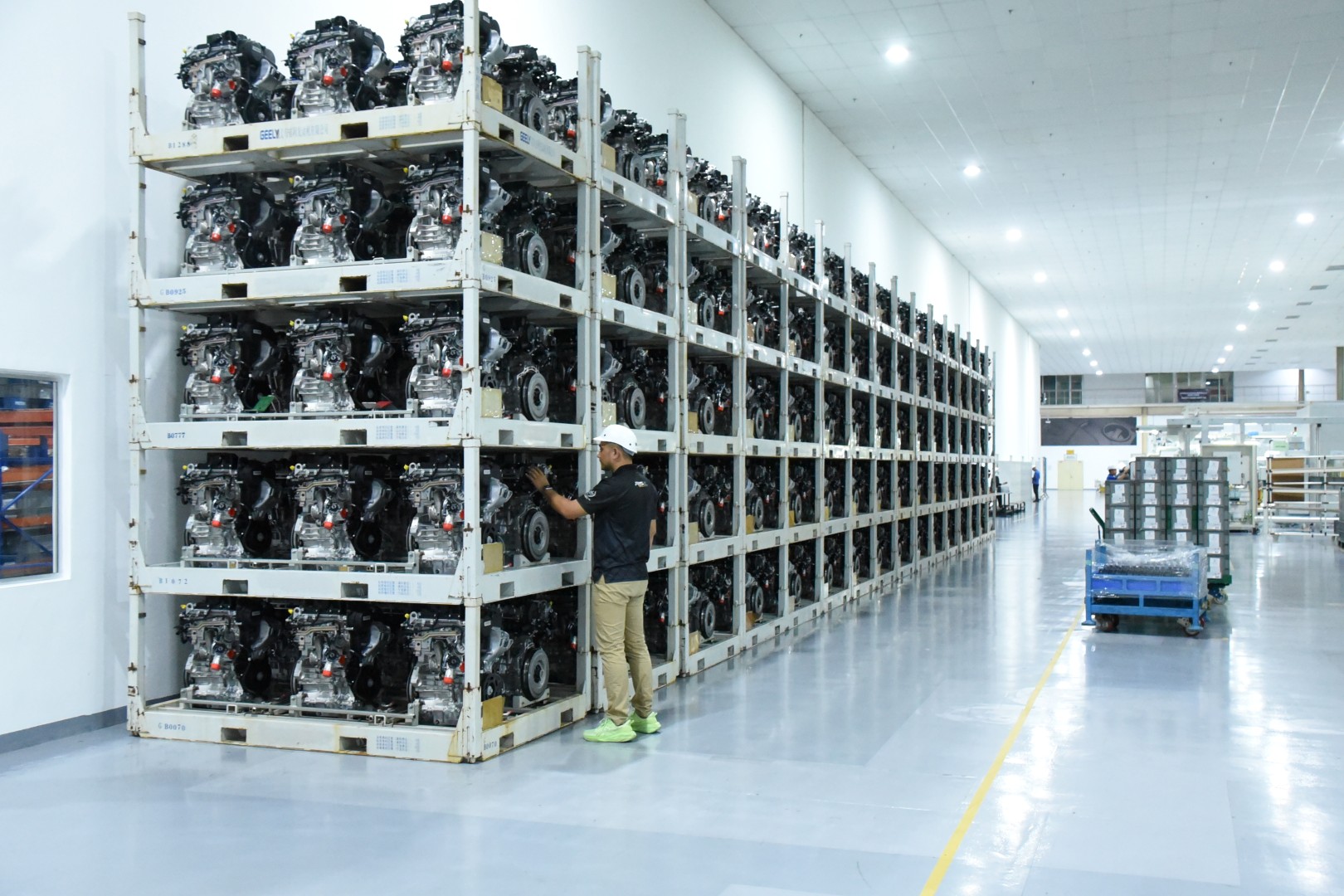
The Advanced Powertrain Hub further expands the facility’s role beyond vehicle assembly. It produces naturally aspirated and turbocharged engines, as well as components and systems supporting hybrid and electrified vehicles, including dedicated hybrid transmissions and electric drive units.
These capabilities cover technologies such as turbocharged direct injection (TGDI), port fuel injection (PFI), plug-in hybrid electric vehicles (PHEVs) and hybrid electric vehicles (HEVs). Proton’s continuously variable transmission (CVT), meanwhile, is produced by Punch at a facility within the Automotive High-Tech Valley (AHTV).
With the industry moving towards greater electrification, these operations give Proton a broader manufacturing foundation to support its evolving product range.
AHTV’s next phase of growth
Proton’s growing export business also strengthens the case for developing AHTV into a regional automotive manufacturing and technology centre.
An established anchor manufacturer with integrated production facilities, an experienced workforce and rising export volumes can help attract suppliers, technology partners and other automotive businesses to Tanjong Malim.
Proton has relocated its research and development (R&D) and engineering facilities to AHTV, bringing product development and manufacturing activities closer together. A new logistics hub has also been completed and is expected to improve plant operations once it becomes operational.
The company plans to expand its R&D activities through collaboration with the Malaysia Automotive Robotics & IoT Institute (MARii), supporting the development of both Proton and Malaysia’s wider automotive ecosystem.
More exports, wider economic benefits
The increase in export production offers benefits beyond Proton itself. Higher manufacturing volumes can improve factory utilisation and economies of scale, while overseas demand generates additional export earnings and business opportunities across component manufacturing, logistics, port operations and supporting services.
The consolidation of production at Tanjong Malim, including the transfer of approximately 1,400 manufacturing employees from Shah Alam, also brings more production activities and expertise together at the complex.
For Malaysia, the opportunity is to capture more value from its automotive manufacturing capabilities rather than depending primarily on domestic vehicle sales.
Proton’s next challenge will be to sustain export growth, maintain consistent quality across different markets and turn increased production scale into long-term competitiveness.
As Dato’ Ir. Abdul Rashid Musa noted, the value of these programmes extends beyond the number of vehicles shipped overseas. They also create export earnings, support local businesses and strengthen Proton’s contribution to Malaysia’s automotive industry.
