
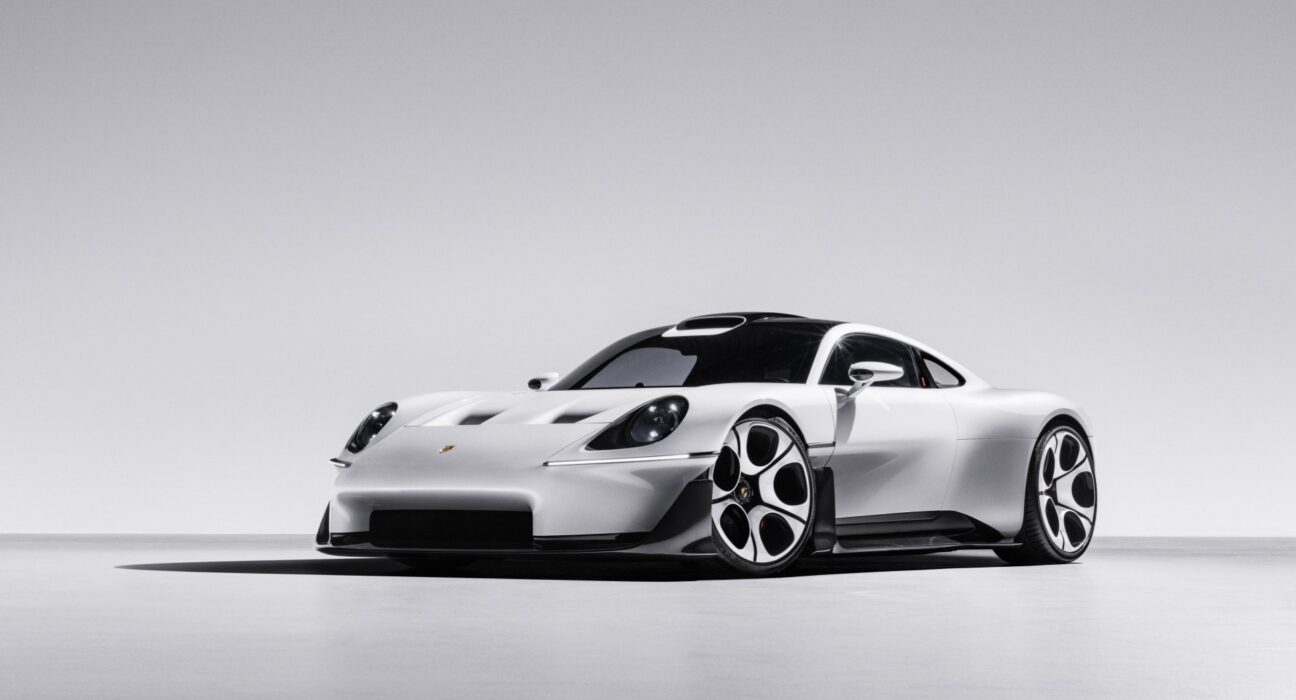
Porsche has unveiled the Mission S, a vision model that previews its future design direction and the possibility of a new mid-engined super sports car sitting above the iconic 911.
Revealed in Queens, New York, on 15 October 2026, the Mission S represents a significant shift in Porsche’s top-end strategy. Rather than limiting its most exotic sports cars to occasional, low-volume hypercar projects, the company intends to establish a permanent model line above the 911.
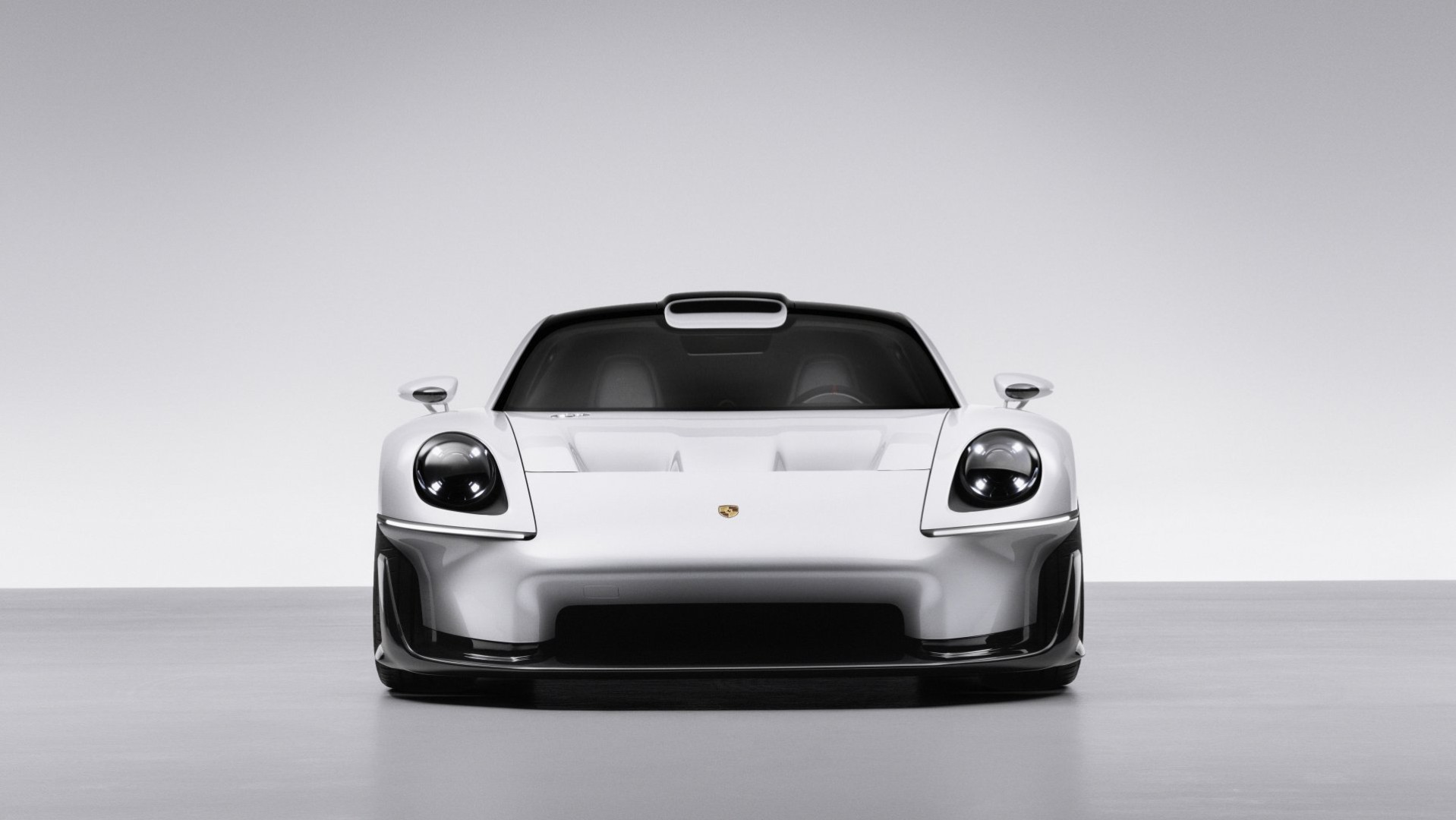
The concept forms part of Porsche’s Sportwagenschmiede ’35 realignment, which outlines the brand’s future direction. If realised, the production model would give buyers another step up the Porsche range without having to wait for a limited-run special.
Porsche has yet to disclose the Mission S’s powertrain, performance figures, pricing or production timeline.
A new supercar inspired by Porsche icons
The Mission S draws on several defining models from Porsche’s history, blending familiar design cues into a modern supercar concept.
Its flat front end takes inspiration from the Porsche GT1, while the roofline references the 959. A cooling fan recalls the racing-focused 917, and the wheel design pays tribute to the 928.
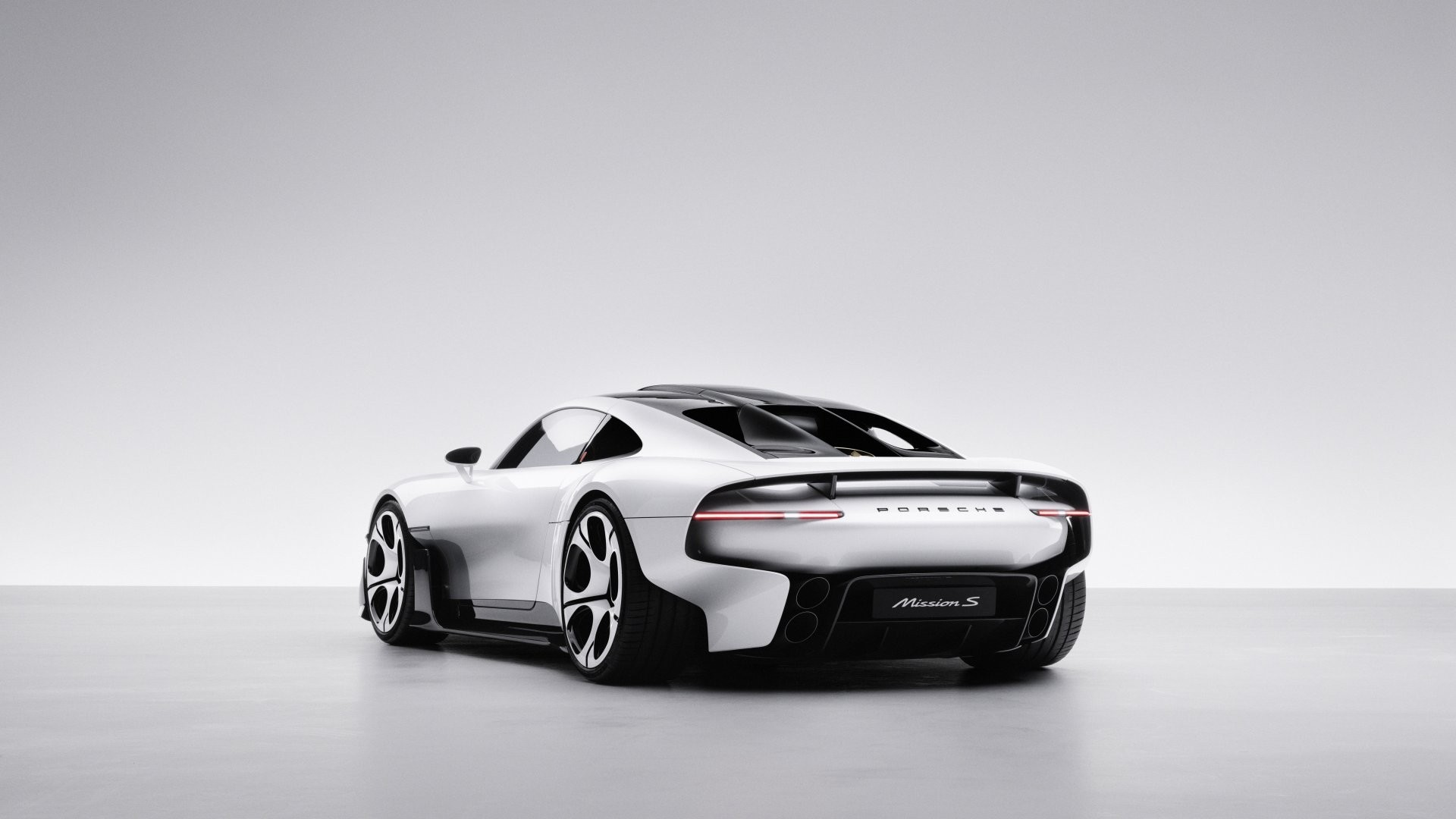
The choice of location also carries historical significance. Porsche presented the Mission S in Queens, where the same pier was photographed in 1953 with the 550 Spyder, one of the brand’s earliest super sports cars.
That connection reinforces the concept’s central idea: a new flagship sports car that draws on Porsche’s motorsport and road-car heritage rather than abandoning it in favour of an entirely new identity.
Five dials instead of a wall of screens
Inside, the Mission S takes a different approach from the increasingly screen-heavy cabins found in modern cars.
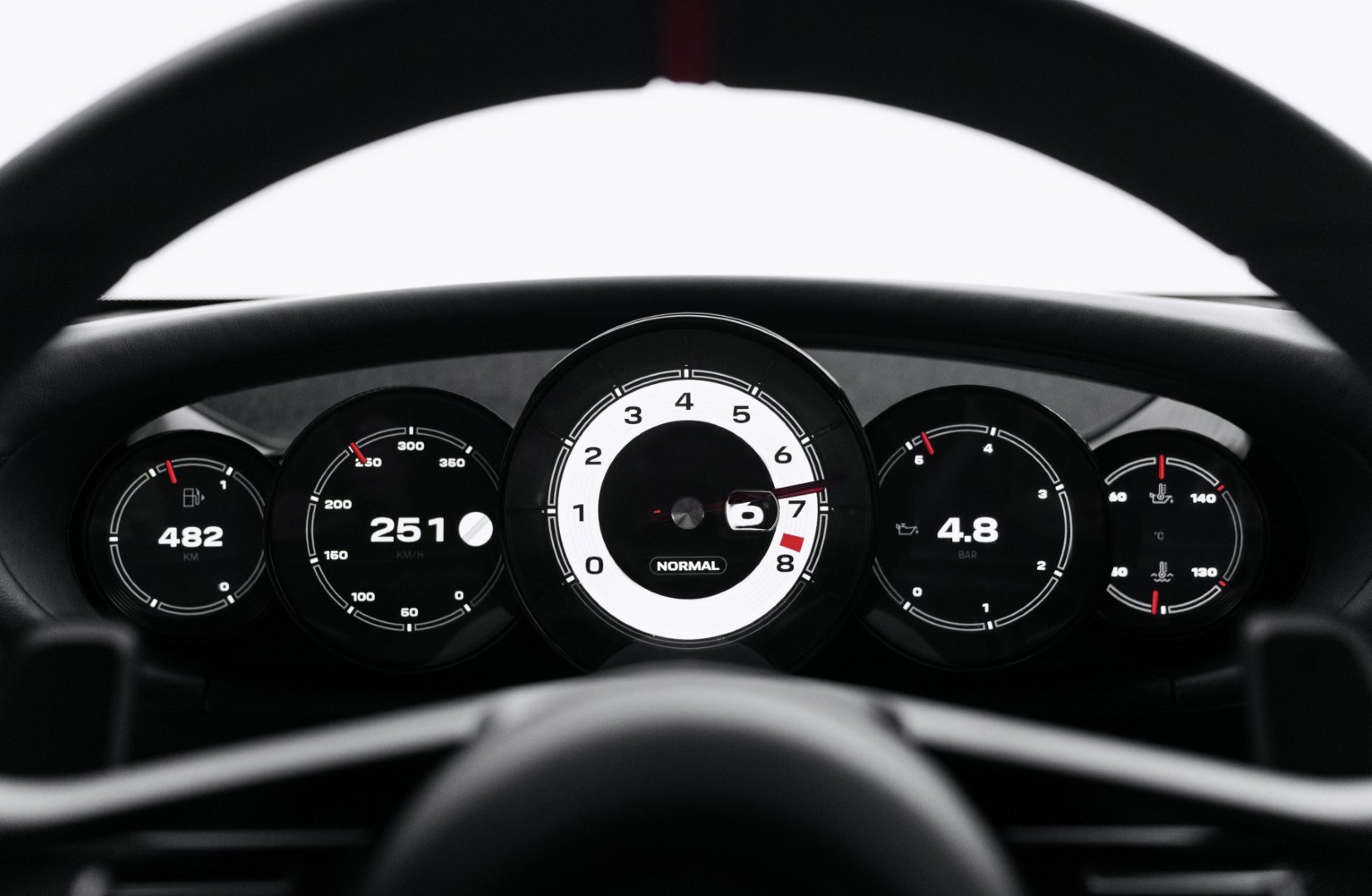
The cockpit centres on five round instruments that rearrange their displays according to the selected driving mode. There is no fixed central touchscreen or dedicated passenger display.
Instead, Porsche proposes a retractable, MagSafe-compatible smartphone mount, allowing drivers to use their own devices for navigation and other information.
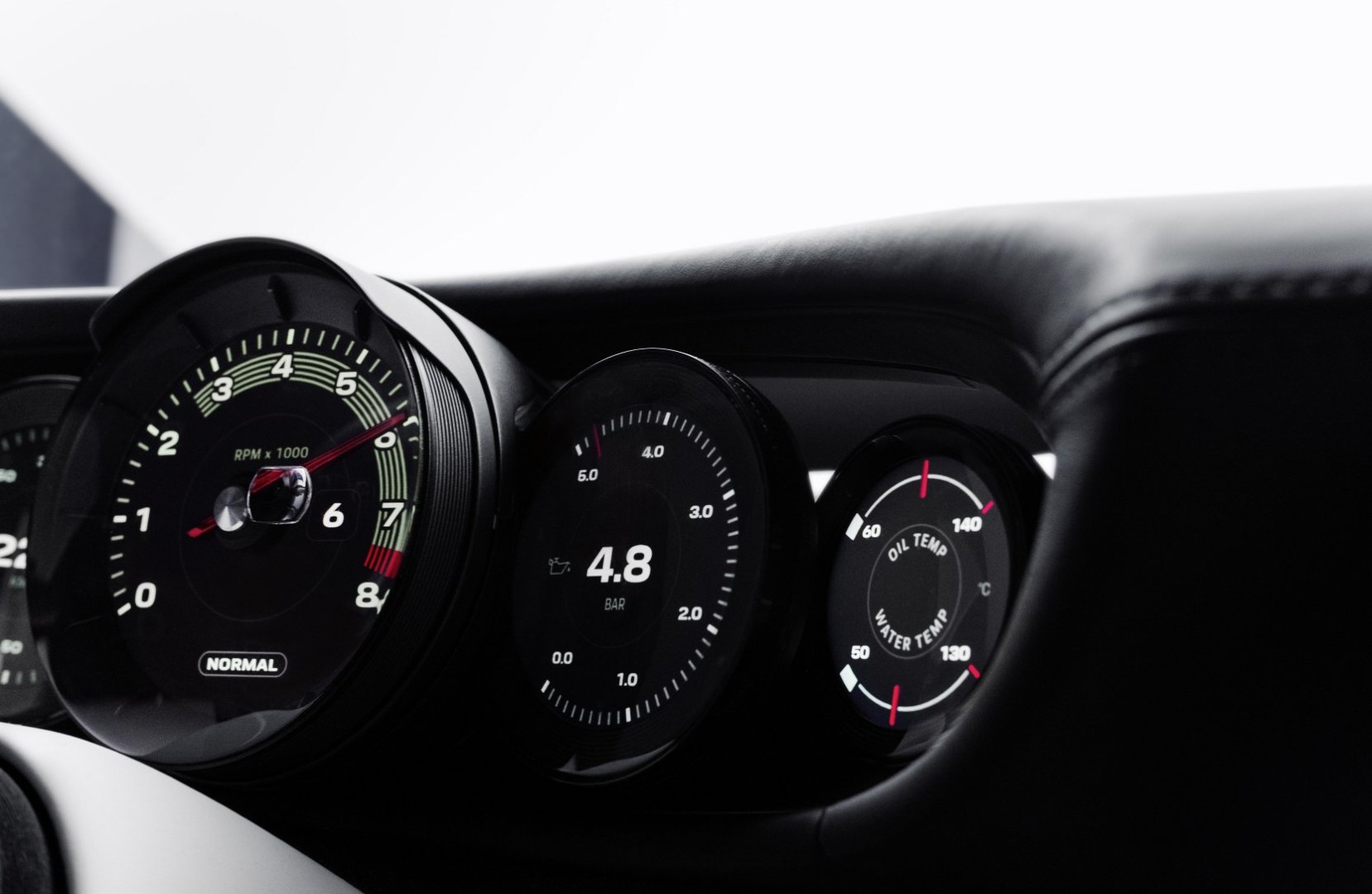
It is a notable design decision at a time when large infotainment displays have become a major selling point across the automotive industry. Porsche appears to be exploring whether a more focused, driver-oriented interface can better suit a high-performance sports car.
The approach also leaves more of the dashboard dedicated to the driving experience rather than turning the cabin into a collection of digital screens.
A new tier above the 911
The most important aspect of the Mission S is not its styling or interior, but what it represents for Porsche’s future product strategy.
The 911 remains a central part of the company’s identity, but a permanent mid-engined model above it would create a clearer distinction between Porsche’s established sports car and its more exclusive performance offerings.
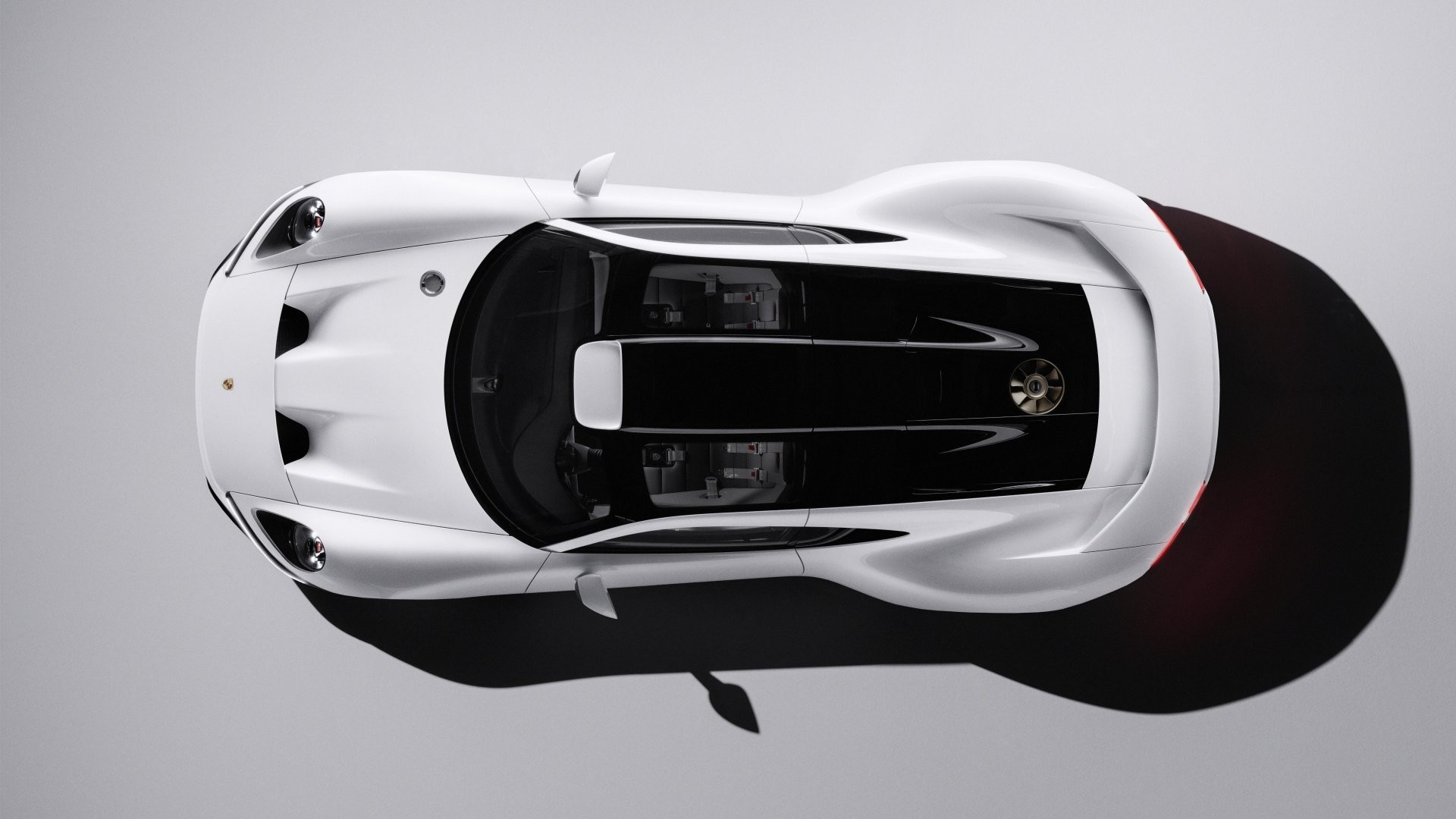
Unlike a one-off hypercar, a permanent model line could provide a more consistent route for customers seeking something more exotic than a 911, while giving Porsche greater flexibility to develop different variants over time.
However, the concept remains a preview rather than a confirmed production specification. Details such as engine configuration, electrification, output and pricing have not been announced.
Michael Leiters, Chairman of the Executive Board of Porsche AG, said the Mission S offers a glimpse of ideas that will shape the brand in the coming years.
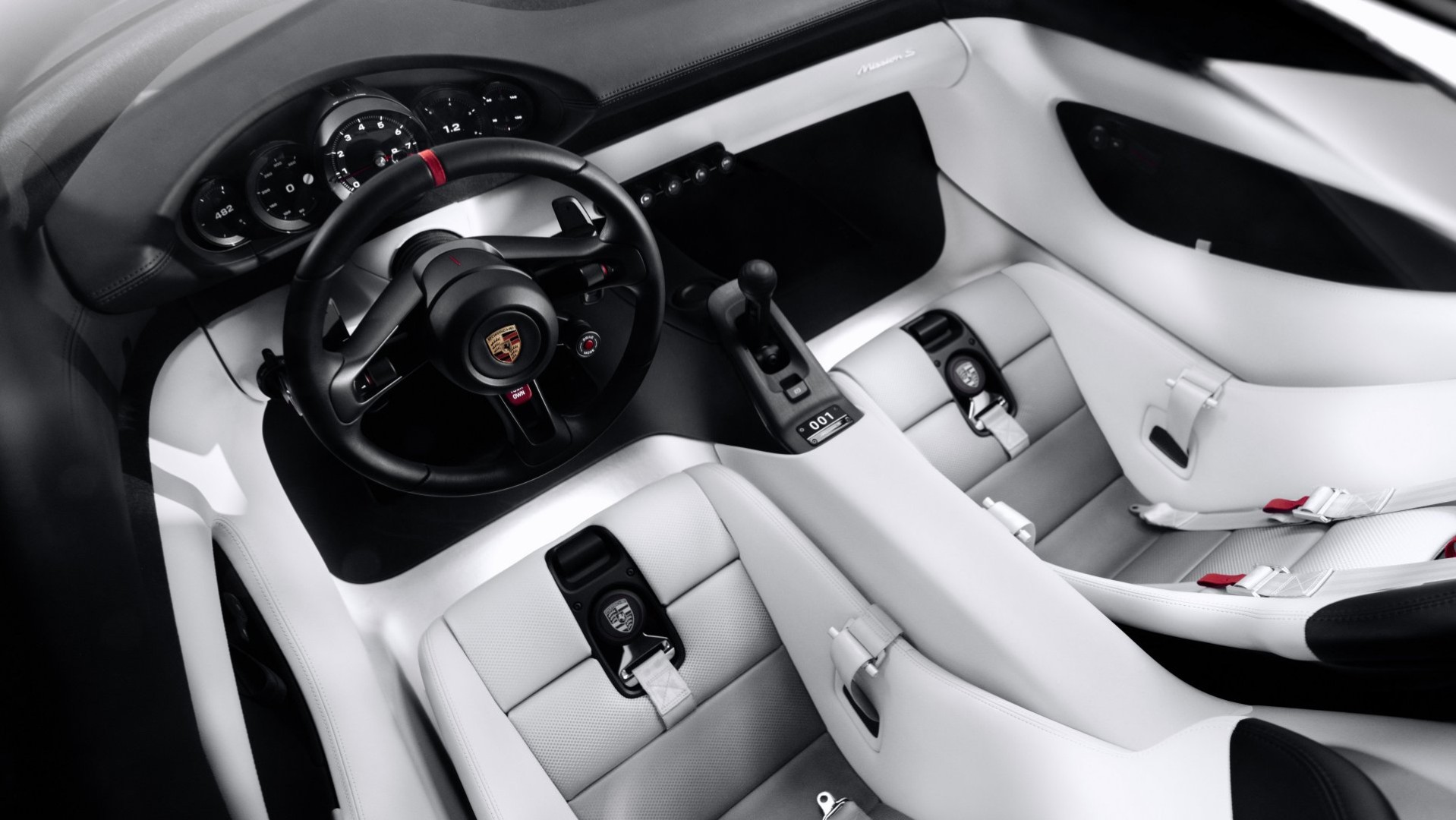
He also described it as a mid-engined super sports car platform positioned above the 911, intended to become a permanent and versatile addition to Porsche’s range rather than a single hypercar project.
For now, the Mission S provides an early indication of how Porsche could expand its uppermost model range. The key question is how much of this concept — particularly its distinctive cockpit and mid-engined architecture — will make it into a production car.
