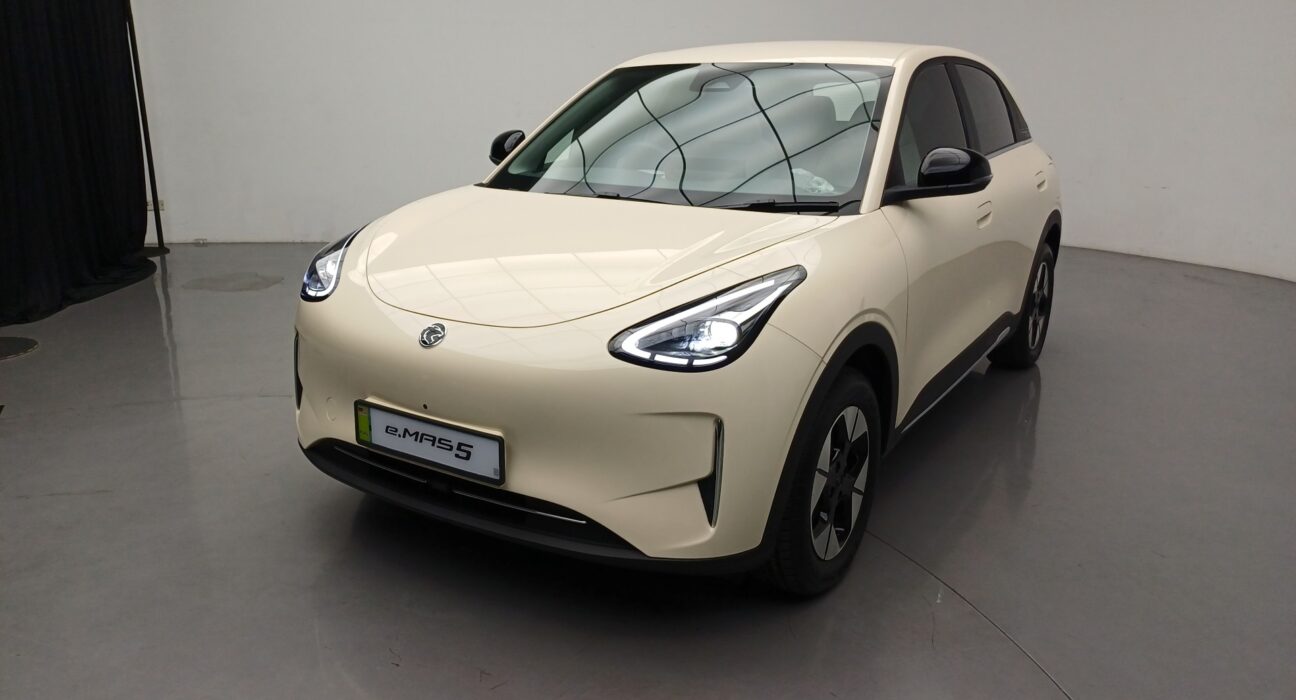
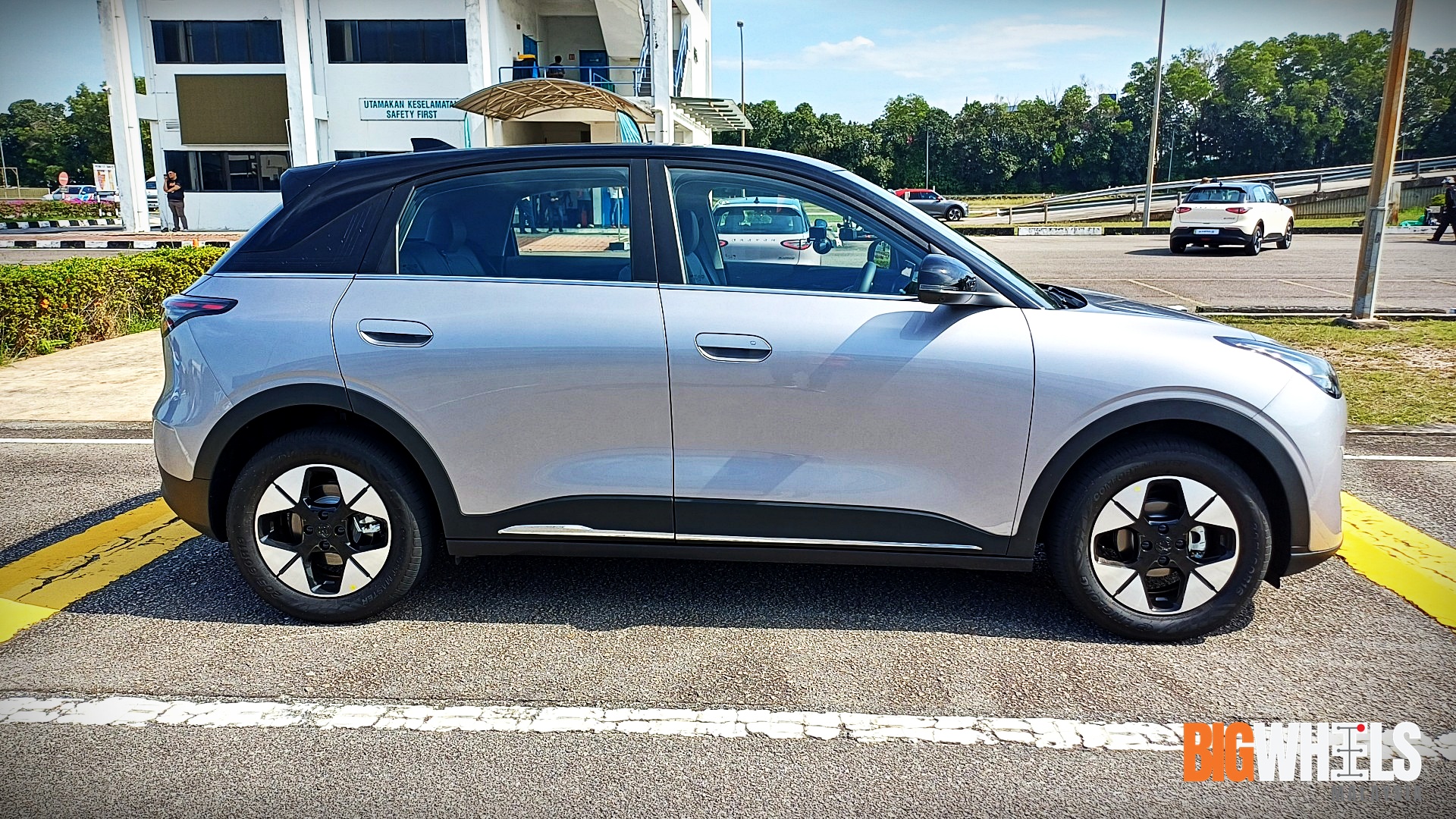
PRO-NET, the electrification arm of PROTON, has moved from early-stage EV participant to market leader, with the Proton e.MAS line-up including the e.MAS 5, now sitting at the top of Malaysia’s battery-electric vehicle segment.
The achievement is less about a single strong sales month and more about what it signals: a growing mainstream acceptance of EV ownership when the product, pricing strategy and ownership ecosystem are aligned with local expectations.
In its first complete month of customer deliveries, 3,068 units of the Proton e.MAS 5 reached owners nationwide, instantly making it the country’s best-selling EV for the period.
That performance translated into a commanding 49.2% share of the BEV market and even placed the model among the five best-selling passenger vehicles overall — a rare feat for an electric car in Malaysia, where ICE models still dominate total industry volume. The numbers point to a demand curve that is no longer confined to early adopters but is expanding into the core mass-market space.
According to PRO-NET CEO Zhang Qiang, the response reflects a combination of brand trust and a shift in consumer mindset, with more buyers viewing electrification as a realistic daily mobility solution rather than a lifestyle experiment.
In other words, the success of the e.MAS 5 is as much about perceived usability and ownership confidence as it is about the vehicle itself.
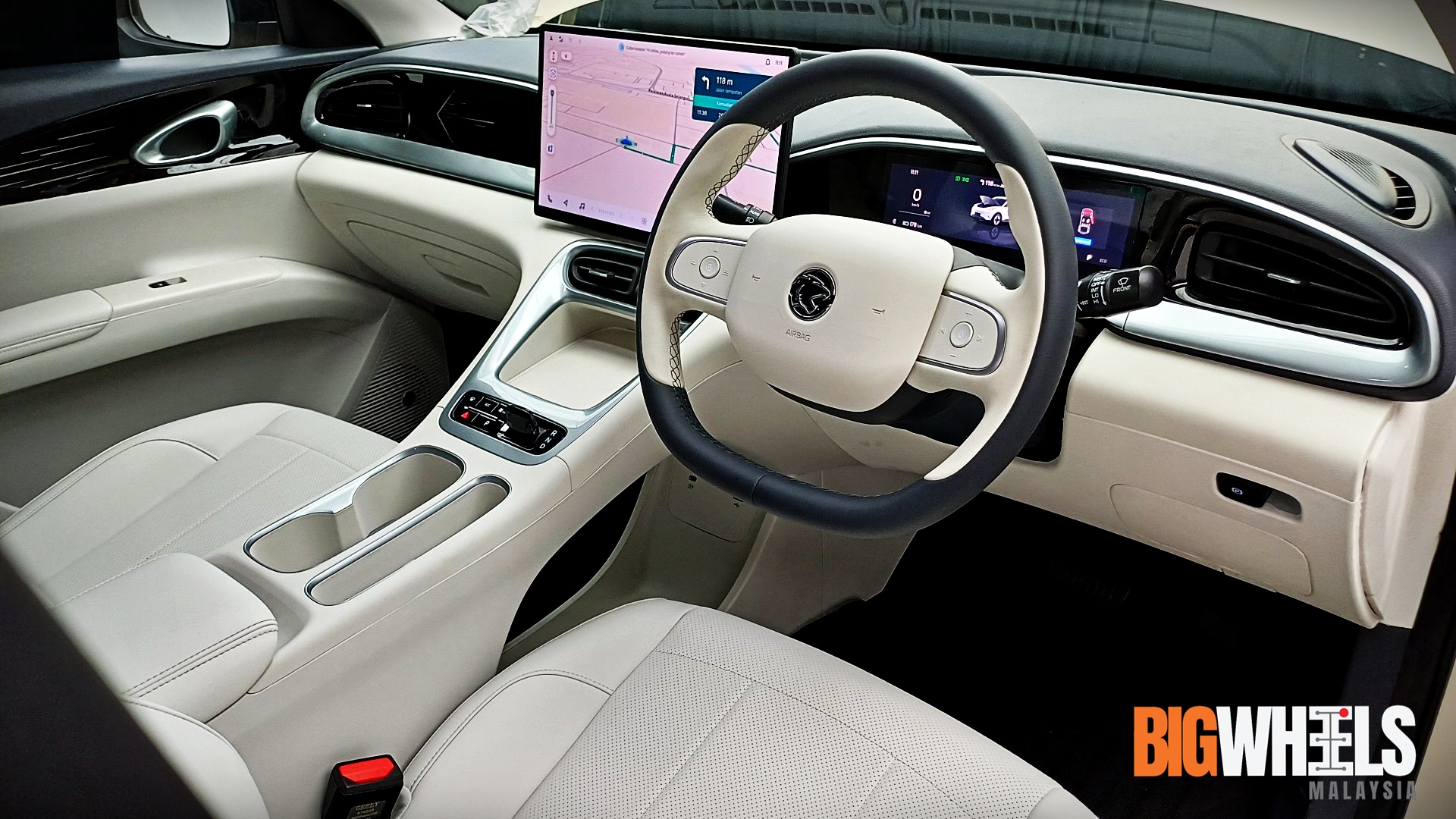
That usability factor is central to the model’s positioning. The e.MAS 5 has gained traction by focusing on the fundamentals that matter to Malaysian buyers — accessible pricing, ease of daily driving, and a technology suite that improves convenience without overwhelming first-time EV users.
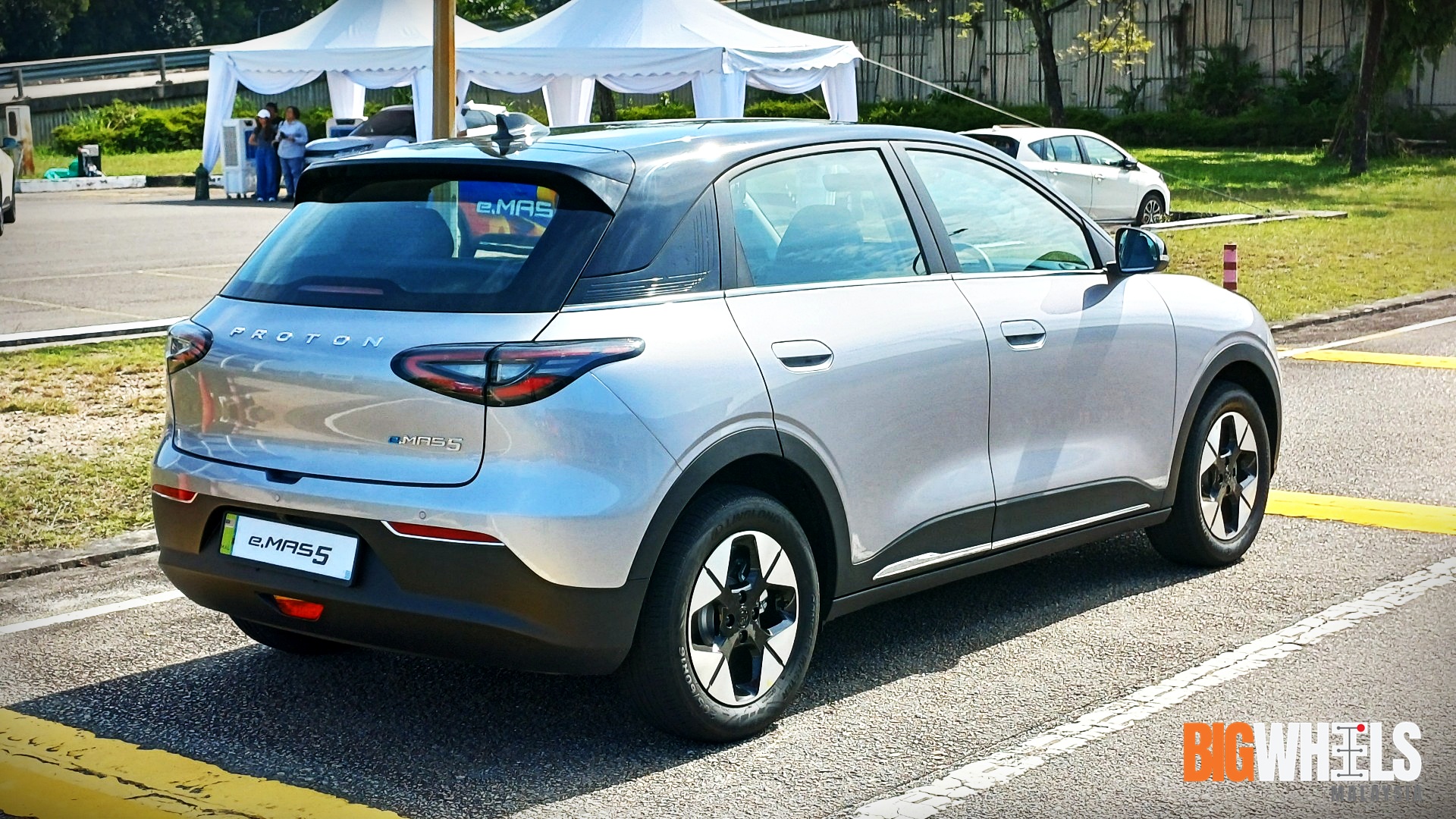
Its strongest pull is its role as a practical transition point into electrified mobility rather than a niche, premium offering. In terms of buyer preferences, Moonstone White has emerged as the most popular exterior finish, followed by Marble Cream and Quartz Rose.
The company is reinforcing this momentum with ecosystem-driven initiatives rather than relying purely on product appeal. A limited festive charging campaign running from 14 to 22 February 2026 offers a 25% reduction in charging fees via the Proton e.MAS and Hello smart apps, with access to more than 4,300 charge points nationwide. This is a strategically important move, as charging cost visibility and network accessibility remain two of the biggest psychological barriers for new EV adopters.
Ownership support is also being used as a demand catalyst. From 1 February to 31 March 2026, customers visiting any of the 36 authorised Proton e.MAS 3S centres can take advantage of a festive aftersales programme that includes complimentary vehicle inspections, service vouchers, car washes, charging up to 80% state of charge, and seasonal giveaways. These measures are designed not just as goodwill gestures but as a way to normalise EV servicing and strengthen long-term retention.
For prospective buyers, the entry point has been deliberately lowered: both the Proton e.MAS 5 and the Proton e.MAS 7 PHEV can be booked with a RM99 commitment fee through the brand’s website or its 48-strong dealership network.

Taken in totality, this milestone marks a structural shift in the local EV landscape. Instead of EV adoption being driven primarily by tax incentives or premium imports, a national brand is now generating volume through a localisation strategy — combining competitive pricing, a growing retail footprint, integrated charging access and visible aftersales support. That formula is what has allowed the Proton e.MAS brand to move beyond symbolic electrification and into genuine market leadership.