
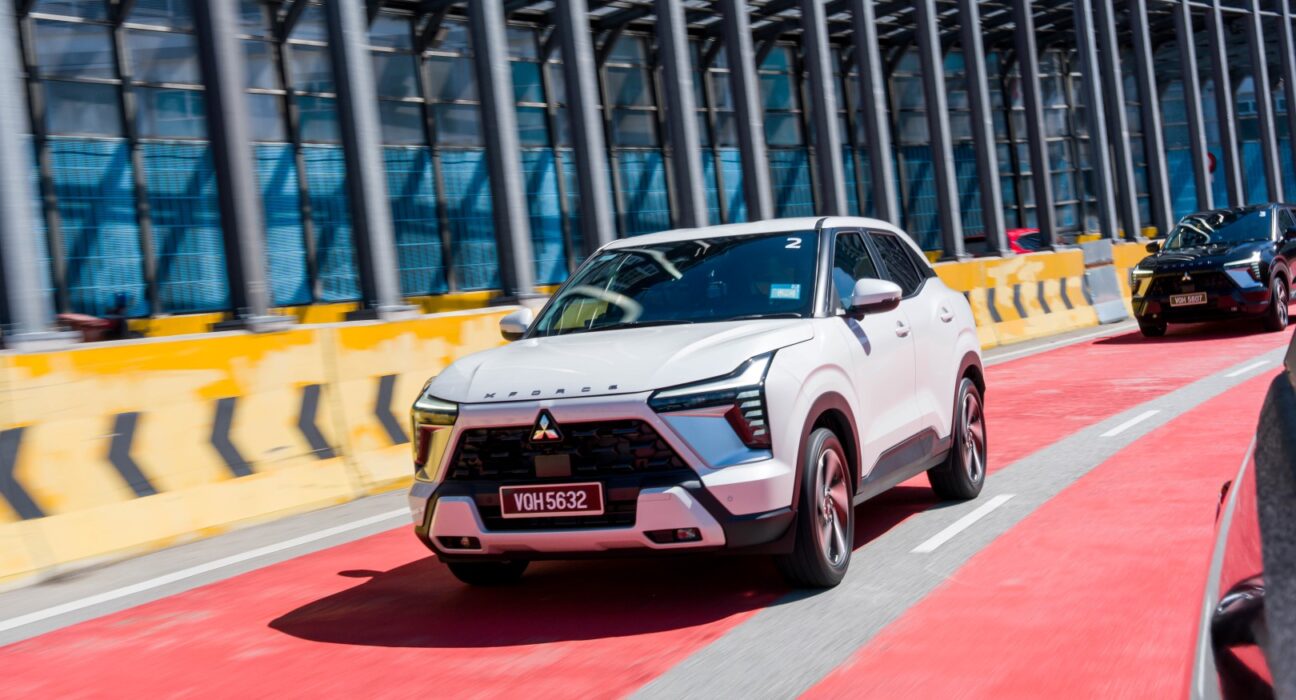
Typically, ask a Malaysian why they bought Mitsubishi or a Japanese car, and you will hear familiar answers.
“Reliable.”
“Senang jaga.”
“Tahan lama.”
Or perhaps the most Malaysian answer of all: “Dah pakai lama, tak ada masalah.”
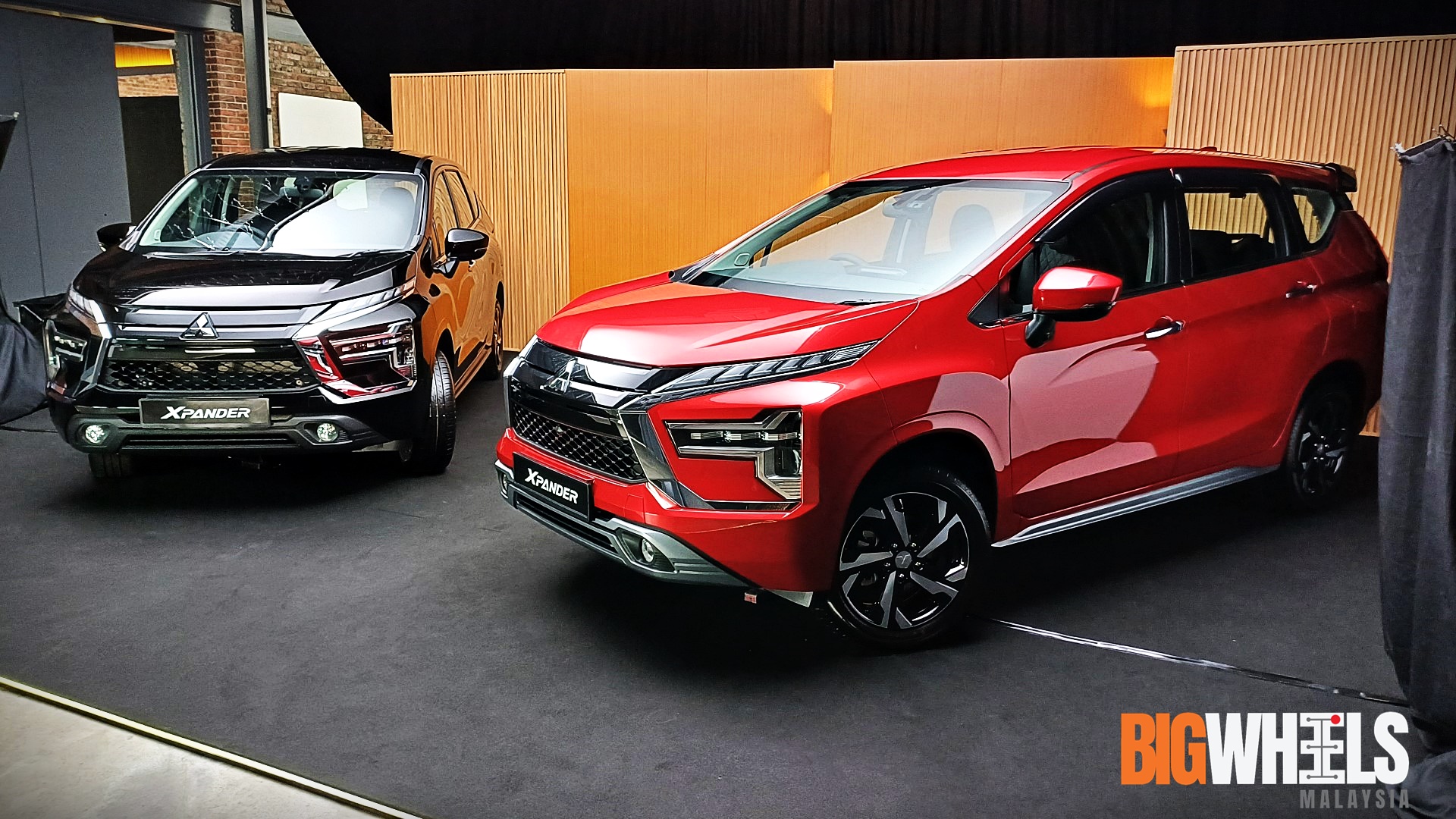
Indeed, there is a reason these phrases have become almost synonymous with mitsubishi.
For generations, Japanese automakers have built a reputation in Malaysia around durable, reliable engineering.
They emphasize things that matter long after purchase: durability, reliability, sensible engineering, and confidence the car will do its job.
In Malaysia, this reputation remains evident in how cars keep performing over time.
But the automotive world has changed. There are more brands to choose from than ever before, technology is moving quickly and buyers are increasingly looking for cars that are not only dependable, but also stylish, comfortable, enjoyable to drive and packed with useful features.
So, does being a Japanese brand still matter?
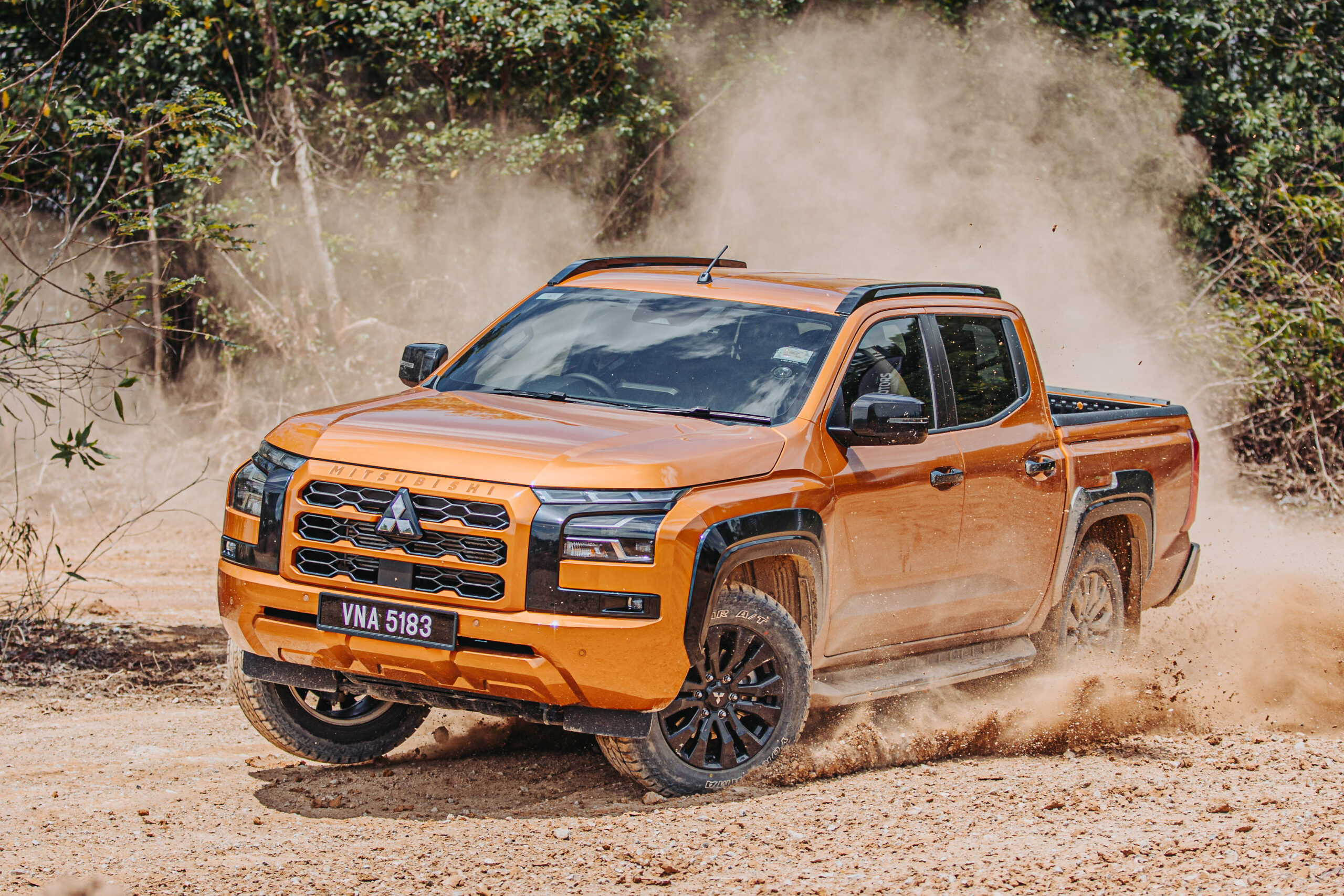
For Mitsubishi Motors, the answer is yes — but perhaps not for the reason you might expect. It is less about putting a Japanese badge on the bonnet and more about carrying forward a particular way of engineering cars, and Mitsubishi’s history gives us a pretty good idea of what that means.
You don’t build trust overnight
Mitsubishi did not become associated with tough vehicles simply because someone decided that “tough” sounded like a good marketing word. The brand has spent decades testing that reputation in places where there is very little room for mistakes.
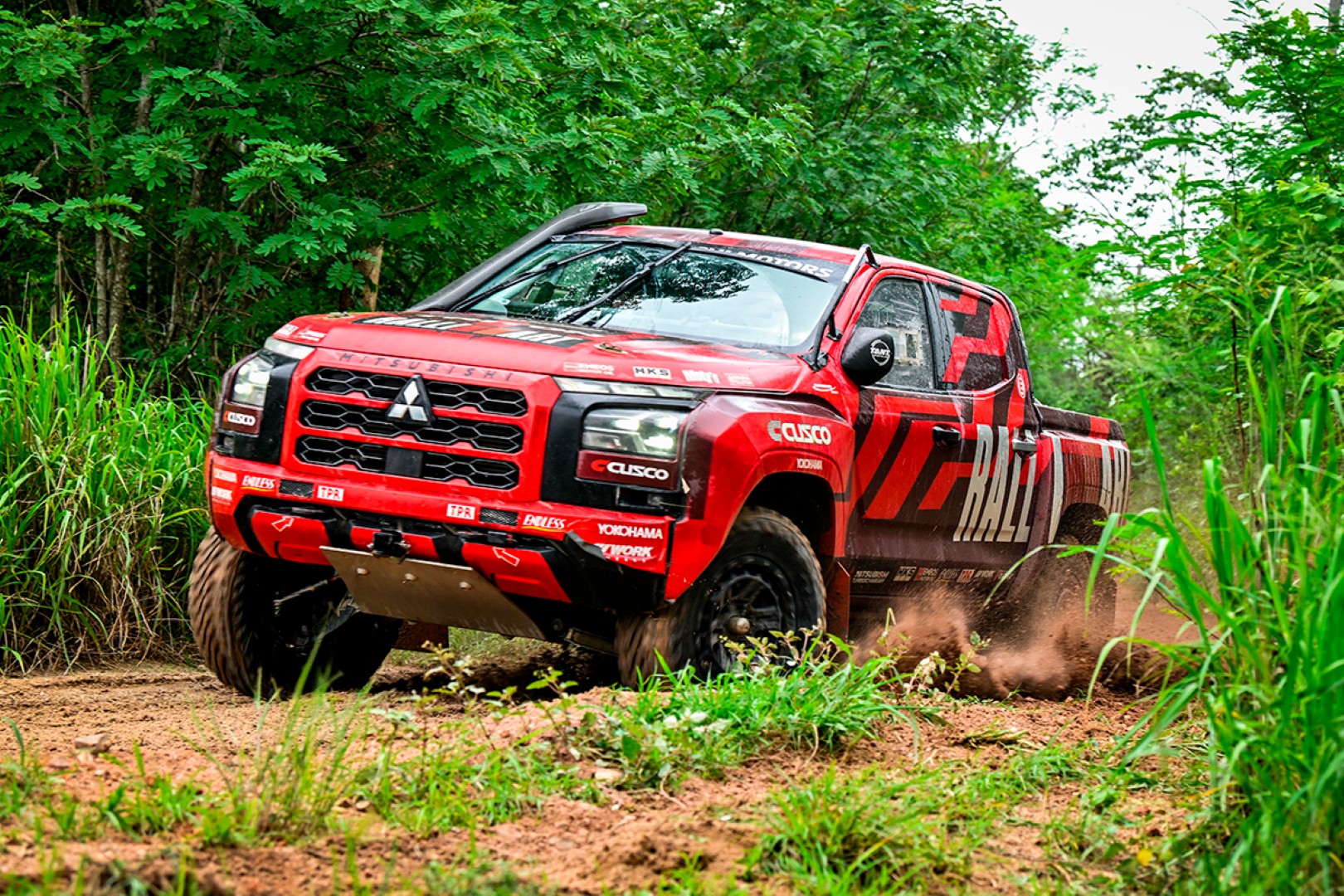
Mitsubishi entered international motorsport with the Southern Cross Rally in 1967 and went on to build a formidable reputation in rallying, including success in the World Rally Championship and the Dakar Rally. The company has long viewed motorsport as a proving ground, using lessons from demanding competition to improve its production vehicles.
That connection is important. A rally car does not get to complain about a bad road. It does not get to avoid the rain, gravel, mud, snow or whatever else happens to be waiting around the next corner and that is precisely why motorsport can be such a useful engineering laboratory.

Mitsubishi’s philosophy has been to take those lessons and bring them back to cars that ordinary people actually drive. In other words, the idea was never simply “win races.”
It was “learn from the races and build better cars.” From rally stages to Malaysian roads. You can see that thinking in some of the Mitsubishi models that Malaysians have come to know.
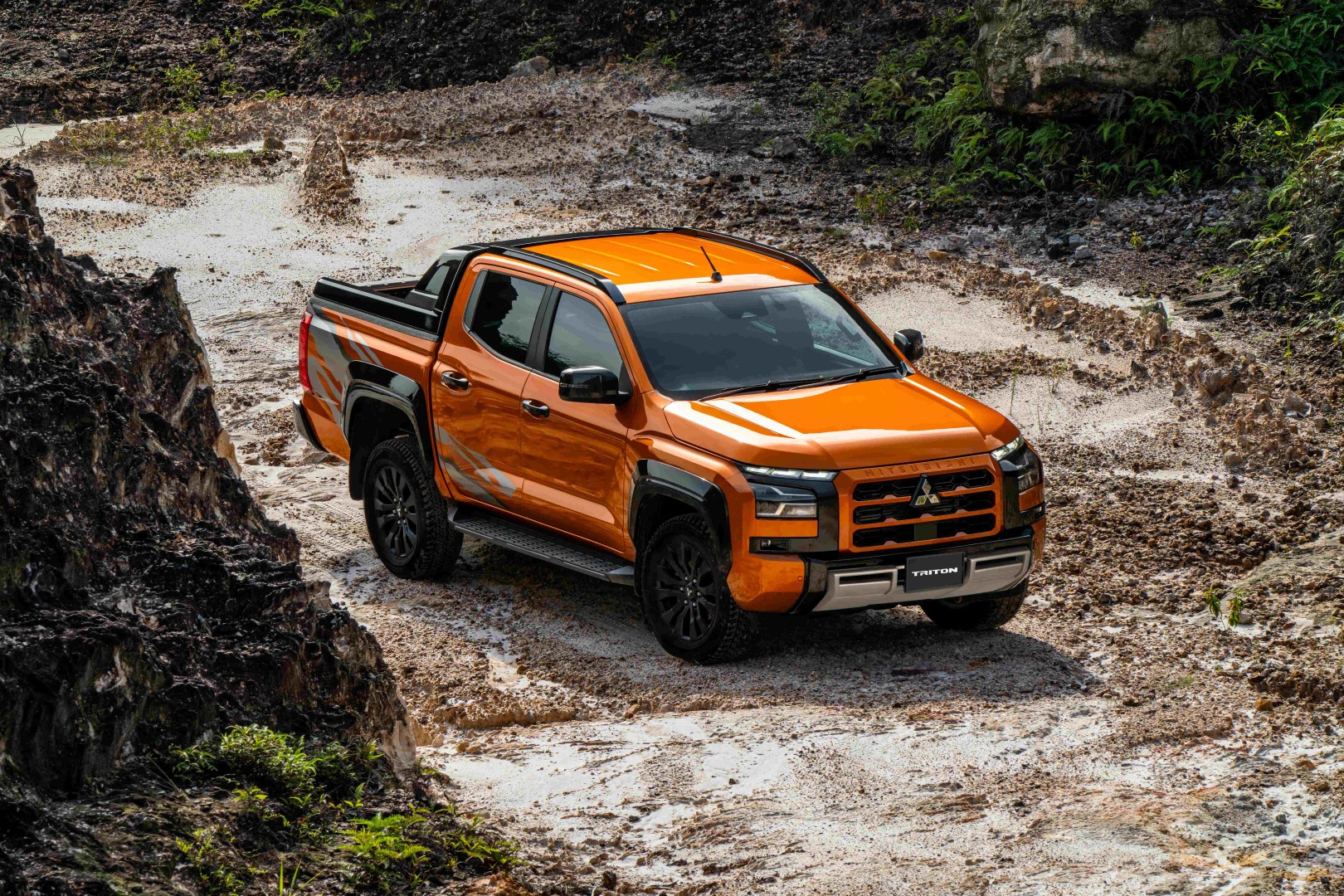
The Triton, for example, has built much of its identity around being a dependable workhorse — a vehicle that can handle a tough day at work and still be ready for the journey home. That is a very different proposition from simply making a pickup look rugged.
And then there is the other side of Mitsubishi’s Malaysian story: the Xpander. Here, the same brand moves into a completely different world.
Instead of carrying tools, equipment or loads, it carries children, groceries, luggage and probably someone’s collection of snacks for a balik kampung trip. The vehicle may have a different job, but the fundamental expectation remains familiar: make it practical, dependable and easy to live with.

That is where Mitsubishi’s idea of Japanese engineering starts to become more interesting. It is not necessarily about building the most complicated car. It is about building a car that makes sense.
What does “Japanese engineering” actually mean?
This is where the phrase can become a little too easy to throw around. Japanese engineering is not some magical ingredient that automatically makes a car reliable. For Mitsubishi, it is better understood as a mindset built around things such as disciplined manufacturing, attention to detail, durability and continuous improvement.
The company’s own description of its brand places strong emphasis on safety, peace of mind, comfort, durability and driving performance. Mitsubishi also says its experience in motorsport has helped strengthen those areas and transfer know-how into production vehicles.
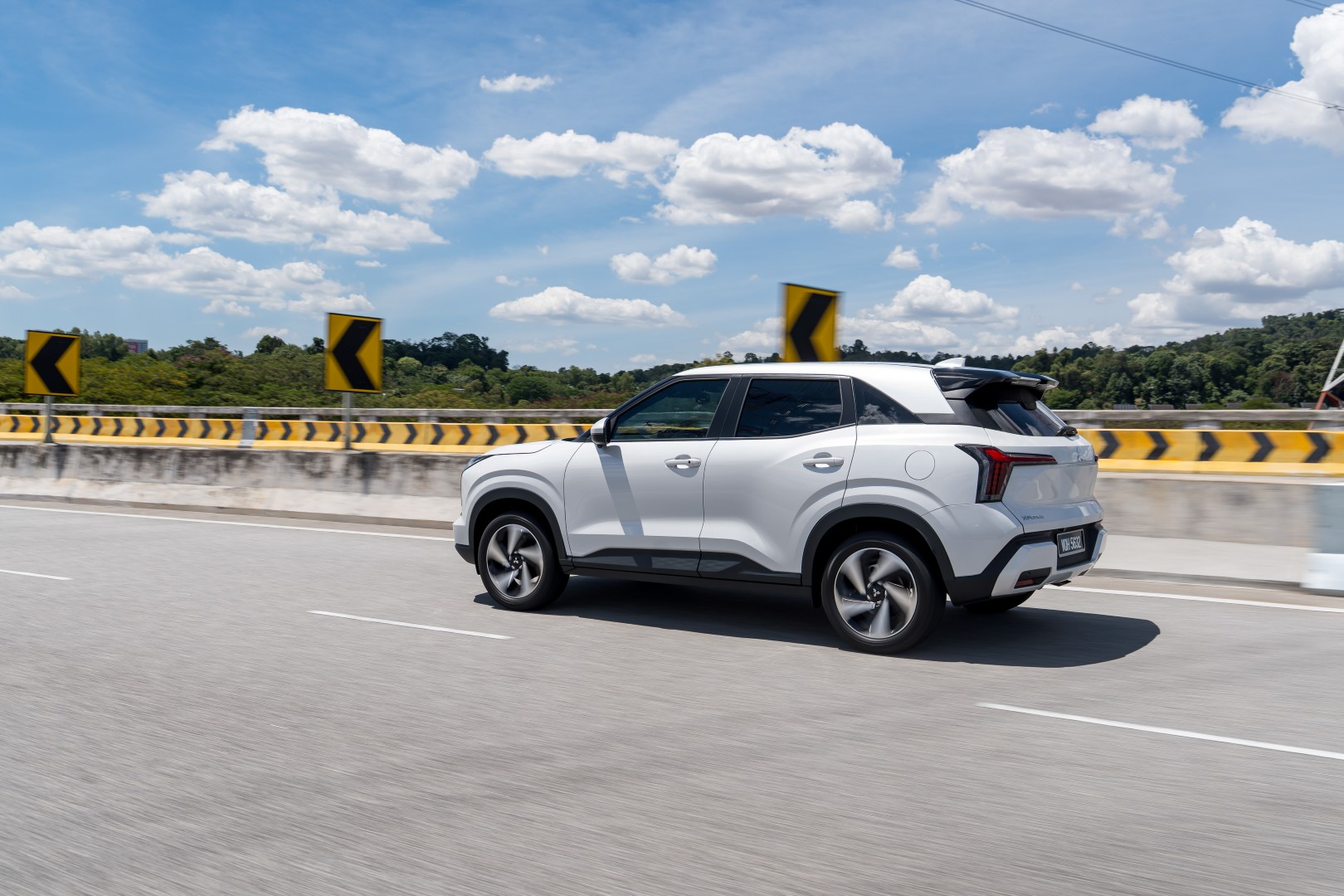
And there is something very Malaysian about that idea.
We drive our cars a lot. We sit in traffic. We deal with potholes, flash floods, uneven roads, long highway journeys and the occasional kampung road that makes Google Maps look overly optimistic. A car that looks impressive in a showroom is one thing.
A car that still feels like the right decision several years later is another. That is where peace of mind becomes more than a marketing phrase. It is also about enjoying the drive.
Reliability alone, however, does not make a car memorable. Nobody buys a car hoping it will merely survive. We still want to enjoy driving it and that is why Mitsubishi’s emphasis on driving pleasure is an important part of the brand story.
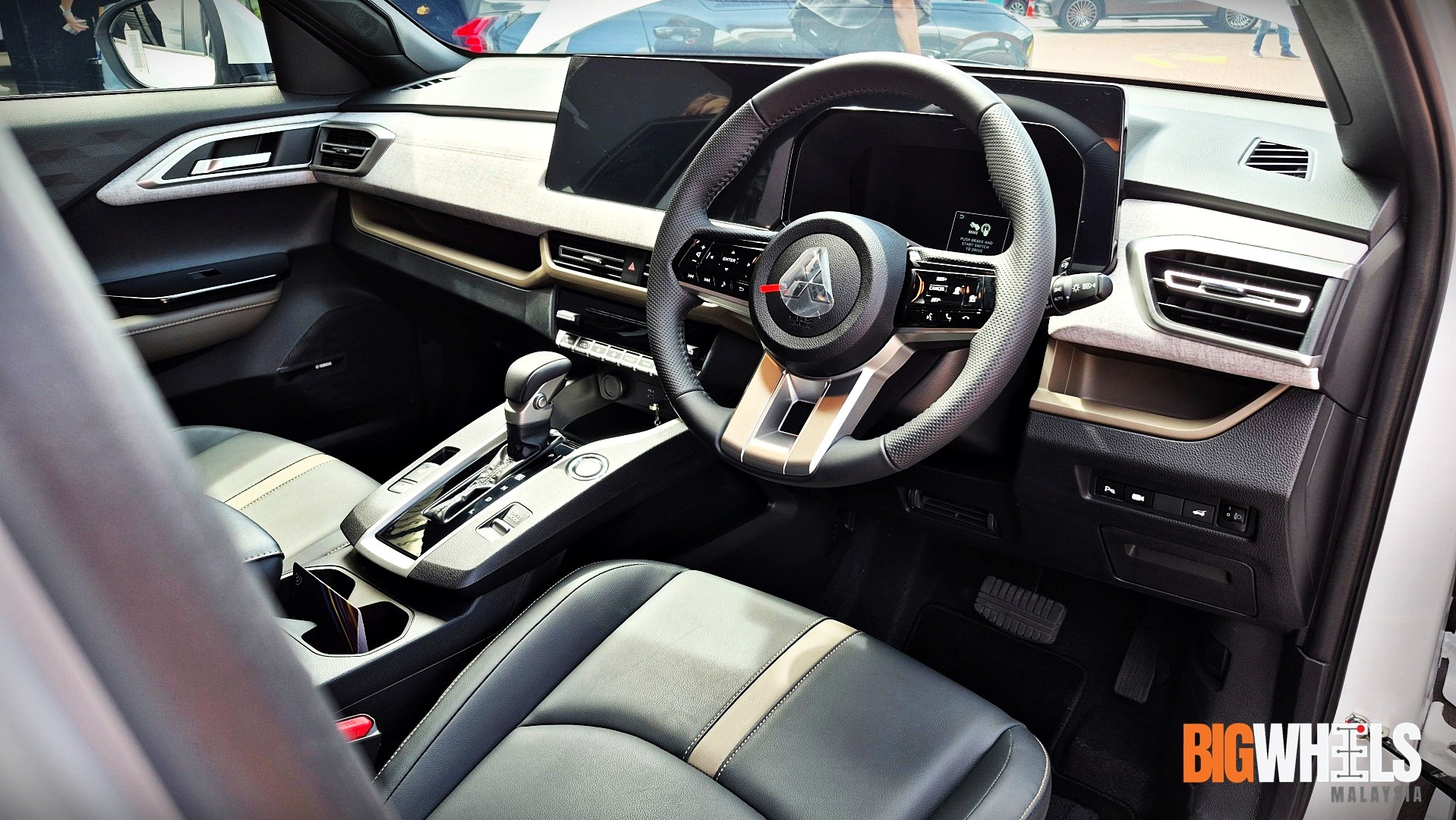
The company’s motorsport philosophy has always connected performance with confidence — pushing vehicles to their limits, understanding how they behave in difficult conditions and then using those lessons to make road cars that are both capable and reassuring.
It is the difference between a car that simply gets you from A to B and one that makes you feel comfortable taking the longer way home and that brings us to the next chapter of Mitsubishi in Malaysia.
Meet the Mitsubishi Xforce.
The Xforce is interesting because it represents a different side of Mitsubishi. It is not a pickup. It is not a traditional MPV. And it certainly is not trying to recreate the Lancer Evolution era.
Instead, it is a compact SUV designed around the way many Malaysians live today. The Xforce brings together SUV practicality, everyday comfort and Mitsubishi’s focus on confident driving. It also comes with features aimed at making daily driving less stressful, including an All-Round Monitor, parking sensors and a suite of active safety technologies.
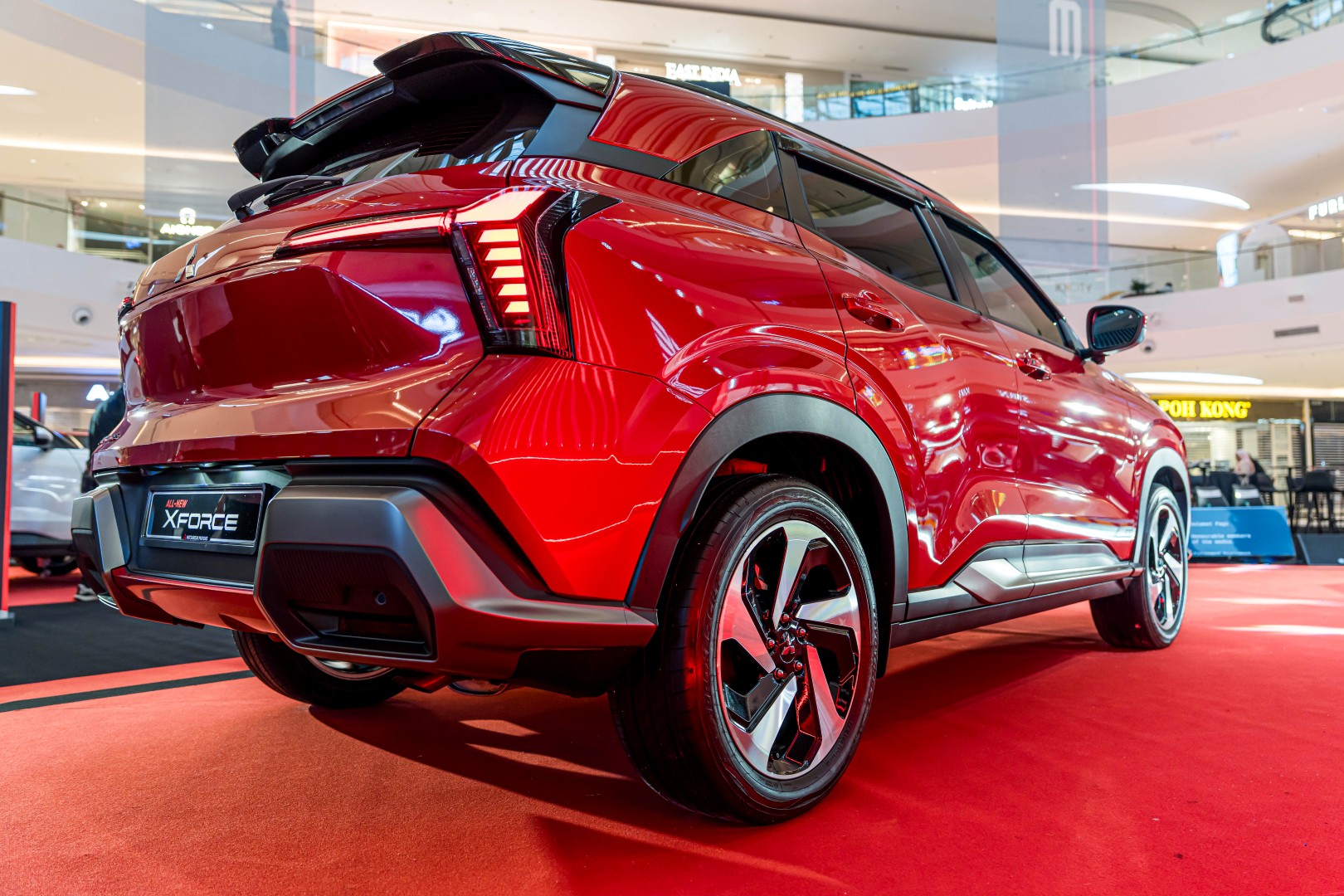
But perhaps more importantly, the Xforce is where Mitsubishi’s Japanese manufacturing philosophy meets Malaysia quite literally. The SUV is locally assembled at Mitsubishi’s Pekan plant, where the company has upgraded production facilities to support the model.
Mitsubishi says the Xforce production process follows its global standards, with emphasis on process discipline, precision and quality control. So while the Xforce may be a very different-looking Mitsubishi from the ones many Malaysians grew up with, the thinking underneath it is not entirely new.
The package has changed but the principles haven’t.
Japanese standards, Malaysian conditions
There is another important detail here. Being Japanese does not mean building a car that only works well in Japan. The best engineering has to adapt to the environment where the car is actually going to be used. That is particularly relevant in Southeast Asia.
Heat, heavy rain, humidity, congested cities, long-distance highway journeys and less-than-perfect road surfaces are all part of daily driving here.
The Xforce has been developed with this region in mind, and its SUV characteristics — including generous ground clearance and driving technologies designed to provide confidence in changing conditions — reflect that reality.
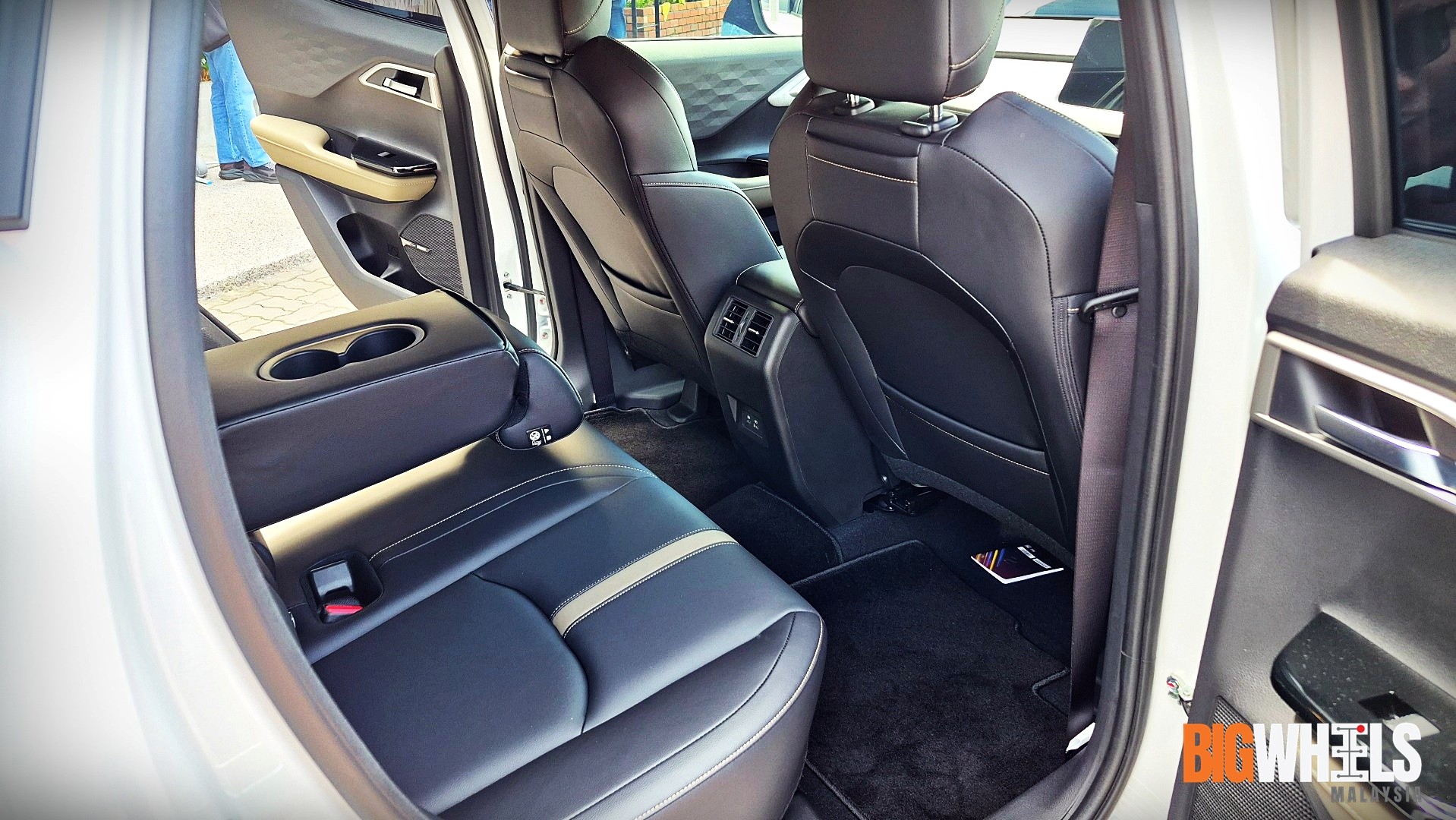
It is a reminder that Japanese engineering is not necessarily about keeping things unchanged. It is about knowing what should not change.
The attention to detail, the emphasis on durability, the focus on safety, the desire to make the car enjoyable to drive, and ultimately, the objective of getting people where they want to go with confidence.
The real test begins after you buy the car
Of course, there is another reason Malaysians have traditionally trusted Japanese brands. It is not just the car. It is what happens after the sale. A five-year-old car does not care how impressive its launch event was.
It needs servicing, it needs parts, and eventually, something will wear out. That is why Mitsubishi Motors Malaysia’s continued investment in its local operations and after-sales network is an important part of the bigger picture.
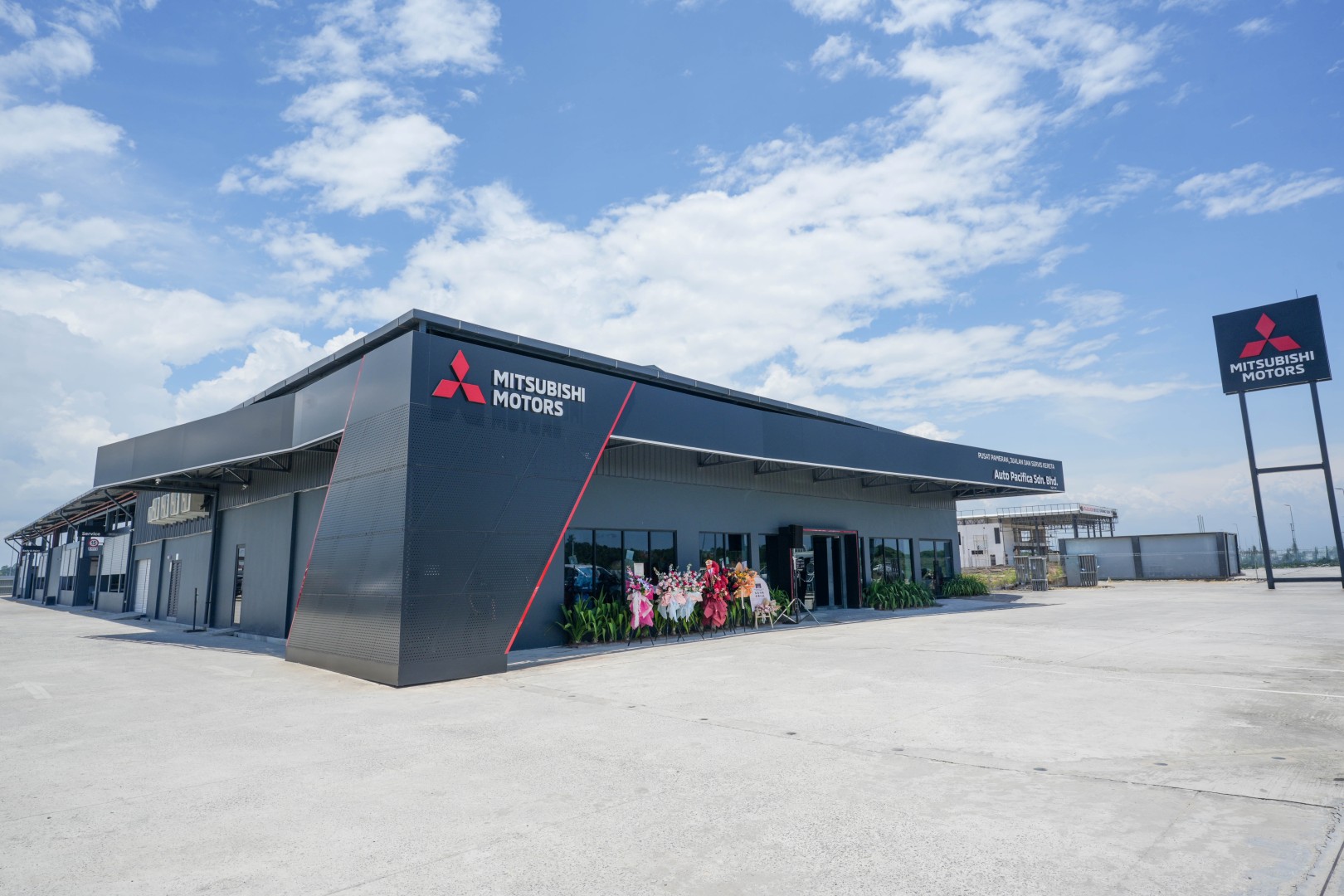
Mitsubishi’s current Malaysian operation includes a nationwide network of showrooms, service centers and authorized body and repair facilities, while the company continues to invest in local manufacturing through its Pekan operations.
That is the less glamorous side of automotive ownership — but arguably one of the most important. Because “peace of mind” is not just about what happens when you drive a brand-new car out of the showroom. It is about still feeling confident about your decision years later.
However, why do Malaysians still trust Mitsubishi cars?
Maybe it comes down to something quite simple. When Malaysians say they want a reliable Japanese car, they are rarely talking about nationality alone. They are talking about trust.
Trust that the engineering has been thought through, trust that the car can handle everyday life, trust that the manufacturer has learned from decades of experience, trust that the vehicle will continue to do its job after the honeymoon period is over, and that is where Mitsubishi’s past becomes relevant to its future.

The Triton represents the brand’s tough and hardworking side, the Xpander shows how those values can work for families, and the Xforce takes them into a newer generation of compact SUVs, where buyers expect a vehicle to be practical and durable, but also comfortable, stylish and genuinely enjoyable to drive.
That is a much broader Mitsubishi than the one some Malaysians may remember but it is not necessarily a completely different Mitsubishi.
It is the same idea, applied to a different time because the future of a Japanese car brand is not about simply reminding people that it is Japanese. It is about giving them a reason to believe that the qualities they have trusted for decades still matter today, and with the Xforce, Mitsubishi is making a pretty clear statement about where it wants to go next:
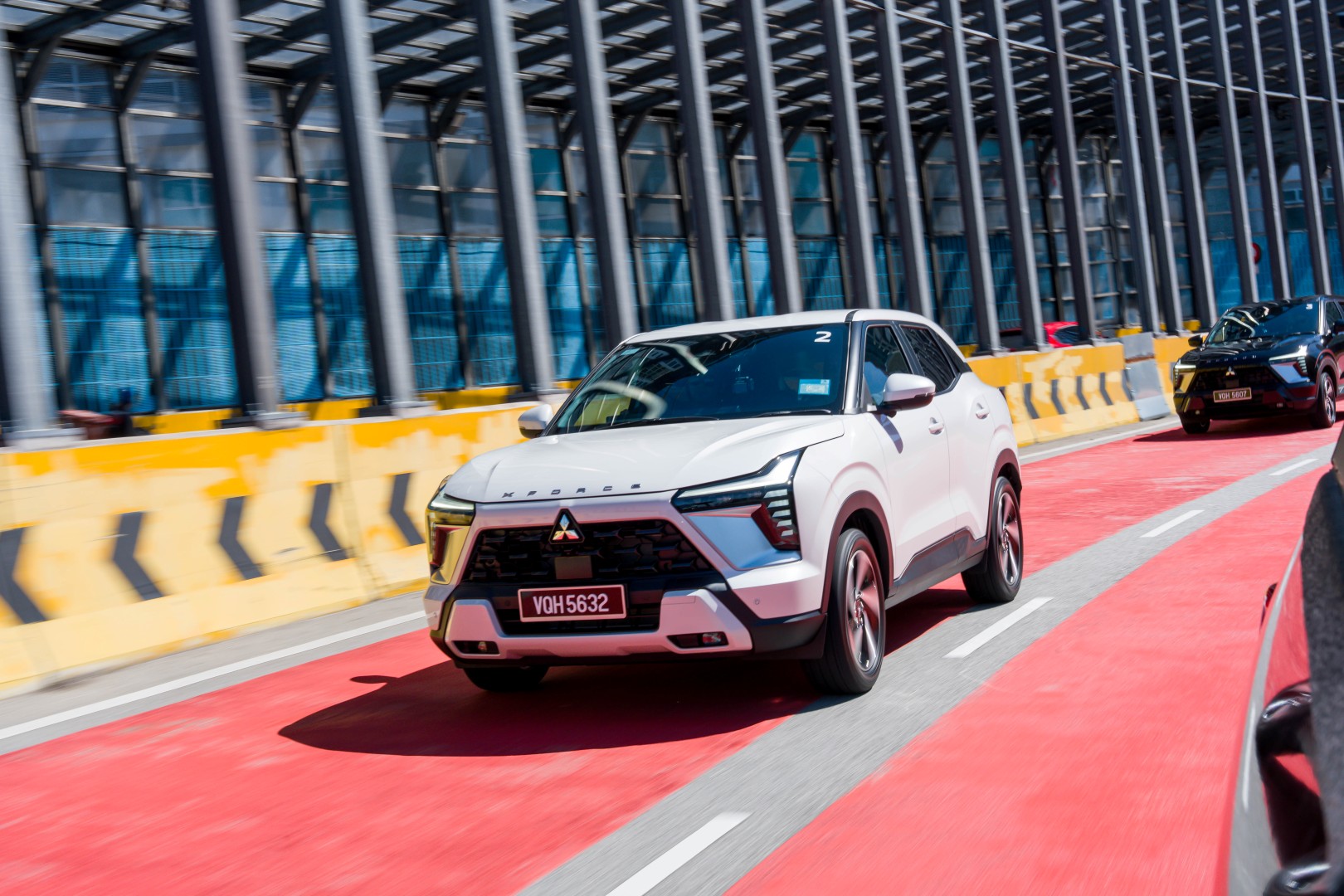
More cars. More choices. More modern technology. But the same fundamental promise — build it properly, make it dependable, and give people confidence every time they get behind the wheel.
That is perhaps why, after all these years, “Japanese car” still means something to Malaysians.