
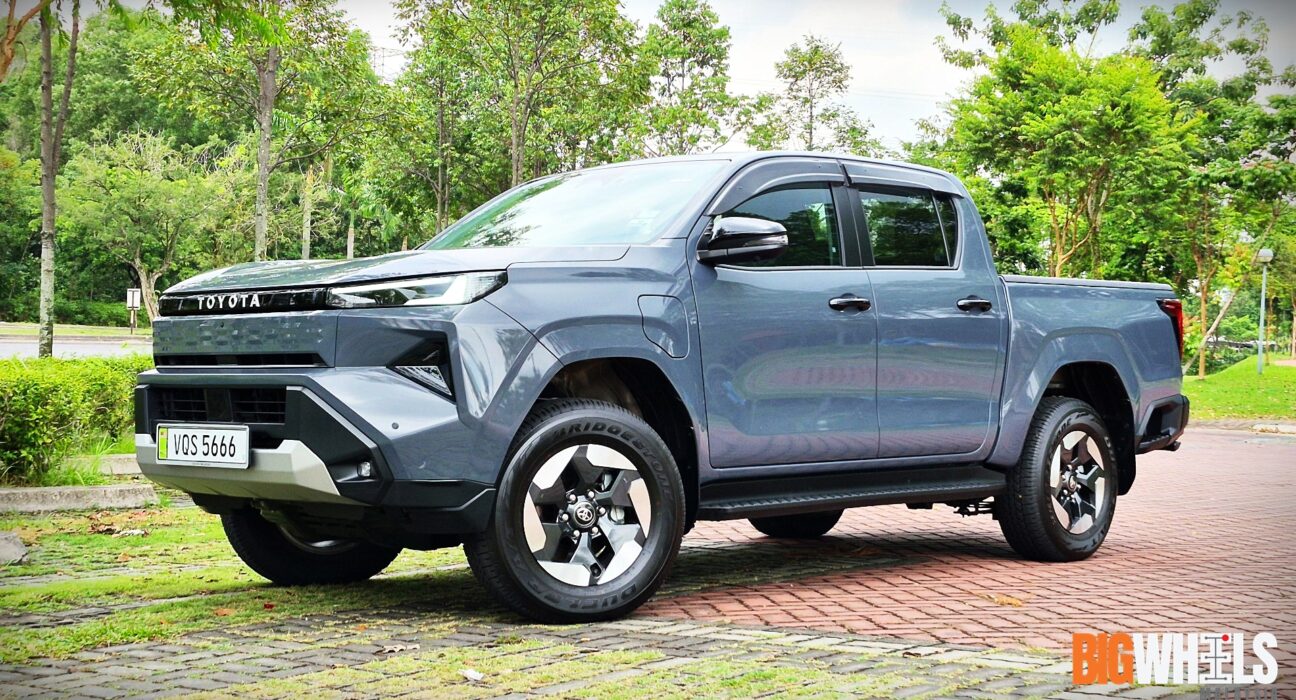
There is something slightly strange about driving an electric Toyota Hilux for the first time. You expect a Hilux to sound like a Hilux. You expect the diesel engine, the mechanical noises and that familiar sense of effort from a traditional 4×4 pickup. Instead, you get almost complete silence.
And yet, after spending time with the 2026 Toyota Hilux BEV in Malaysia, the biggest surprise is not how different it feels. It is how much of a Hilux it still feels like.
That is arguably Toyota’s biggest achievement with this truck.
It looks like the Hilux of the future
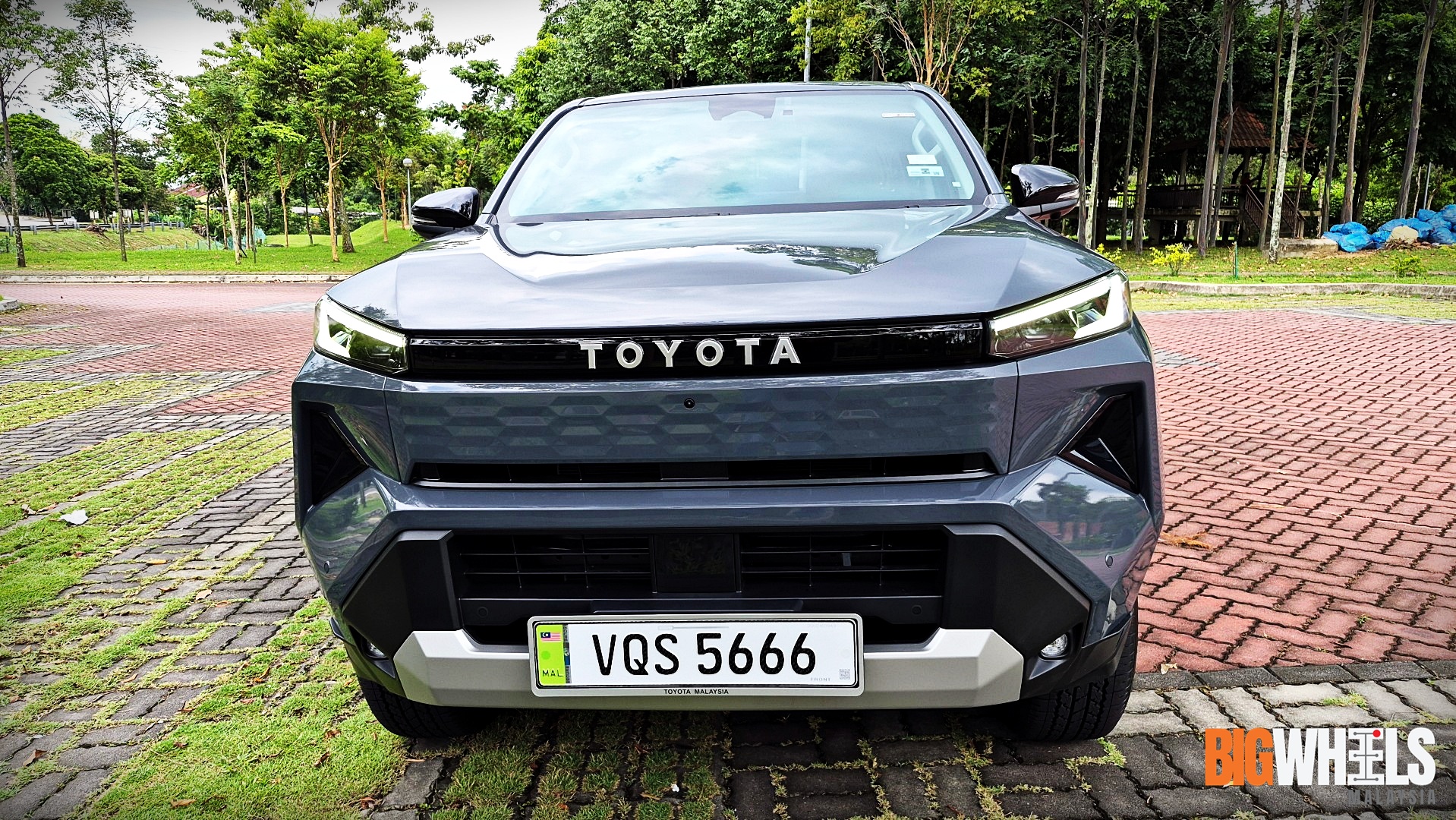
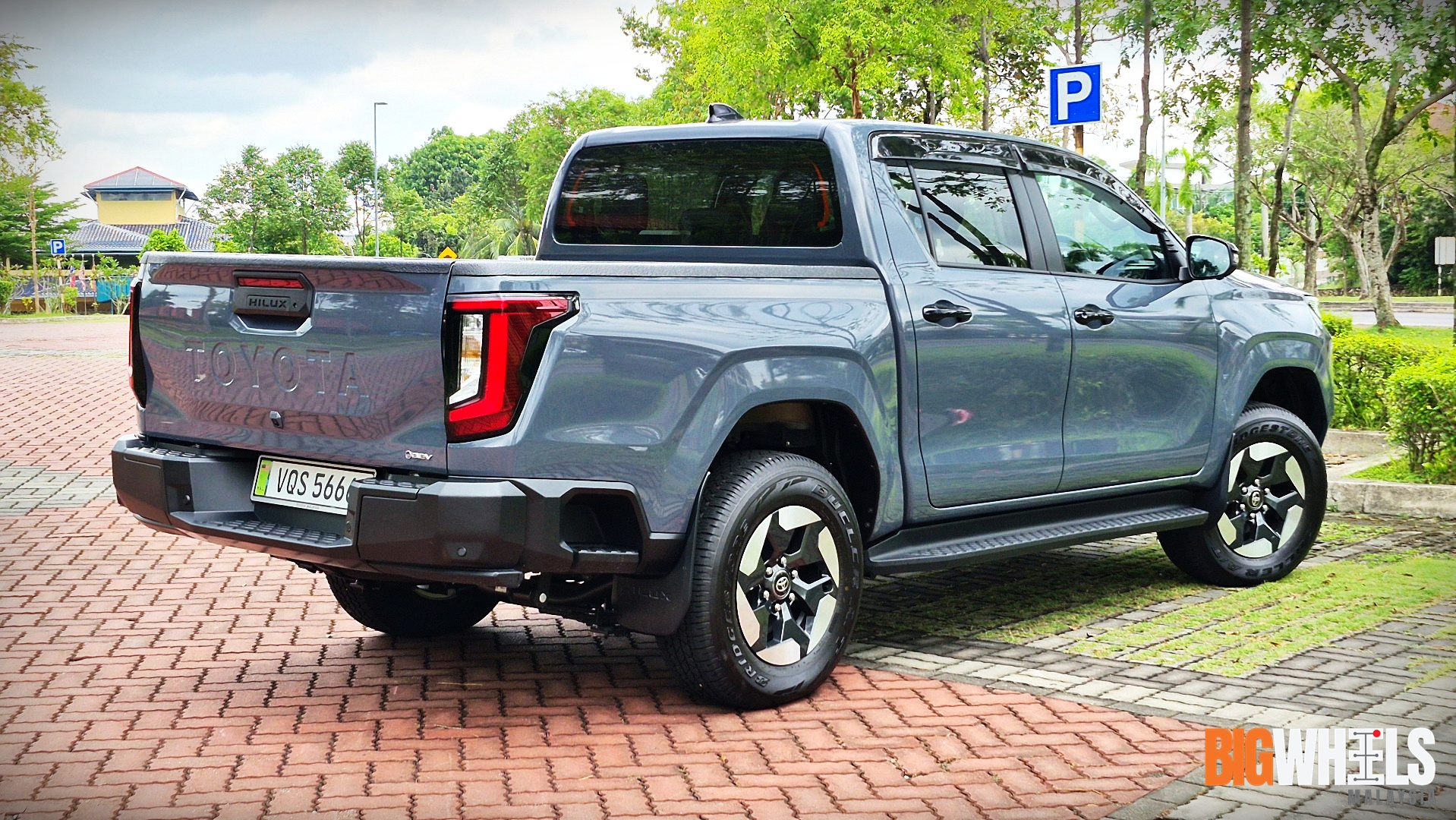
The Hilux BEV gets Toyota’s new-generation Hilux design, with the bold, angular styling that gives it a much more modern and imposing appearance than the outgoing model.
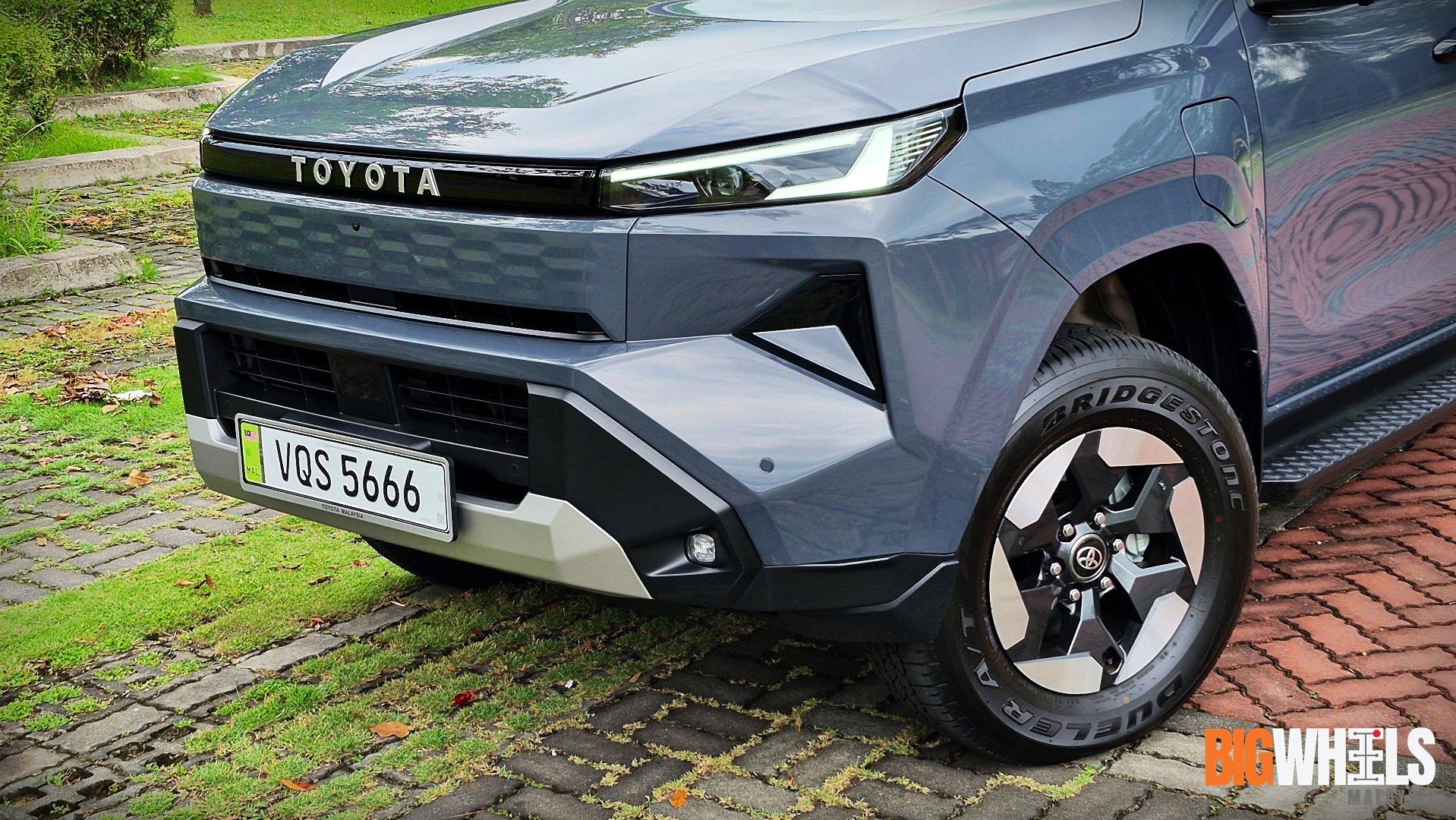
It is worth noting that this isn’t simply an EV-specific design exercise. The new design will also form the basis of the regular Hilux range, including the diesel versions.
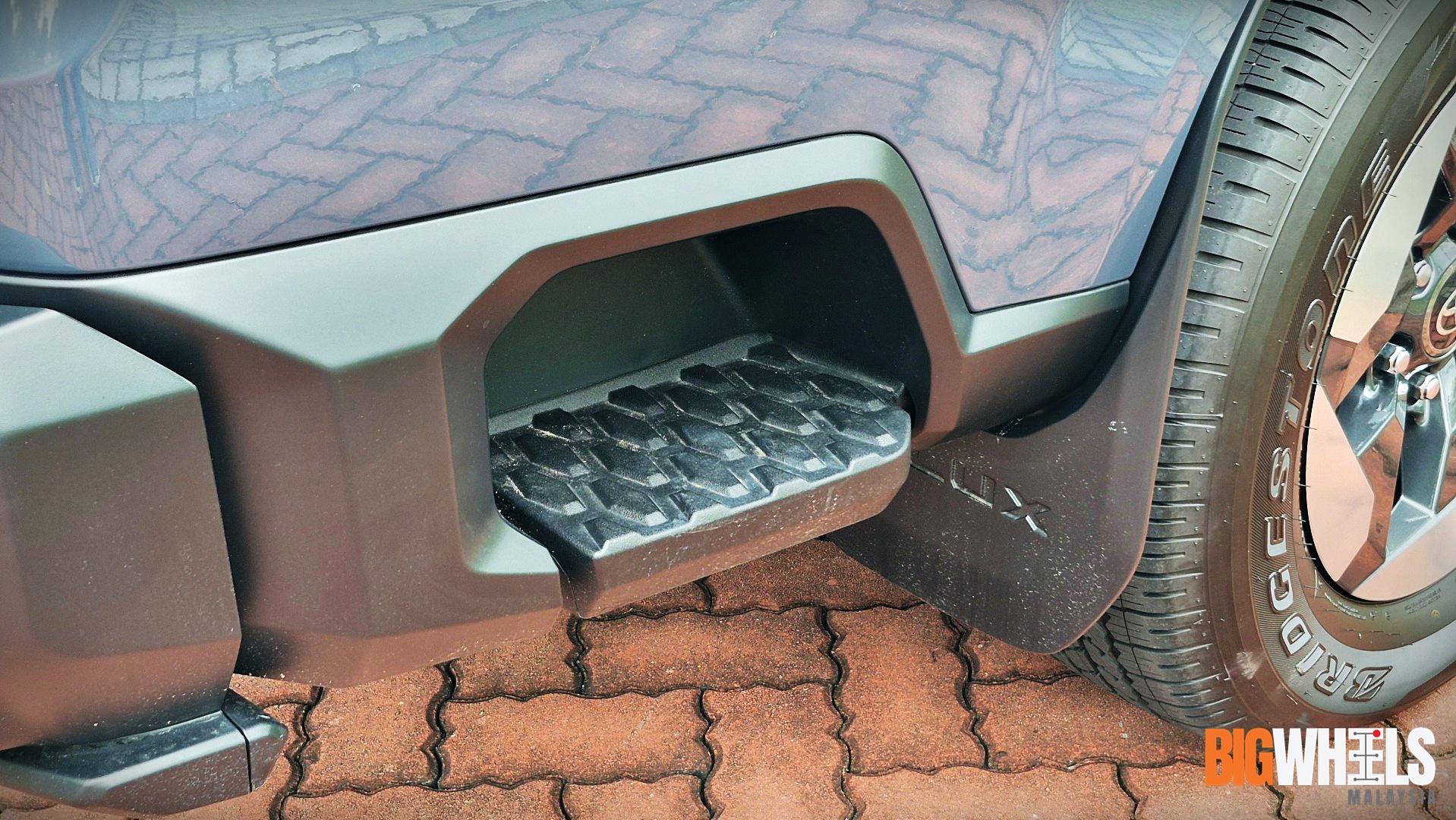
The BEV does get some EV-specific touches, including its closed-off front grille and unique 17-inch aerodynamic wheels, but overall it still looks unmistakably like a Hilux.
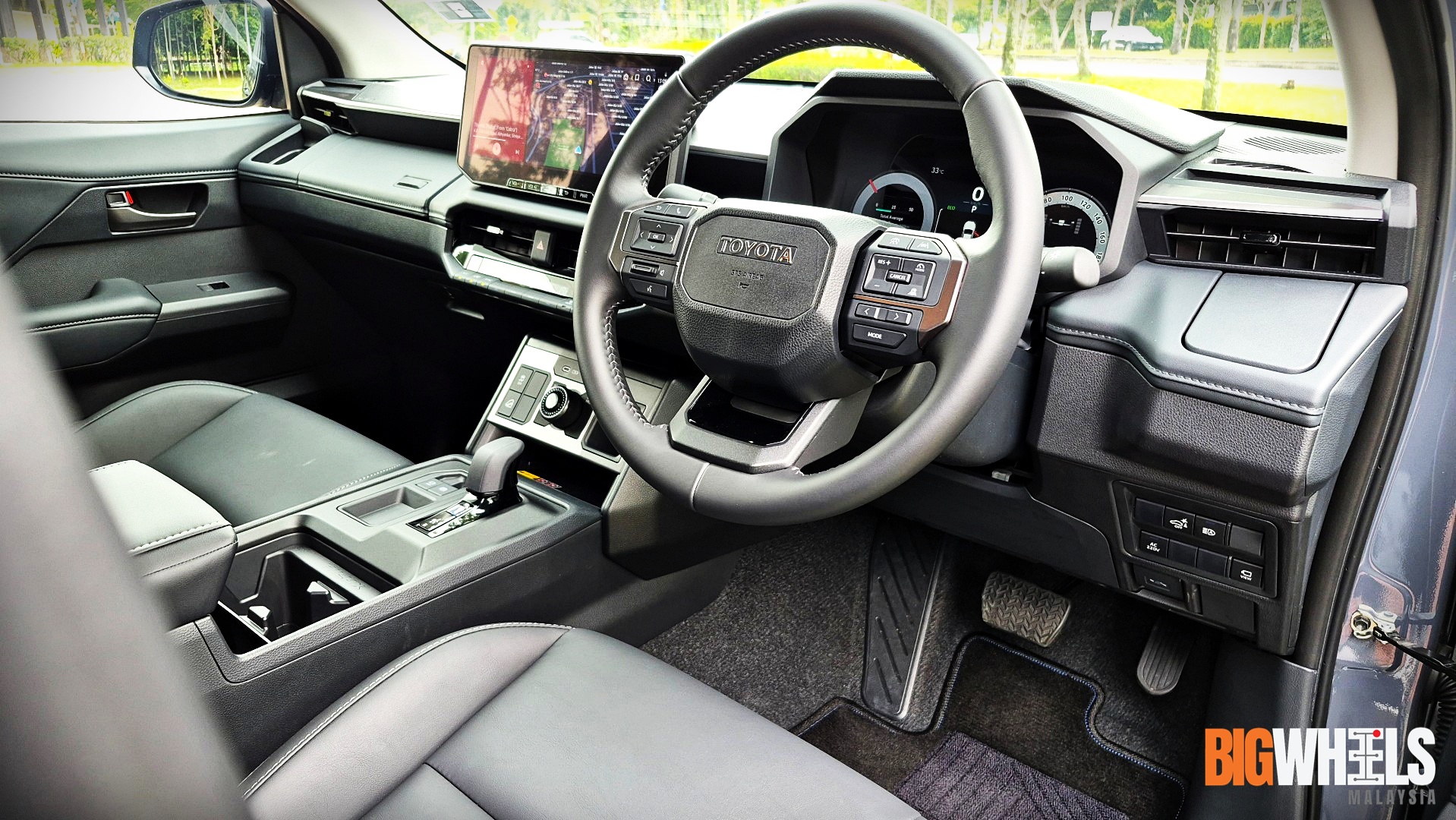
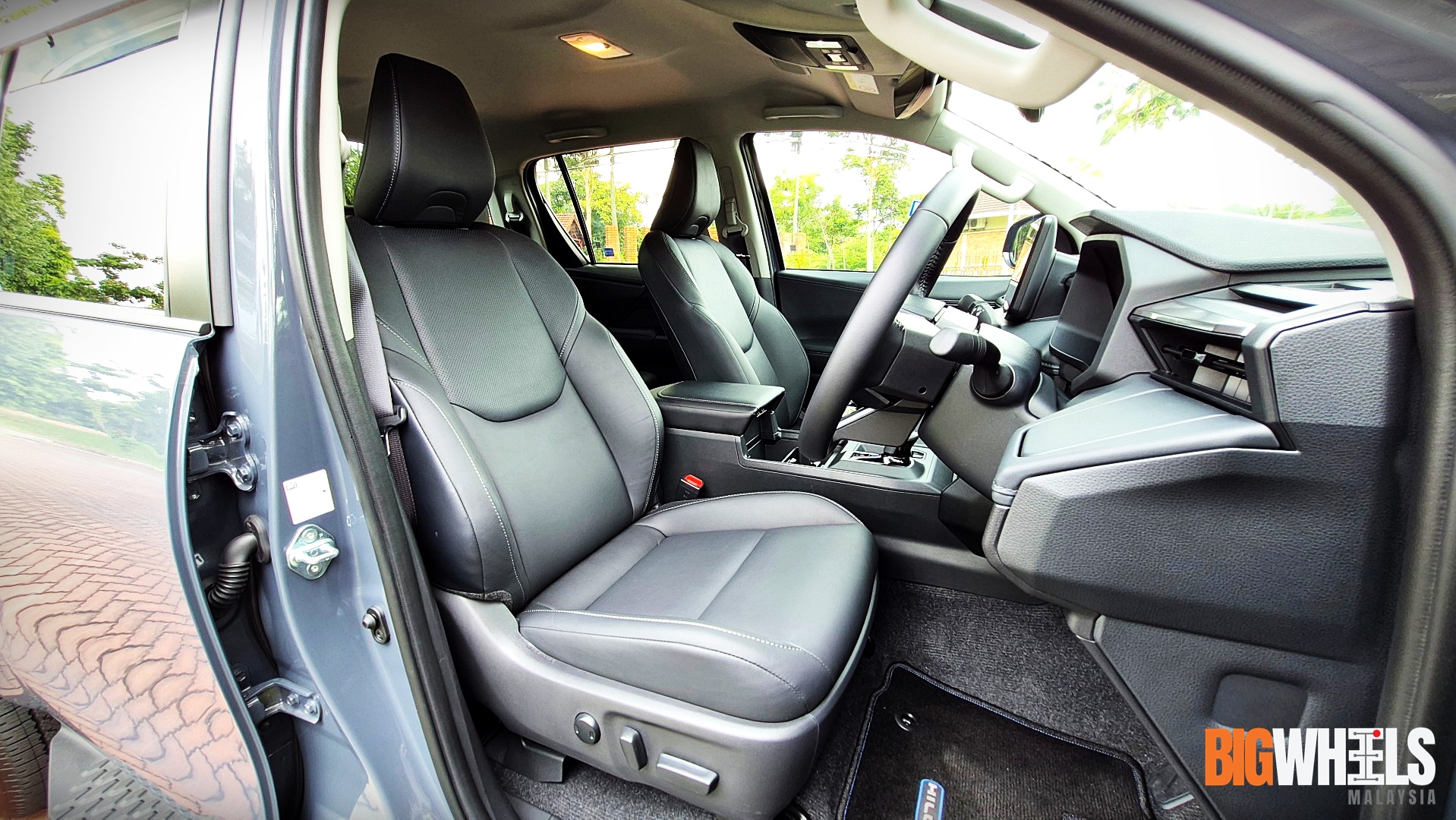
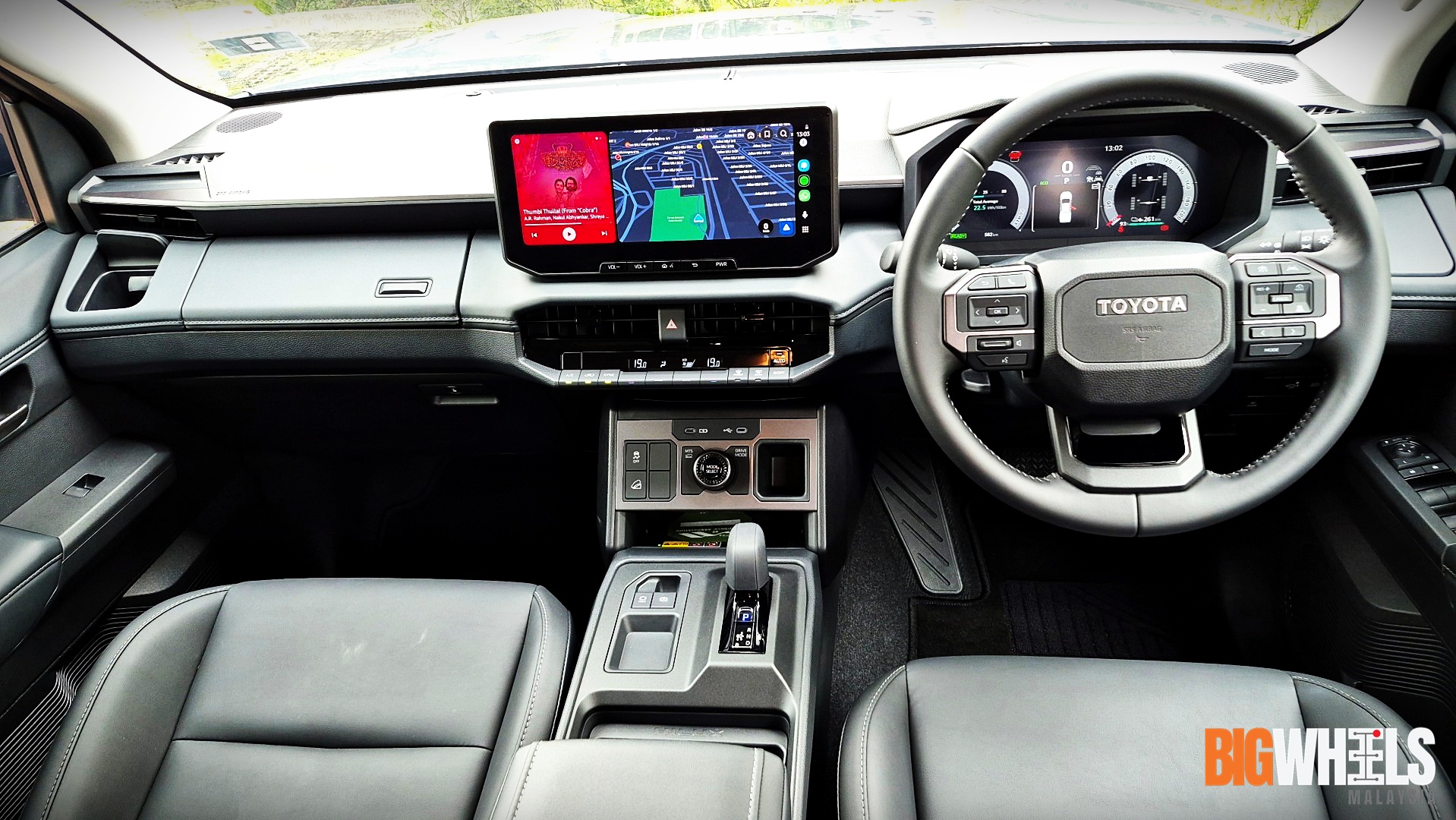
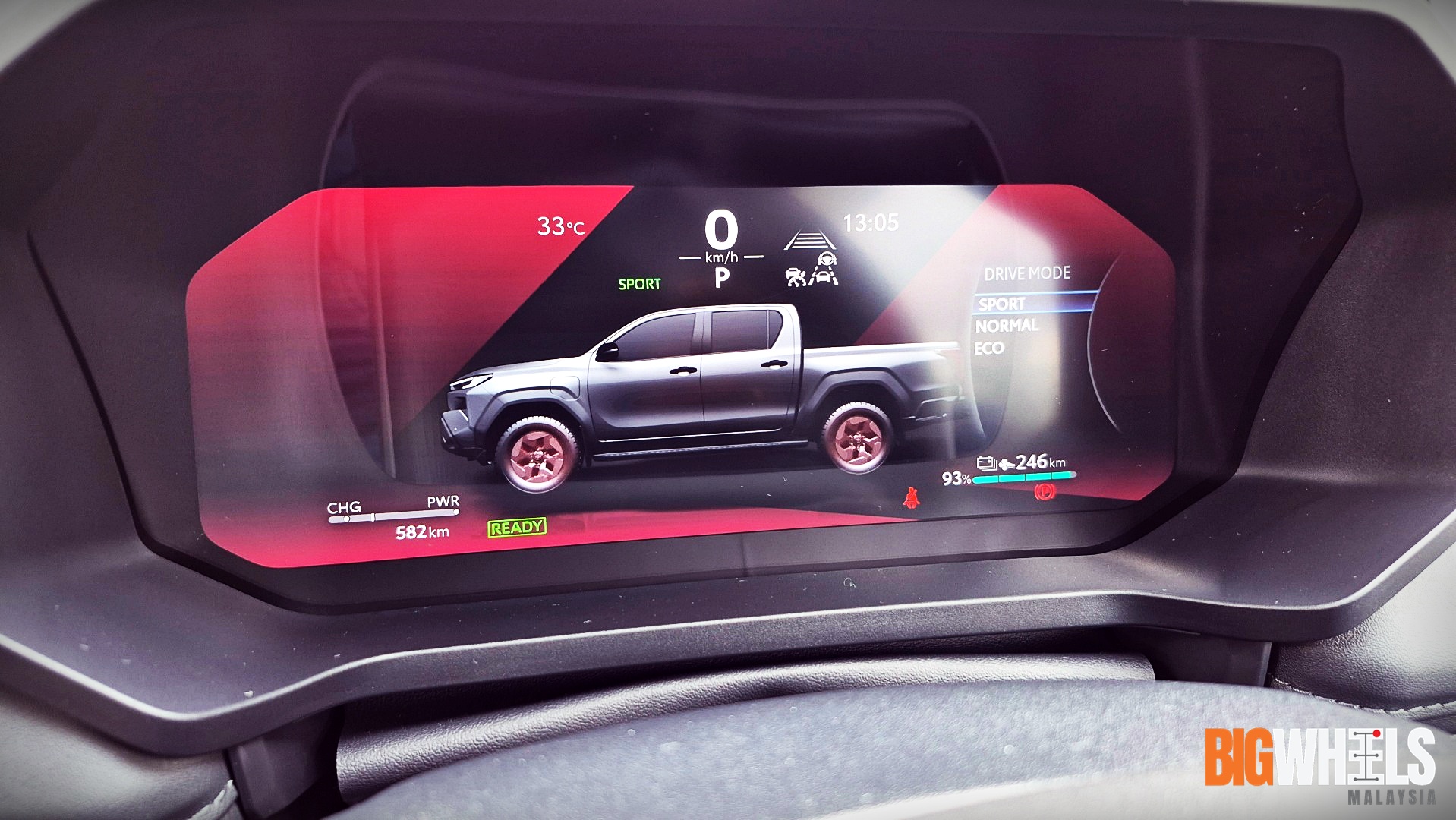
Inside, things are equally impressive. The cabin feels considerably more upmarket than what you might expect from a traditional workhorse, with a 12.3-inch digital instrument display and 12.3-inch infotainment screen, along with Apple CarPlay and Android Auto.
But the biggest change is what you don’t see – There is no engine.
The strangest thing is the silence
With no diesel engine sitting ahead of you, the Hilux BEV is remarkably quiet. There is no diesel clatter at idle, no vibration through the steering wheel and pedals, and none of the mechanical harshness that has traditionally been part of the Hilux experience.
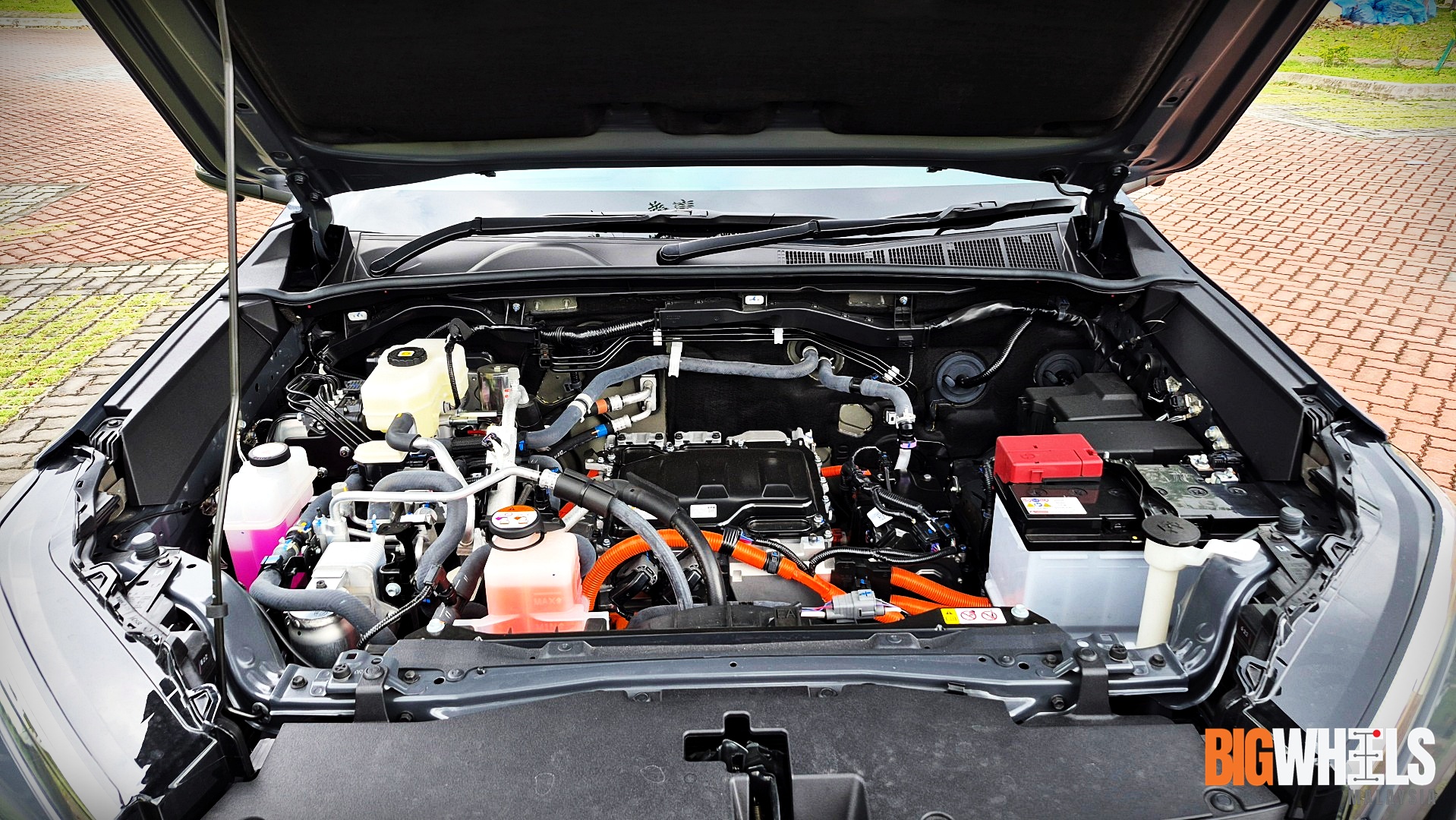
It took me some time to get used to it. I have driven plenty of EVs, but a silent pickup truck still feels unusual, and yet, underneath that refinement, the fundamental character of the Hilux remains.
It is still a body-on-frame pickup with a ladder-frame chassis, and you can still feel some of the characteristic flex and movement that comes with a proper 4×4 workhorse.
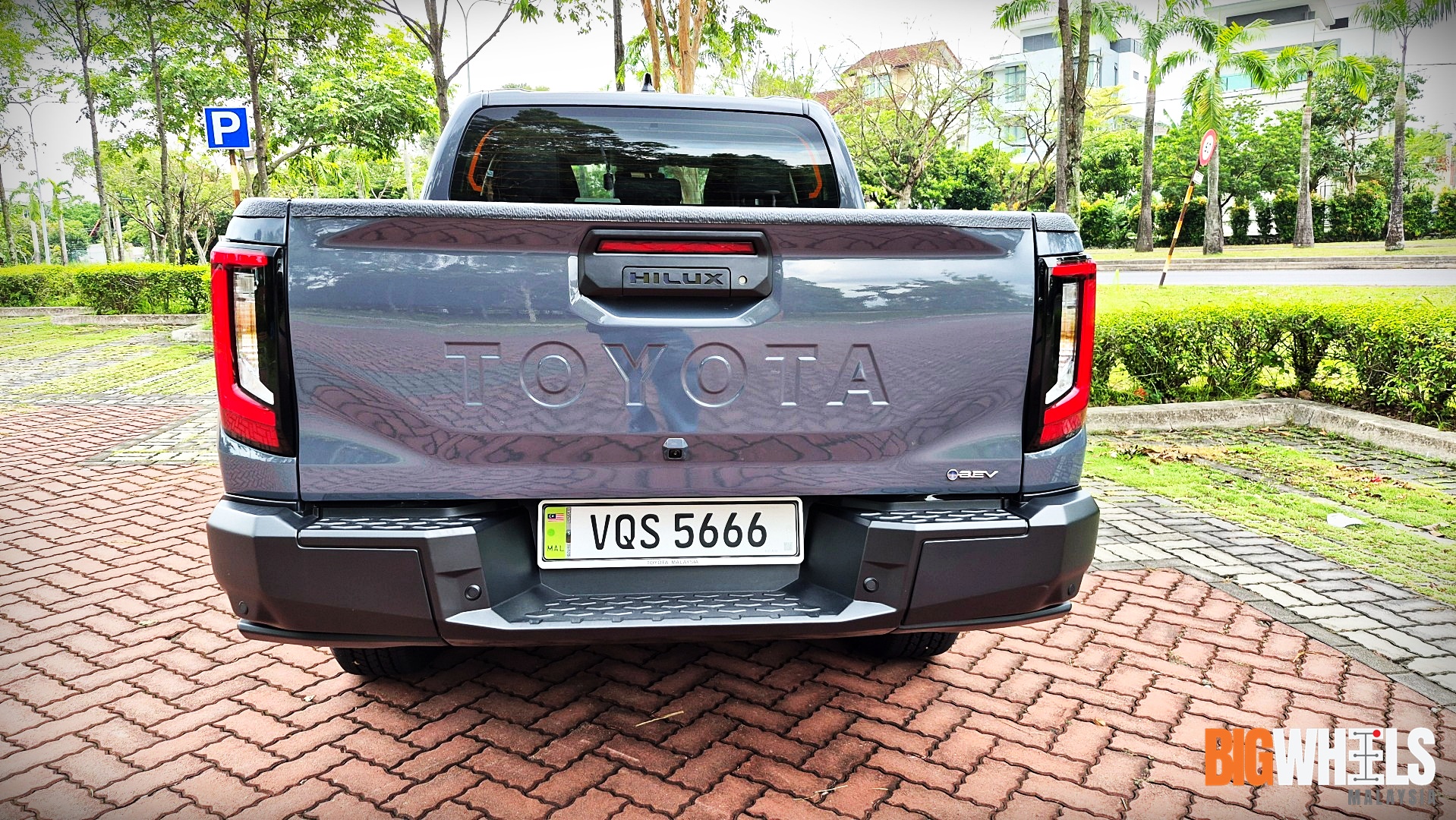
Toyota has not turned the Hilux into a soft crossover with a cargo bed. It still feels like a truck.
It is still capable
The Hilux BEV uses dual electric motors, one driving each axle, producing a combined 144kW or 196PS. The front motor produces 205.5Nm while the rear motor delivers 268.6Nm, with permanent all-wheel drive.
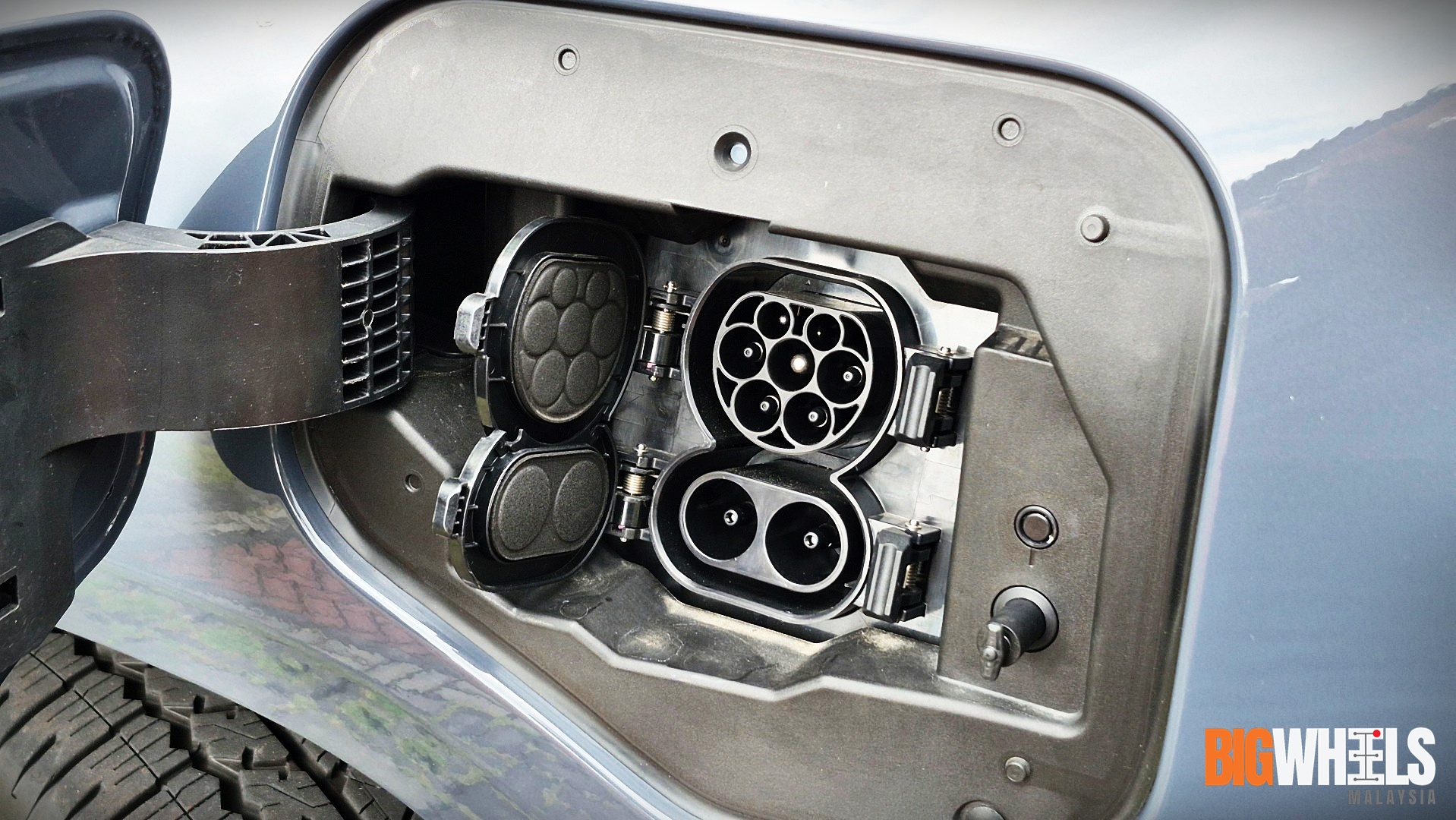
The 59.2kWh lithium-ion battery is mounted within the ladder-frame structure, allowing Toyota to retain the Hilux’s basic packaging and off-road capability. It also retains serious workhorse credentials.
The Malaysian-spec Hilux BEV can carry up to 750kg and tow up to 2,000kg, while its 700mm water-wading capability means this is not merely an electric lifestyle pickup pretending to be an off-roader.
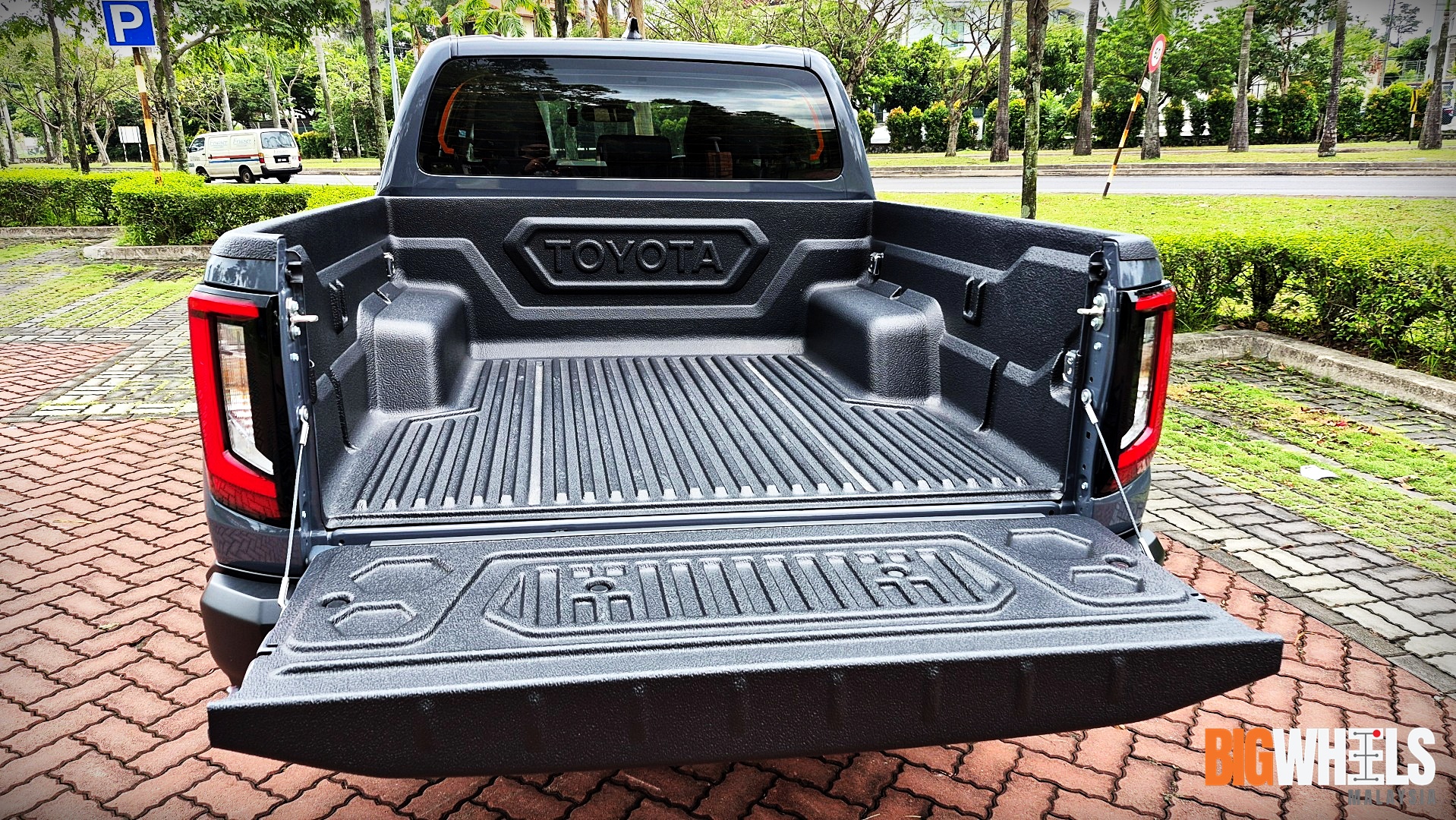
The electric drivetrain also has an advantage off the line: torque arrives immediately and the dual-motor AWD system can distribute drive without the conventional mechanical drivetrain feeling busy or strained.
It is an impressively effortless way to move a pickup truck.
But then there is the range
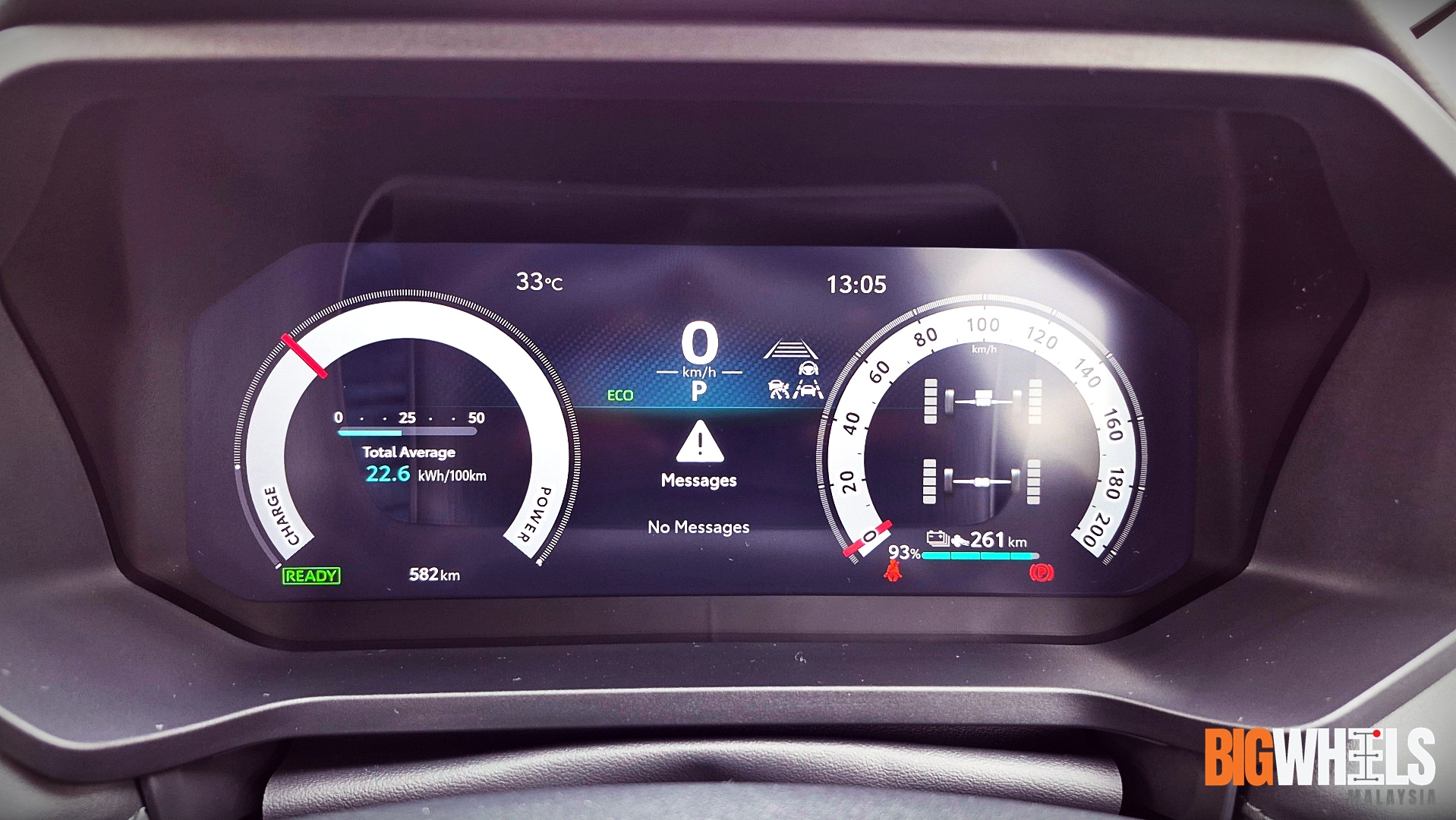
This is where things get complicated. The Malaysian Hilux BEV has a claimed 240km WLTP range. Toyota also quotes 315km under the less demanding NEDC test cycle.
For an EV passenger car, that might be manageable but for a pickup truck designed to work, it is a much bigger limitation. Load the 750kg payload, spend the day driving between job sites, use the air-conditioning continuously and travel at highway speeds, and real-world range will inevitably fall below the laboratory figure.
That makes the Hilux BEV a difficult proposition for someone who routinely drives several hundred kilometres every day.
Yes, it supports up to 150kW DC fast charging, with Toyota quoting around 30 minutes to charge from 10 to 80 per cent. A full 10-to-100 per cent AC charge takes around 6.5 hours using its 10kW capability, but for a business, downtime is money.
If your Hilux needs to cover 400 or 500km in a day, the BEV simply isn’t the right tool.
So who is the Hilux BEV actually for?
This is where the Hilux BEV starts to make considerably more sense. Toyota itself positions the BEV towards fleet, business, government and commercial users rather than trying to replace every diesel Hilux. Toyota Australia’s official material specifically identifies mining, business and government fleet customers as key targets for the electric Hilux.
Think of organisations such as city councils, utilities, telecommunications companies, government departments and large corporate fleets. A vehicle that leaves a depot every morning, spends the day working within a defined operating area, covers perhaps 100–200km and returns to base every evening is a completely different proposition.
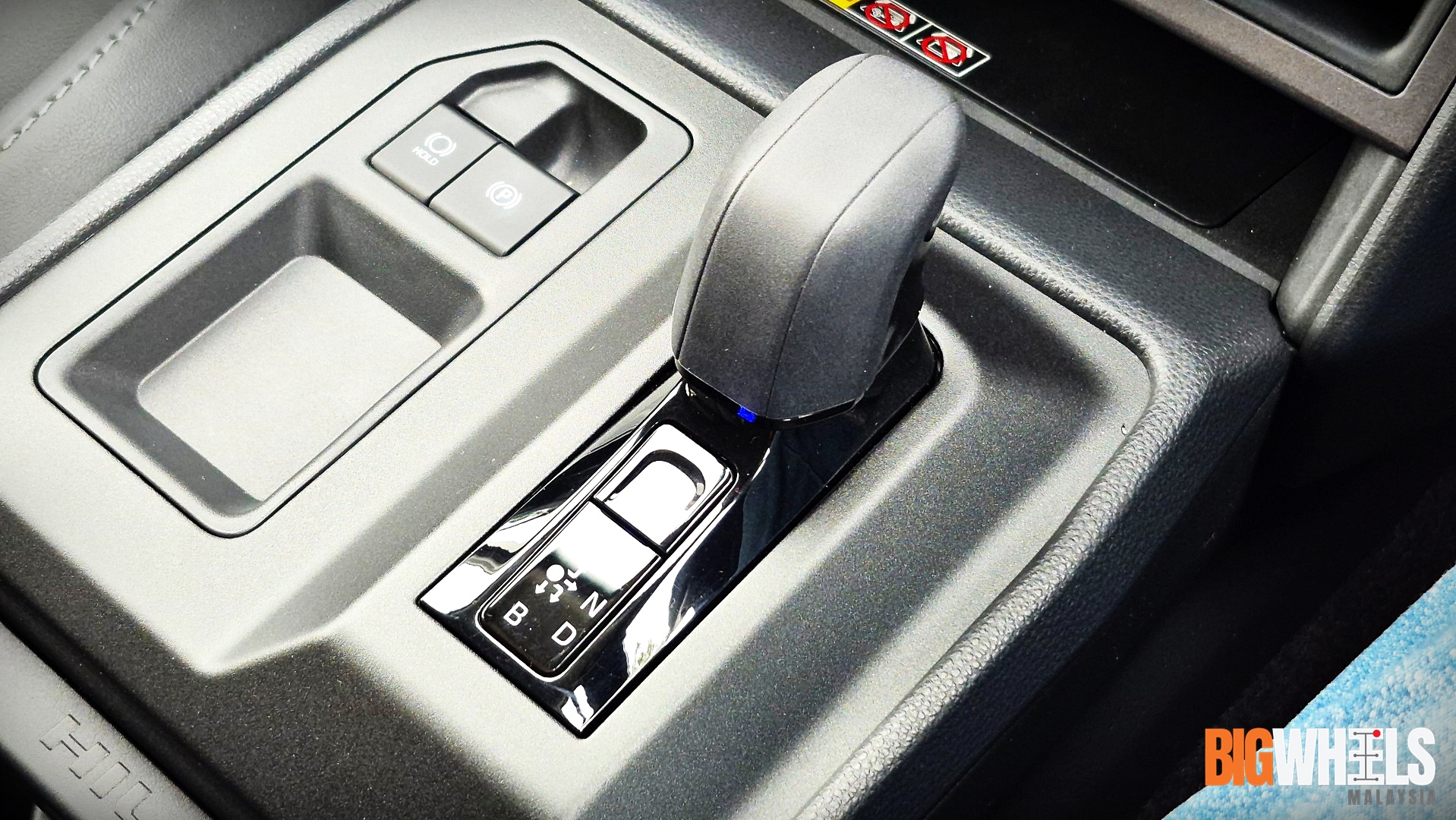
Plug it in overnight and it is ready to go again the next morning. For those applications, the Hilux BEV’s quiet operation, zero tailpipe emissions, instant torque and lower drivetrain complexity become genuine advantages.
The verdict
The 2026 Toyota Hilux BEV is not a bad electric pickup. In fact, the remarkable thing is that it is still a very good Hilux. It looks right, feels right and retains the fundamental qualities that have made the Hilux such a popular workhorse. The electric drivetrain simply changes the way it delivers those qualities.
The problem is that Toyota has made an excellent electric Hilux that is very specifically suited to a particular type of user. At RM226,300, it is also significantly more expensive than the conventional diesel Hilux range, which starts from RM104,880 in Malaysia.
So if you need a pickup that can travel hundreds of kilometres every day, haul heavy loads and operate far away from charging infrastructure, stick with diesel.
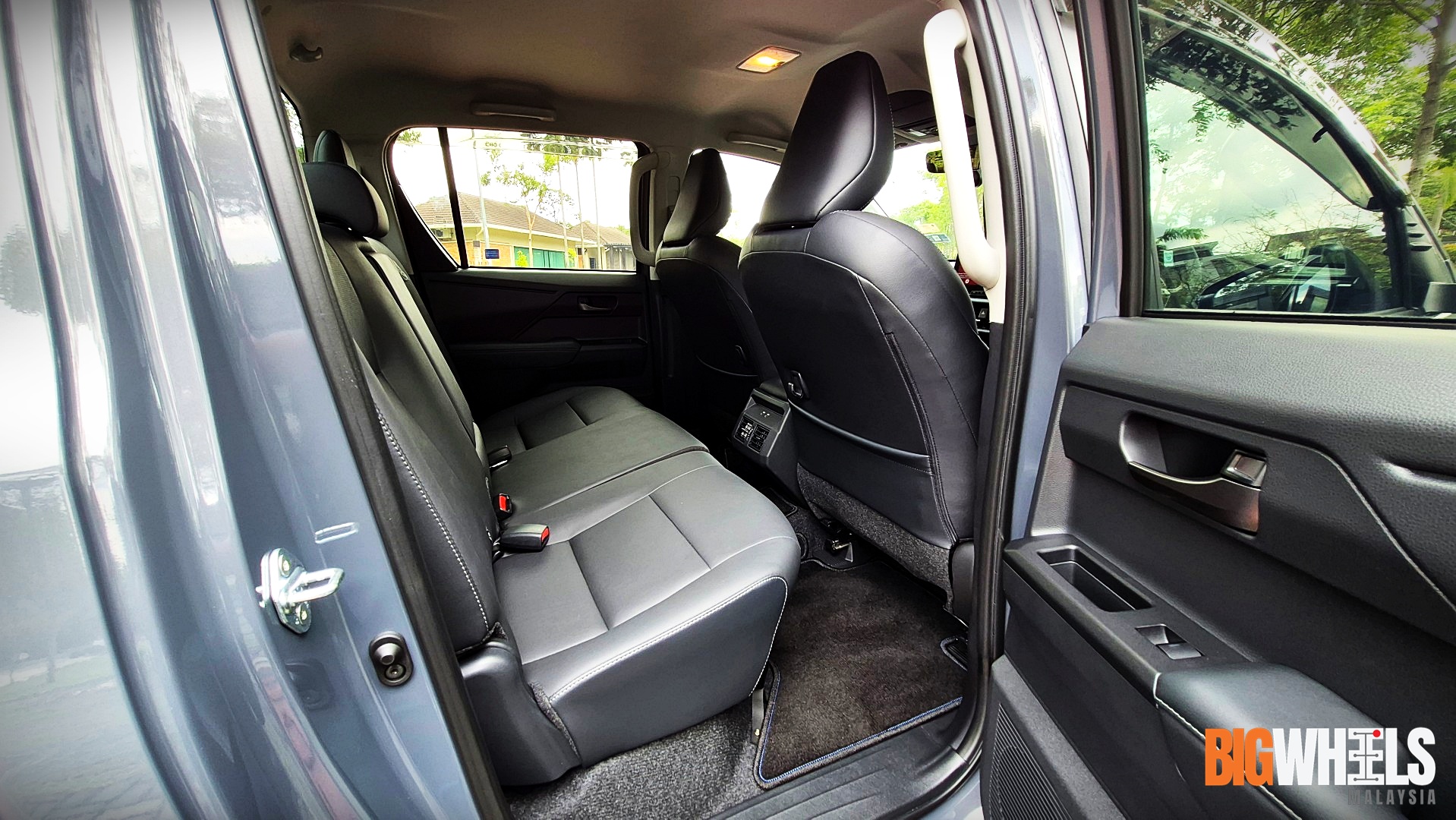
If your business operates a fleet of Hiluxes that spends most of its time within a city, district, worksite or defined operating area, the Hilux BEV suddenly makes a lot more sense.
And perhaps that is the point. The Hilux BEV isn’t trying to replace the diesel Hilux for everyone.
It is trying to prove that the Hilux can go electric without losing what makes it a Hilux.