
Malaysia’s EV market is about to undergo one of its biggest shake-ups yet.
In a move that caught both the automotive industry and consumers by surprise, the Ministry of Investment, Trade and Industry (MITI) has confirmed new requirements for completely built-up (CBU) electric vehicles entering Malaysia beginning 1 July 2026.
Under the new policy, imported EVs must meet two key conditions:
- A minimum CIF (Cost, Insurance and Freight) value of RM200,000 (vehicle’s value before local taxes and distributor margins).
- A minimum motor output of 180 kW (245 PS)

While it may sound technical at first, the implications are massive. The new rules could effectively eliminate many of today’s affordable imported EVs from the Malaysian market, forcing brands to either localise production or move further upmarket.
So what exactly is happening, why is the government doing this, and which brands are likely to be affected?
Starting from 1 July 2026, any CBU EV brought into Malaysia with a RM200,000 CIF value could translate into showroom prices well above RM300,000 once all costs are included.
That instantly changes the affordability equation for many EV buyers.
Why this matters

Malaysia’s recent EV boom has largely been driven by relatively affordable imported EVs, especially from China.
Models like the BYD Dolphin, BYD Atto 3, MG4, Ora Good Cat, smart #1, and several others helped push EV ownership closer to mainstream buyers for the first time.
The new rules threaten to disrupt that momentum.
The 180 kW requirement alone removes many mass-market EVs because most affordable electric cars simply do not produce that level of power. At the same time, the RM200,000 CIF threshold pushes imported EVs into premium territory.
In short, the government appears to be drawing a clear line between “mass-market EVs” and “premium imported EVs”.
Models that could be affected
Based on current pricing structures and specifications, several popular imported EVs may no longer qualify under the new rules unless they transition to local assembly.

Among the models potentially affected are:
- BYD Dolphin
- BYD Atto 3
- BYD M6
- MG4
- GWM Ora Good Cat
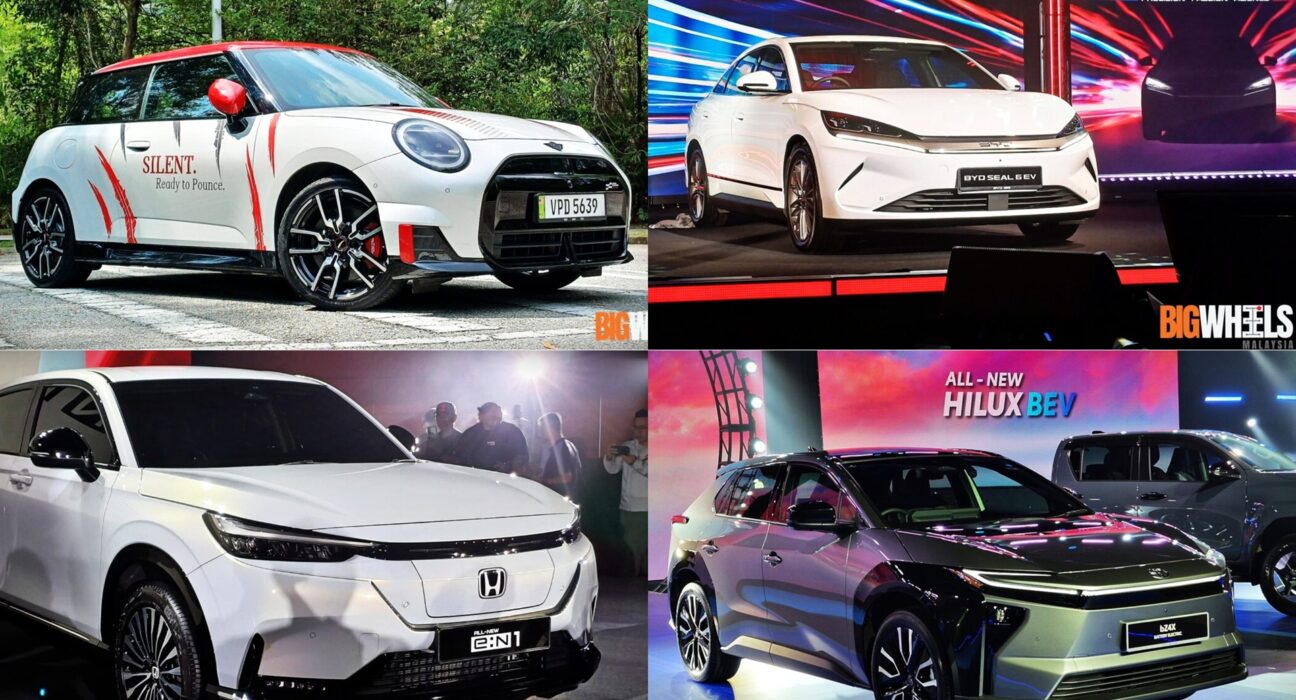
- Honda e:N1
- MINI Cooper SE
- MINI Aceman
- Toyota bZ4X
- Nissan Leaf
Some higher-output EVs may still qualify, including:

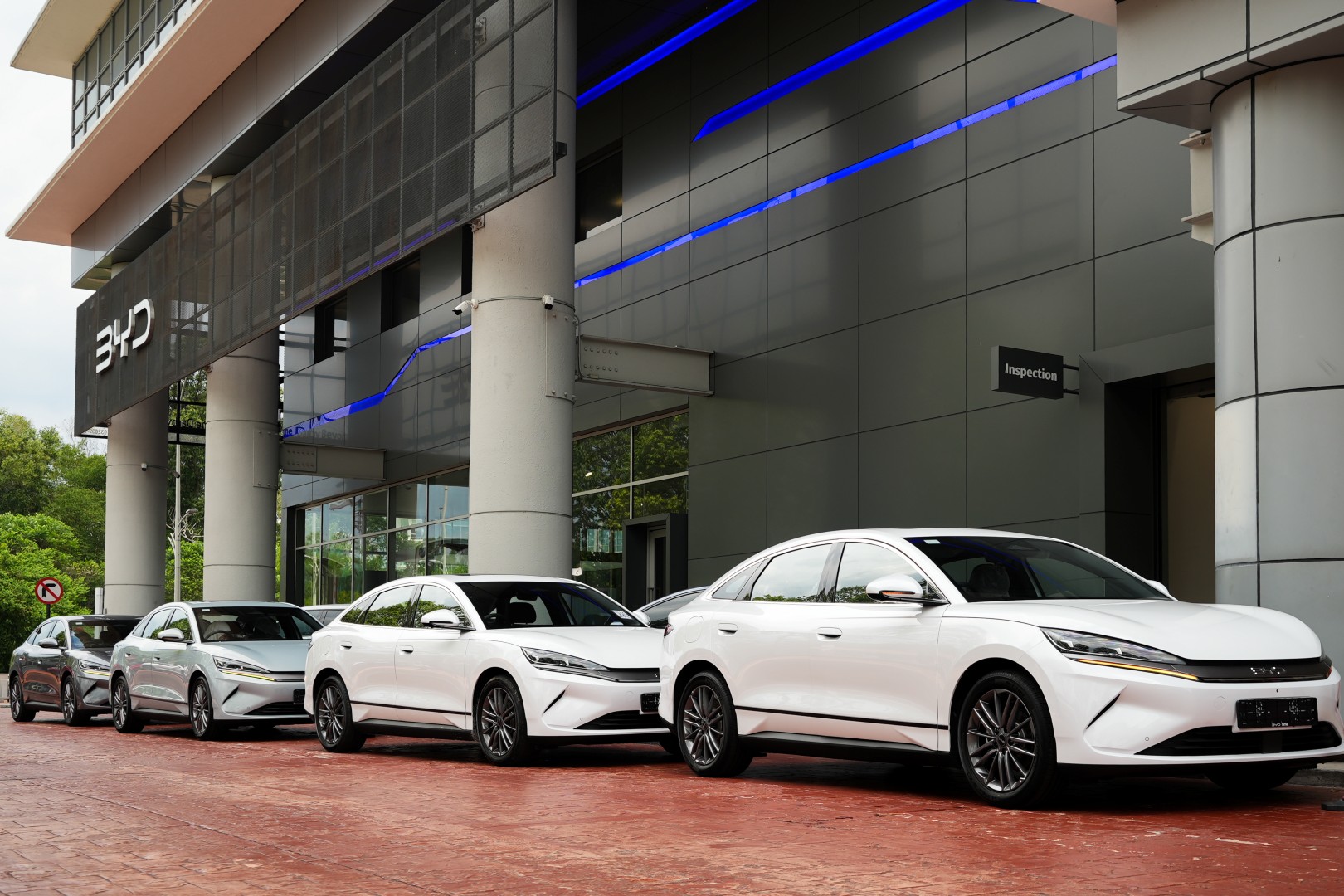
- BYD Seal
- Zeekr X
- Zeekr 7X
- Xpeng G6
- smart #1 Brabus
- GWM Ora 07
However, even qualifying models could become significantly more expensive moving forward.
Brands that are safe
Brands with confirmed or ongoing CKD (locally assembled) operations now appear to have a major advantage.
Since the new restrictions specifically target imported CBU EVs, locally assembled EVs are largely insulated from the policy change.
Among the brands currently in safer territory are:
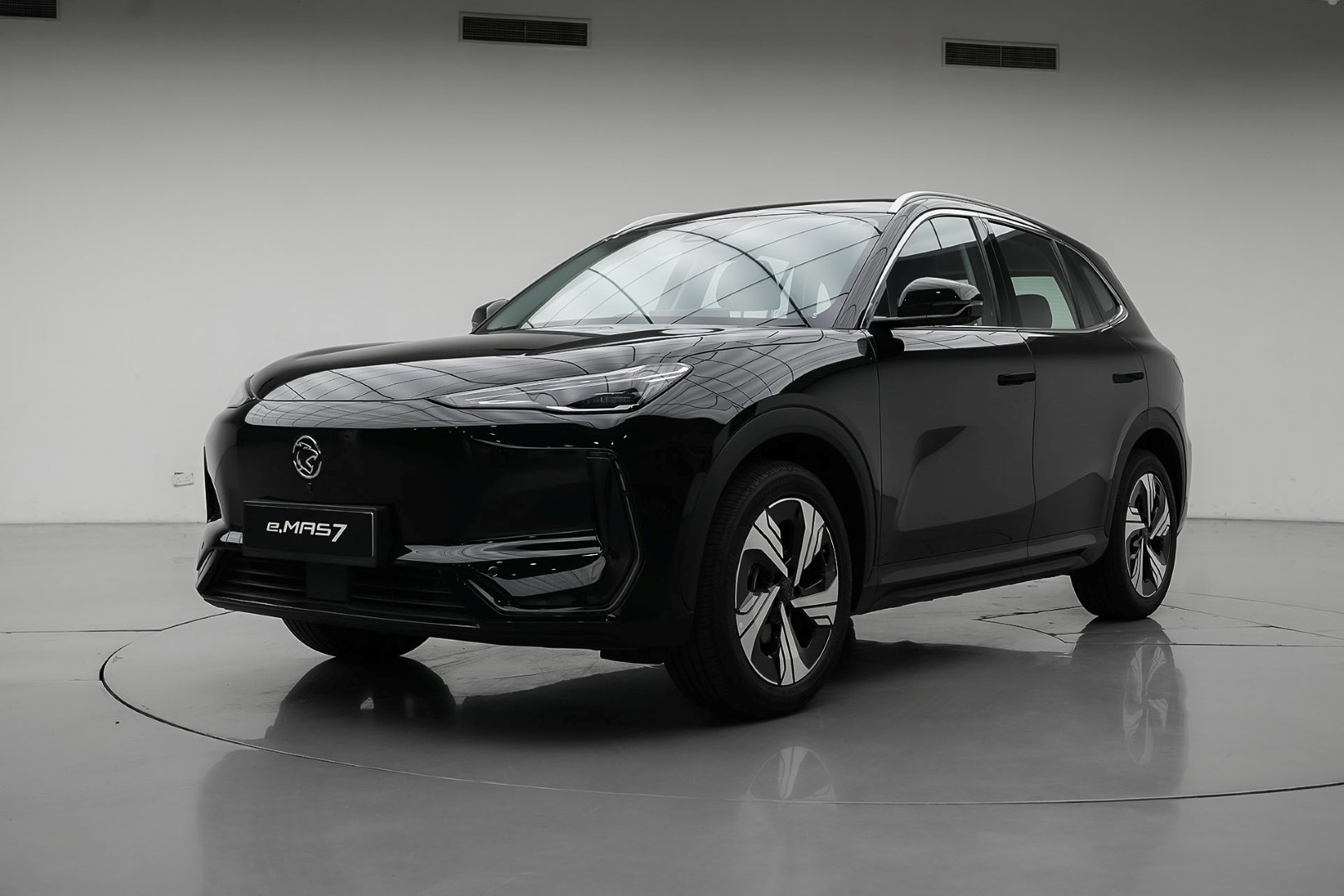
- Proton e.MAS
- Volvo
- MG
- Zeekr
- Leapmotor
- Chery/iCaur
- TQ Wuling
Proton arguably stands to gain the most.
The Proton e.MAS 7 has already emerged as one of Malaysia’s top-selling EVs, and the reduction in affordable imported rivals could further strengthen its position.
Why is the government doing this?

Officially, MITI says the policy is designed to:
- Encourage local EV assembly
- Strengthen Malaysia’s automotive ecosystem
- Increase vendor participation
- Protect long-term investments
- Create higher-value manufacturing jobs
The government has also stressed that tax incentives for imported EVs were never intended to be permanent.
The message is now becoming increasingly clear: If brands want long-term access to Malaysia’s EV market, local assembly will likely become unavoidable.
Why some industry players are concerned
Not everyone is celebrating the move. Critics argue that the new policy could:
- Reduce consumer choice
- Slow EV adoption
- Push EV prices significantly higher
- Hurt brands without immediate CKD plans
- Create uncertainty for future investments
There is also concern about the timing.

Malaysia’s EV transition is still in its early stages, and many believe removing affordable imported options too quickly could slow down the country’s overall electrification momentum.
What happens next?
MITI has clarified that:
- Existing stock already in Malaysia
- Vehicles currently at ports
- Cars already in transit
…can still be sold under the previous terms until inventories are exhausted. That means buyers may soon see aggressive promotions and “final batch” campaigns for affected models before the new rules fully take effect.
What buyers should know
For consumers, this announcement changes the EV buying landscape almost overnight. If you are considering an imported EV, the next few months could be the best opportunity before prices potentially increase or certain models disappear entirely.

At the same time, locally assembled EVs may soon become the dominant force in Malaysia’s EV market. One thing is certain — 1 July 2026 could become a defining turning point for Malaysia’s electric vehicle industry.
And for many buyers, the era of affordable imported EVs may soon be coming to an end.