
The Malaysian automotive market in 2025 once again demonstrated a clear and consistent buying pattern: consumers prioritised affordability, low ownership costs, and proven reliability.
This trend was most evident in the year’s top 10 best-selling models, where national brands Perodua and Proton dominated the rankings, while Japanese manufacturers Toyota and Honda maintained a strong foothold in key segments.

In total, Perodua delivered 359,904 vehicles in 2025, reaffirming its position as Malaysia’s largest carmaker by a significant margin. Proton followed with 157,976 units, supported by steady demand for both its entry-level sedan and compact SUV offerings.
The following list outlines the country’s 10 best-selling cars in 2025, along with insights into why these models resonated so strongly with Malaysian buyers.
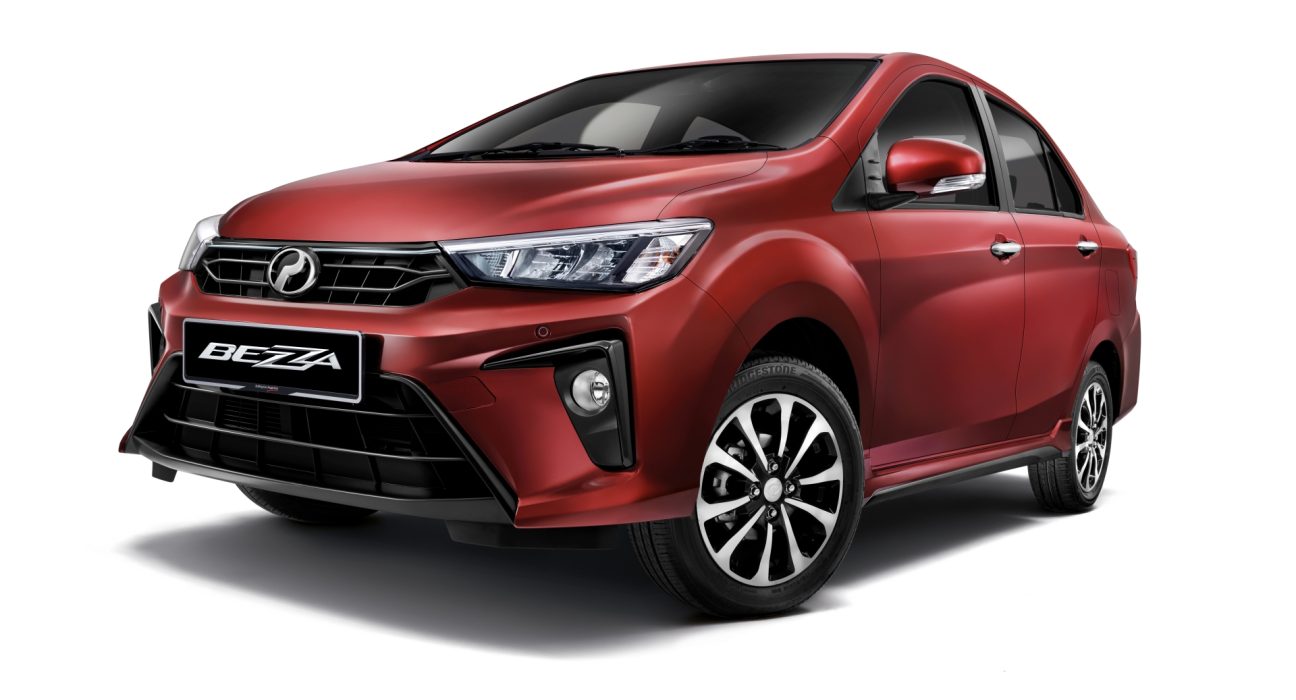
1. Perodua Bezza – 100,488 units
Claiming the top spot by a wide margin, the Perodua Bezza remained Malaysia’s most popular car in 2025. Its success is rooted in one key factor: value. As one of the most affordable sedans on sale, with prices generally ranging from the mid-RM30k bracket to just under RM50k, the Bezza offers an accessible entry point into new car ownership.
Fuel efficiency, a practical boot, and low maintenance costs make it especially attractive to first-time buyers and ride-hailing drivers. In a cost-sensitive market, the Bezza continues to set the benchmark for no-nonsense transportation.
2. Perodua Axia – 84,291 units
The Axia secured second place, reinforcing the enduring appeal of compact hatchbacks in urban Malaysia. Positioned as the country’s most affordable new car, the Axia caters to buyers who prioritise minimal upfront cost and daily usability.

With pricing starting in the low RM20k range and extending to under RM50k for higher-spec variants, it remains one of the easiest ways to get on the road in a brand-new vehicle.
Its compact dimensions, low fuel consumption, and simple mechanical package make it particularly well suited to city driving.
3. Perodua Myvi – 72,724 units
Often described as Malaysia’s “people’s car,” the Perodua Myvi continued to enjoy strong demand in 2025. Positioned above the Axia in size and equipment, the Myvi strikes a balance between affordability and versatility, appealing to young professionals and small families alike.
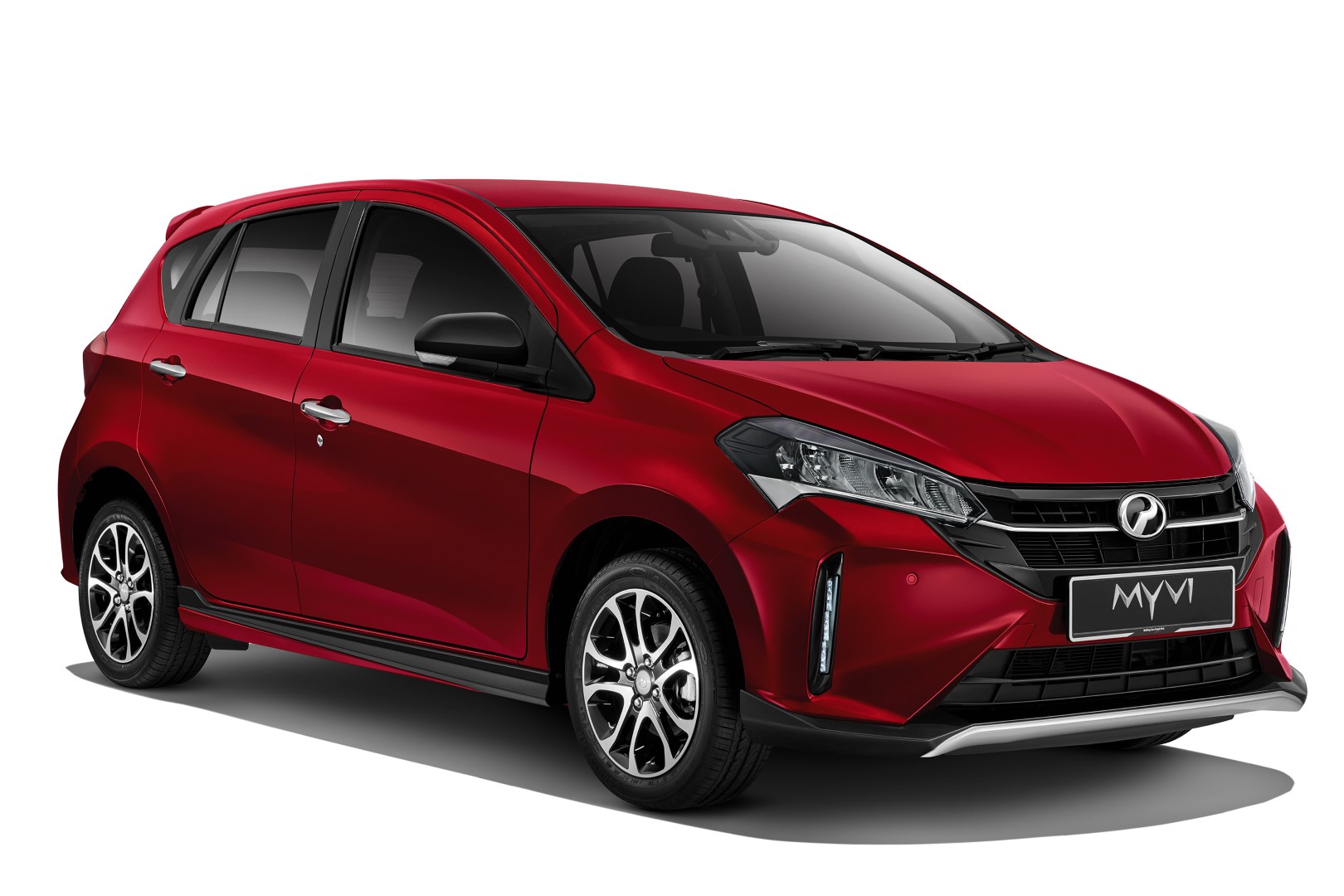
With prices typically spanning the RM40k to low RM60k range, the Myvi delivers a more refined driving experience while retaining Perodua’s hallmark low running costs.
4. Proton Saga – 70,903 units
The Proton Saga remains one of the most recognisable nameplates in the local market, and its performance in 2025 reflects that legacy. As Proton’s most affordable model, the Saga offers sedan practicality at a price point that remains within reach for many Malaysians, generally below RM50k.

Its straightforward design, solid ride quality, and competitive pricing continue to attract buyers seeking a dependable daily car without unnecessary complexity.
5. Perodua Alza – 45,534 units
Family-oriented buyers turned in large numbers to the Perodua Alza, which placed fifth overall. As one of the most affordable MPVs in the market, the Alza provides seating for up to seven occupants at a price that undercuts many SUVs.

With pricing typically starting in the mid-RM60k range and extending into the RM70k bracket, the Alza appeals to growing families who need space, flexibility, and manageable ownership costs.
6. Perodua Ativa – 38,609 units
The popularity of compact SUVs remained strong in 2025, and the Perodua Ativa was a major beneficiary of that trend. Its combination of SUV styling, turbocharged performance, and modern safety features made it one of the most compelling choices in its segment.
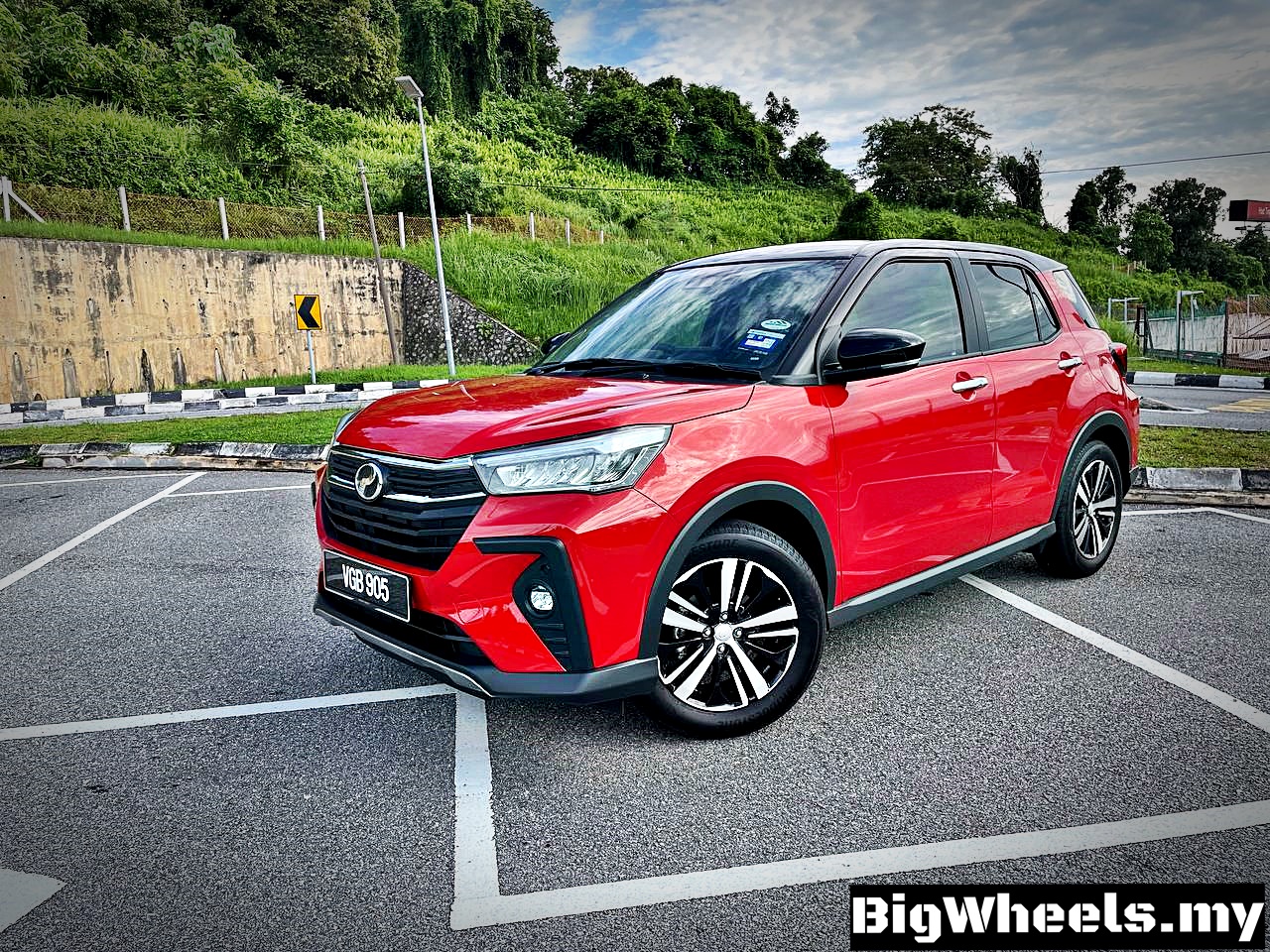
Positioned between roughly RM60k and RM75k, the Ativa offers an elevated driving position and contemporary design without straying too far from the affordability Perodua is known for.
7. Toyota Vios – 31,776 units
The Toyota Vios was the highest-placed non-national model on the list, underscoring the enduring trust Malaysian buyers place in Toyota. Positioned in the B-segment sedan category, the Vios is valued for its refinement, reliability, and strong resale value.

With prices approaching the RM90k to RM95k range, it sits well above entry-level local sedans but continues to attract buyers seeking long-term dependability and a more premium ownership experience.
8. Toyota Hilux – 28,118 units
Malaysia’s best-selling pickup truck once again earned a place in the top 10. The Toyota Hilux enjoys widespread popularity among commercial operators, rural users, and lifestyle buyers alike. Its reputation for durability and off-road capability remains largely unmatched.
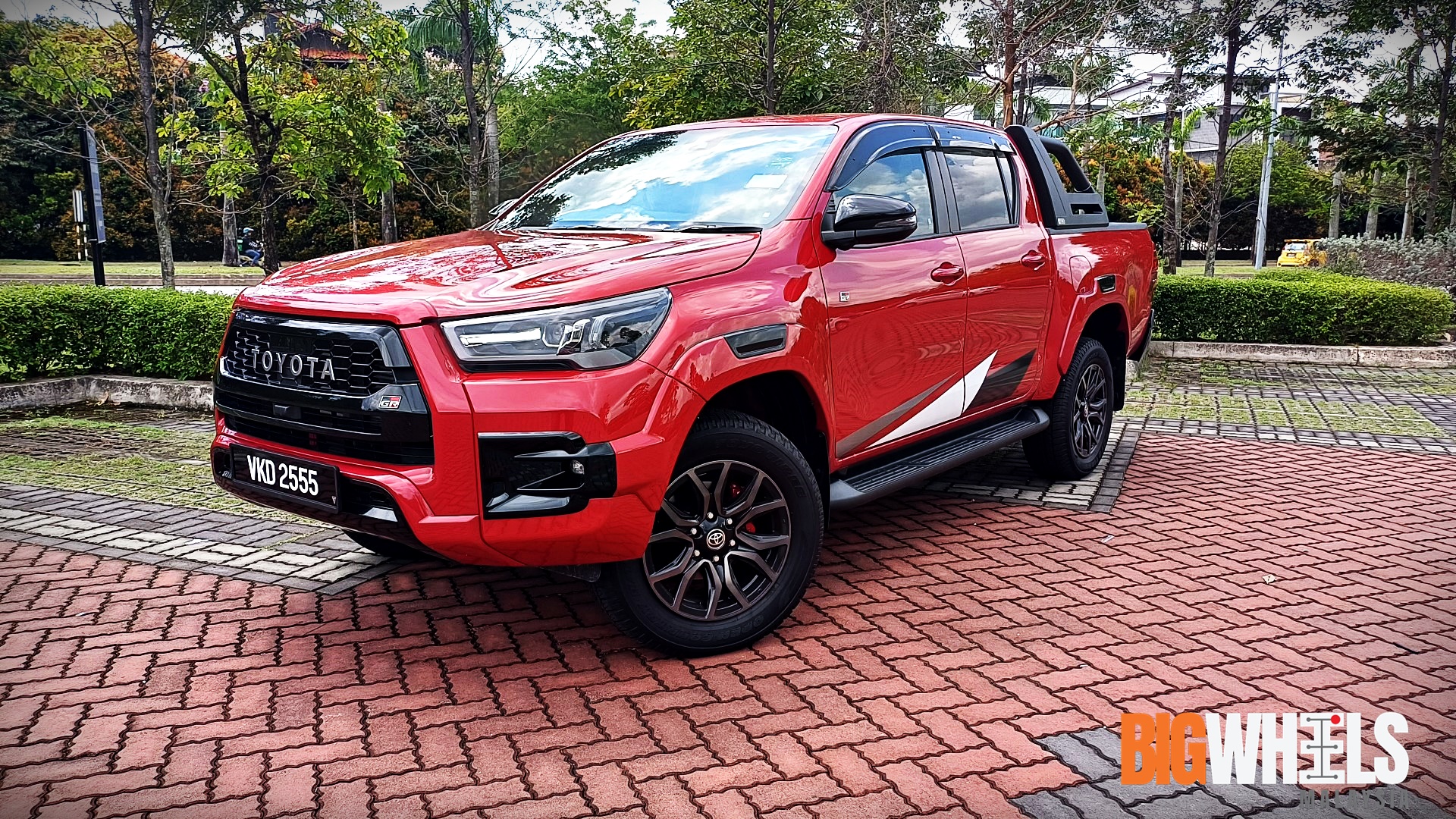
Pricing varies significantly depending on variant and drivetrain, with most versions positioned well above RM100k, yet demand remained strong throughout 2025.
9. Honda City – 27,107 units
The Honda City continued to be a strong contender in the compact sedan segment, offering a blend of comfort, driving engagement, and interior space. Its sleek design and refined powertrain have helped it maintain relevance despite rising competition.

With pricing that generally spans from the mid-RM80k range to above RM110k for higher variants, the City appeals to buyers looking for a step up from basic transportation.
10. Proton X50 – 26,310 units
Rounding out the top 10 is the Proton X50, one of the most successful SUVs in Proton’s modern lineup. Its sharp styling, strong performance figures, and generous standard equipment have made it a popular choice among younger buyers.

With entry pricing around the mid-RM80k mark and higher-spec variants costing more, the X50 competes directly with imported rivals while benefiting from local pricing advantages.
Key Takeaways from 2025
The 2025 sales rankings clearly indicate that price sensitivity and practicality remain key factors in purchasing decisions in Malaysia. Perodua’s overwhelming presence in the top 10 highlights the strength of its product planning and deep understanding of local needs. Proton’s steady performance, meanwhile, reflects a successful balance between traditional value models and trend-driven SUVs.
While Japanese brands continue to command respect for quality and reliability, national manufacturers remain firmly entrenched as the backbone of Malaysia’s automotive market — a position they show no signs of relinquishing anytime soon despite the rise of brands from China.