
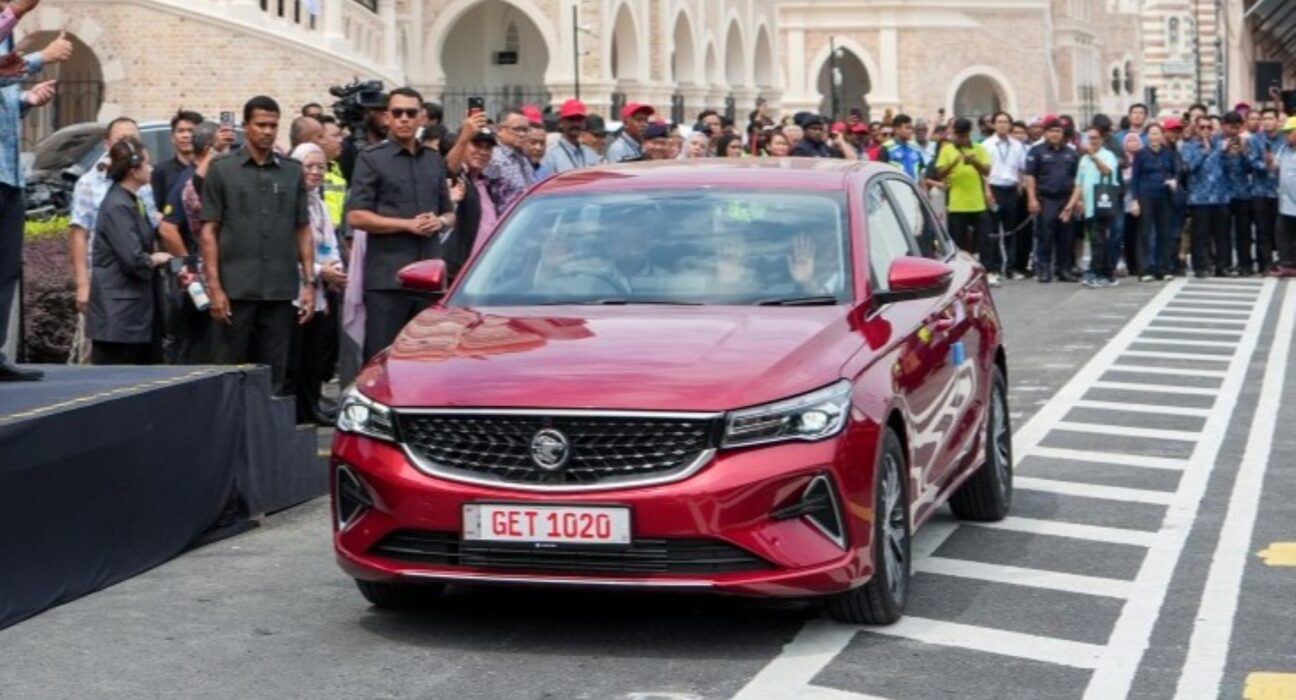
Malaysia’s taxi industry is getting a long-overdue refresh, and Proton is at the centre of it with the Teksi MADANI.
Through the Program Pembaharuan Teksi MADANI Nasional, the government aims to replace ageing taxis with modern, safer and more efficient vehicles, improving the experience for both drivers and passengers while giving Malaysia’s public transport image a much-needed boost.
Here’s what you need to know.
What is the Teksi MADANI programme?
The Program Pembaharuan Teksi MADANI Nasional is a government initiative led by the Ministry of Transport to modernise Malaysia’s taxi fleet.
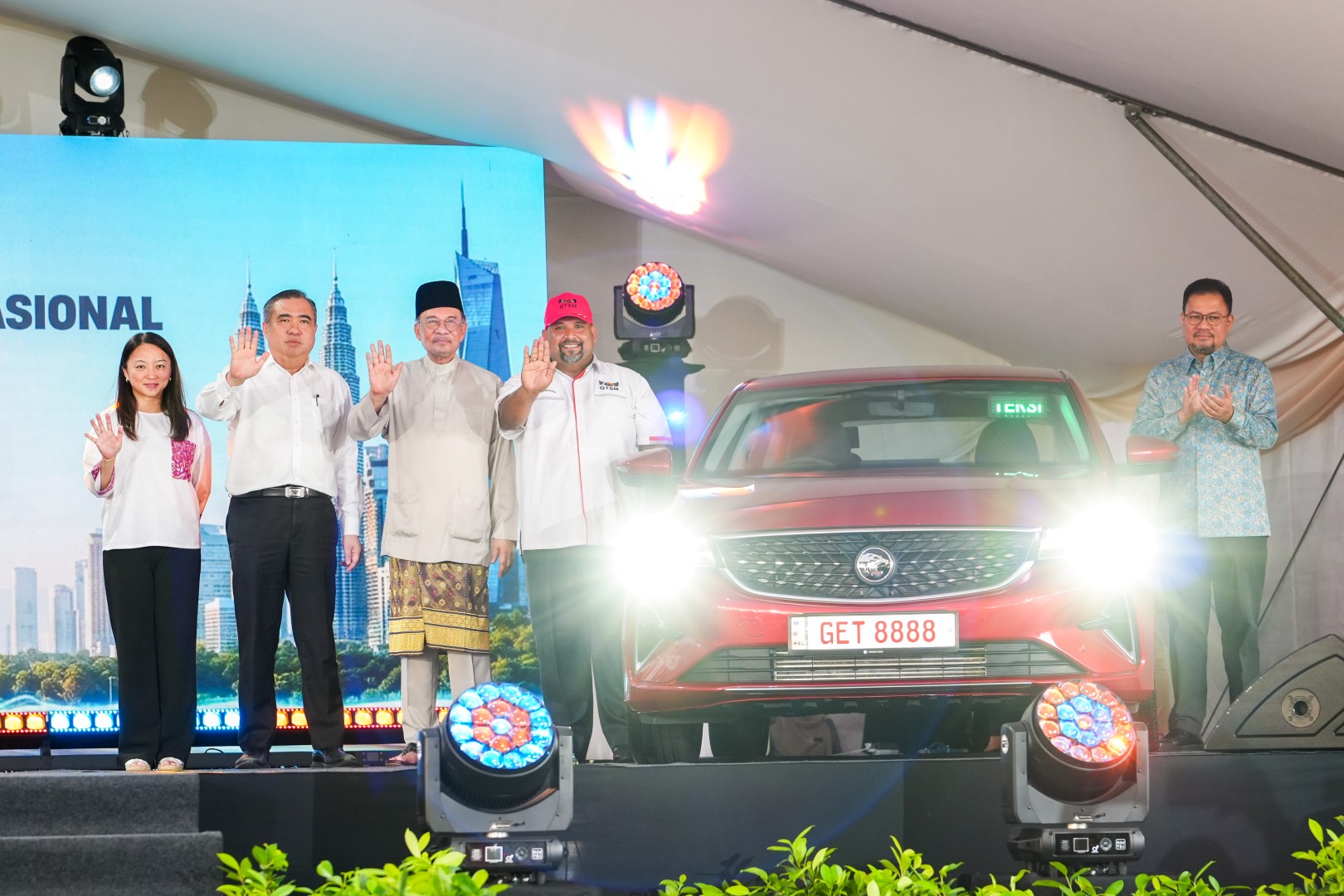
Rather than simply swapping old cars for new ones, the programme is designed to raise the overall standard of public mobility by introducing vehicles that offer better comfort, improved safety, lower running costs and greater reliability.
The initiative also supports the broader Malaysia MADANI agenda by helping taxi drivers reduce operating costs, improving earning potential, and enhancing the travel experience ahead of Visit Malaysia Year 2026.
Why was the Proton S70 chosen?
For this programme, the chosen vehicle is the Proton S70 Premium, specially prepared for public mobility duties.
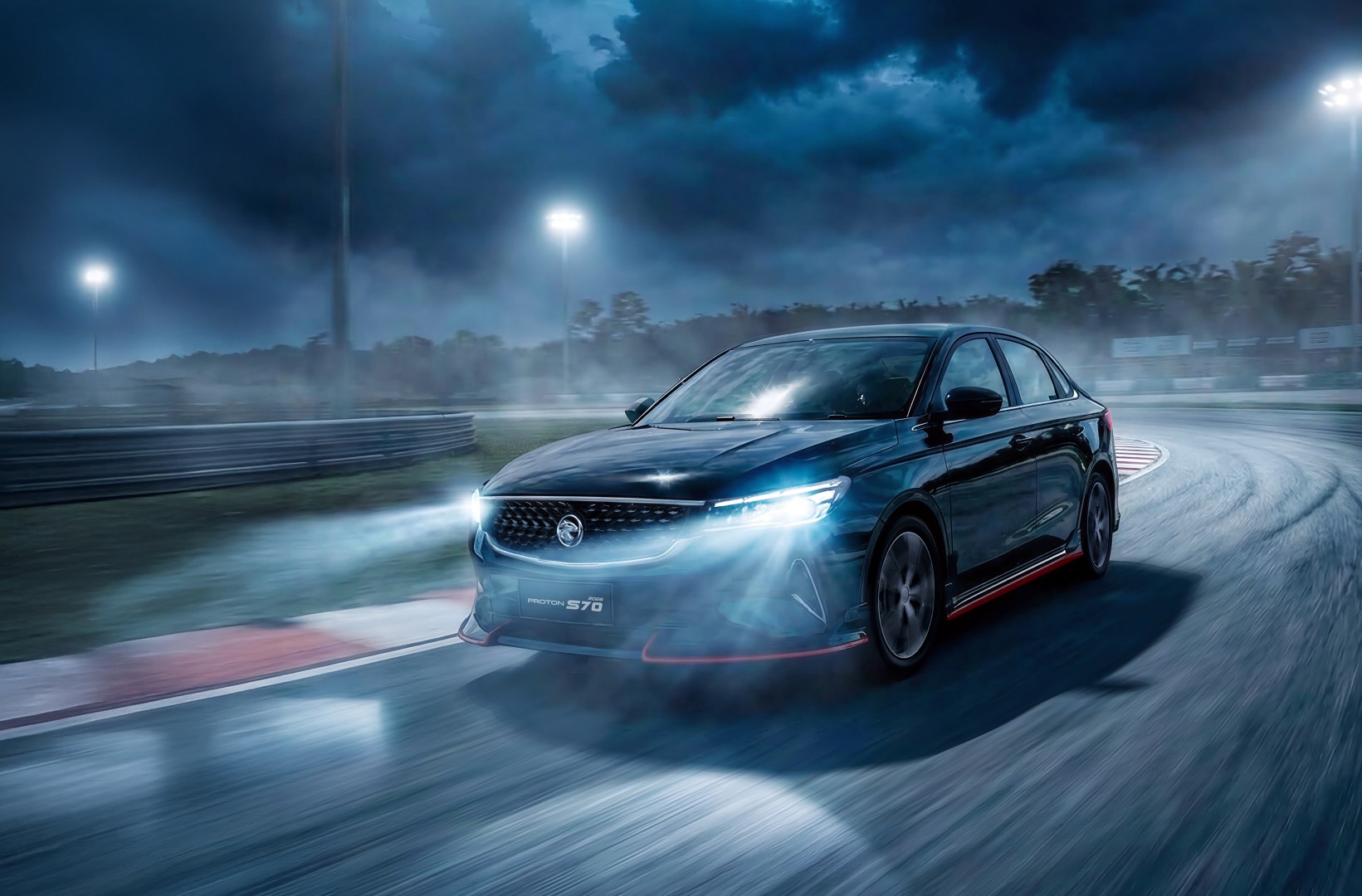
The S70 ticks many of the boxes taxi operators need:
- Spacious rear cabin with generous legroom for passengers
- Large boot for airport transfers and luggage
- Turbocharged engine that balances performance with fuel efficiency
- Comfortable ride quality to reduce driver fatigue during long shifts
- Modern connectivity features
- Advanced safety technologies
- Backed by Proton’s nationwide after-sales and service network
For operators, that combination translates into lower ownership costs, less downtime and easier maintenance. For passengers, it means a more comfortable and safer journey.
A dedicated taxi specification
Eligible taxi operators won’t simply be buying a standard showroom S70.
Instead, they’ll receive a specially prepared S70 Premium configured specifically for licensed taxi operations.
The vehicle will be offered exclusively in Ruby Red and comes equipped with the additional equipment required for public transport use.
To make fleet renewal more affordable, the programme also includes incentives from both the Government and Proton.
Who can apply?
The programme isn’t open to everyone.
Only taxi operators who meet the eligibility requirements set by the Land Public Transport Agency (APAD), including holding the necessary operating permits, can participate.
Applications and further information are available through PROTON dealerships nationwide.
More than just replacing taxis
Beyond improving the taxi fleet, the initiative also supports Malaysia’s automotive industry.
Because the Proton S70 is locally assembled with significant Malaysian engineering, manufacturing and supplier involvement, every vehicle contributes to local jobs, vendor development and technology growth.
Its selection also reinforces confidence that a Malaysian-built sedan can deliver the quality, refinement and technology expected in today’s competitive automotive market.
Proton: Supporting nation-building through mobility
According to Proton Deputy Chief Executive Officer Dato’ Ir. Abdul Rashid Musa, the company sees its role as extending beyond manufacturing cars.
He said the Teksi MADANI programme demonstrates what can be achieved when the government and industry work together, while also showcasing the capabilities of Malaysian engineering and manufacturing.
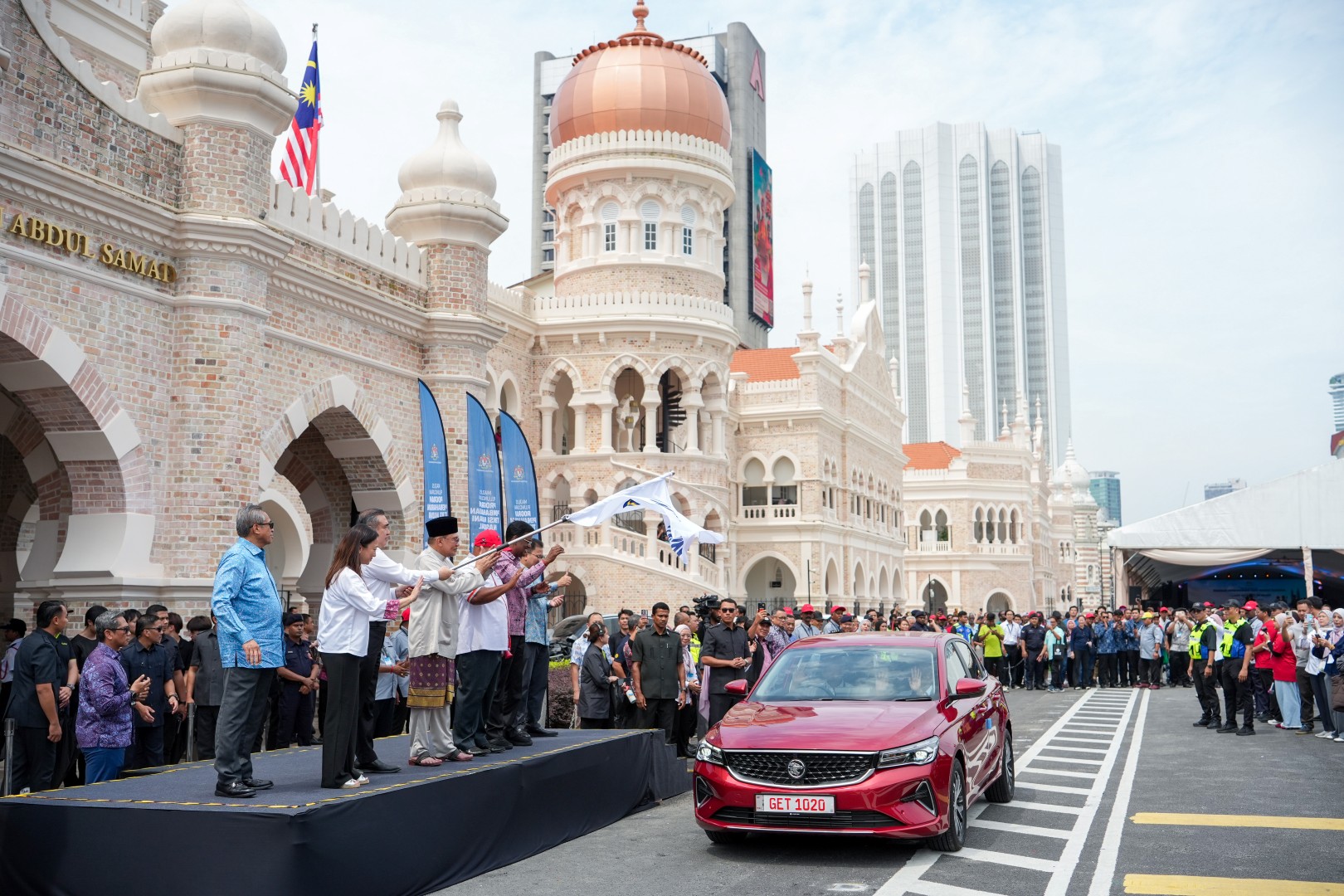
With its blend of comfort, efficiency, safety and reliability, the Proton S70 was chosen as a practical solution for the demanding nature of taxi operations—while proving that a home-grown automotive brand is capable of meeting world-class standards.
Bottom line
The Program Pembaharuan Teksi MADANI Nasional isn’t just about giving taxi drivers new cars.
It’s an effort to modernise Malaysia’s public mobility ecosystem, improve the daily commuting experience, support drivers’ livelihoods and strengthen the country’s automotive industry at the same time.
If successful, passengers can expect cleaner, safer and more comfortable taxis, while drivers benefit from lower operating costs and a vehicle designed specifically for the demands of everyday commercial use.