
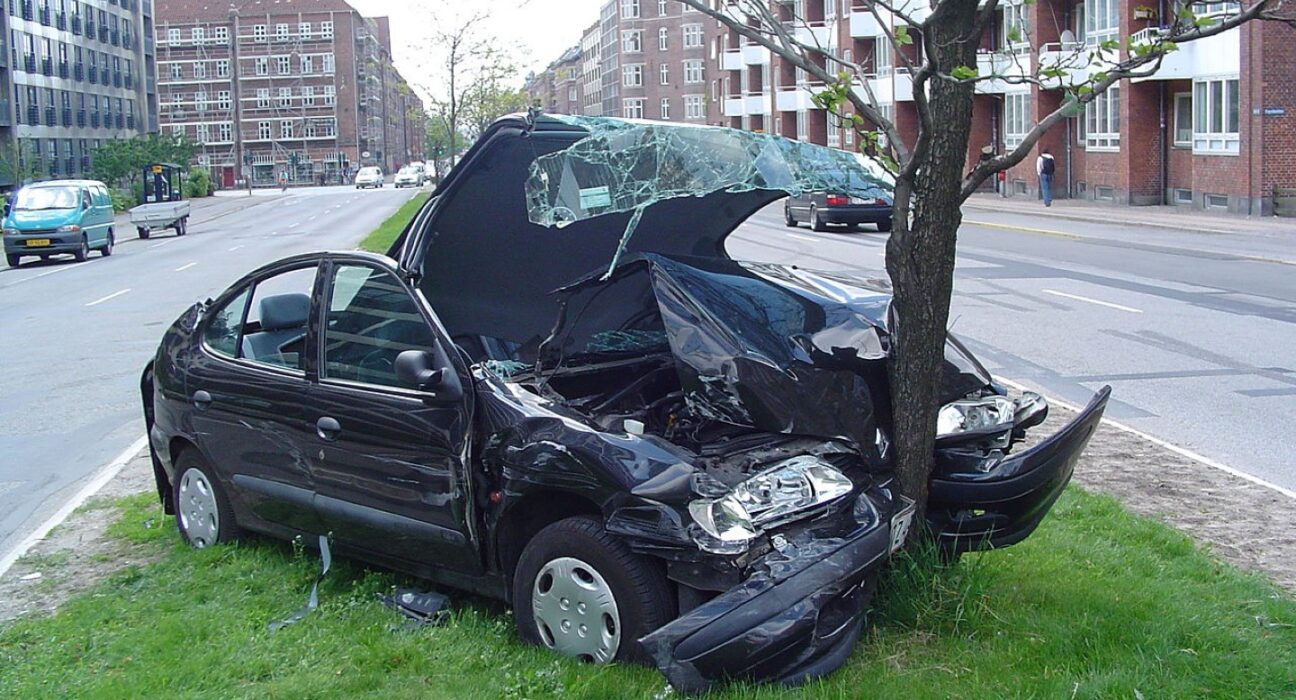
Malaysia’s general insurance industry may have posted a healthy RM1.2 billion underwriting profit in 2025, but there is one major problem hiding beneath the surface — motor insurance is still bleeding money, and that matters to almost every Malaysian driver.
According to the latest figures released by the General Insurance Association of Malaysia (PIAM), motor insurance remained the industry’s biggest segment last year, contributing RM10.9 billion or 45.2% of total premiums collected. However, insurers still recorded an underwriting loss of RM289.3 million from motor policies alone.
In simple terms, insurers are paying out more in claims than they are collecting in premiums.
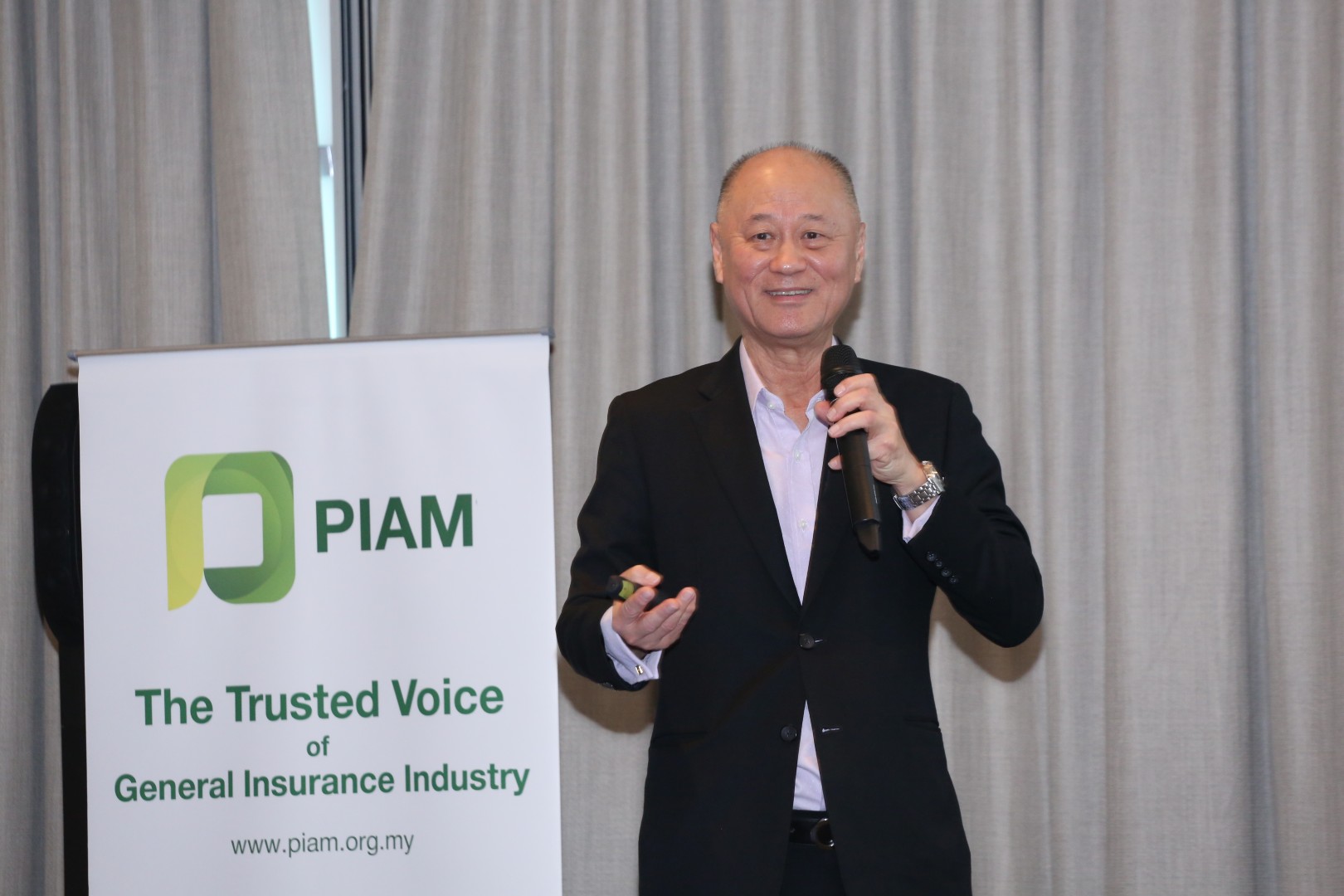
The industry’s motor insurance Combined Ratio — a key profitability indicator — stood at 103%, meaning insurers paid RM103 in claims and expenses for every RM100 earned from premiums.
While that is a slight improvement from 2024, the numbers reveal growing pressure in Malaysia’s car ownership ecosystem, especially as repair costs continue to climb.
One of the biggest concerns is the rising cost of accident repairs. PIAM says average claim severity for private cars rose to RM8,831 in 2025, driven largely by spare parts inflation.
Interestingly, the report specifically highlighted popular models such as the Proton Saga and Proton X50 among vehicles contributing to rising repair costs.
At the same time, accident frequency remains stubbornly high, with private car claim frequency staying above 7%. Given how common SUVs like the Proton X50 and X70 have become on Malaysian roads — particularly among younger drivers — insurers are now seeing a higher concentration of claims from these segments.
For motorists, this could eventually translate into higher premiums, stricter underwriting, or changes in policy structures as insurers try to restore profitability.
But the issue goes beyond just accidents. Malaysia’s insurers are also preparing for a new generation of risks brought by electric vehicles, connected cars, and increasingly expensive automotive technology.
Modern vehicles now feature advanced sensors, driver assistance systems, cameras, radar modules, and sophisticated electronics that can dramatically increase repair bills even after relatively minor accidents.
Climate-related risks are also becoming harder to ignore. Following severe flooding incidents across the region, including the Hat Yai floods in late 2025, insurers have been forced to improve emergency response systems and speed up claims support for stranded motorists.
The industry is now placing greater emphasis on comprehensive coverage and flood protection awareness, particularly as unpredictable weather events become more common.
To improve the ownership experience and reduce fraud, insurers are also accelerating digitalisation efforts. One key initiative is the Digital Roadside Assistance (DRA) application, which aims to make towing services, roadside assistance, and claims processing more transparent and efficient.
At the same time, insurers are trying to balance rising operating costs with affordability concerns, especially as Malaysians become more price-sensitive amid inflationary pressures.
Despite the losses in motor insurance, the overall general insurance industry remained profitable thanks to strong contributions from other segments such as fire insurance, which recorded RM700.8 million in underwriting profit.
Still, for everyday Malaysians, the biggest takeaway is clear — the cost of owning and insuring a car is steadily rising, and the era of cheaper motor insurance may be slowly coming to an end.