
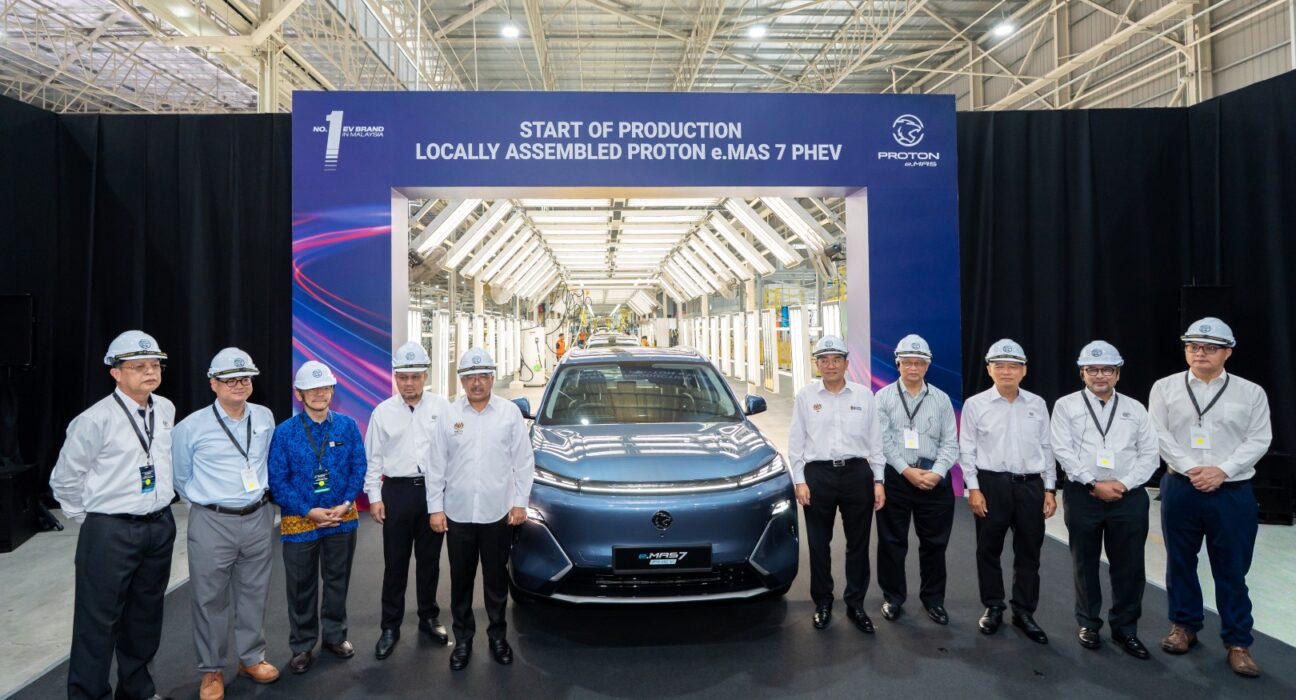
The Proton e.MAS 7 PHEV has already established itself as Malaysia’s best-selling plug-in hybrid. Now, Proton is using the model to take a much bigger step – building more of it in Malaysia.
PRO-NET has begun local assembly of the e.MAS 7 PHEV at Proton’s EV plant in Tanjong Malim, marking the latest step in the company’s push to develop Malaysia’s capabilities in electrified vehicle manufacturing.
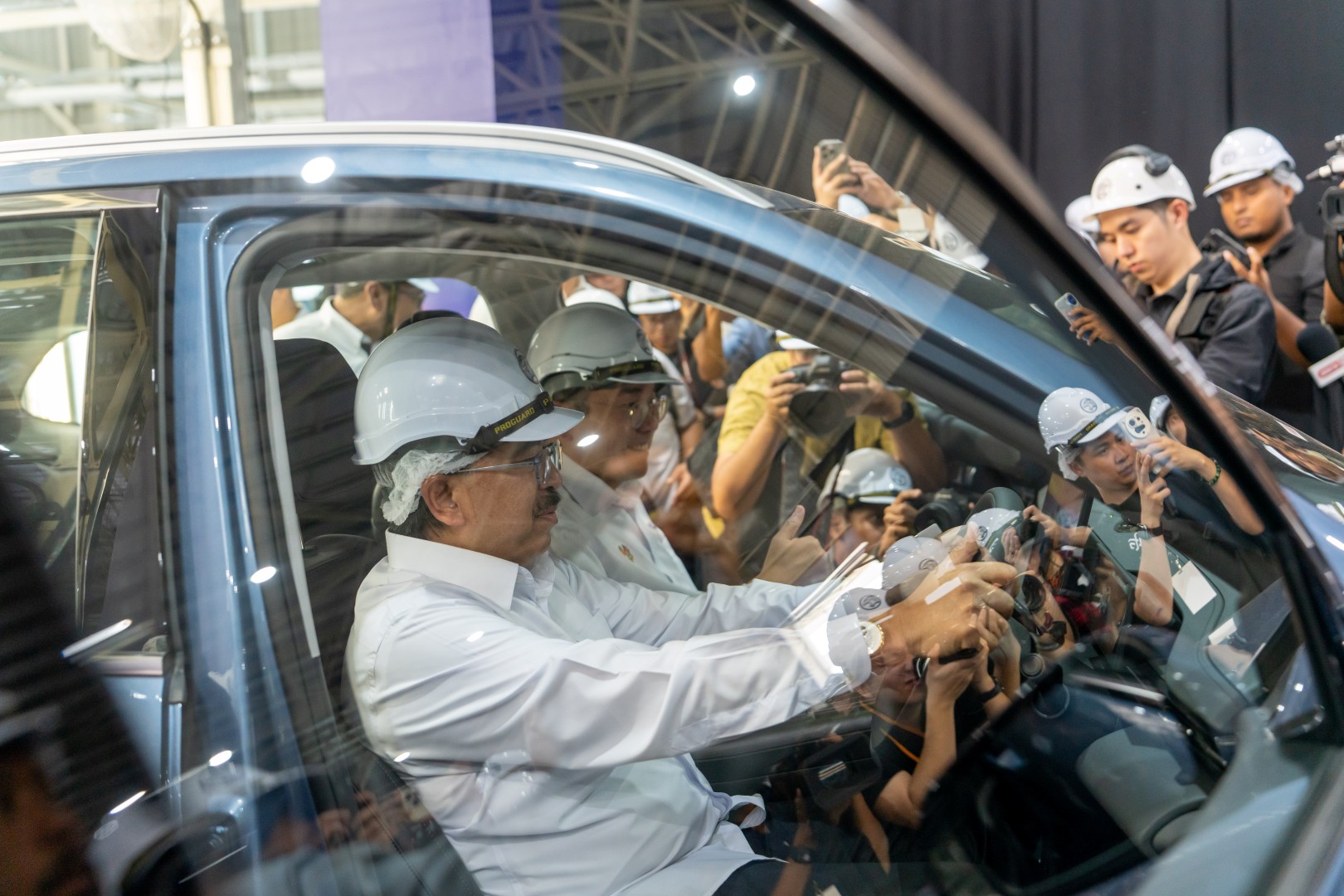
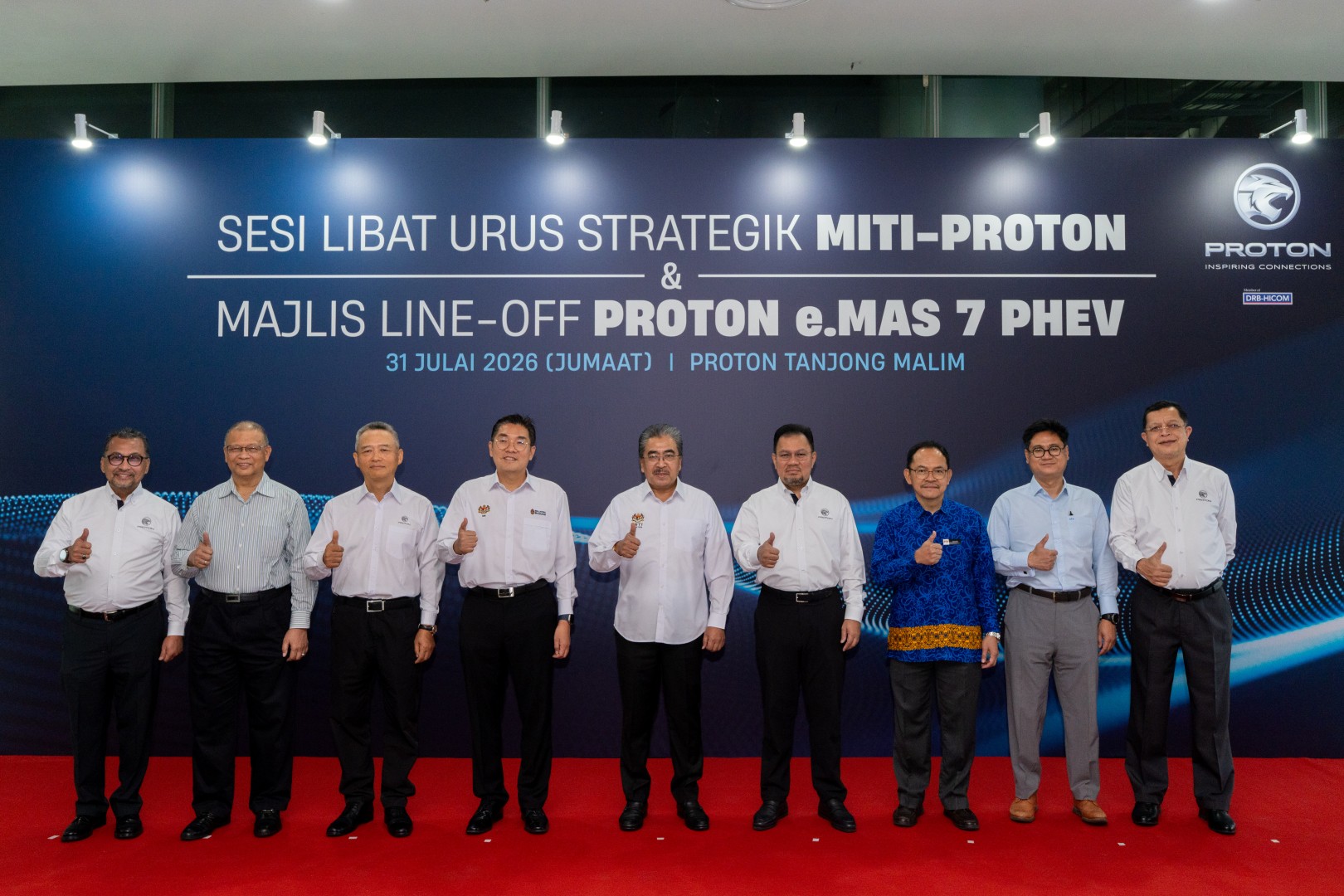
The locally assembled, or CKD, e.MAS 7 PHEV rolled off the production line on 31 July 2026 at the Automotive High Tech Valley (AHTV), with the ceremony officiated by Investment, Trade and Industry Minister Datuk Seri Johari Abdul Ghani.
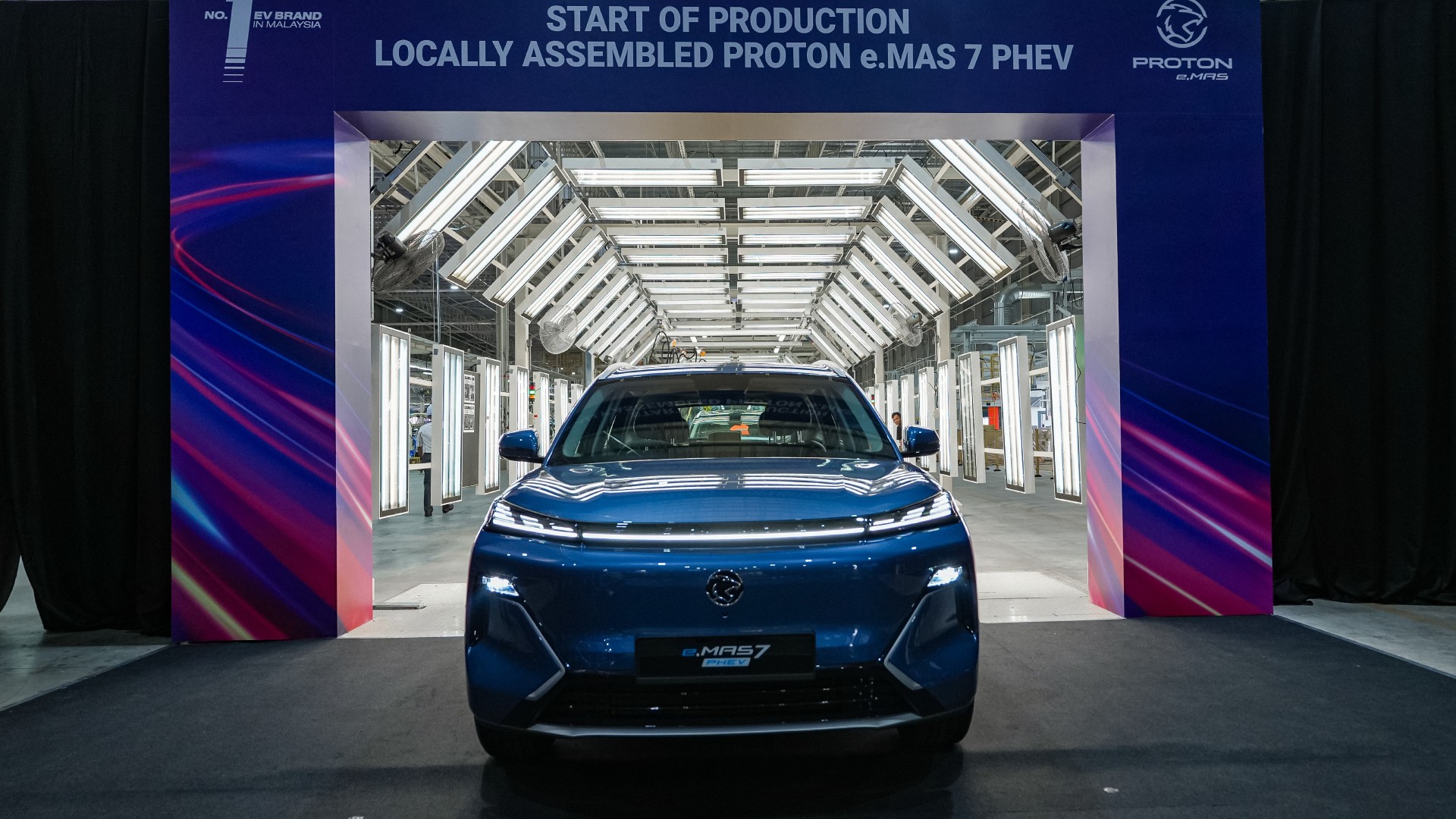
While the move means more e.MAS 7 PHEVs will now be built locally, the bigger significance lies further up the supply chain.
The CKD programme currently sources 30% of the vehicle’s components locally, bringing Malaysian suppliers further into the electrified vehicle ecosystem and potentially opening the door to greater localisation in the future.
This is particularly significant because electrified vehicles require a different manufacturing and supplier ecosystem from conventional internal-combustion cars, with areas such as battery systems, power electronics and electric drive components becoming increasingly important.
For Proton, the e.MAS 7 PHEV therefore serves as more than another model in its growing electrified line-up. It is becoming a vehicle through which the company can progressively build local expertise in EV and hybrid manufacturing.
The e.MAS 7 PHEV gives Proton a strong starting point
There is also a commercial reason for choosing the e.MAS 7 PHEV as part of this localisation push.
The model has recorded more than 4,500 registrations year-to-date, while cumulative bookings have exceeded 11,000 units, making it Malaysia’s best-selling PHEV.
That demand gives Proton a meaningful volume base from which to develop local assembly rather than introducing CKD production for a low-volume niche model.
With the e.MAS 7 PHEV now locally assembled, all three Proton e.MAS models and their variants are produced locally, marking an important milestone for PRO-NET. The company is also expanding the manufacturing facility to support this growth.
Proton announced earlier this year that it would invest RM37 million to expand its New Energy Vehicle assembly plant, less than a year after the facility began operations. Once completed, annual production capacity is expected to rise to 42,000 units.
The expansion suggests Proton is planning beyond the current generation of e.MAS products and expects electrified vehicles to become an increasingly important part of its manufacturing operations.
The plant currently employs 391 personnel, with the increased localisation effort expected to create opportunities for more high-value jobs and greater participation from Malaysian suppliers.
CKD also brings product upgrades
The shift to local assembly comes with some product changes for the e.MAS 7 PHEV. The Premium and Premium Plus variants now gain front massage seats, adding another comfort feature to what is positioned as a family-oriented electrified SUV.
The update also highlights another advantage of having an established local operation: products can potentially be refined and updated more readily in response to customer feedback and market requirements.
Underneath, the e.MAS 7 PHEV continues to use the EM-i Advanced Hybrid Technology, combining a petrol engine with an electric motor.
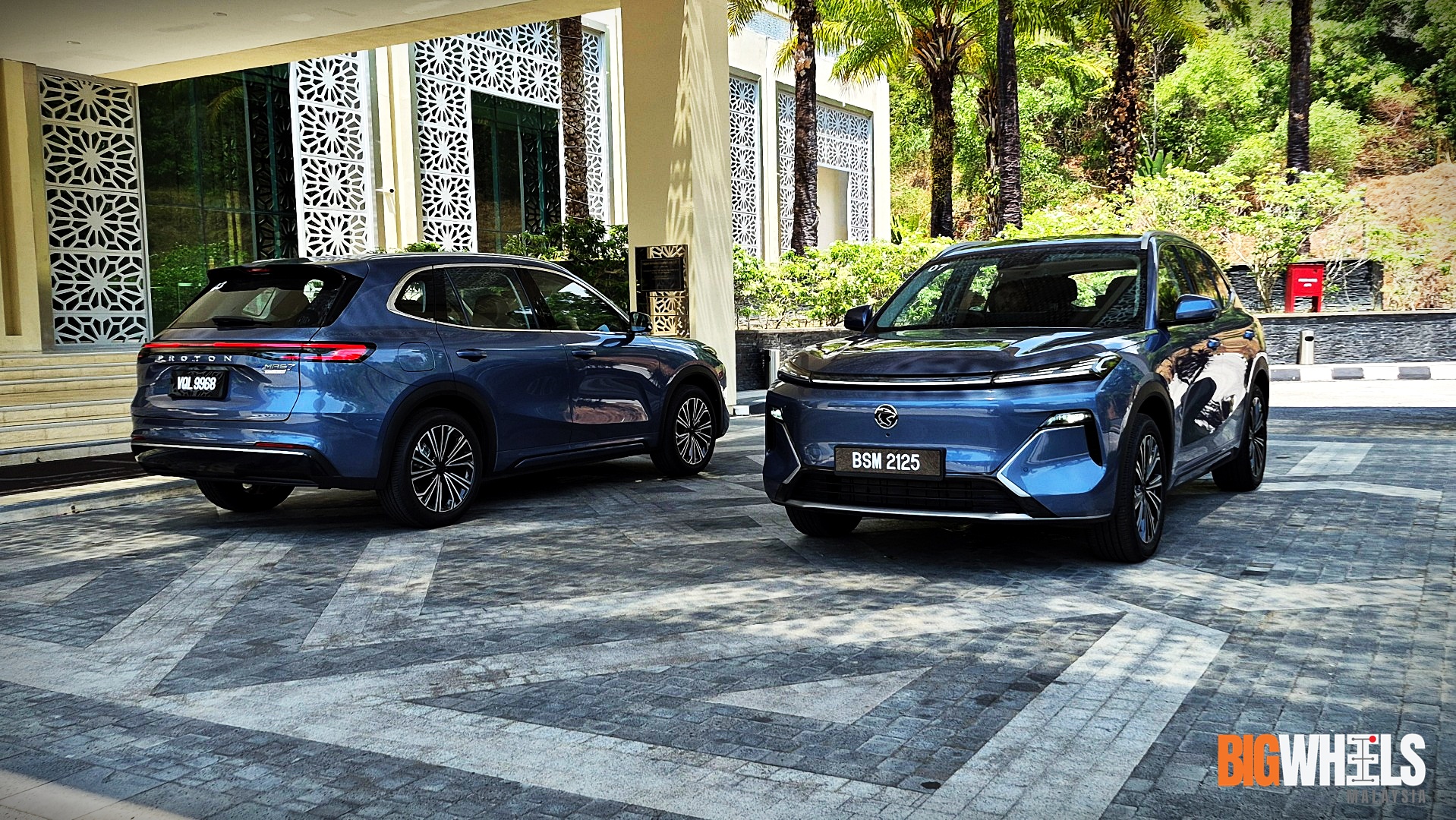
It offers a claimed fuel consumption figure of 4.3 litres/100km, up to 170km of pure electric driving range and a total combined range of up to 1,065km.
DC fast charging, connectivity features and a comprehensive suite of ADAS technologies further position it as a bridge between conventional petrol-powered vehicles and full EV ownership.
And that may ultimately be why the e.MAS 7 PHEV is particularly important to Proton. Rather than forcing buyers to make an immediate switch to a fully electric vehicle, it offers electric driving for daily use while retaining the flexibility of a petrol-powered drivetrain for longer journeys.
More than just another CKD model
The locally assembled e.MAS 7 PHEV is therefore less about adding another CKD model to Proton’s production line and more about where Proton wants its electrification strategy to go next.
The company now has the products, a dedicated EV manufacturing facility, a growing customer base and an expanding network of local suppliers.
The next challenge will be increasing that 30% local content figure while developing the technical expertise and manufacturing capabilities needed to support increasingly sophisticated electrified vehicles.
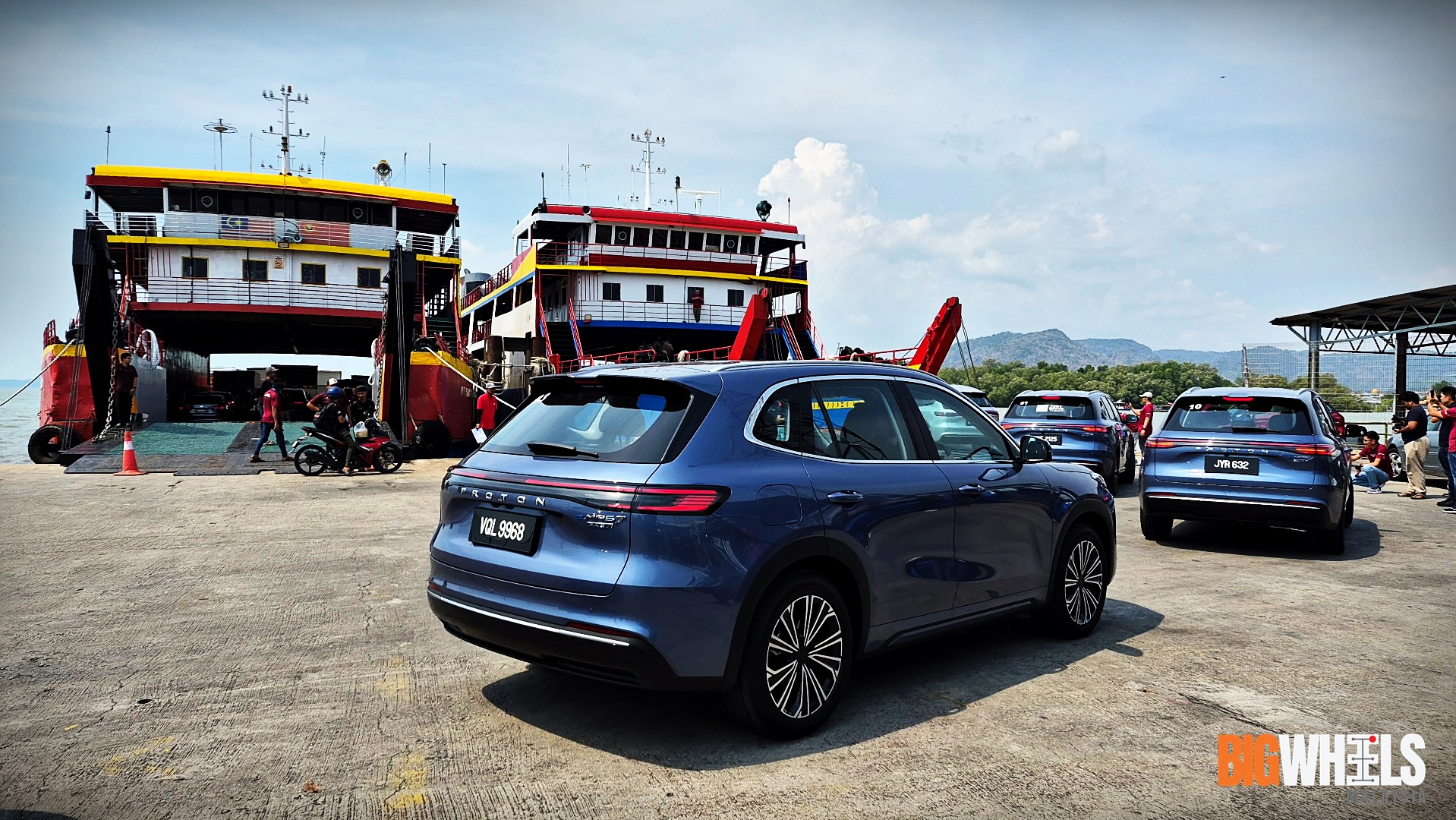
If Proton can achieve that, the e.MAS 7 PHEV’s transition from imported vehicle to locally assembled model could eventually be remembered as more than a production milestone.
It could be one of the early steps in Proton’s attempt to make electrified vehicle manufacturing a genuine Malaysian industrial capability, rather than simply an extension of the country’s existing automotive industry.