
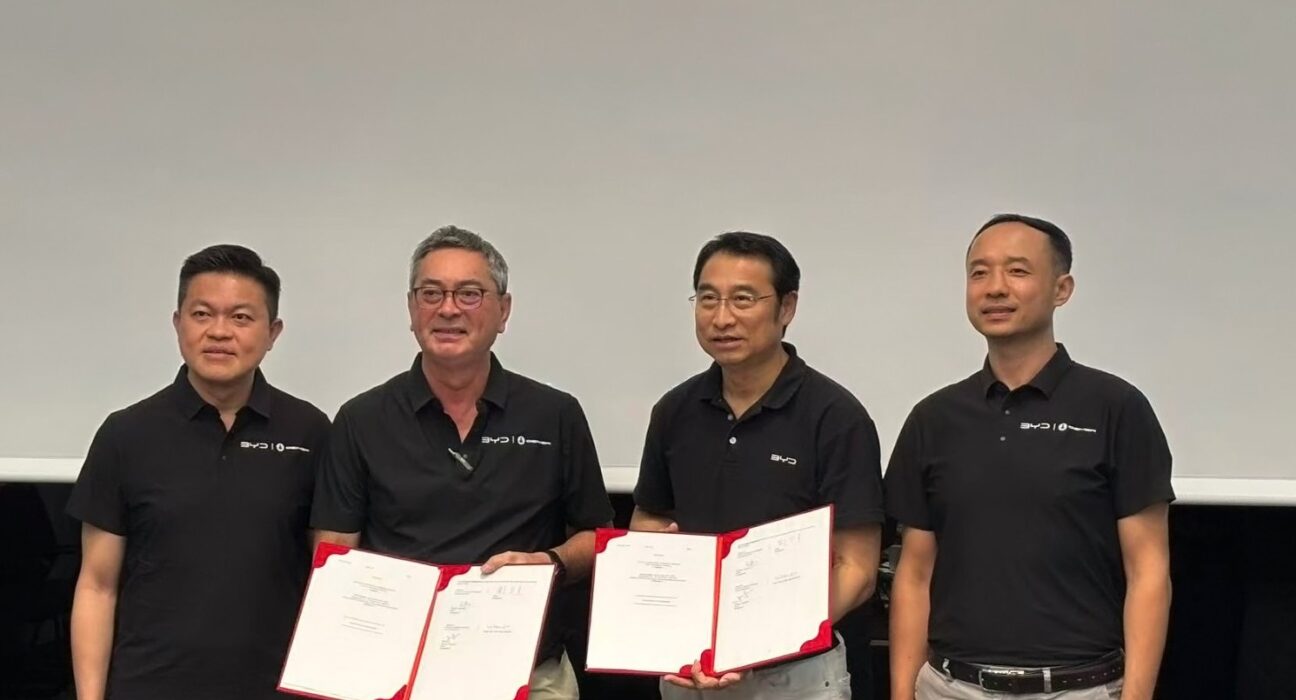
BYD Malaysia has appointed Inokom Corporation Sdn Bhd, a subsidiary of Sime Motors, as its local assembly partner, taking a significant step towards assembling its electric vehicles in Malaysia.
Announced on 15 October 2026, the partnership was formalised through a memorandum of understanding (MoU) signed at BYD’s global headquarters in Shenzhen, China. Assembly is planned at Inokom’s existing manufacturing facility in Kulim, Kedah, although details of the models involved, production timeline and investment have yet to be disclosed.
The appointment positions BYD to build on Malaysia’s established automotive manufacturing infrastructure rather than develop its assembly capabilities entirely from scratch. Inokom brings existing production facilities, an experienced workforce and access to a local supply chain, providing a foundation for BYD’s planned completely knocked-down (CKD) operations.
For BYD, the move represents more than a manufacturing arrangement. It is another step in establishing a deeper local presence as the Chinese electric vehicle giant expands its business in Malaysia.
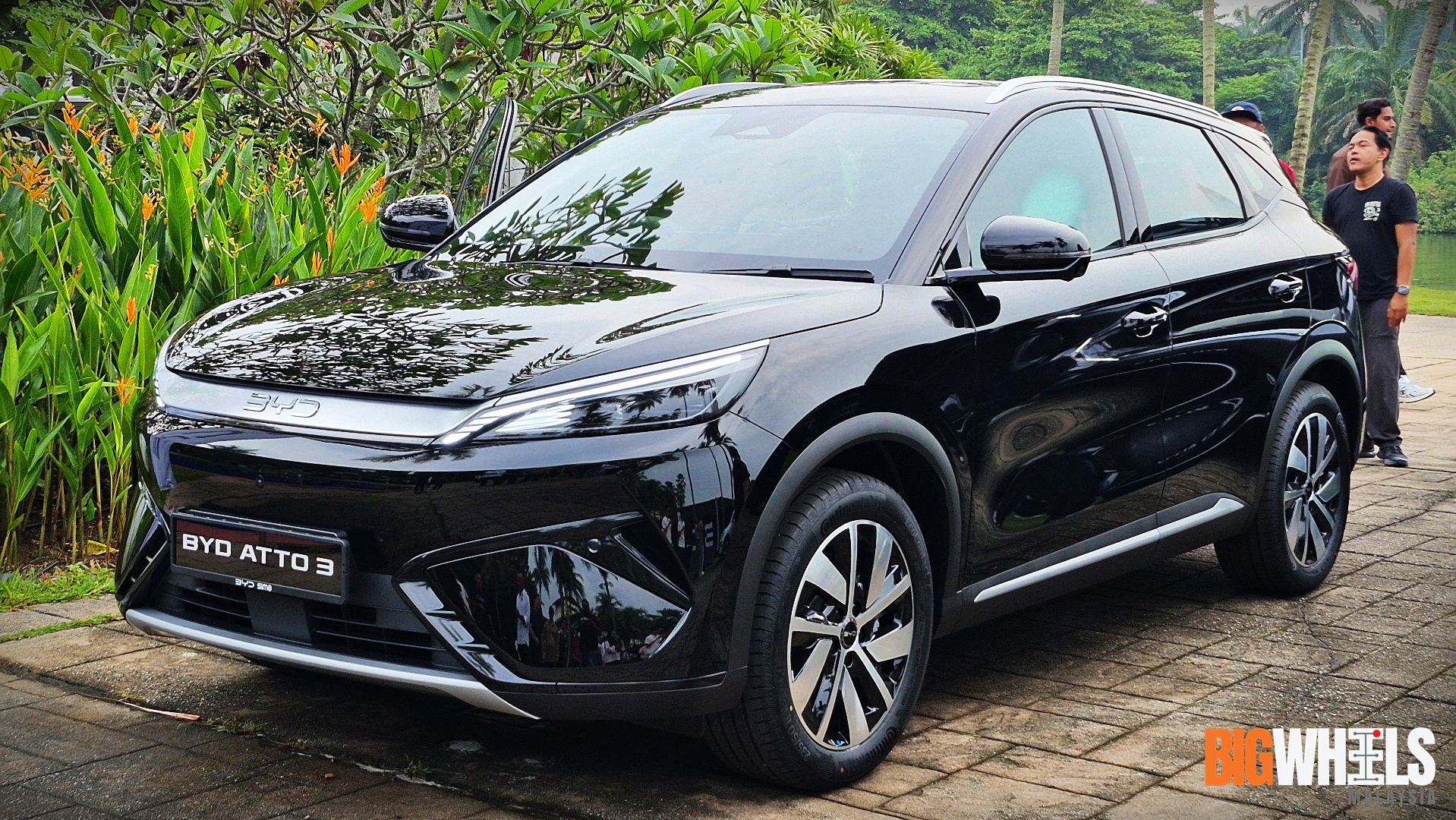
“Local assembly is an important part of BYD’s long-term commitment to Malaysia,” said BYD Malaysia managing director Jacob Ma, adding that the partnership would help bring the company’s new energy vehicle and battery technology expertise closer to the local market.
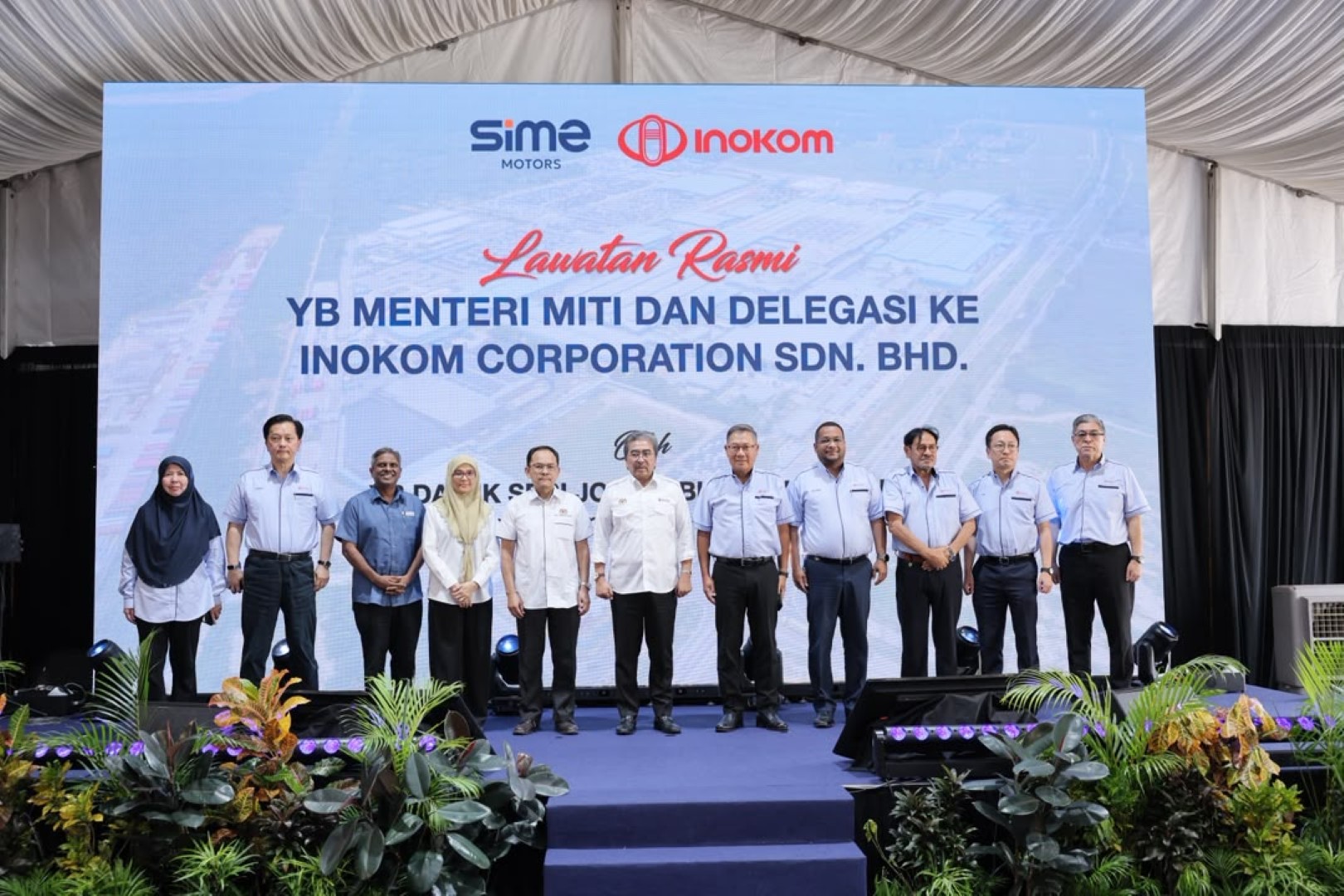
Sime Group chief executive officer Dato’ Jeffri Salim Davidson said the collaboration could create opportunities for local businesses and strengthen capabilities across Malaysia’s automotive supply chain.
Why the Inokom partnership matters
The choice of Inokom gives BYD access to an established vehicle assembly operation in Kulim, potentially shortening the path towards local production compared with setting up a completely new manufacturing facility.
For Malaysia, the more important question is how much of the vehicle manufacturing process will eventually take place locally. CKD assembly can support domestic industrial activity, but the wider economic benefits depend on factors such as local component sourcing, supplier participation, workforce development and the depth of manufacturing operations.
The partnership could create opportunities for Malaysian suppliers to participate in BYD’s supply chain. However, neither company has disclosed specific localisation targets or confirmed how much local content future BYD models will contain.
There are also potential implications for BYD’s long-term market strategy. Local assembly could give the company greater flexibility in managing production and supply, although any effect on vehicle prices will depend on production volumes, component sourcing, taxes, logistics and the final cost structure. Lower prices should not be assumed until the company announces its CKD models and pricing arrangements.
Production details still under wraps
The MoU marks an important step towards local assembly, but it does not yet establish a confirmed production schedule or model line-up.
BYD Malaysia has not announced which vehicles will be assembled at Inokom, when production will begin, the planned annual capacity or the value of the investment. Further details are expected to be announced in due course.
For now, the appointment of Inokom provides BYD with an established manufacturing partner as it works towards local assembly. The next milestone will be whether the collaboration translates into confirmed production plans, meaningful local supplier participation and tangible benefits for Malaysian buyers.