
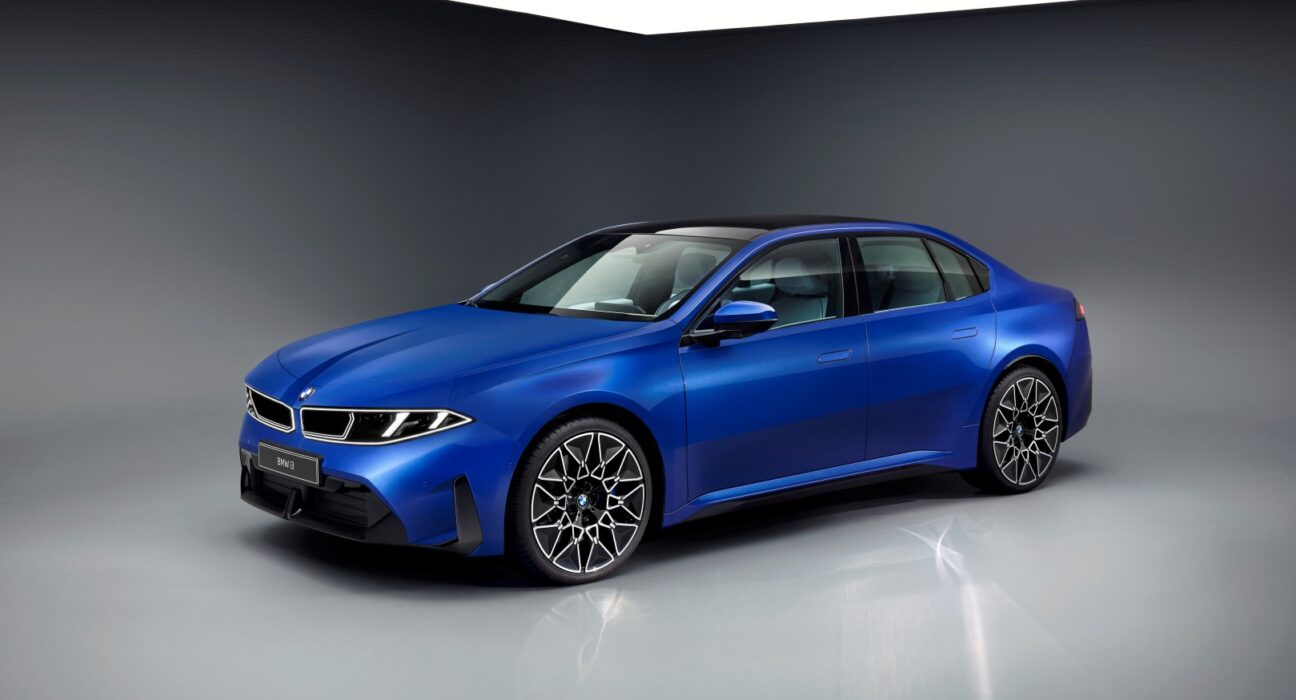
The new BMW i3 has finally made its global debut, marking a decisive turning point for BMW, not merely as another electric vehicle, but as a foundational product of the brand’s next-generation Neue Klasse architecture.
Positioned as the spiritual successor to the iconic BMW 3 Series, it blends legacy values—driver engagement, balanced dynamics, and premium design—with a radical technological overhaul that redefines BMW’s approach to electrification, digitalisation, and sustainability.
At its core, the i3 represents a clean-sheet rethink. Unlike previous EVs adapted from combustion platforms, this model is engineered from the ground up around BMW’s sixth-generation eDrive technology.
The headline figure—up to 900 km of WLTP range—places it at the forefront of long-range EV capability, but the underlying advancements are more significant than the number itself.
The shift to an 800-volt architecture enables ultra-fast charging at up to 400 kW, translating to roughly 400 km of range in just 10 minutes under optimal conditions. This dramatically reduces one of the biggest barriers to EV adoption: charging downtime.
Complementing this is a new battery concept using cylindrical cells with higher energy density, integrated via a cell-to-pack design that improves efficiency, reduces weight, and lowers production complexity.
BMW has also engineered the battery as a structural component, enhancing rigidity while enabling a flatter floor and lower centre of gravity—critical for both interior space and driving dynamics.
The launch variant, the i3 50 xDrive, features a dual-motor setup producing 469 hp and 645 Nm, combining an electrically excited synchronous motor at the rear with an asynchronous motor at the front. This hybrid motor strategy optimises efficiency across different load conditions while reducing reliance on rare-earth materials.
However, the real innovation lies in the software-defined driving experience. The new “Heart of Joy” system acts as a central control unit for driving dynamics—managing acceleration, braking, steering inputs, and energy recuperation.
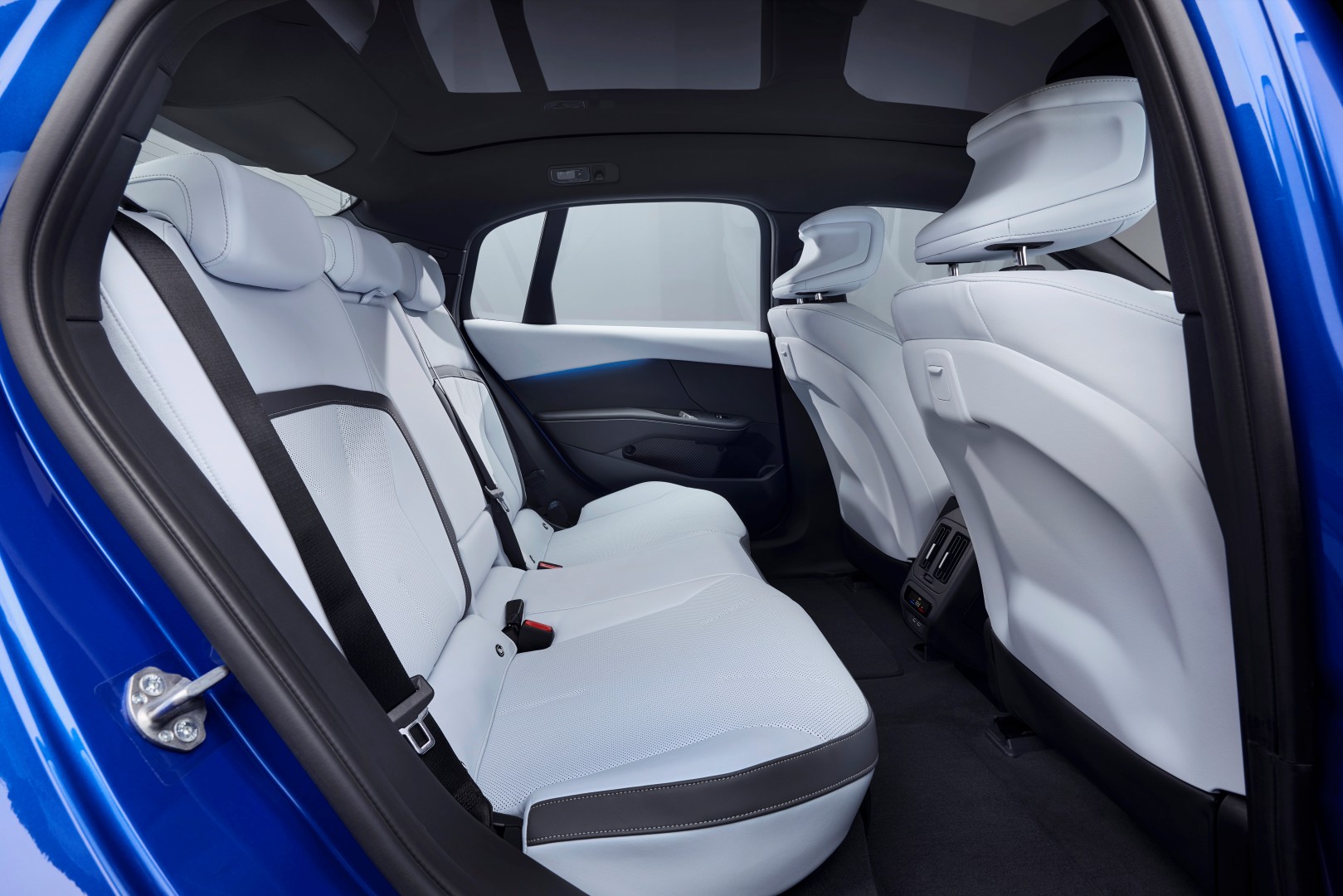
Operating up to 10 times faster than previous systems, it delivers more precise, predictable handling while reducing the need for corrective interventions.
This is part of a broader shift toward a “superbrain” architecture, where four high-performance computers handle key domains: driving dynamics, automated driving, infotainment, and comfort systems.
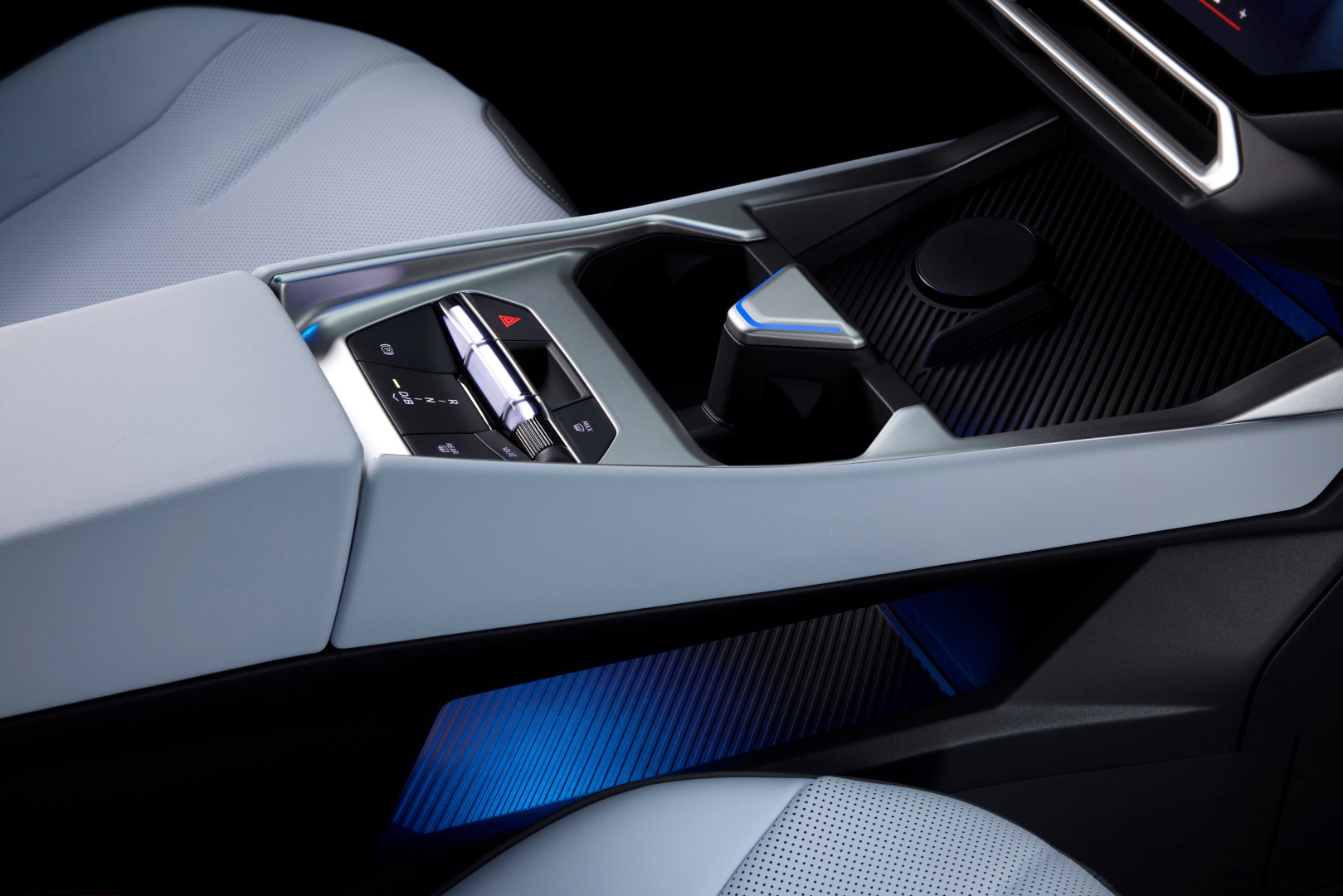
Together, they provide up to 20 times more processing power than earlier BMW platforms, effectively turning the i3 into a software-driven vehicle capable of continuous evolution via over-the-air updates.
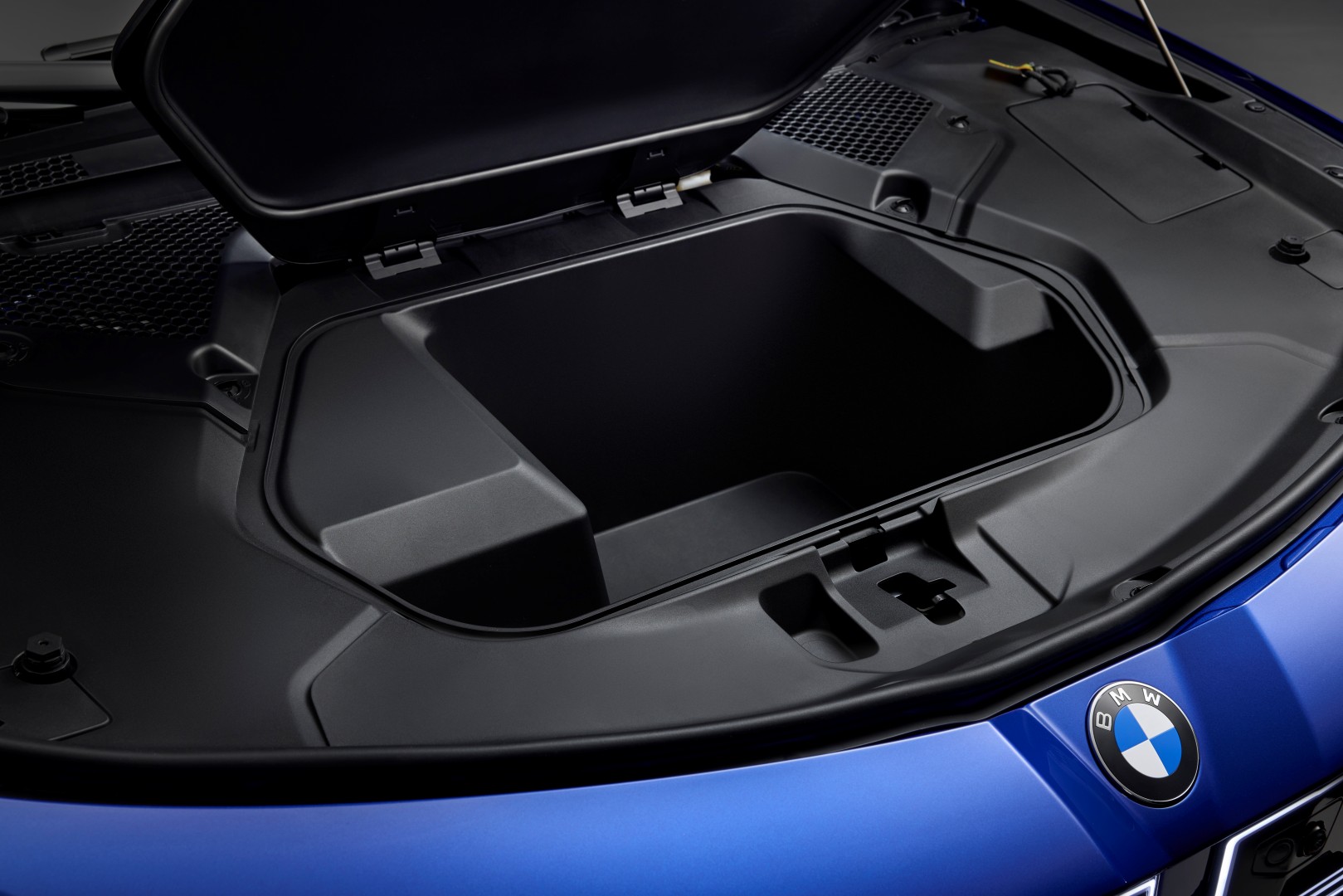
Despite its technological leap, BMW has clearly prioritised maintaining the brand’s hallmark driving character. The i3 benefits from a low-mounted battery, near-perfect weight distribution, and a sophisticated suspension setup—including a five-link rear axle and optional adaptive M suspension.
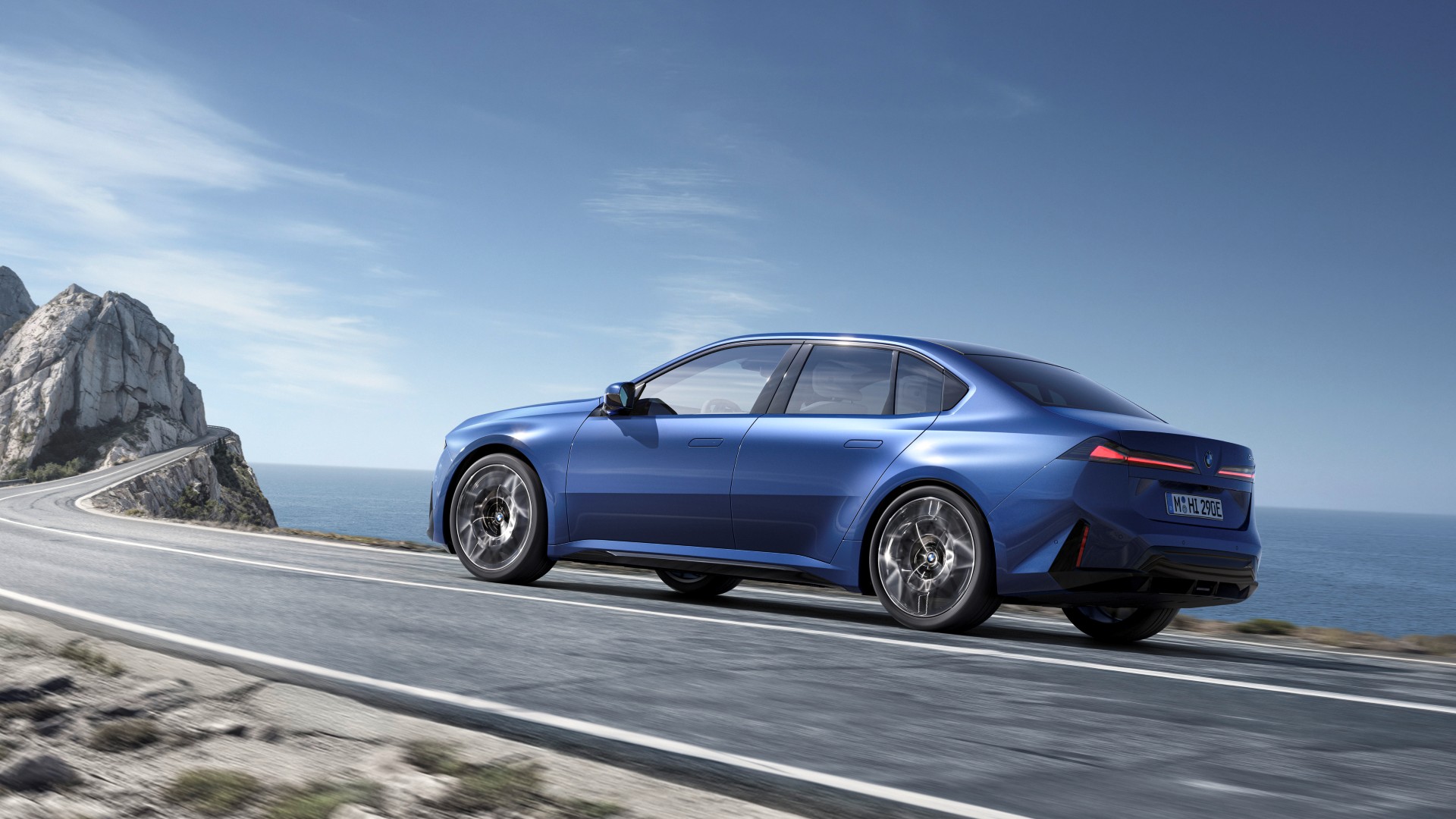
Features like “Soft-Stop” braking, which delivers exceptionally smooth deceleration using regenerative braking, and the integration of driver assistance systems through BMW Symbiotic Drive, ensure that automation enhances rather than replaces driver involvement.
The philosophy here is not autonomy for its own sake, but a collaborative interface between human and machine.
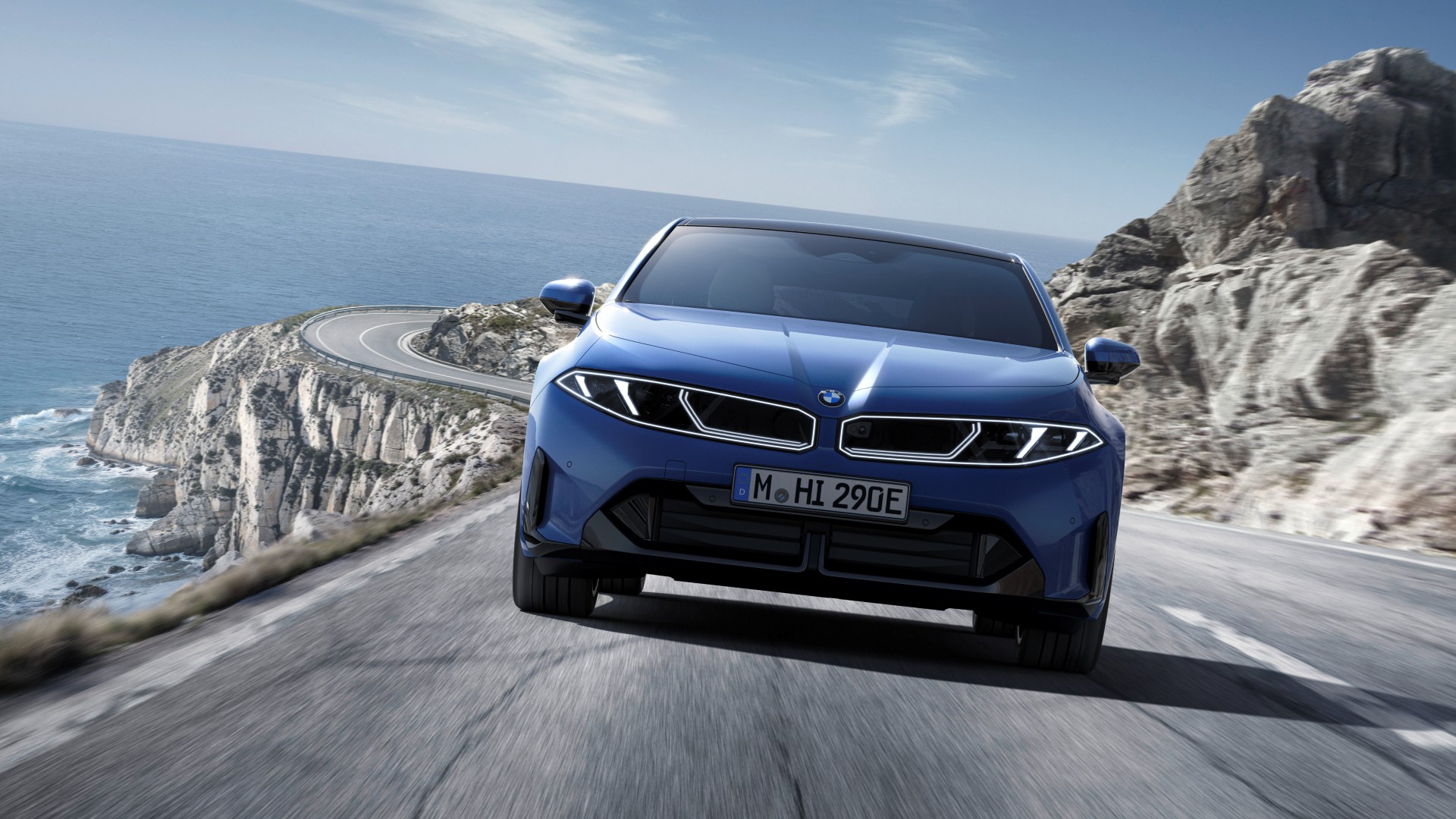
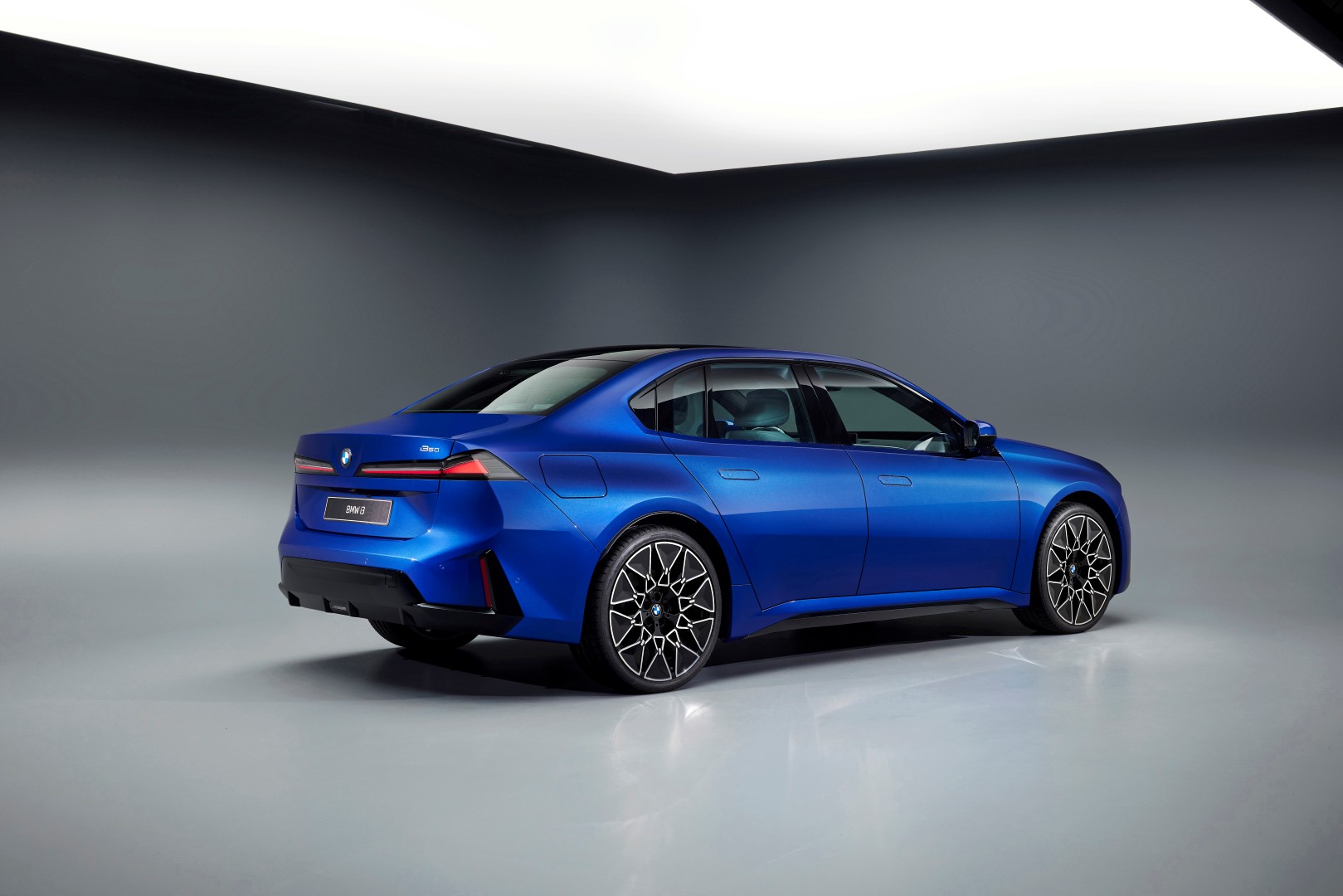
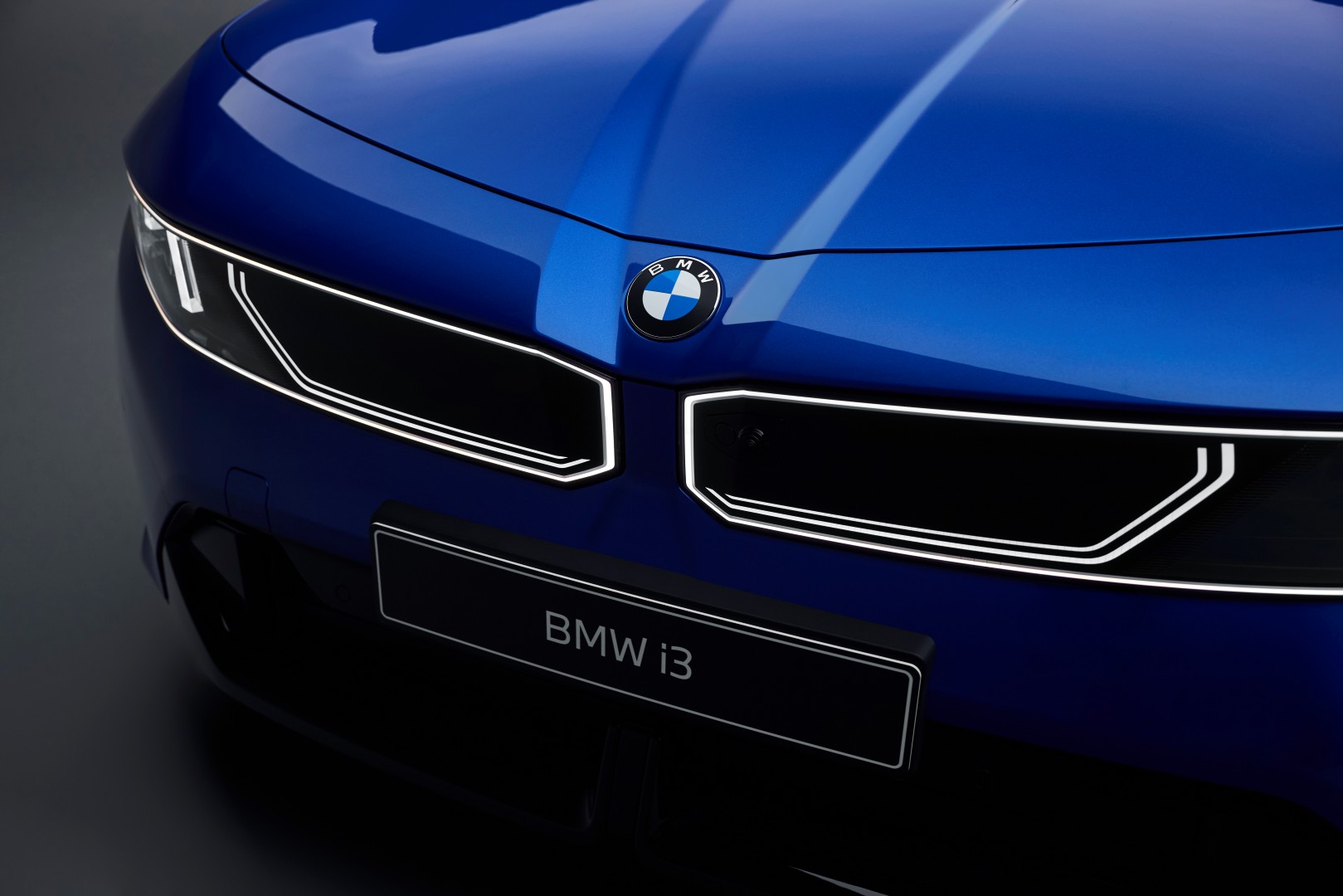
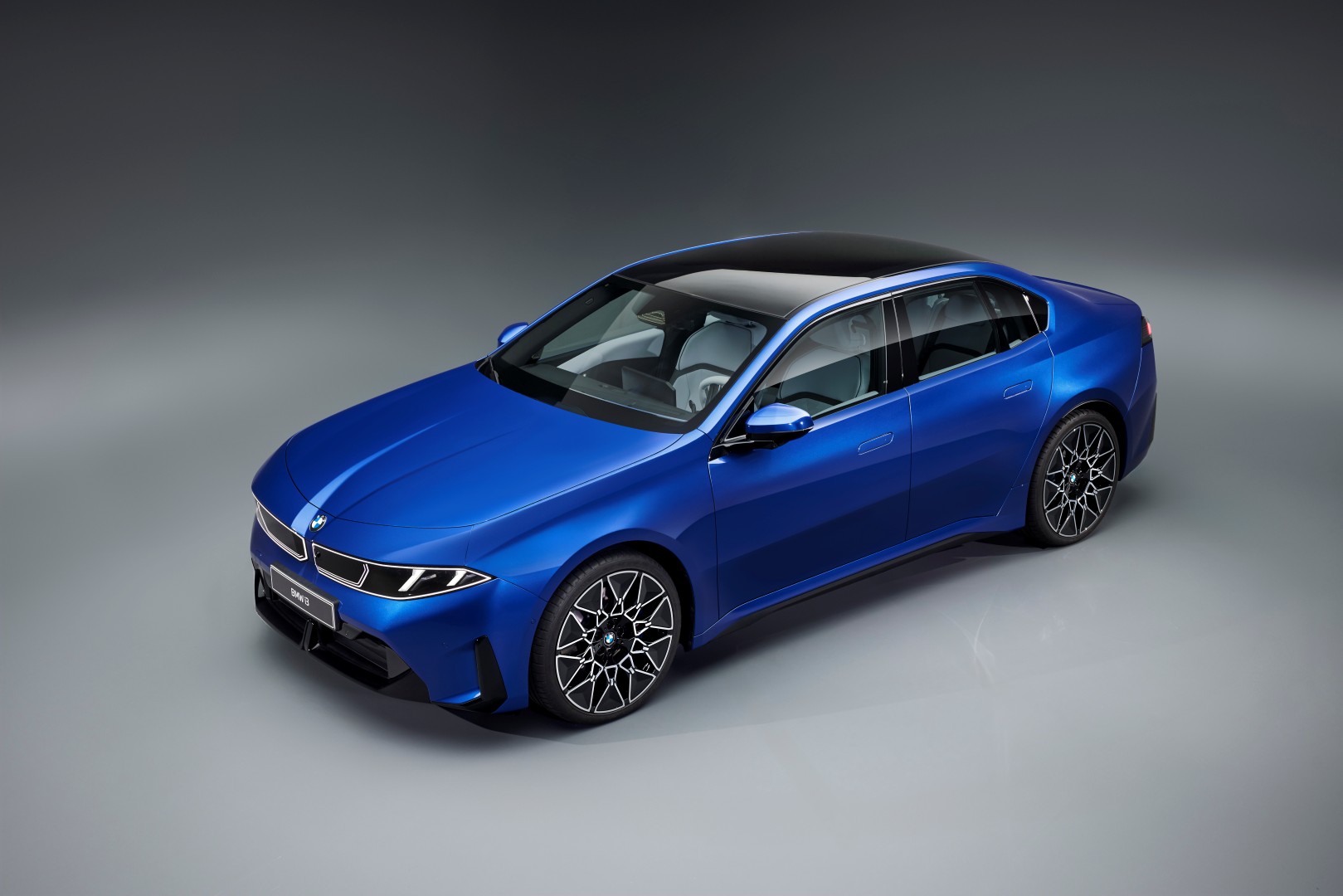
Visually, the i3 walks a fine line between heritage and reinvention. Its 2.5-box silhouette, long wheelbase, and short overhangs preserve the proportions of a classic sports saloon, while details such as the shark-nose front, horizontal kidney grille reinterpretation, and flush door handles introduce a more aerodynamic and modern aesthetic.
The exterior is deliberately minimalistic, with clean surfaces and reduced ornamentation, reflecting both efficiency goals and a broader design philosophy of reduction to the essentials. Aerodynamic optimisation extends to a fully enclosed underbody and specially designed wheels.
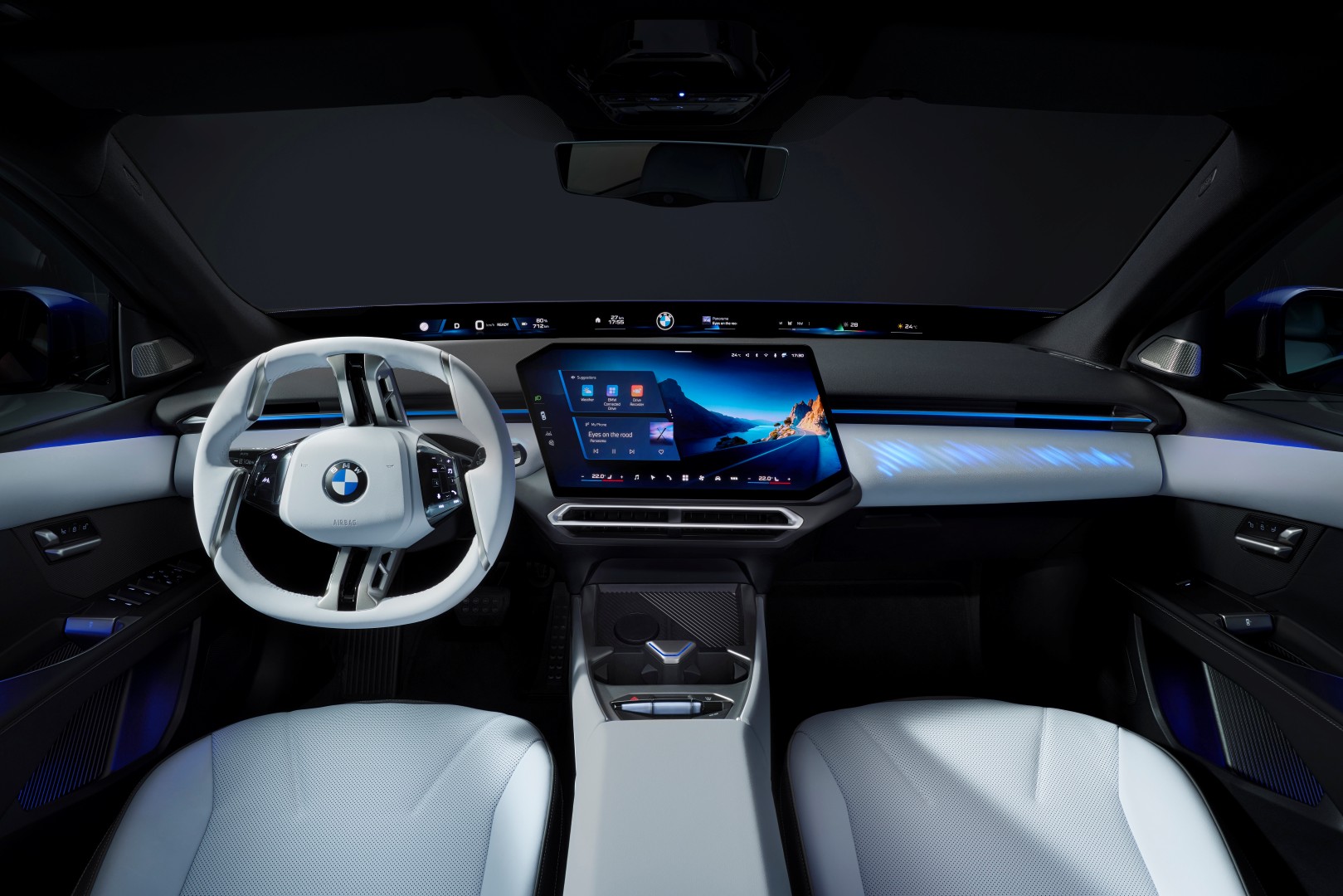
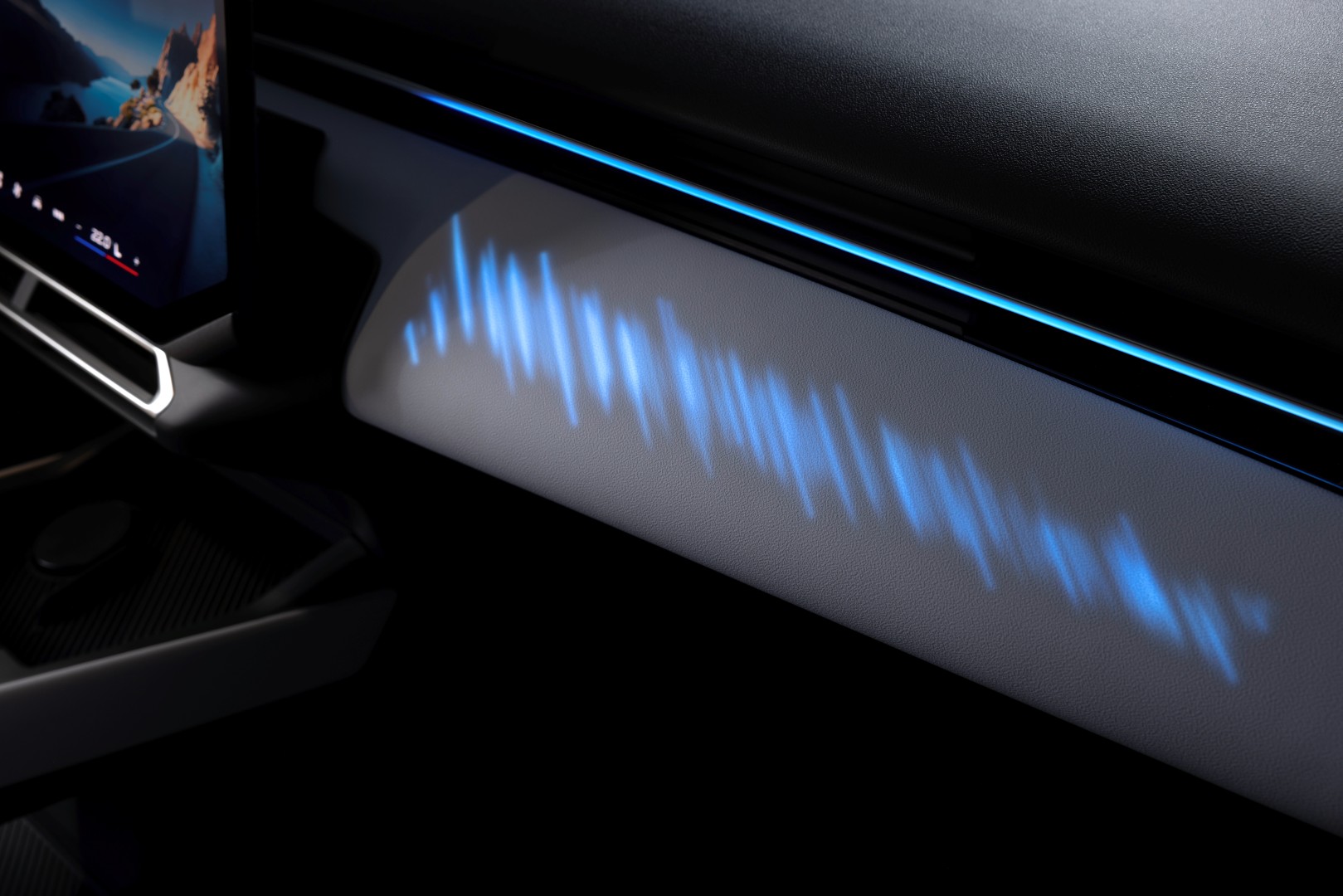
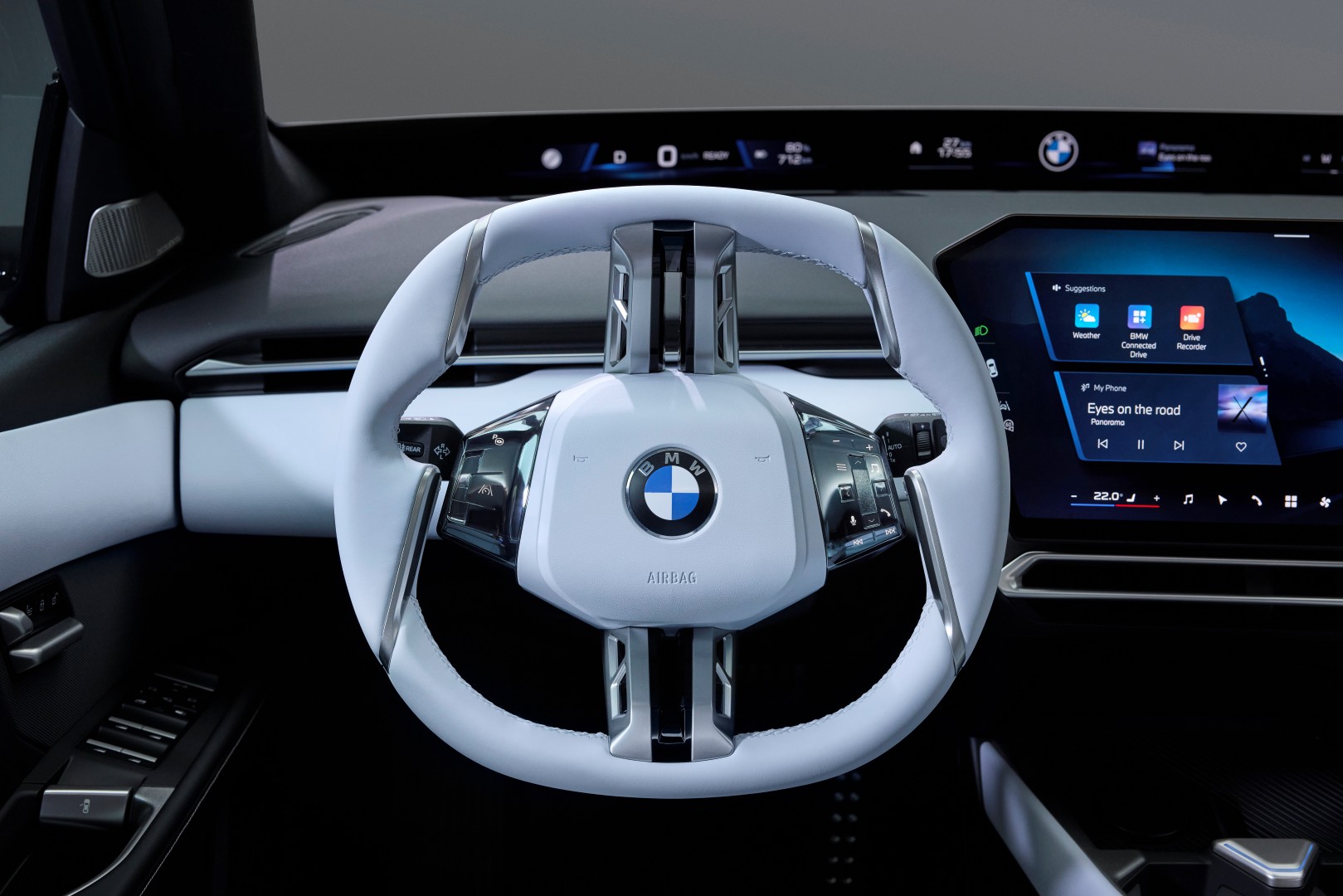
Inside, the transformation is more dramatic. The cabin is built around the new BMW Panoramic iDrive system, anchored by a full-width projection display at the base of the windscreen. This replaces the traditional instrument cluster, ensuring critical information remains within the driver’s natural line of sight.
Supporting this are a 17.9-inch central touchscreen, optional 3D head-up display, and a redesigned multifunction steering wheel with haptic controls. The system runs on BMW Operating System X, built on an Android-based platform with strong over-the-air upgrade capability.
Voice interaction has also been significantly upgraded through integration with large language model technology, enabling more natural, conversational commands via the BMW Intelligent Personal Assistant.
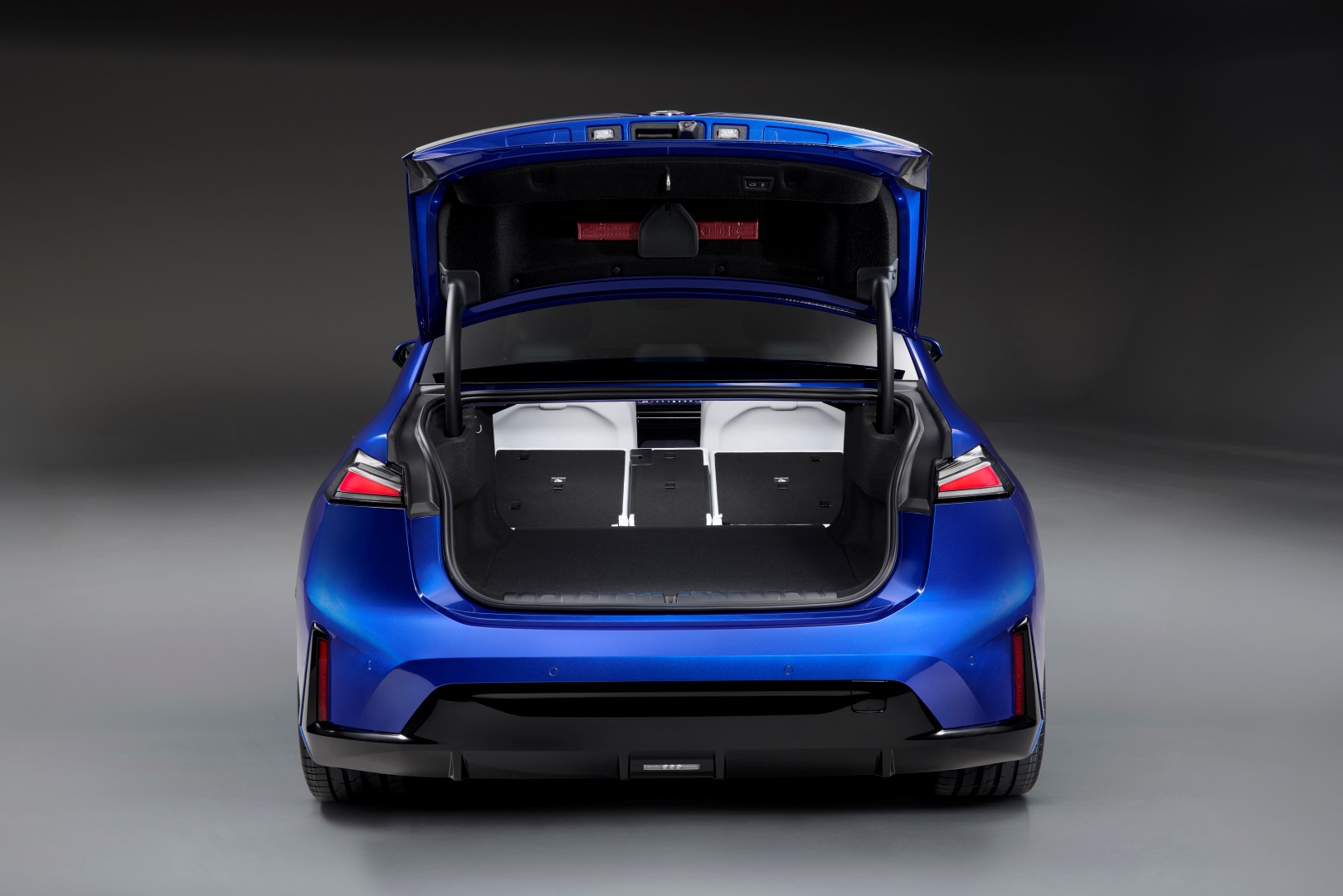
The cabin itself emphasises space and sustainability, thanks to the dedicated EV architecture. Materials such as Econeer fabrics (100% recycled polyester) and optional vegan or sustainably sourced leather alternatives highlight BMW’s push toward circular design principles.
BMW has placed equal emphasis on the user experience surrounding EV ownership. The i3 introduces bidirectional charging, allowing the car to function as a mobile power source, alongside intelligent route planning that factors in charging stops, availability, and even nearby amenities.
Features like automatic charging flap activation, Plug & Charge authentication, and predictive battery preconditioning demonstrate a strong focus on reducing friction in everyday use.
One of the more substantive aspects of the i3 is BMW’s holistic sustainability strategy. Rather than focusing solely on zero tailpipe emissions, the company targets carbon reduction across the entire lifecycle—from raw material sourcing to production and recycling.
Key highlights include the use of up to 30% secondary materials, extensive recycled aluminium and plastics, and battery production powered by renewable energy. BMW claims the i3 can achieve a lower overall carbon footprint than an equivalent internal combustion vehicle within 1–2 years of use, depending on energy sources and driving patterns.
The i3 will be produced at BMW’s historic Munich plant, which has undergone extensive upgrades to support Neue Klasse manufacturing. Production begins in August 2026, with broader electrification plans to follow as the facility transitions to fully electric production.
Ultimately, the new BMW i3 is less about competing with today’s EVs and more about redefining BMW itself. It closes the gap between electric and combustion in terms of usability, elevates software to a core pillar of the driving experience, and embeds sustainability into the engineering process. If it delivers on its promise, this is not just the next 3 Series—it’s the blueprint for everything BMW builds next.