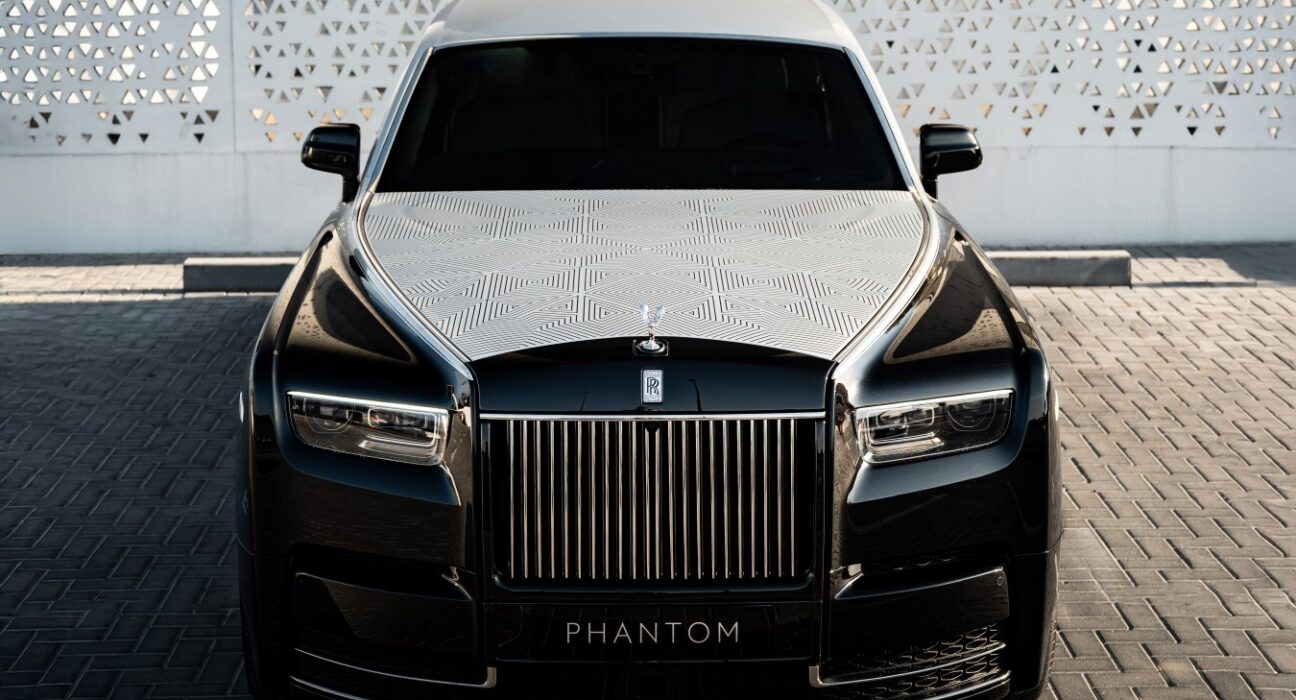
Rolls-Royce Motor Cars has once again redefined the boundaries of automotive craftsmanship with the Phantom Arabesque, a one-of-one Rolls-Royce Phantom Extended that translates centuries-old Middle Eastern architectural language into a contemporary Bespoke artefact.
More than a styling exercise, the commission demonstrates how the marque is expanding its technical and artistic vocabulary to serve an increasingly culture-led ultra-luxury clientele.
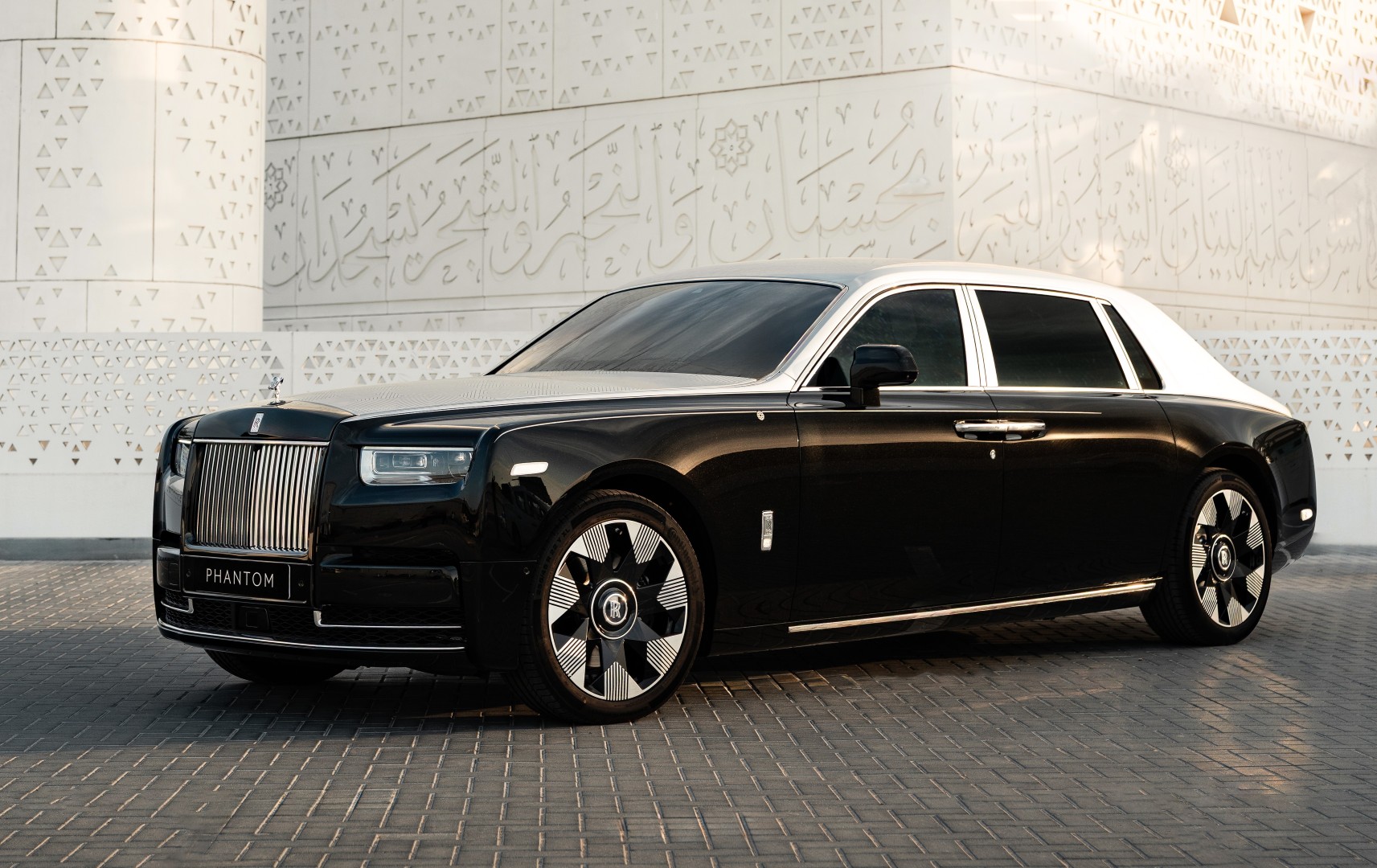
Conceived through the marque’s Private Office in Dubai — one of only five invitation-only commissioning hubs worldwide — the car is rooted in the geometry of traditional mashrabiya latticework.
Historically used in regional homes and palaces to balance privacy, light and passive cooling, the intricate wooden screens are both functional and symbolic. In Phantom Arabesque, that architectural logic is reinterpreted as a multi-surface design theme, appearing on the bonnet, within the Gallery and as discreet motifs throughout the cabin.
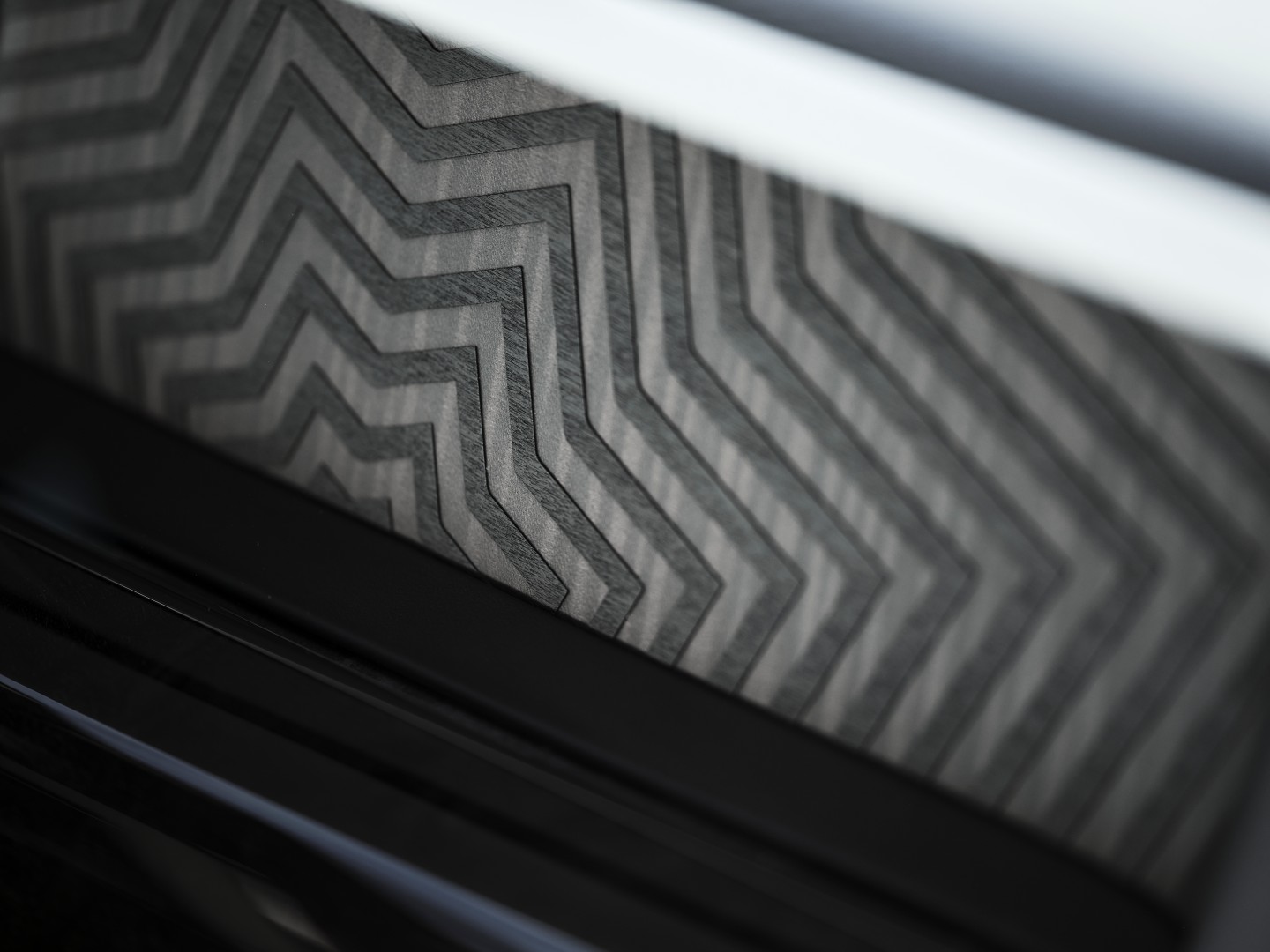
The centrepiece of the project is the first fully laser-engraved bonnet ever applied to a Rolls-Royce. The newly patented process is the result of a five-year development programme led by the company’s Exterior Surface Centre and represents an entirely new craft discipline for the brand.
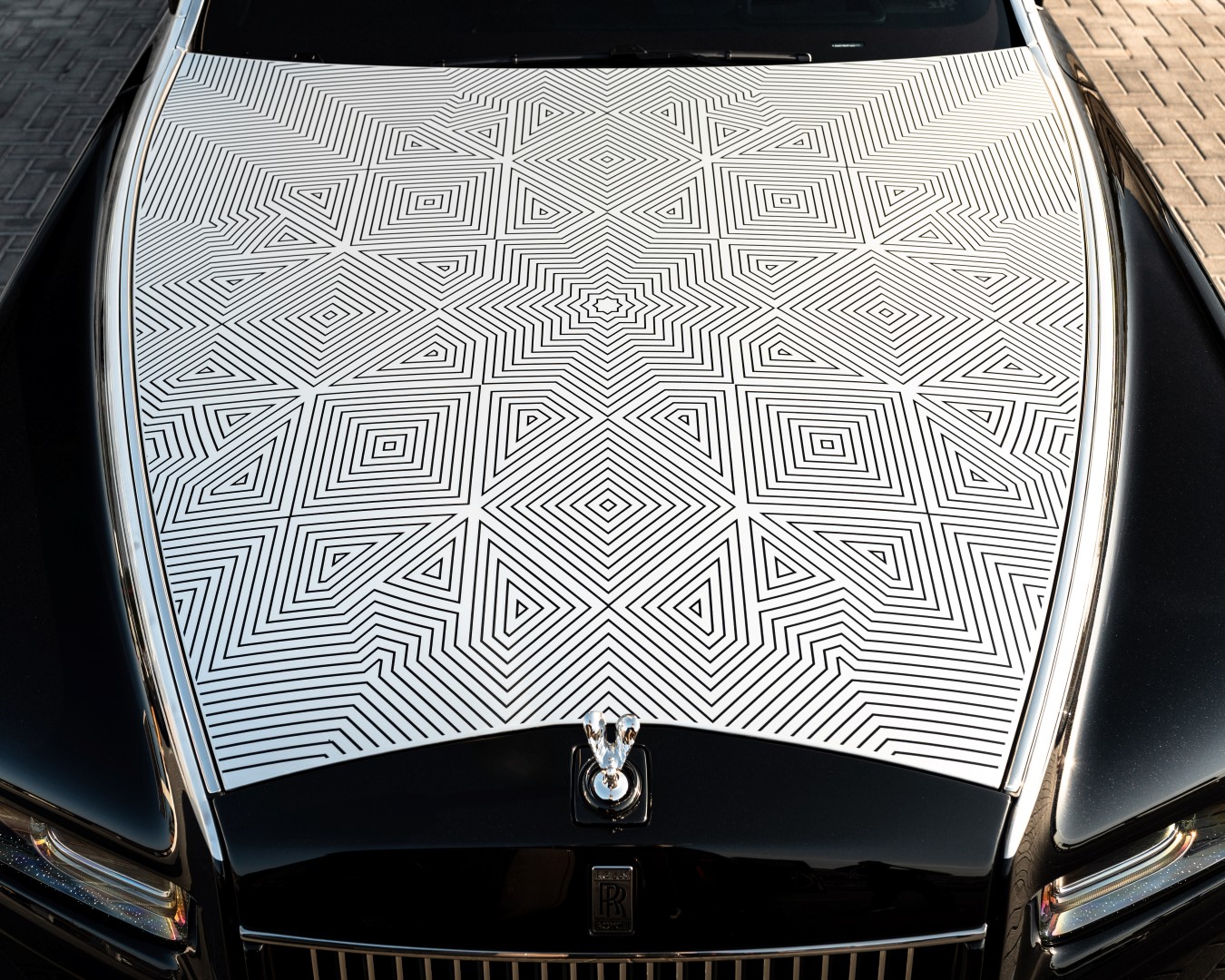
Inspired by the Italian sgraffito technique, the method engraves the mashrabiya pattern directly into the paint surface to a depth of just 145–190 microns, revealing a darker base layer beneath a lighter top coat.
Because the pattern is embedded within the lacquer rather than applied onto it, the finish achieves a sculptural, three-dimensional quality while maintaining the durability expected of a Rolls-Royce exterior.
The effect is deliberately tactile as well as visual. Subtle variations in laser speed and intensity create shifting highlights as light moves across the surface, while each engraved section is hand-sanded to achieve absolute uniformity.
In technical terms, the bonnet becomes a piece of engineered micro-relief rather than a painted panel — a clear indication that Bespoke is evolving beyond materials and colour into surface architecture.
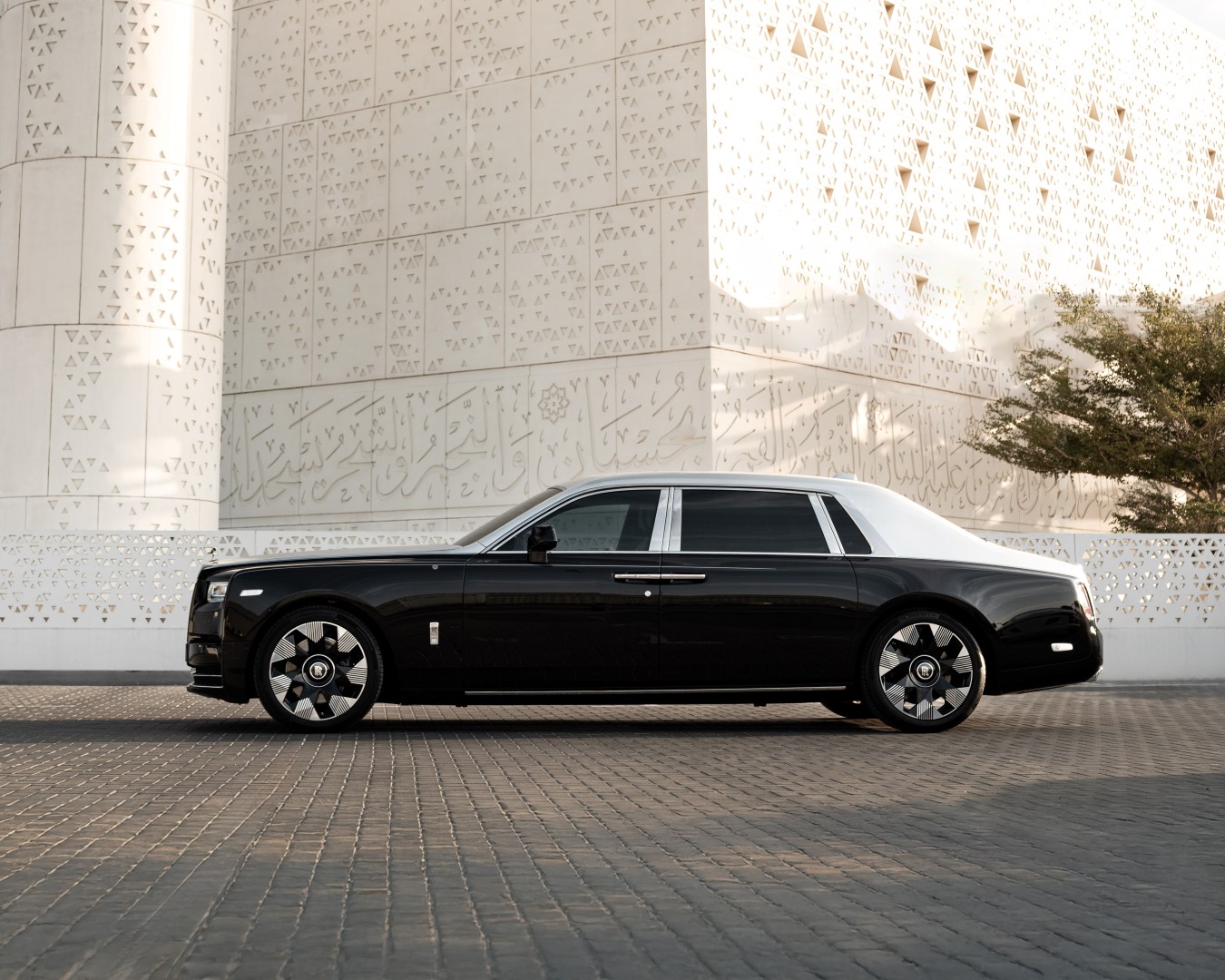
The exterior composition reinforces this sense of restraint and precision. A two-tone scheme pairs Diamond Black with a contrasting silver upper section, traced by a single hand-painted coachline incorporating a mashrabiya motif.
Dark chrome brightwork, an illuminated Pantheon grille and an uplit Spirit of Ecstasy add depth without disrupting the monochromatic theme, while 22-inch part-polished wheels complete the formal stance.
Inside, the interpretation shifts from technical spectacle to what Rolls-Royce describes as “cool restraint.” The full-width Gallery houses a marquetry artwork in Blackwood and Black Bolivar, echoing the lattice geometry in a subtler, more contemplative form.
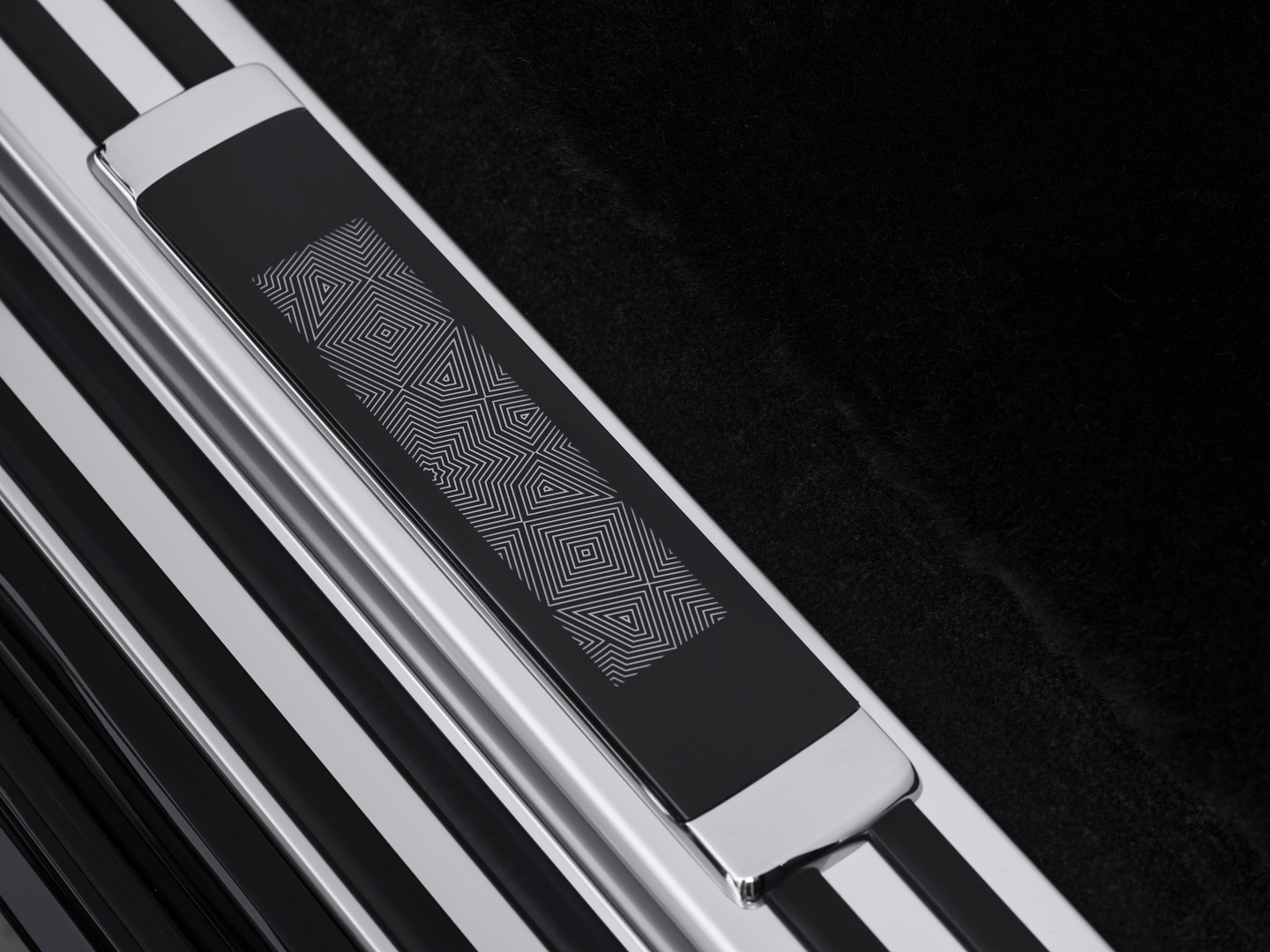
The surrounding cabin — trimmed in Selby Grey and black leather — uses embroidery, illuminated treadplates and Starlight Doors to repeat the motif in a way that rewards close inspection rather than immediate attention. This layered approach mirrors the architectural inspiration, where detail reveals itself gradually as light and perspective change.
Crucially, Phantom Arabesque is not just an isolated showpiece. It signals a broader direction for the Bespoke division, where new manufacturing techniques are developed specifically to unlock fresh forms of cultural expression for clients. The laser-engraving process, now proven in a production context, effectively adds a new medium to the Rolls-Royce commissioning palette.
Delivered to its Middle Eastern patron, the motor car becomes part of a private collection — but its significance extends beyond a single owner. It demonstrates how ultra-luxury automotive design is moving toward deeply personalised, culturally literate commissions in which craft innovation and narrative carry equal weight.
In that sense, Phantom Arabesque is less about decoration and more about translation: architecture into surface, heritage into technology, and identity into motion.