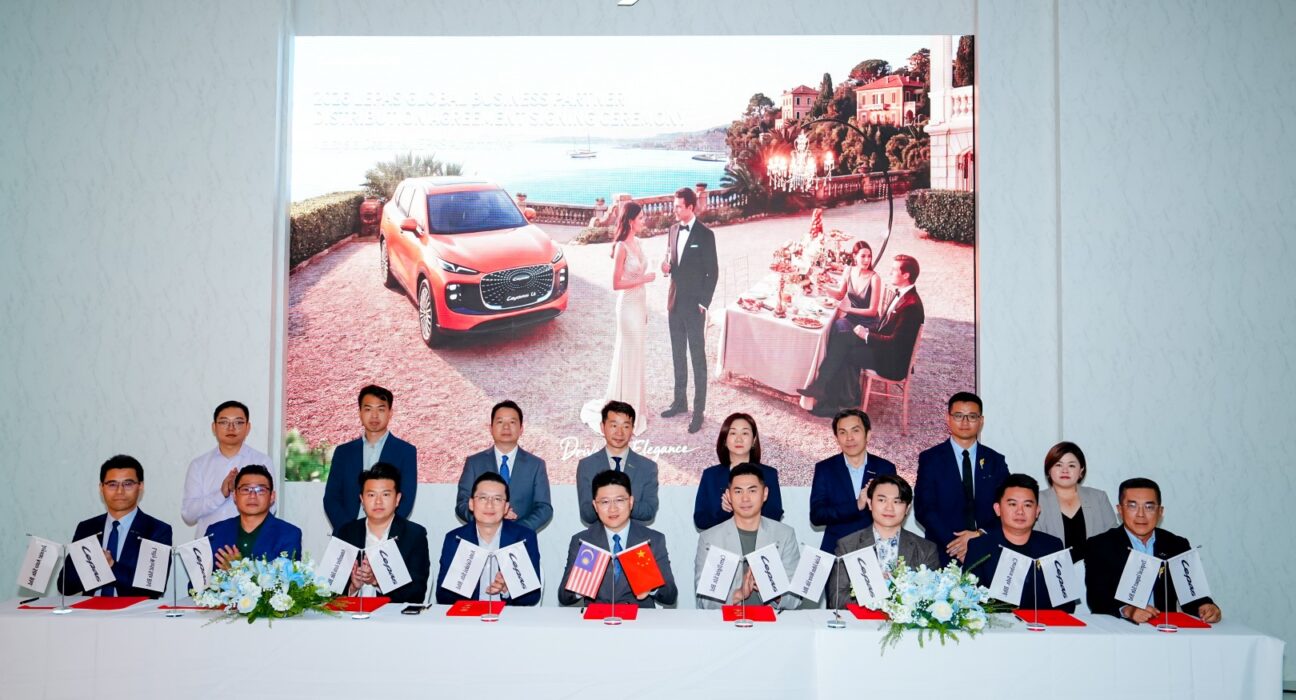
A new challenger is quietly building serious momentum in Malaysia’s fast-evolving electrified vehicle space. At its recent international business summit in Wuhu, LEPAS formalised agreements with 20 Malaysian partners—an aggressive move that signals more than just market entry. It’s a coordinated attempt to establish a full-stack retail and ownership ecosystem from day one.
While many new brands test the waters with limited representation, LEPAS is opting for scale immediately. By aligning with established local players, the brand is effectively shortcutting the typical growing pains associated with network rollout—coverage gaps, inconsistent customer experience, and after-sales bottlenecks.
Malaysia’s transition towards New Energy Vehicles (NEVs) is no longer speculative—it’s underway, and increasingly competitive. Against this backdrop, LEPAS’ decision to secure 20 partners upfront positions it differently from other new entrants that lean heavily on imports or online-first sales models.
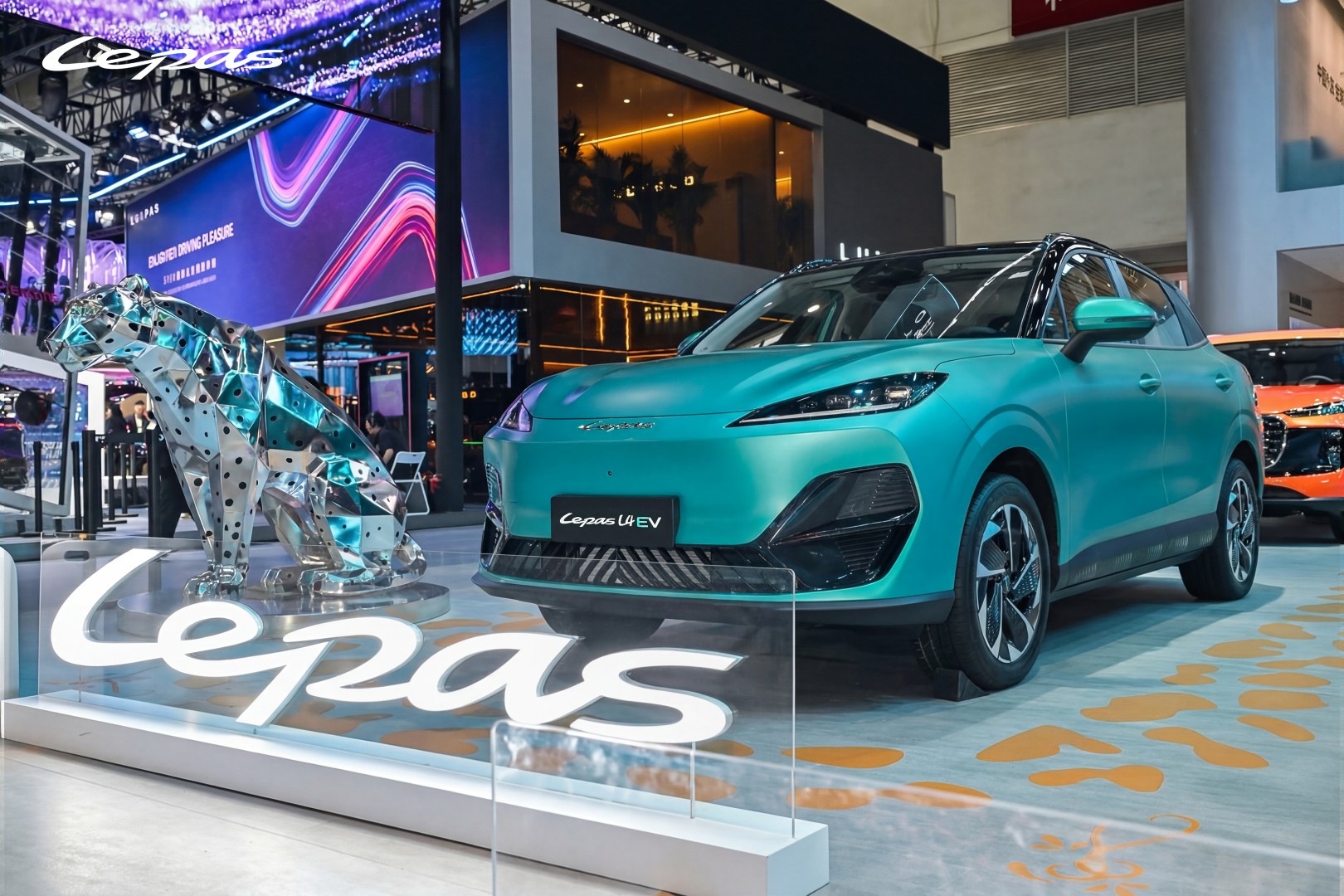
Instead, the approach mirrors legacy OEM playbooks: build trust through physical presence, standardise service delivery, and localise customer engagement early. That matters in Malaysia, where after-sales support and dealership experience still heavily influence purchasing decisions.
The partners themselves aren’t just placeholders. LEPAS is banking on their established operational expertise, nationwide reach, and familiarity with local market dynamics to accelerate brand adoption. In practical terms, this should translate into faster showroom openings, more consistent service standards, and shorter ramp-up time for customer deliveries.
LEPAS is framing itself around what it calls “elegant mobility”—a positioning that leans more lifestyle-centric than purely technical. Its brand pillars—Leopard Aesthetics, Elegant Technology, and Exquisite Space—suggest a focus on design-led appeal and user experience rather than outright performance metrics.
That’s a deliberate pivot. In a segment where many NEV brands compete on range, charging speed, or price, LEPAS appears to be targeting buyers who value refinement, design cohesion, and cabin experience just as much as electrification credentials.
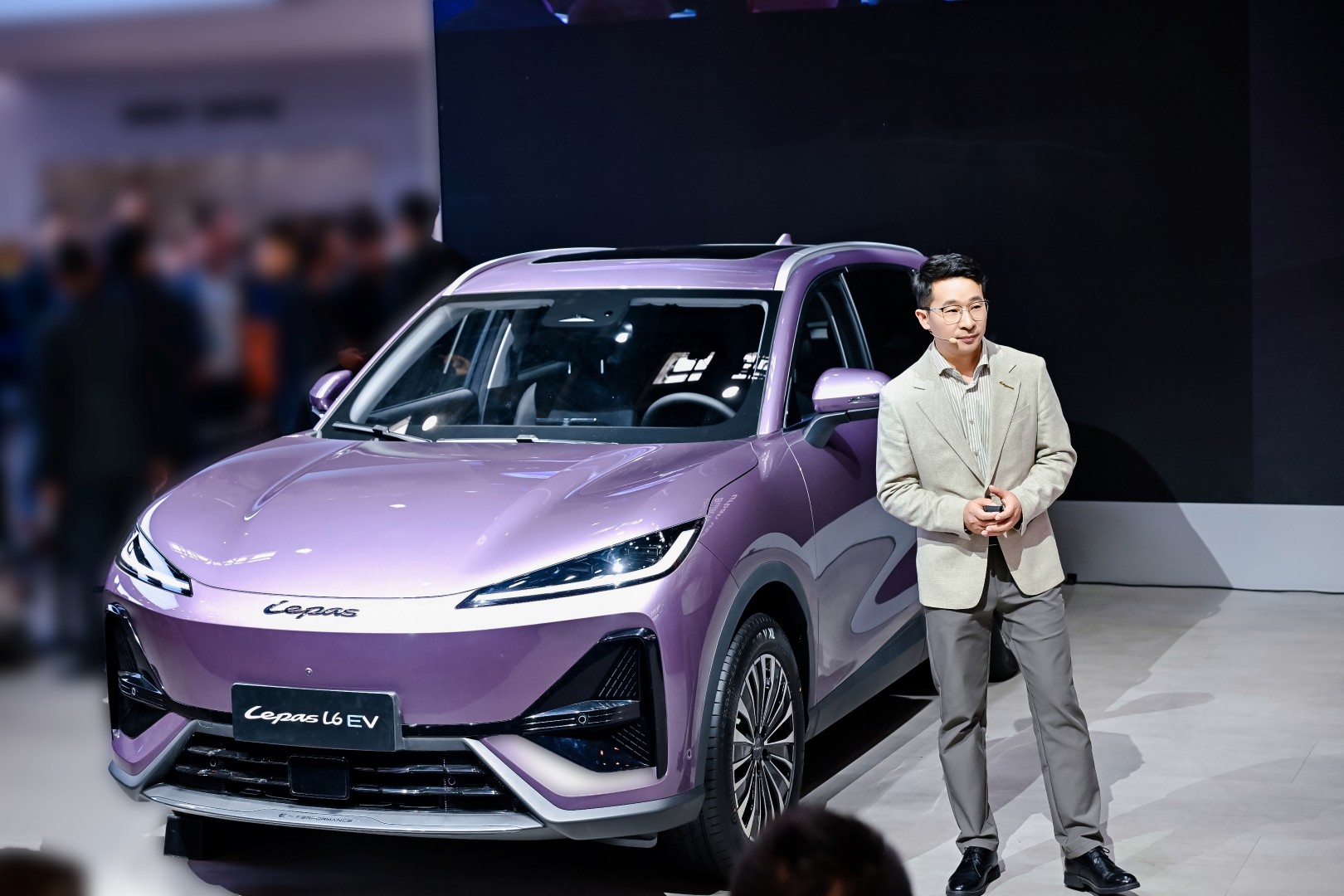
Underpinning the brand’s ambitions is a new global NEV architecture developed by Chery Group. Unlike single-powertrain platforms, this architecture supports internal combustion, hybrid, and fully electric drivetrains across multiple vehicle sizes.
For Malaysia, that flexibility could prove crucial. While EV adoption is rising, hybrids and range-extenders remain highly relevant due to infrastructure gaps and consumer hesitation. A multi-energy platform allows LEPAS to adapt its product mix based on real demand rather than forcing a one-size-fits-all electrification strategy.
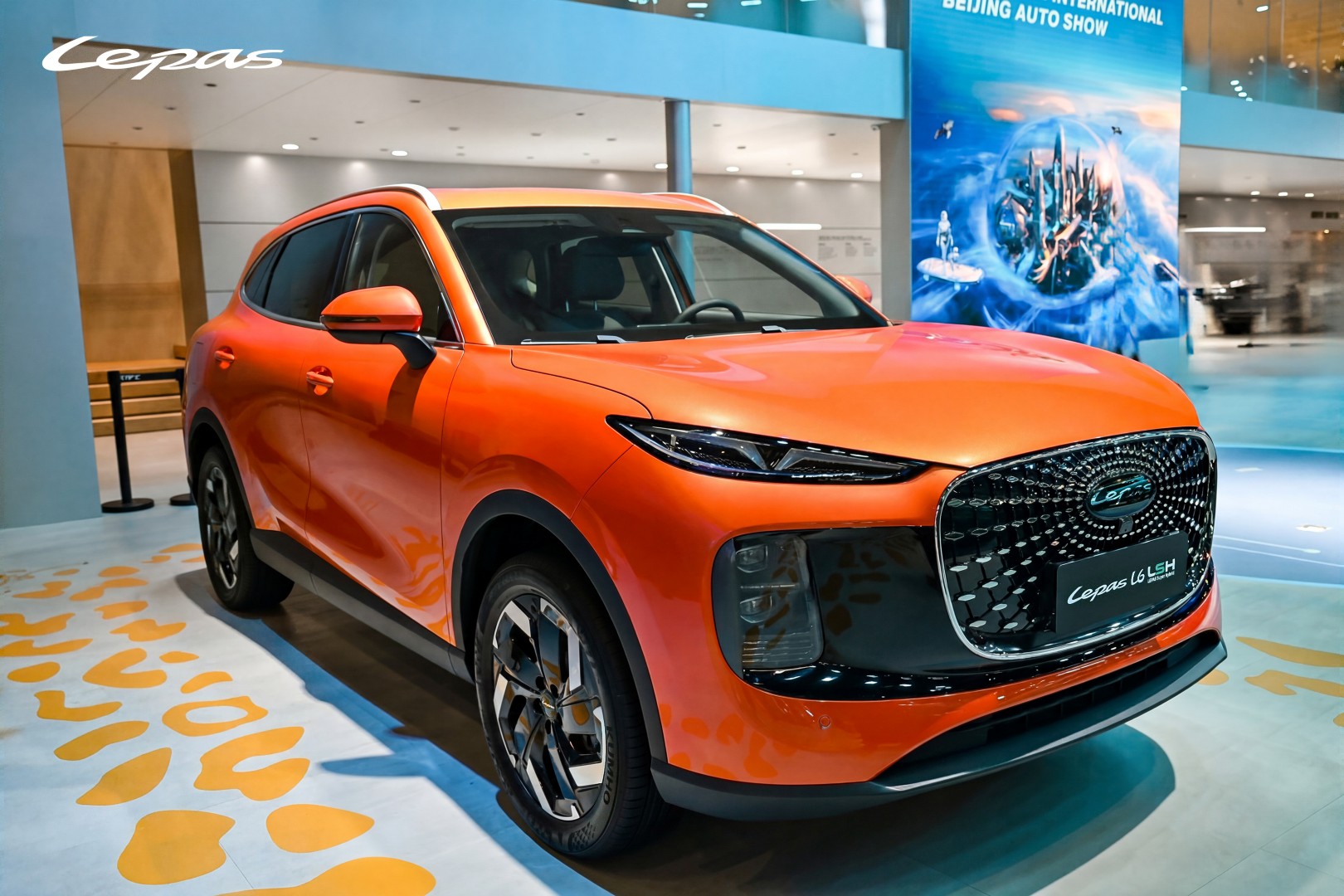
The initial lineup—L4, L6, and L8 SUVs—will likely span different segments and price points, giving the brand broader market coverage from the outset.
What LEPAS is attempting goes beyond dealership expansion. The emphasis on a “standardised network system” points to tighter control over the entire ownership journey—from showroom experience to after-sales care.
That’s critical for a new brand trying to establish credibility quickly. Inconsistent service quality has historically undermined several new entrants in Malaysia, regardless of how strong their products were.
By aligning early with partners that already understand local expectations, LEPAS is trying to mitigate that risk before it becomes a problem.
For the Malaysian market, LEPAS’ entry adds another layer of competition in the premium NEV space—particularly among Chinese-backed brands scaling aggressively in Southeast Asia.
But more importantly, it reinforces a broader trend: success in Malaysia’s EV transition won’t just depend on product. It will hinge on ecosystem readiness—dealer networks, service reliability, and customer confidence.