

Buying a new SUV is exciting. Until you start adding up the costs. There’s the monthly installment, petrol, insurance, road tax, and servicing. Suddenly, that attractive showroom price doesn’t look quite so attractive anymore.
So, instead of just looking at how much the Chery TIGGO CROSS costs to buy, let’s look at how much it could cost to own one over seven years. And what happens if you decide to keep it for nine. The good news? The numbers make for interesting reading.
An SUV for less than RM100,000

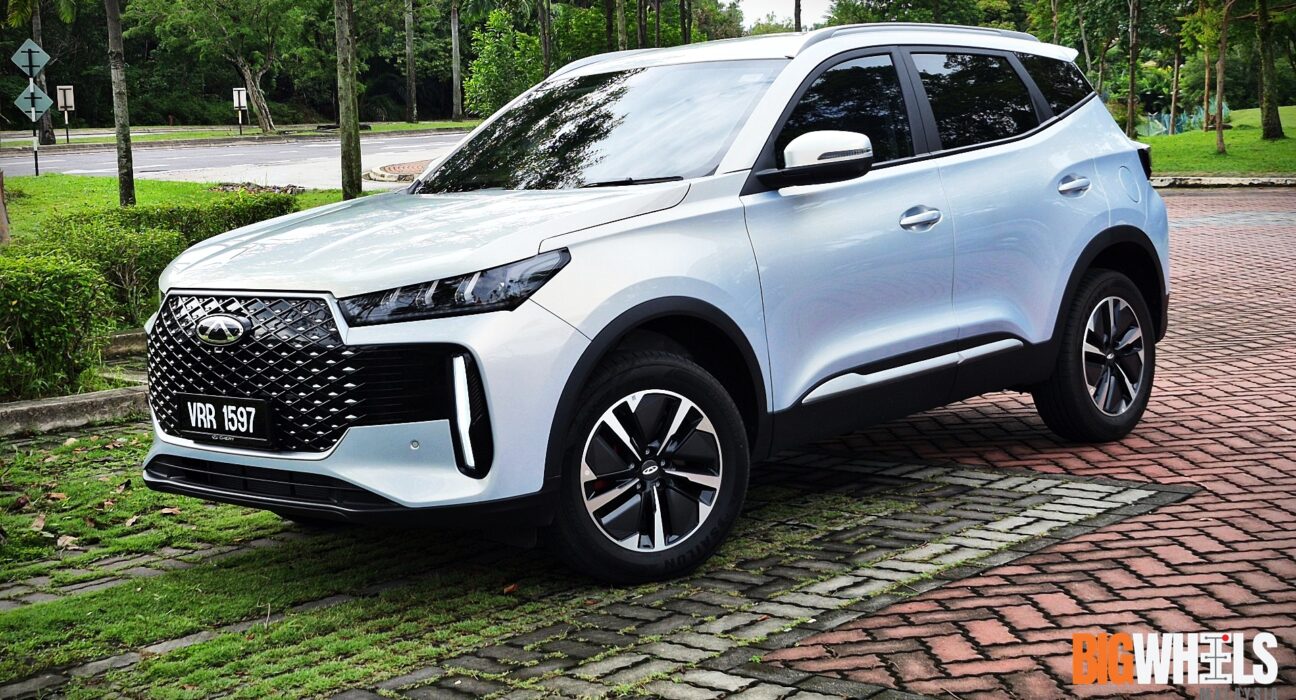
The Chery TIGGO CROSS comes in two flavours: the 1.5 Turbo priced at RM88,800 and the 1.5 Hybrid CSH at RM99,800 (OTR without insurance, Peninsular Malaysia).
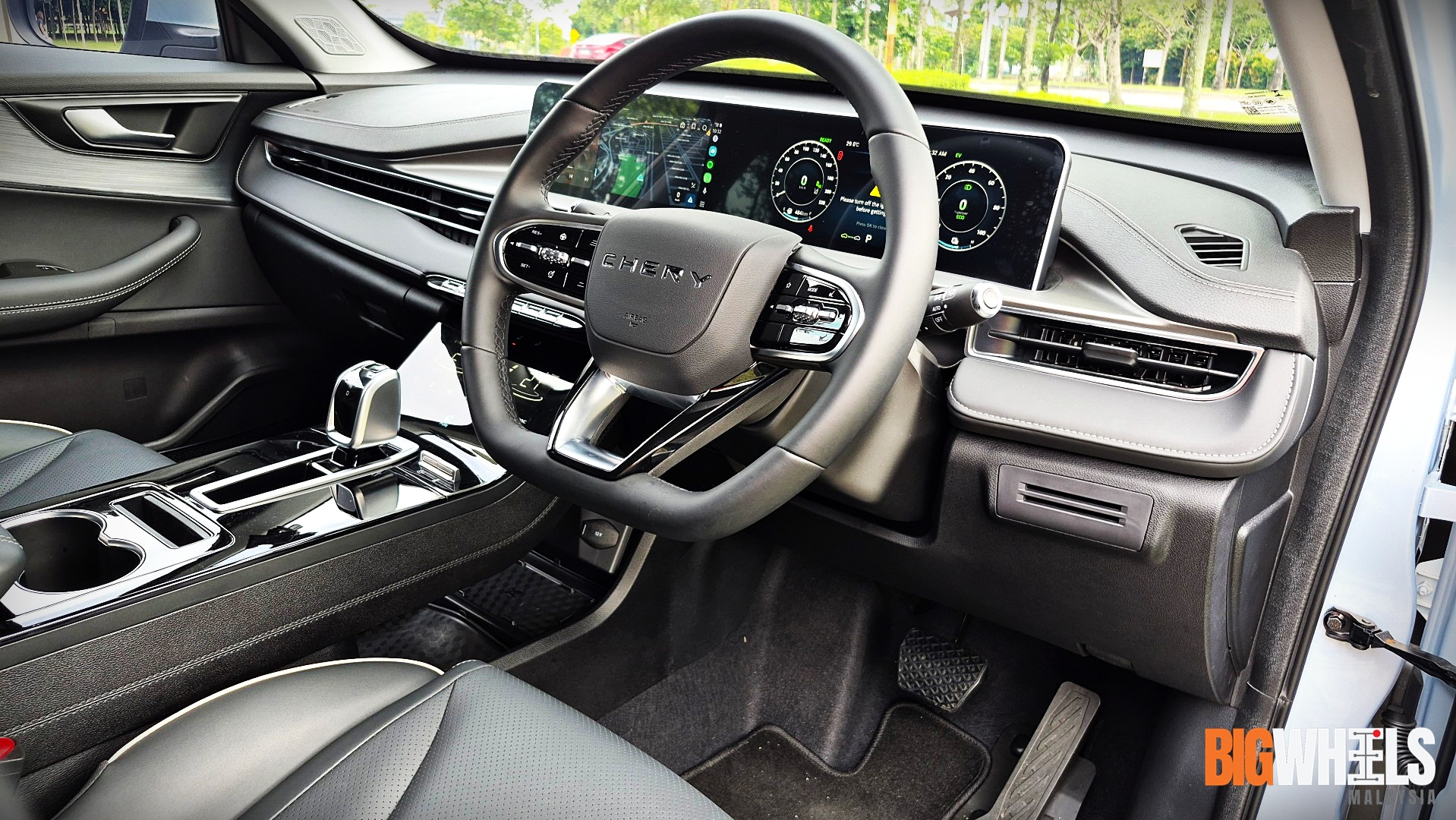
The Turbo produces 147PS and 210Nm, while the Hybrid CSH delivers a combined 204PS and 310Nm. That’s a RM11,000 difference between the two, giving buyers a choice between a conventional turbocharged petrol engine and a hybrid powertrain.
But let’s get to the question that matters most to your bank account – how much is the monthly installment?
Seven years or nine years? Here’s the damage.

Assuming a 10% down payment and a hypothetical 3% flat annual interest rate, these are the estimated monthly repayments:
TIGGO CROSS Turbo
- Price: RM88,800
- Down payment: RM8,880
- Monthly repayment (7-year loan): RM1,151/month
- Monthly repayment (9-year loan): | RM940/month
TIGGO CROSS Hybrid CSH
- Price: RM99,800
- Down payment: RM9,980
- Monthly repayment (7-year loan): RM1,294/month
- Monthly repayment (9-year loan): RM1,056/month
These are indicative calculations, not confirmed bank quotations. Actual repayments depend on the financing rate and approval. At around RM940 a month, the Turbo becomes a relatively accessible SUV proposition. The Hybrid CSH also stays close to RM1,000 with a nine-year loan.
Of course, nine years means paying more interest and staying in debt longer. If you can afford the seven-year option, that’s generally the better financial decision. Still, it’s nice to have options. After all, your car installment shouldn’t be competing with your grocery budget every month.
Servicing: Less than RM100 a month?
Now here’s something that deserves attention. Chery Malaysia publishes a detailed TIGGO CROSS maintenance schedule, with servicing generally required every 10,000km or six months, whichever comes first.
Based on the compulsory scheduled maintenance charges in its official guide, servicing the TIGGO CROSS Turbo from 10,000km through 150,000km costs approximately RM8,234.50. For the Hybrid CSH, the corresponding figure is approximately RM8,261.50.
Spread across seven years, that’s roughly RM98 per month for the Turbo and RM98.35 per month for the Hybrid CSH, which is quite an interesting figure for an SUV. Also, no, choosing the hybrid doesn’t automatically mean paying significantly more for routine servicing.
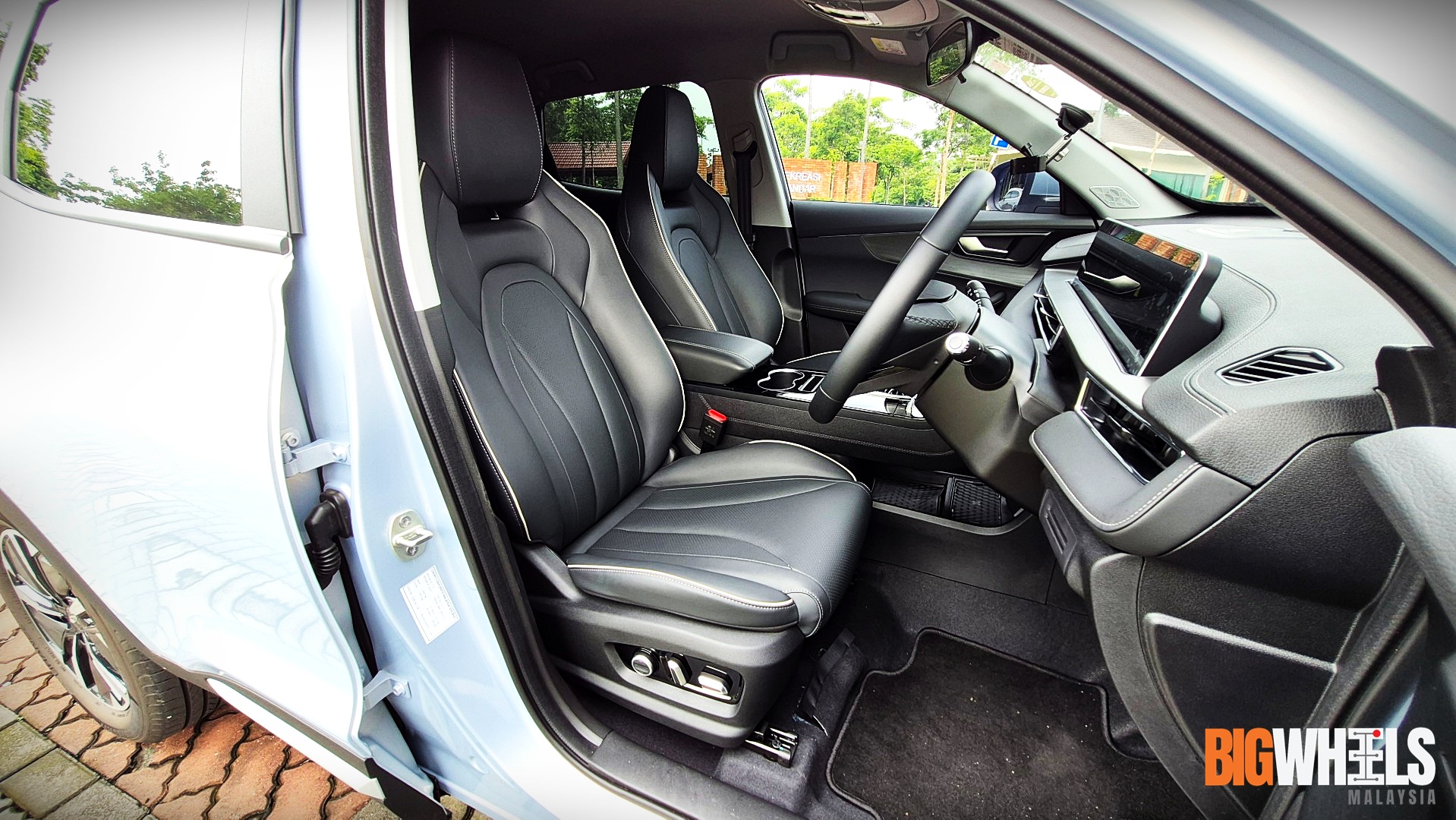
These figures cover the compulsory scheduled maintenance items listed by Chery. They exclude tyres, insurance, batteries, and additional wear-and-tear items. Actual prices may also change.
Nevertheless, having a published service schedule means you can plan ahead instead of treating every service appointment like a lucky draw.
Seven years of warranty, ten years for selected hybrid components.
Another important consideration is warranty coverage. Chery offers the TIGGO CROSS a seven-year or 150,000km vehicle warranty, whichever comes first.
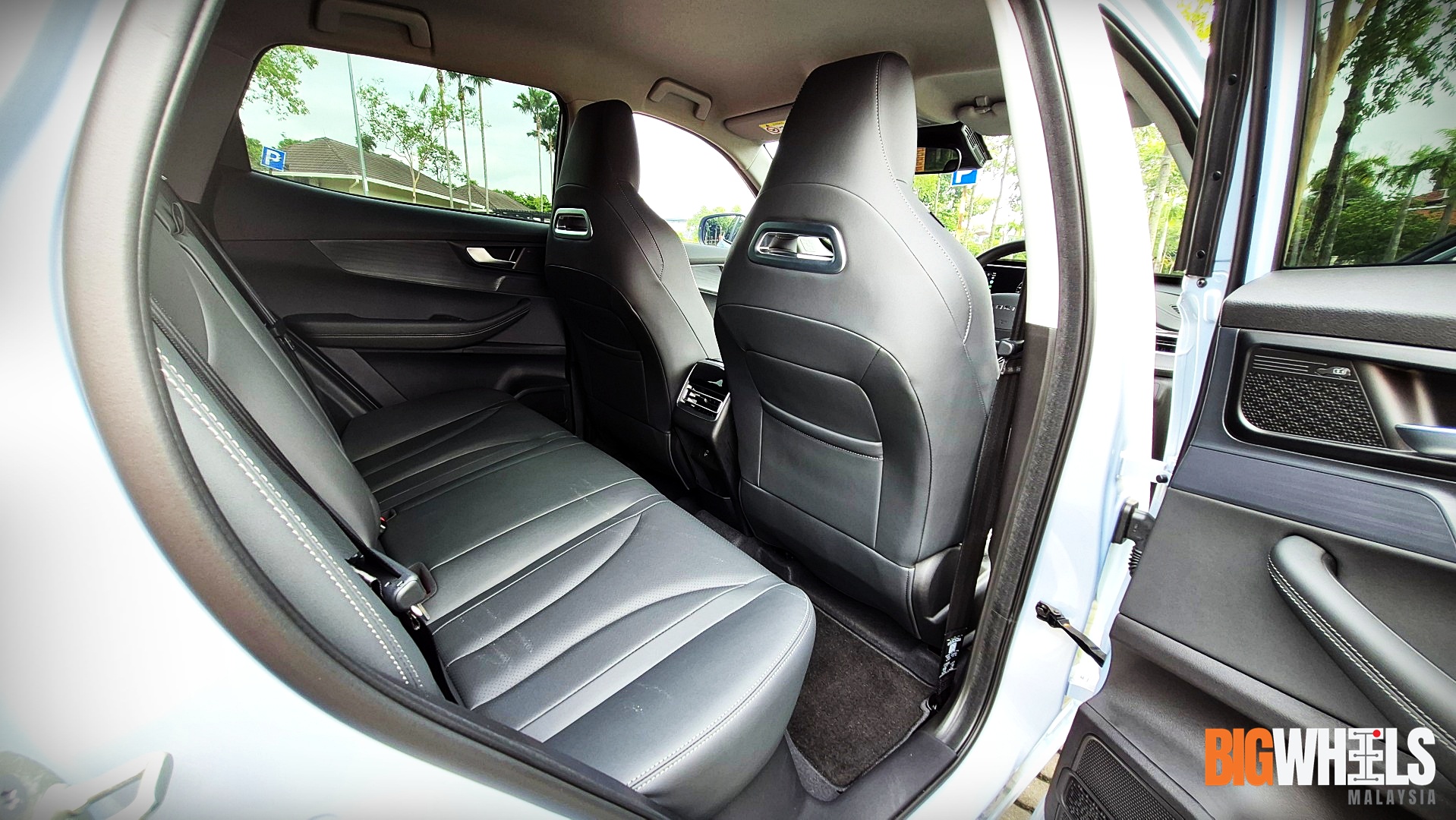
For the Hybrid CSH, selected high-voltage components, including the battery pack, electric motor, vehicle control unit and battery management system, receive coverage of up to 10 years or 200,000km for eligible vehicles registered from 2026 onwards.
That’s particularly useful for buyers planning to keep their cars for longer. However, remember that the 10-year coverage applies to specified hybrid components, not the entire vehicle. Different components have different warranty conditions.
What if you keep it for nine years?
Here’s where you need to think beyond the monthly installment. The standard vehicle warranty lasts seven years or 150,000km, whichever comes first. So, with a nine-year loan, you could potentially spend the final two years paying for a vehicle that’s outside its standard warranty.

Chery’s published service schedule also provides pricing through the seven-year period, not a complete nine-year maintenance projection.
Our advice? If you can comfortably manage the seven-year installment, go for it. If you need nine years to keep the monthly commitment manageable, set aside some extra money for maintenance and potential repairs beyond the warranty period. A lower monthly installment is nice but being financially prepared is even nicer.
The little things still count
Both TIGGO CROSS variants have an annual road tax of RM120 in Peninsular Malaysia. Insurance and fuel will depend on your circumstances, particularly how much you drive.
For Klang Valley commuters, that could mean crawling along the Federal Highway, getting stuck around Subang Jaya and spending more time in traffic than actually moving.
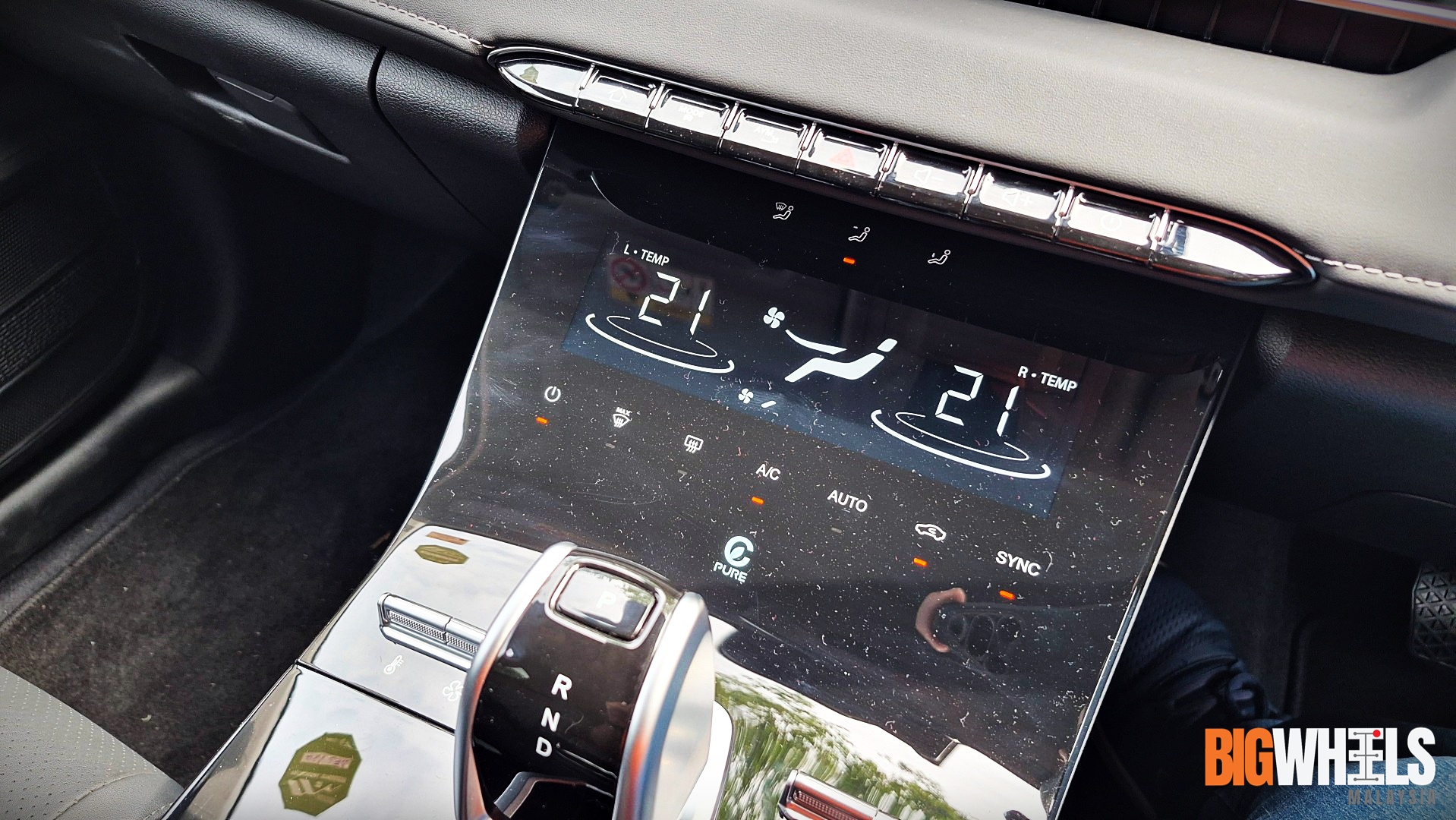
This is where the Hybrid CSH could be attractive. Its electrified powertrain may offer fuel-saving advantages in stop-and-go driving, although the RM11,000 higher purchase price needs to be considered.
The Turbo, meanwhile, offers a lower entry price for those who prefer a conventional petrol-powered SUV. Which one makes more financial sense depends on your mileage and driving habits.
So, is the TIGGO CROSS affordable to own?
Let’s recap. You can get into a Chery TIGGO CROSS for RM88,800, with the Hybrid CSH starting at RM99,800. Estimated nine-year instalments start at around RM940 per month for the Turbo, based on our financing assumptions.
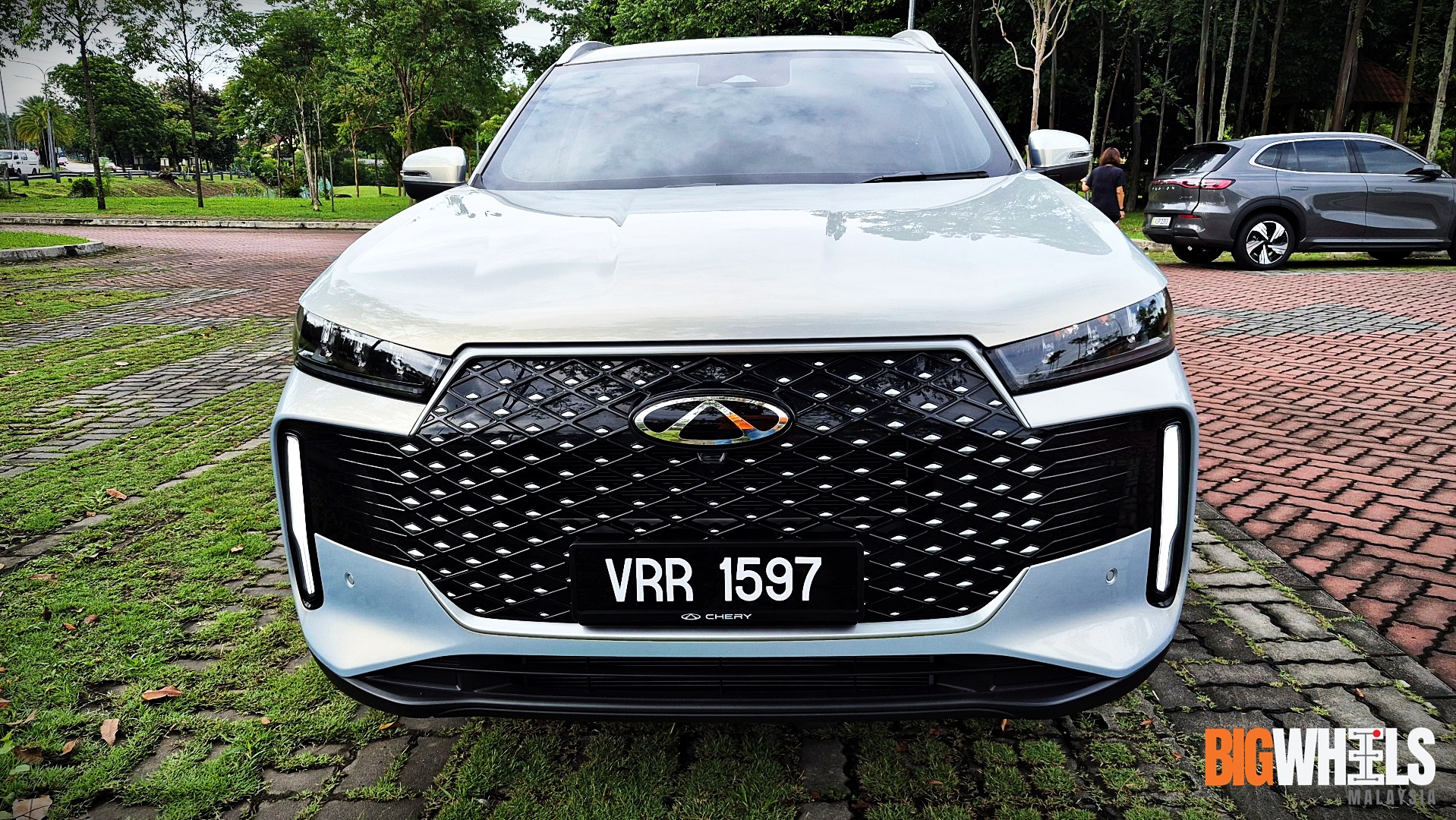
Scheduled maintenance over the published seven-year service schedule works out to approximately RM8,234.50 for the Turbo and RM8,261.50 for the Hybrid.
Add a seven-year vehicle warranty, extended coverage for selected hybrid components and RM120 annual road tax, and the ownership proposition becomes rather interesting.

Of course, no car is completely free to maintain. You’ll still need to pay for fuel, insurance, tyres and anything unexpected, but buying a car isn’t just about whether you can afford the monthly installment. It’s about whether you can comfortably afford to keep it.
And if you can enjoy your SUV, take the occasional Balik Kampung trip and still have money left for your weekend Nasi Lemak, that’s a pretty good ownership proposition.
