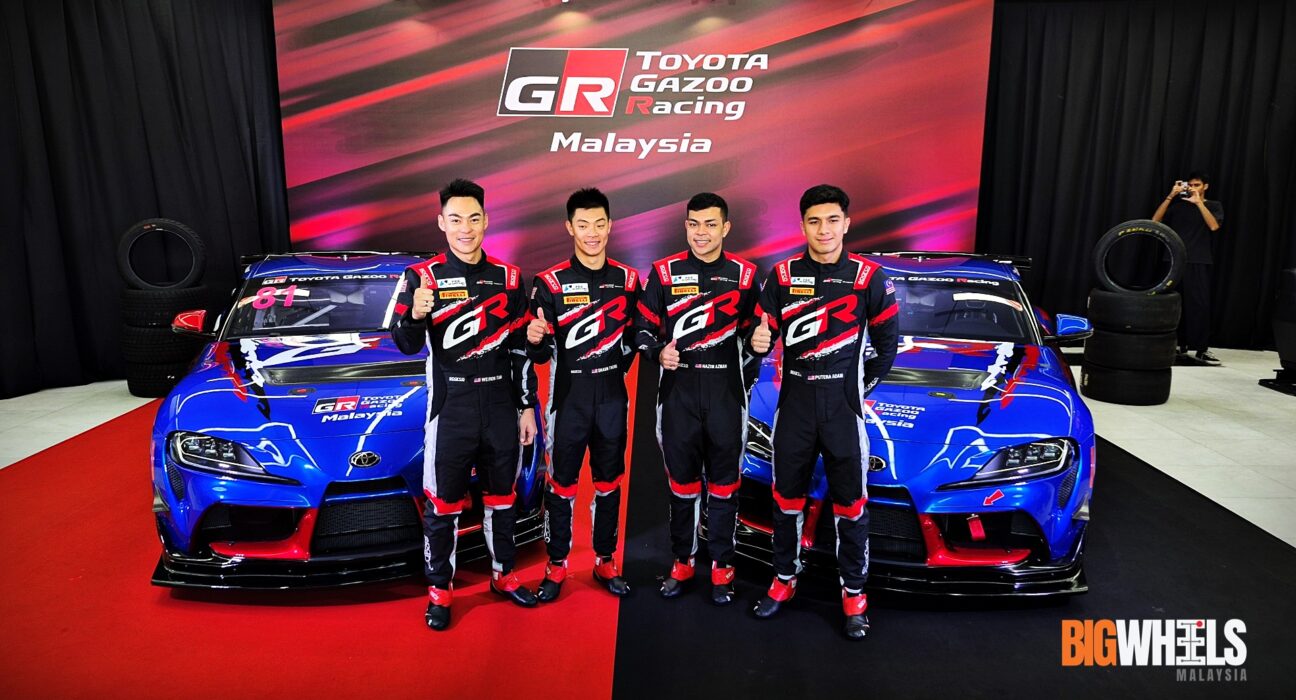
UMW Toyota Motor has taken a significant leap in its motorsports journey with the formation of TGR Racing Malaysia, a manufacturer-led racing outfit set to compete in the GT4 category of the Thailand Super Series.
This move signals a clear escalation in ambition, as Toyota Malaysia transitions from grassroots racing into a structured, highly competitive regional GT environment.
The establishment of TGR Racing Malaysia is not a standalone initiative, but rather the culmination of nearly a decade of groundwork laid through the Toyota Gazoo Racing Vios Challenge.
Since its introduction in 2017, the one-make series has served as a controlled platform for nurturing Malaysian driving talent, refining racecraft, and building operational expertise. By placing drivers in identical machinery, the Vios Challenge emphasised skill, consistency, and discipline—qualities that now underpin Toyota’s transition into GT4 competition.
According to UMW Toyota Motor, this new chapter reflects a long-term commitment to motorsport development rather than a short-term promotional exercise. The goal is twofold: to compete at a higher level while continuing to strengthen Malaysia’s motorsport ecosystem through talent development and technical knowledge transfer.
Competing in the GT4 category places TGR Racing Malaysia in a globally recognised racing class governed by the SRO Motorsports Group. GT4 is designed to offer close, competitive racing through tightly controlled technical regulations and the use of Balance of Performance (BoP), which ensures parity across different manufacturers.
This creates an environment where success depends less on outright technical advantage and more on execution, consistency, and teamwork—key areas Toyota aims to develop further.
For its debut season, the team will field an all-Malaysian driver line-up comprising Shaun Thong, Weiron Tan, Nazim Azman, and Putera Adam. This decision underscores Toyota’s continued focus on local talent, providing Malaysian drivers with a platform to compete at a higher level within the region.
Supporting them is a combined Malaysian and Japanese technical crew, bringing together local knowledge with international racing experience to form a well-rounded and competitive unit.
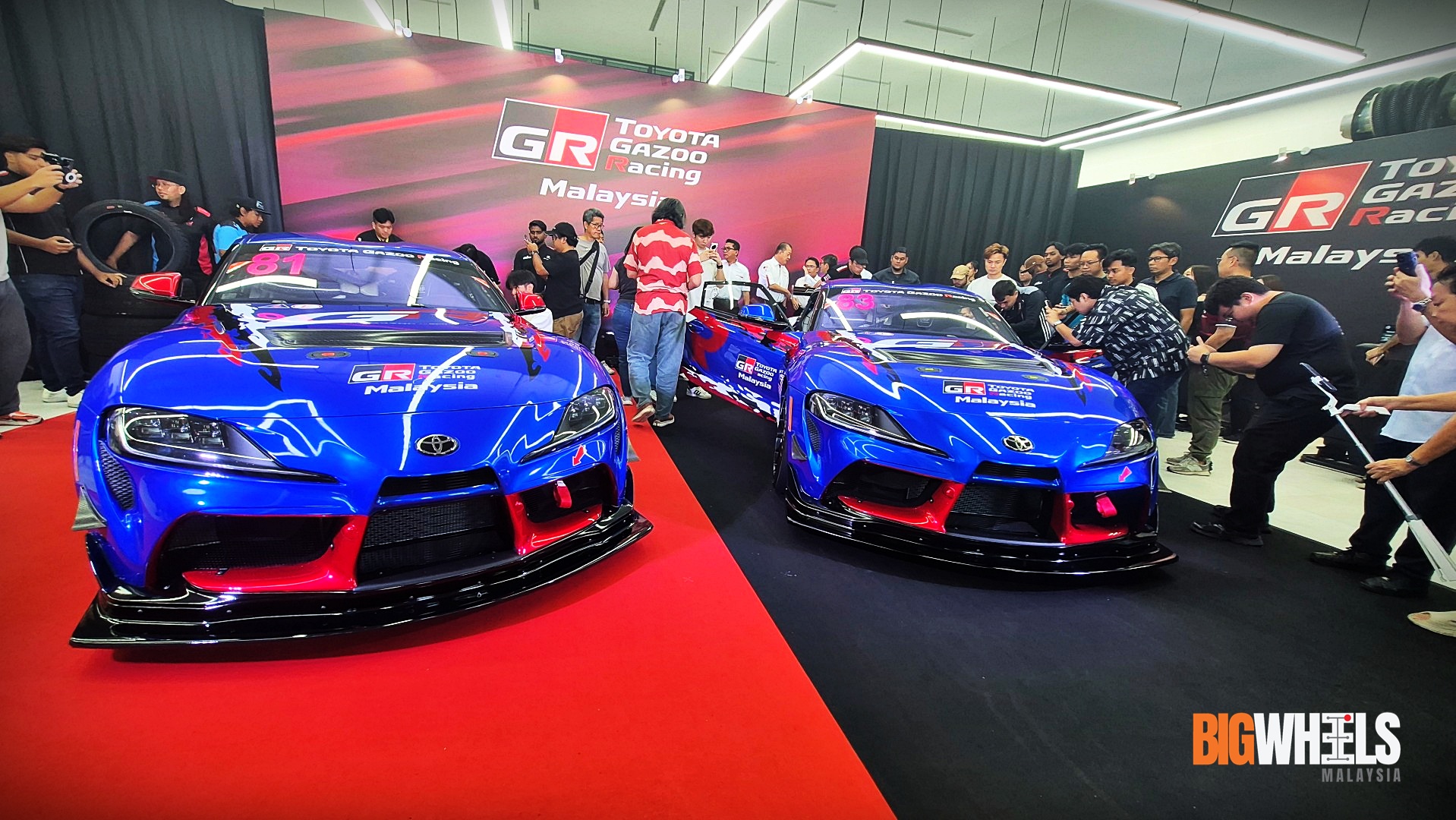
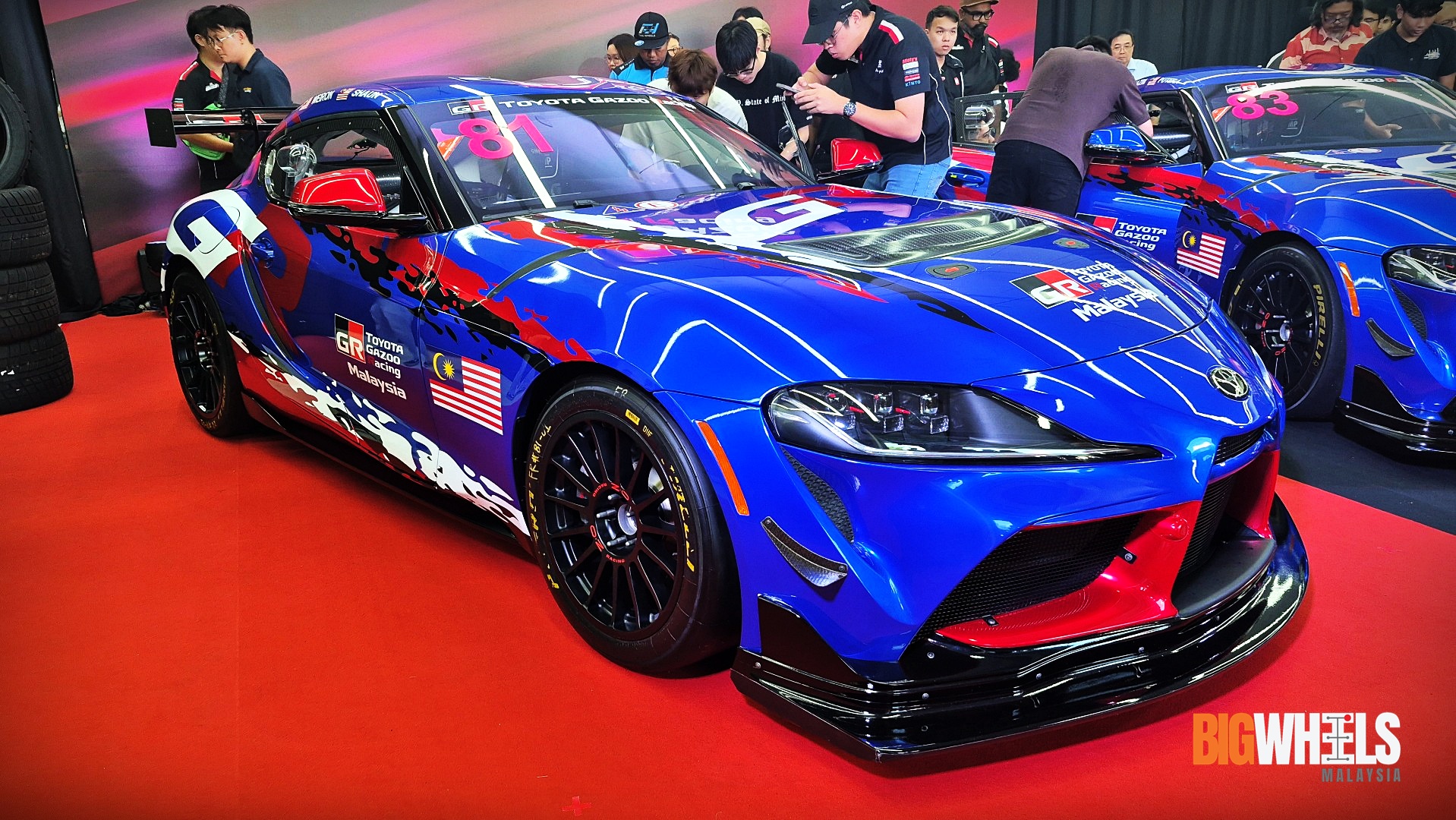
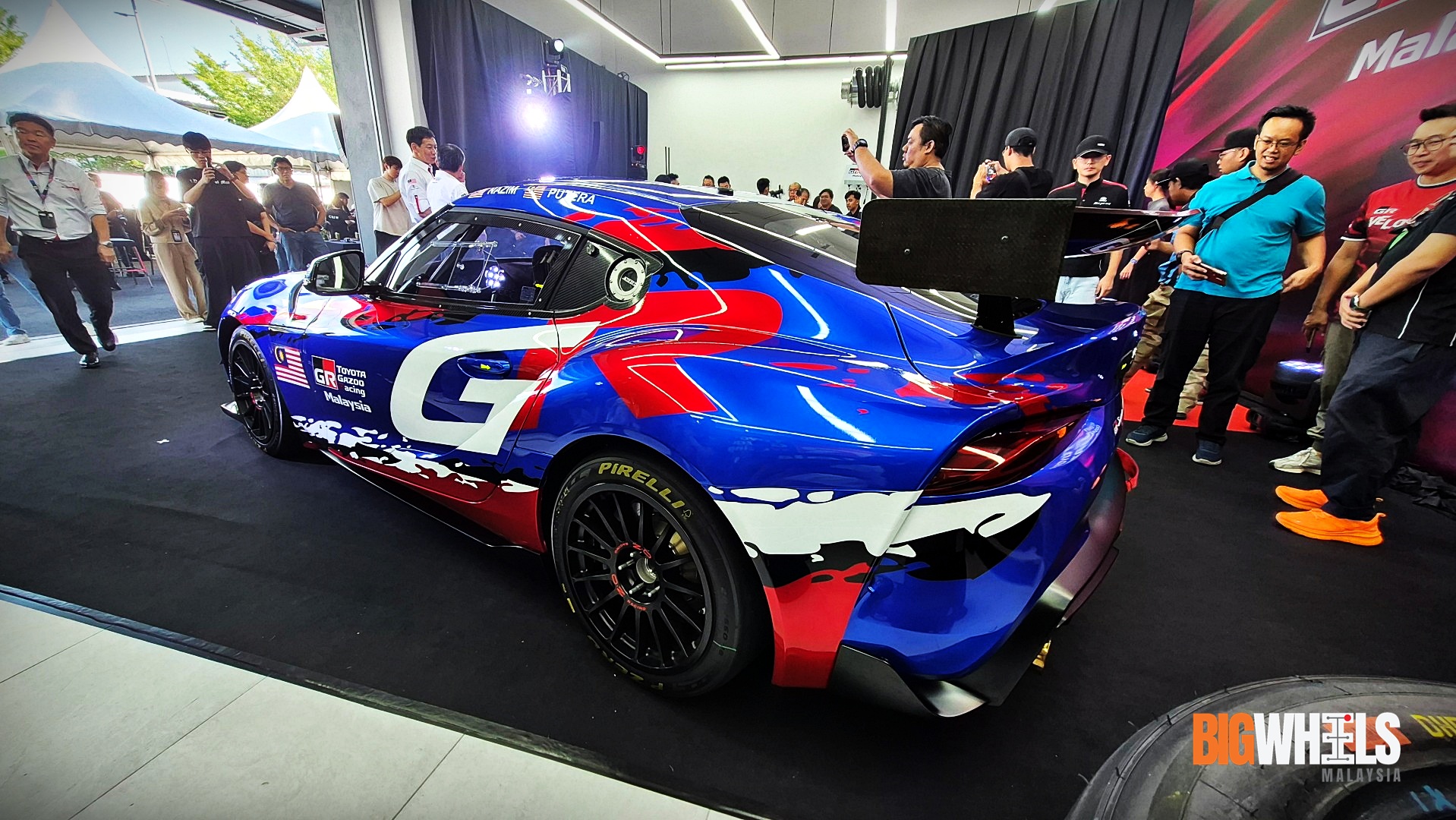
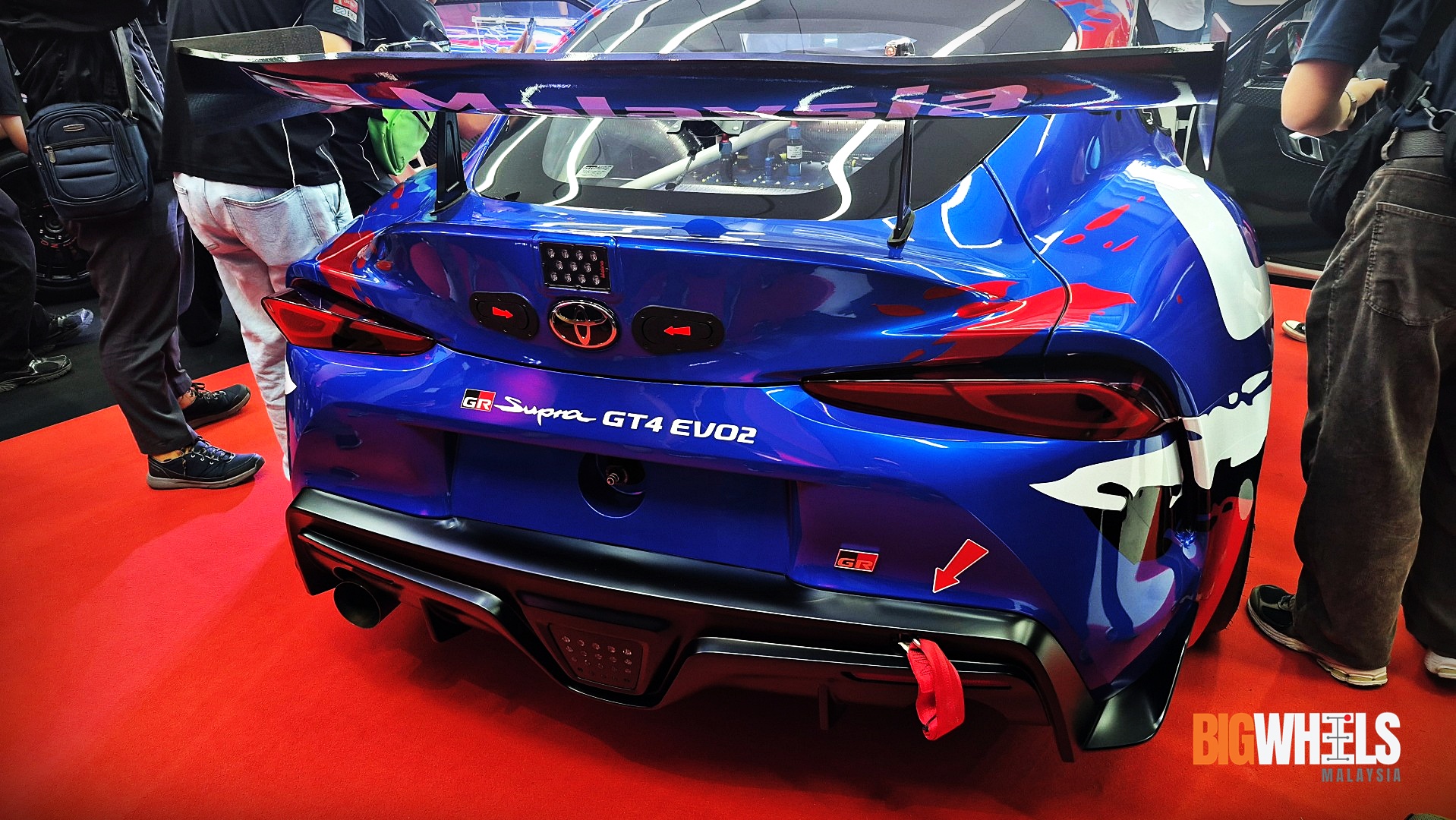
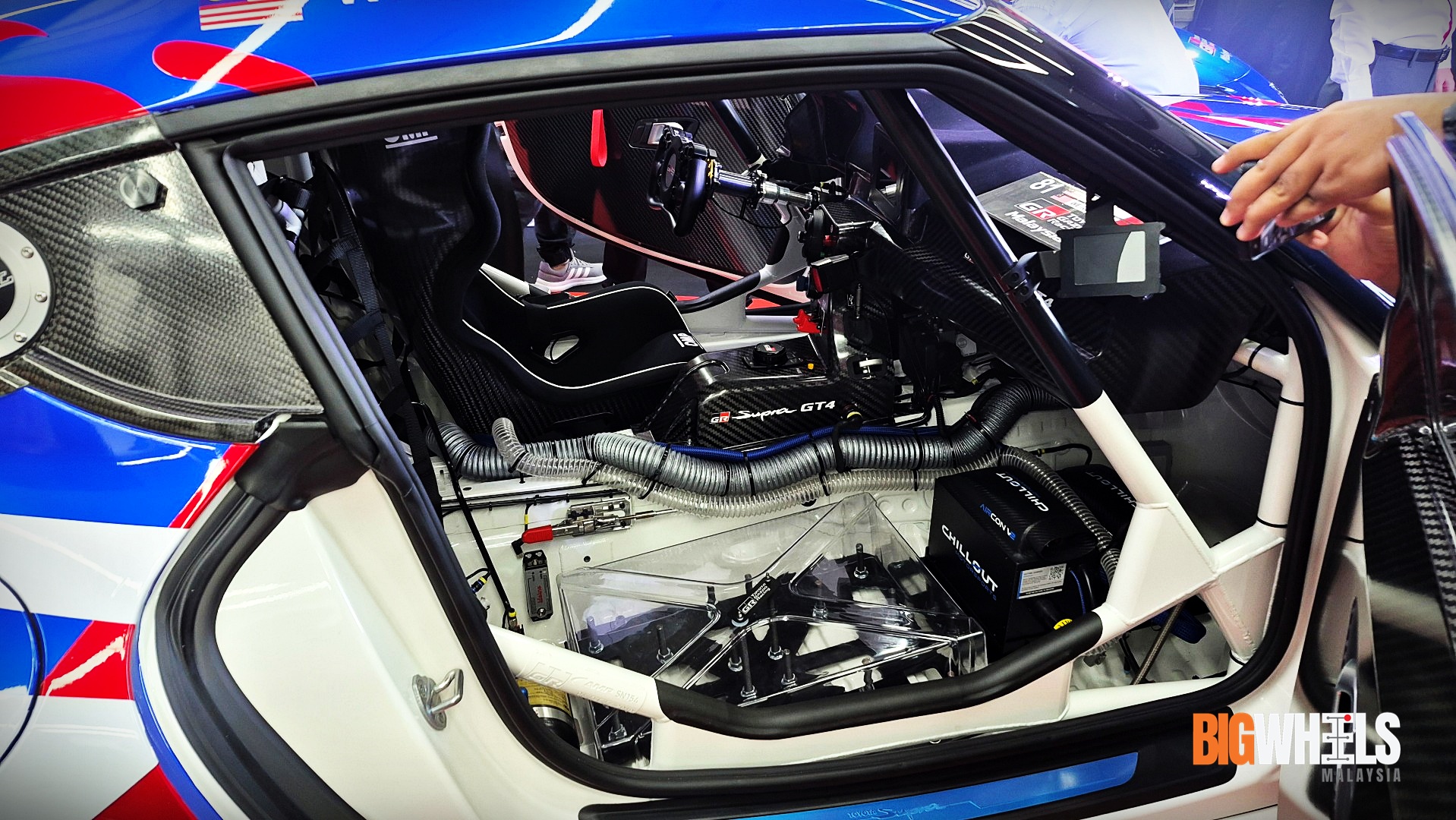
At the centre of the campaign are two Toyota GR Supra GT4 EVO2 machines. Developed by Toyota’s European racing arm, the EVO2 specification represents an evolution of the already capable GR Supra GT4 platform.
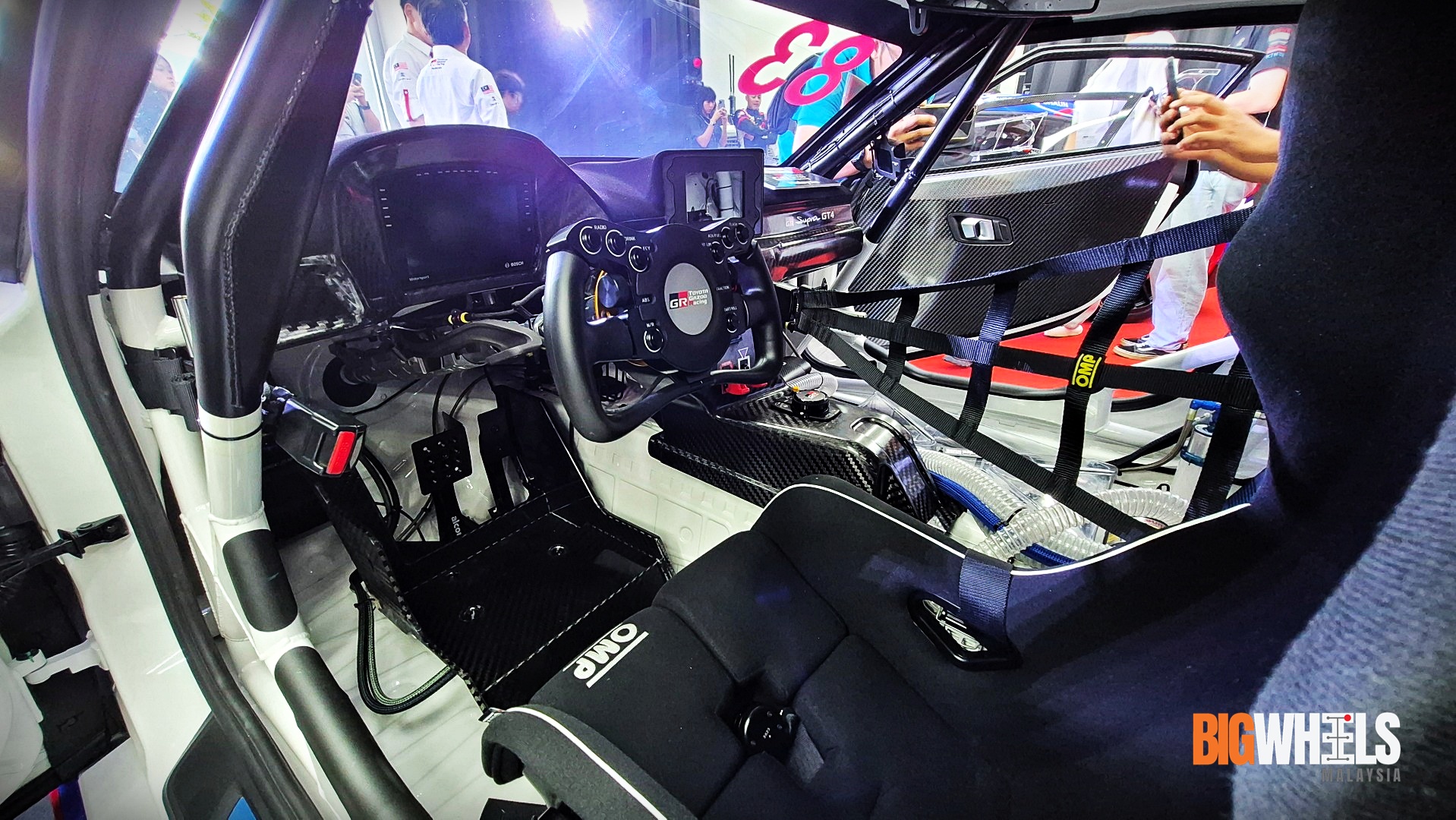
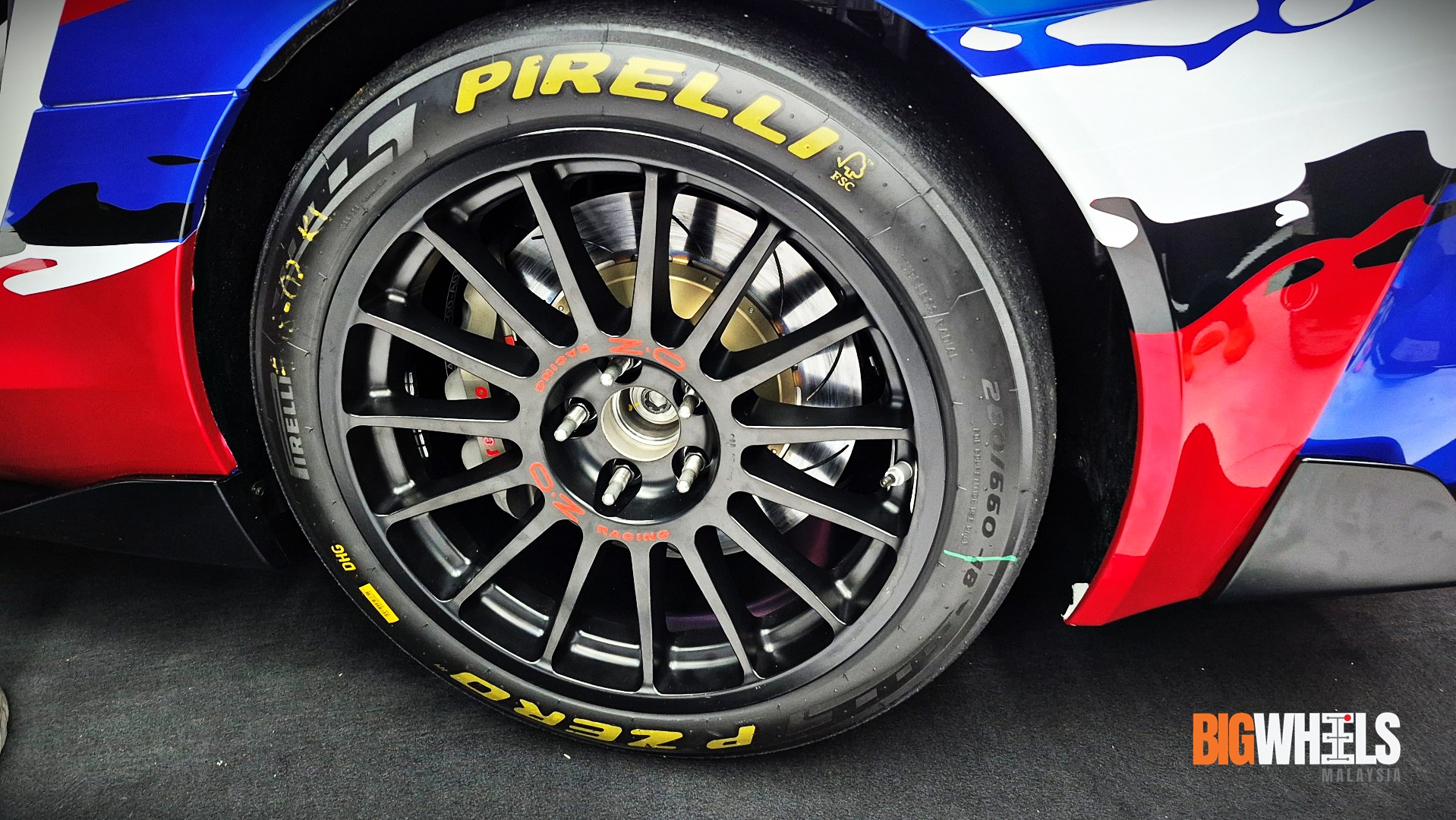
Updates include improved braking performance, revised damper settings, enhanced cooling systems, and more refined ABS calibration—all aimed at delivering better consistency, durability, and driver confidence over race distances.
These enhancements are not theoretical; they are the result of continuous feedback from teams and drivers competing in GT4 championships worldwide. As such, the EVO2 package arrives as a proven and competitive platform, giving TGR Racing Malaysia a solid technical foundation as it enters the series.
The Thailand Super Series itself provides a demanding yet structured environment for the team’s debut. Recognised as one of Southeast Asia’s premier racing championships, it features a mix of GT3, GT4, and touring car classes, all operating under FIA-sanctioned regulations.
The GT4 category, in particular, is known for its emphasis on race management, reliability, and operational precision across a full season.
Each race weekend follows a comprehensive format, including practice sessions, qualifying, and multiple races. This structure ensures that teams must consistently perform across all aspects of competition—from setup and strategy to driver execution and pit operations.
For TGR Racing Malaysia, this represents an ideal proving ground to benchmark its capabilities against established regional competitors.
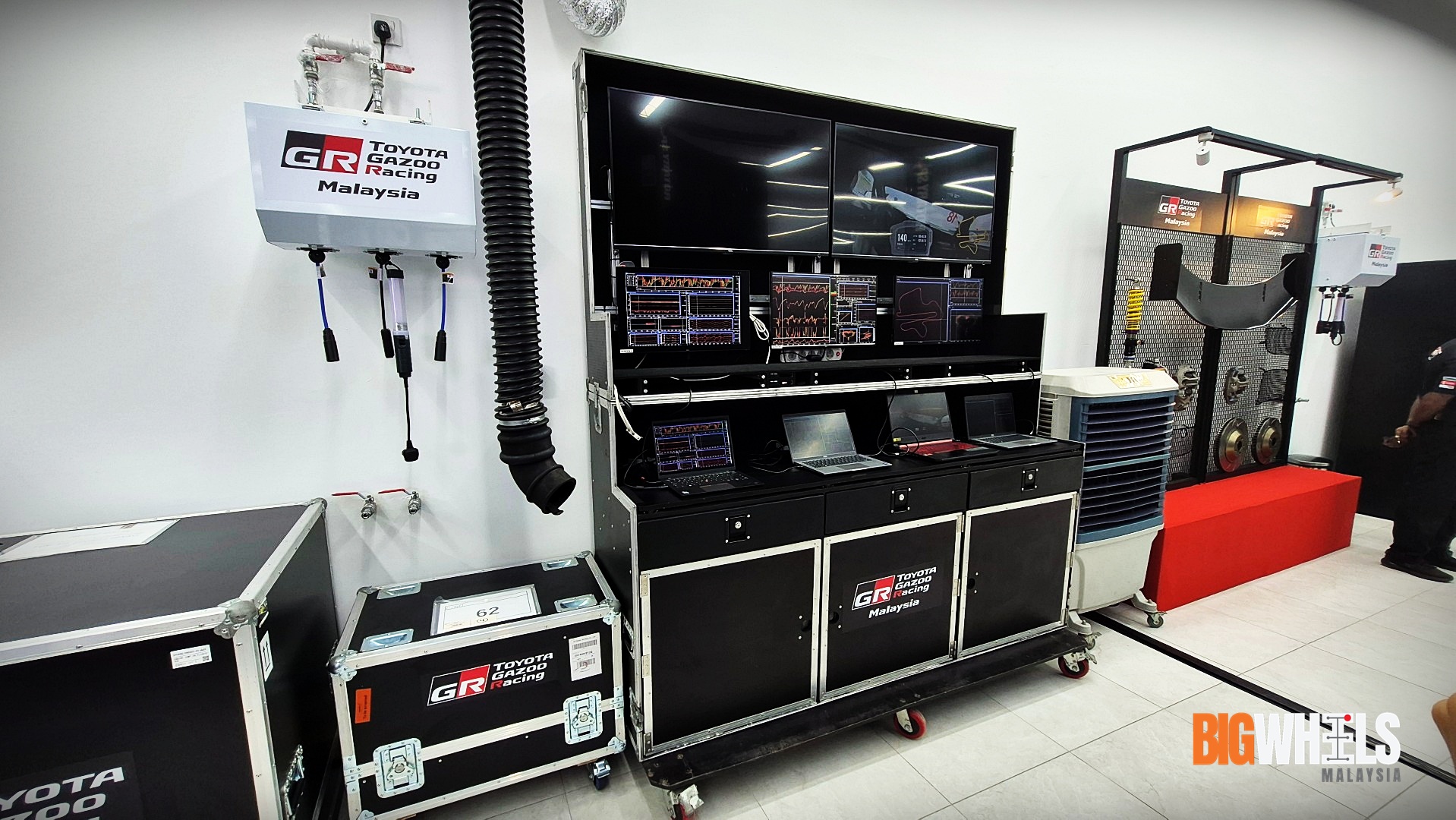
The 2026 season calendar adds further depth to the challenge. Pre-season testing begins in April at the Chang International Circuit, which also hosts the opening round in May. The series then moves to the streets of Bangsaen in July, before heading to home ground at the Sepang International Circuit for Rounds 3 and 4. The season concludes with a return to Buriram at the end of October.
While the immediate objective for TGR Racing Malaysia is to build experience and establish operational consistency, the broader ambition is clear. The team aims to evolve into a competitive force within the GT4 category, leveraging each race as an opportunity to refine performance and strengthen its internal capabilities.
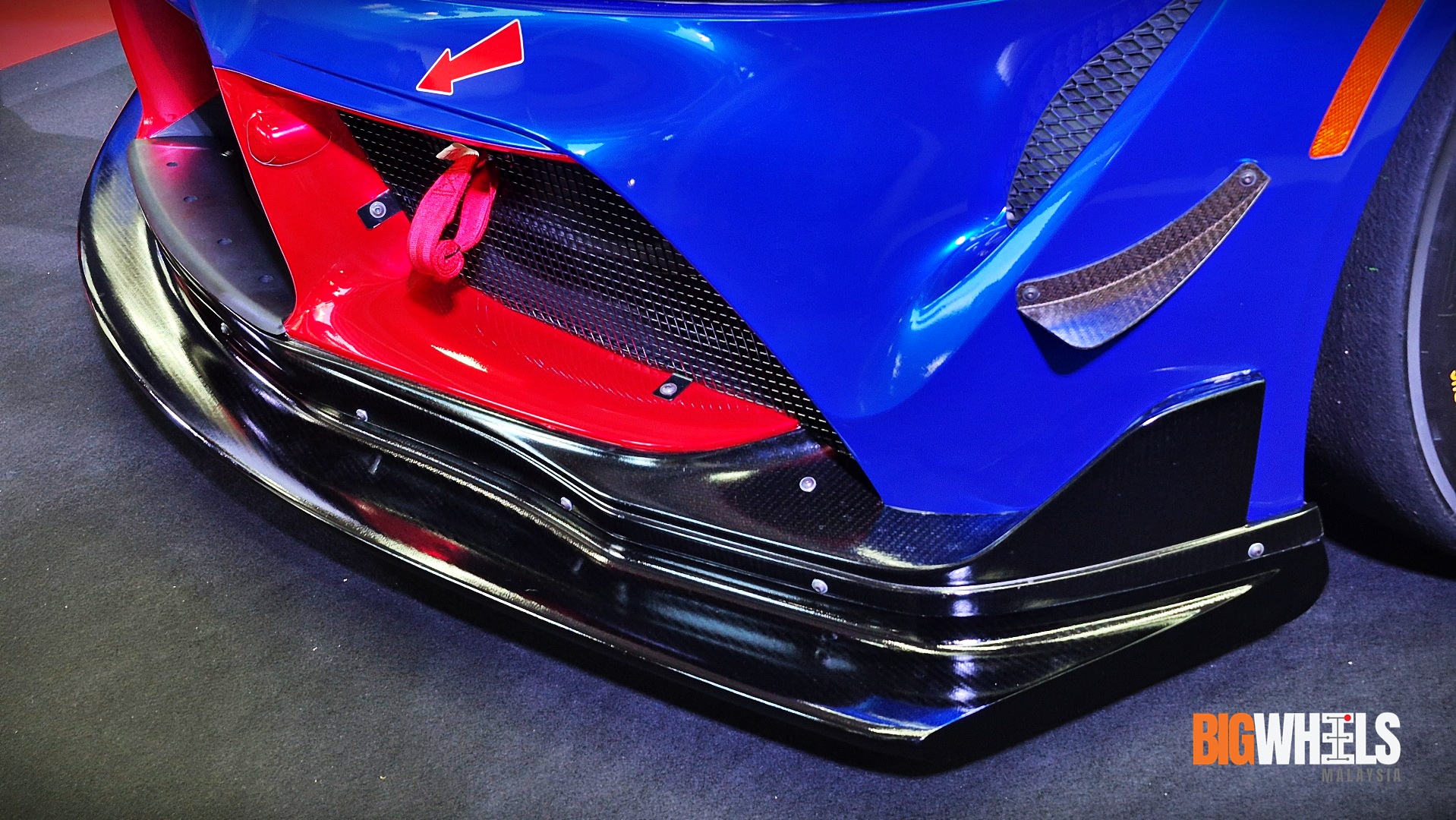
Equally important is the transfer of knowledge between Japanese and Malaysian personnel. By working alongside experienced engineers and race specialists, local team members gain exposure to international standards in race engineering, data analysis, and team management.
This knowledge-sharing approach ensures that the benefits of the programme extend beyond the racetrack, contributing to the long-term growth of Malaysia’s motorsport industry.
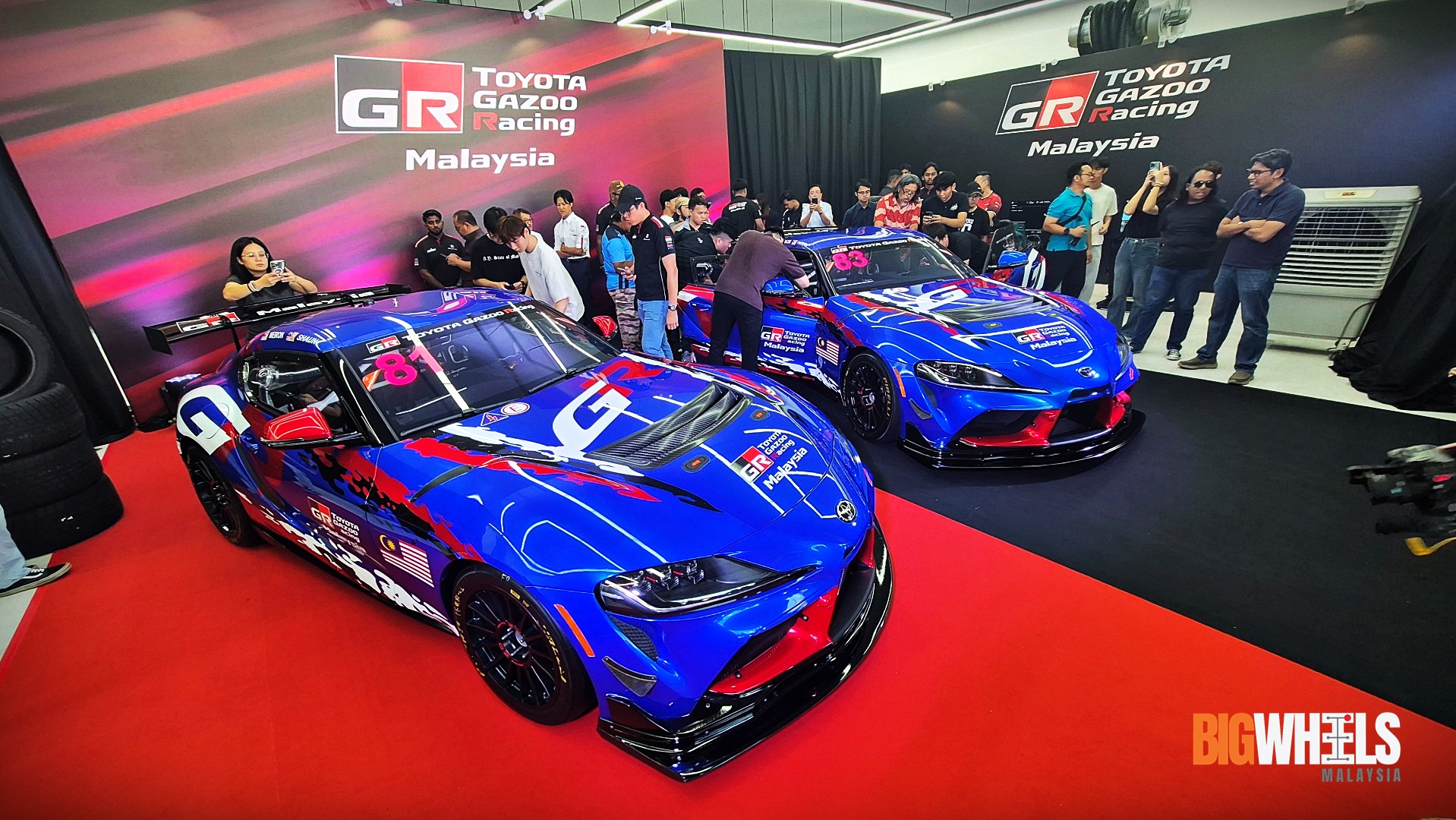
Ultimately, the launch of TGR Racing Malaysia represents a strategic progression for Toyota’s racing ambitions in the country. It bridges the gap between grassroots competition and professional GT racing, providing a clear pathway for drivers, engineers, and teams to advance within the sport.
If the Vios Challenge was about building the foundation, this is about raising the ceiling. And with the right blend of talent, technology, and intent, TGR Racing Malaysia could well become a benchmark for how manufacturer-led programmes can elevate motorsport development in the region.