
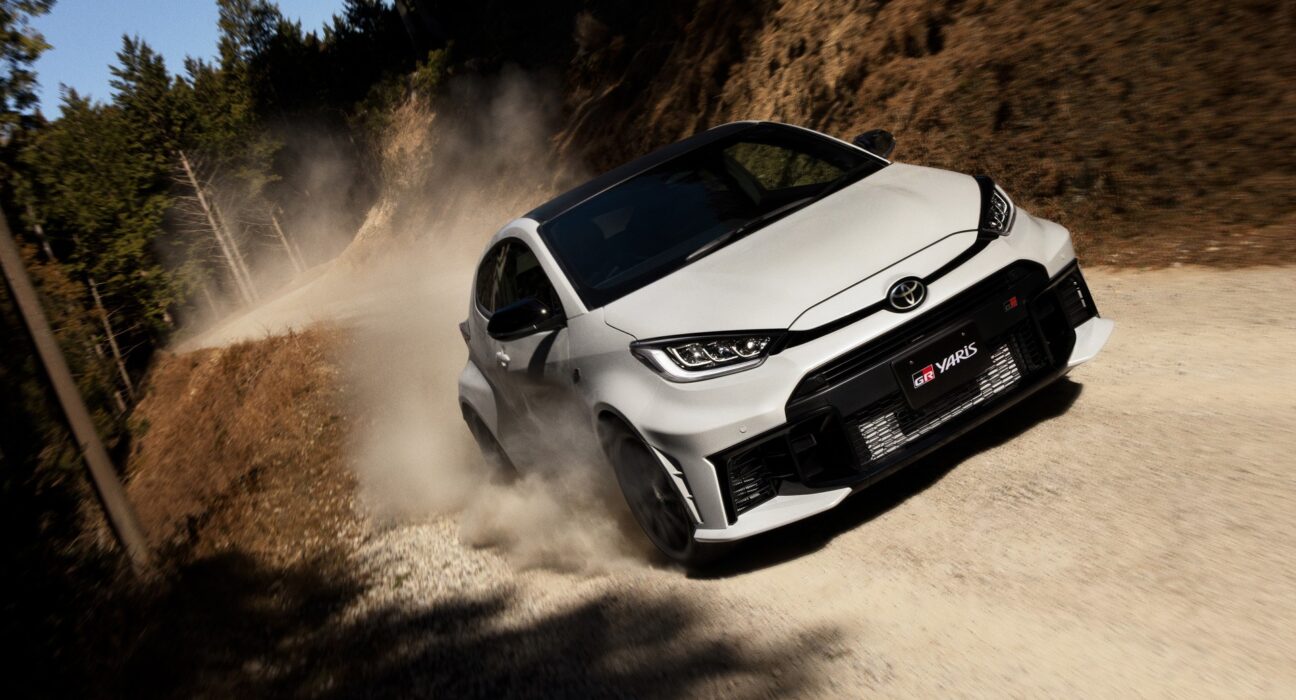
Toyota Gazoo Racing has unveiled an updated version of its cult performance hatch, the Toyota GR Yaris, now known as the Type 26. While not a full redesign, this latest iteration reflects Toyota’s continuous improvement philosophy—refining the car through real-world motorsports feedback rather than relying on conventional facelift cycles.
Since its debut in 2020, the GR Yaris has stood apart as a homologation-inspired machine engineered with rallying in mind. The Type 26 continues that trajectory, focusing on driver engagement, steering precision, and high-limit performance.
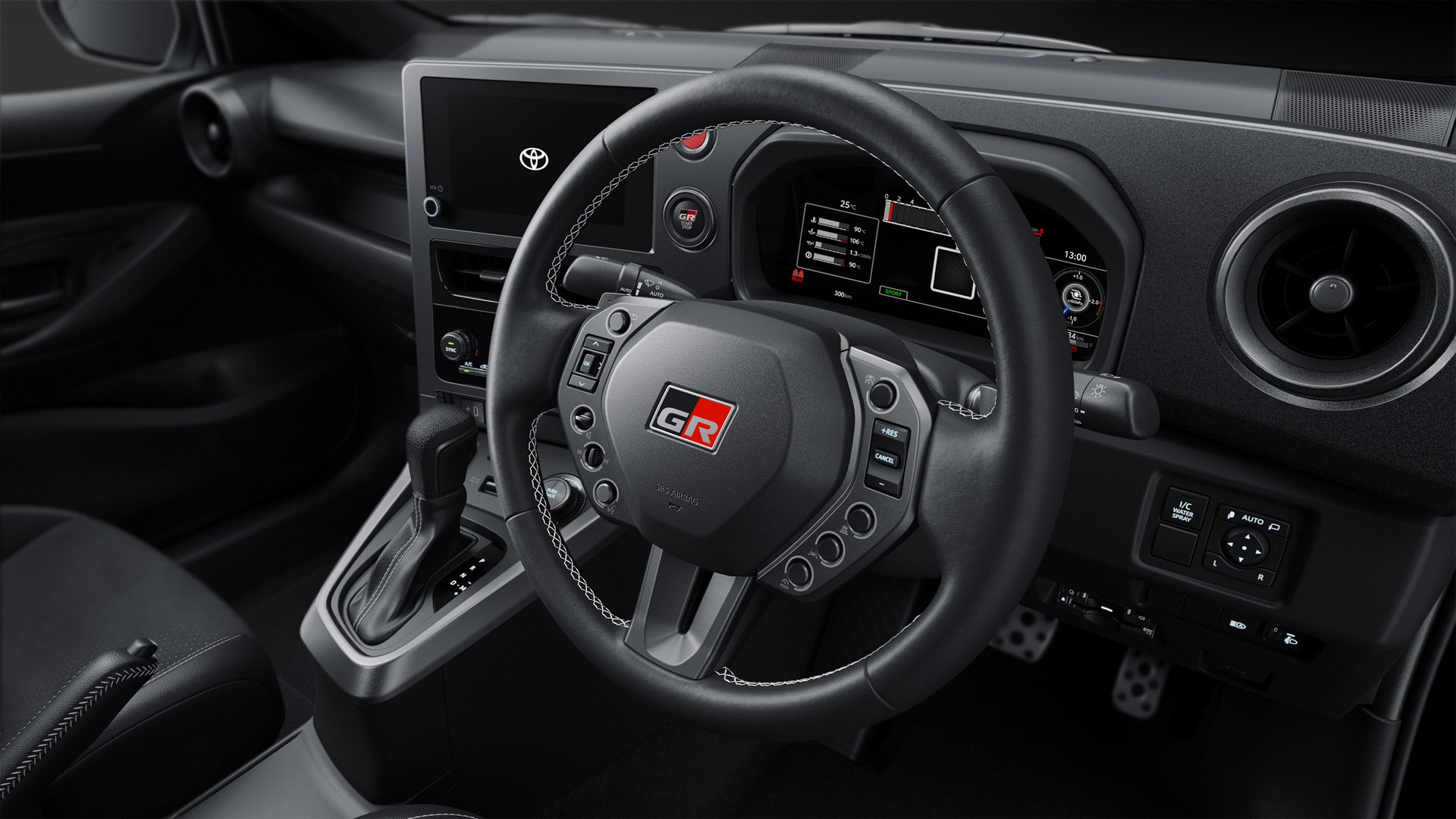
One of the most notable updates is the introduction of a newly developed GR steering wheel. Designed with input from professional race drivers, it addresses a specific challenge encountered in motorsports—maintaining a consistent grip during aggressive steering inputs without needing to reposition the hands.
The new wheel features a smaller diameter for quicker response and reshaped grips that better accommodate palm pressure during cornering. Switch placement has also been reworked, separating functions more clearly and adding illumination for improved usability, especially in low-light conditions.
Beyond ergonomics, Toyota has recalibrated the electric power steering (EPS) system to better cope with extreme driving scenarios. Drawing from circuit and rally data, the updated system offers more consistent assist under high loads, such as heavy braking into corners or when running high-grip tyres.
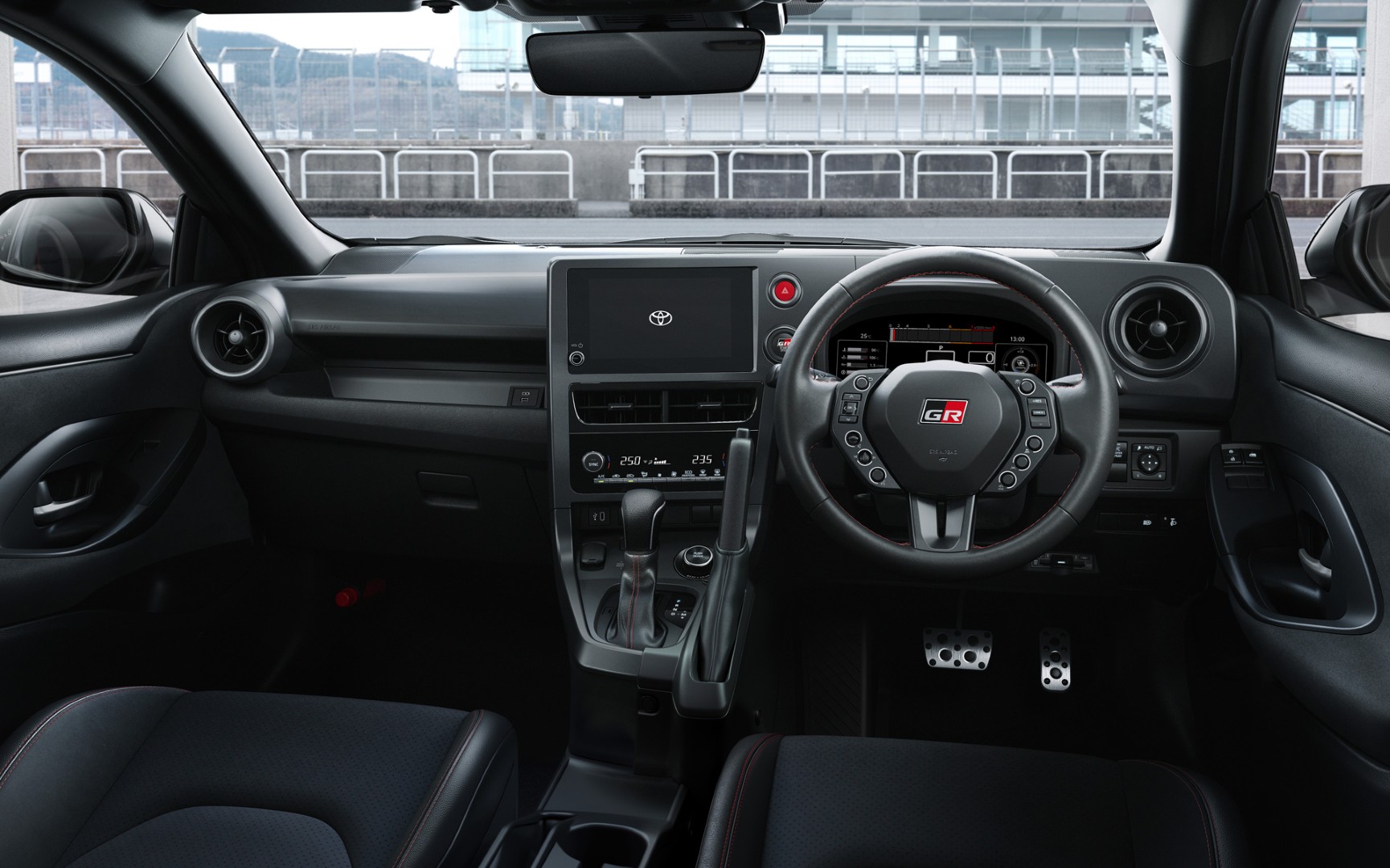
Mechanical changes, including optimised torsion-bar rigidity within the torque sensor, expand the system’s detection range, while revised software ensures more precise assistance. The result is steering that feels more linear and dependable when pushing the car to its limits.
Tyres also play a crucial role in the Type 26’s enhanced capability. Selected variants now come equipped with Bridgestone Potenza Race tyres, developed specifically for sustained high-grip performance.
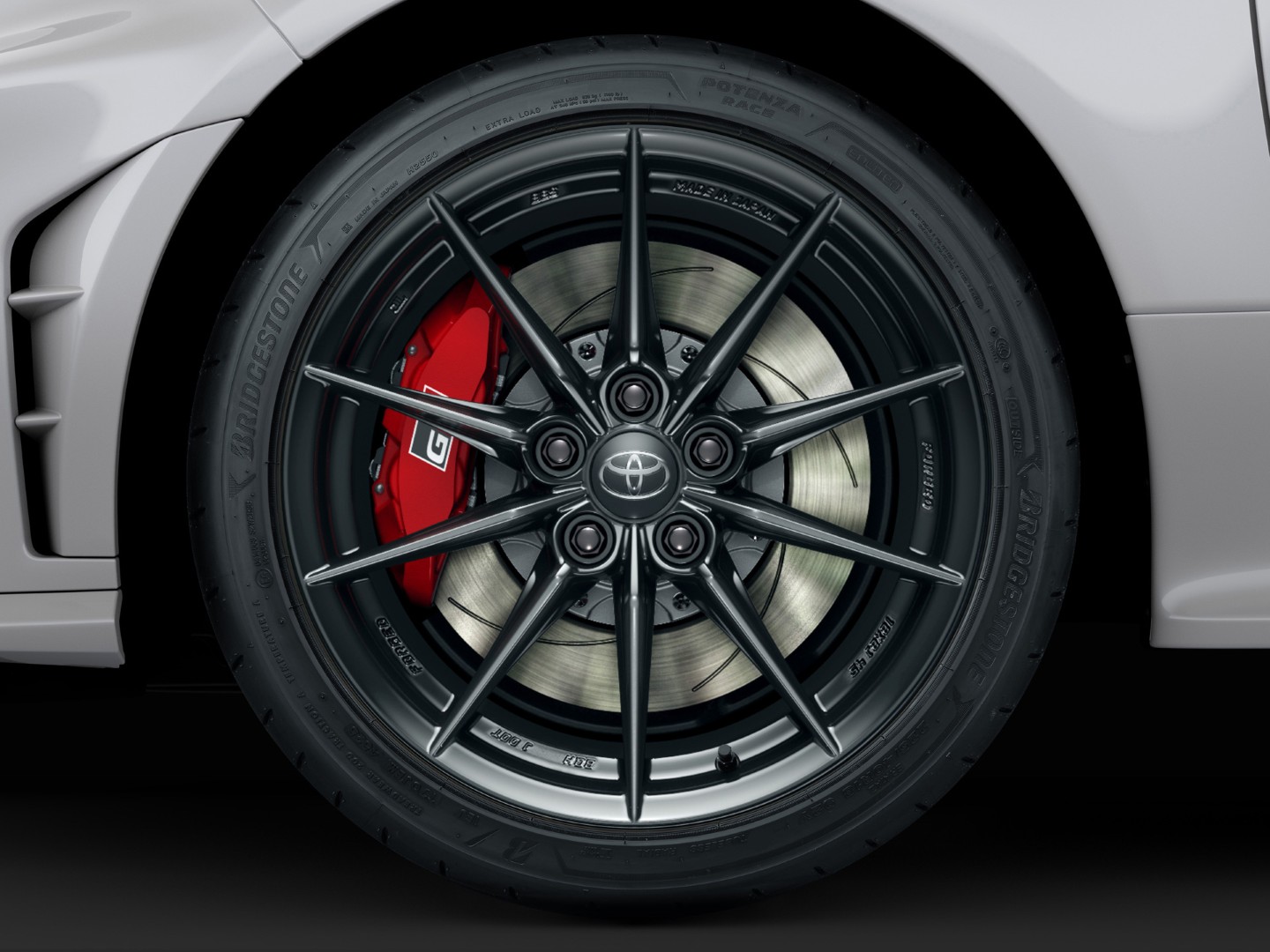
These tyres feature revised tread patterns, internal construction, and rubber compounds, allowing for improved control during aggressive driving. When paired with BBS forged alloy wheels and retuned dampers, the setup delivers greater stability and consistency, whether on track or spirited road driving.
Toyota has also made practical improvements to the ownership experience. Previously incompatible option combinations—such as pairing a vertical handbrake with comfort-focused packages—have now been resolved. Features like seat heaters and a heated steering wheel are now available alongside motorsport-inspired configurations, making the GR Yaris more versatile without diluting its hardcore appeal.
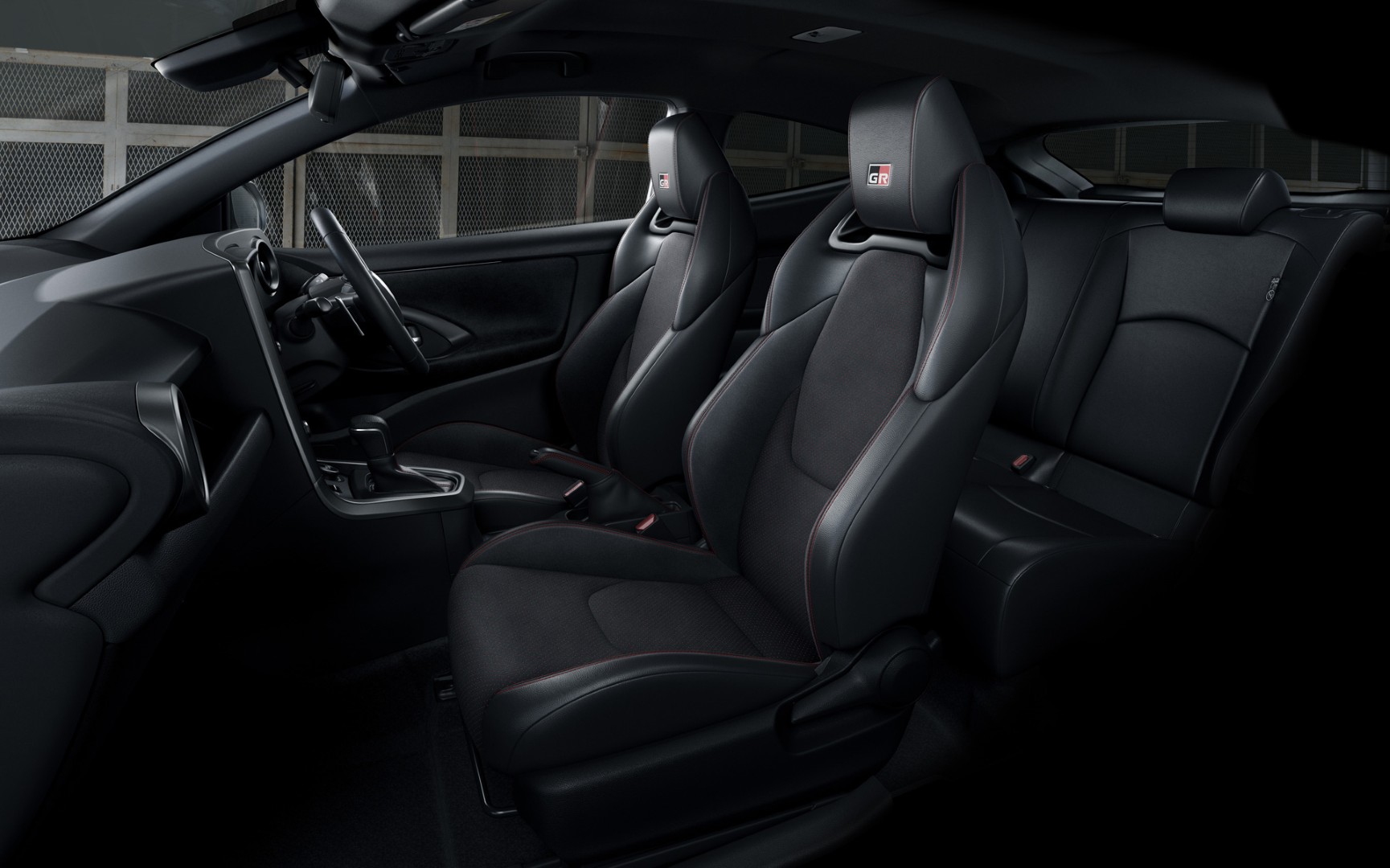
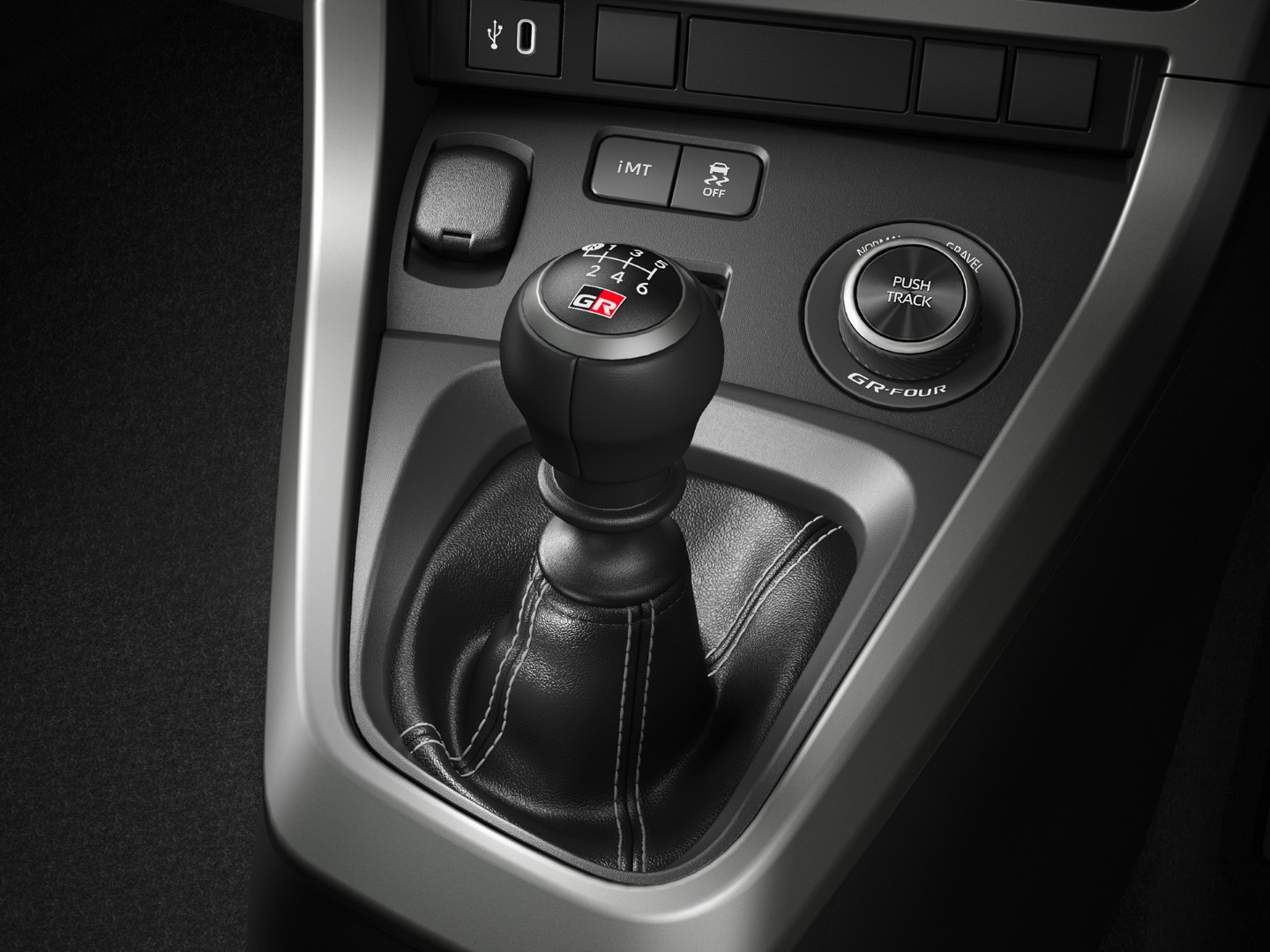
Under the bonnet, the formula remains unchanged but still highly competitive. The 1.6-litre turbocharged three-cylinder engine continues to deliver 304 PS and 400 Nm, channelled through the GR-FOUR all-wheel-drive system.
Buyers can choose between a six-speed intelligent manual transmission or an eight-speed automatic developed by GAZOO Racing. The drivetrain retains its configurable torque distribution modes, allowing drivers to tailor the car’s behaviour to different conditions—be it tarmac, gravel, or track.
Chassis hardware remains equally focused. A lightweight yet rigid platform, combined with MacPherson strut front suspension and a double wishbone rear setup, ensures sharp handling characteristics.
Torsen limited-slip differentials at both axles further enhance traction and cornering precision, while performance brakes provide consistent stopping power under repeated high-load use.
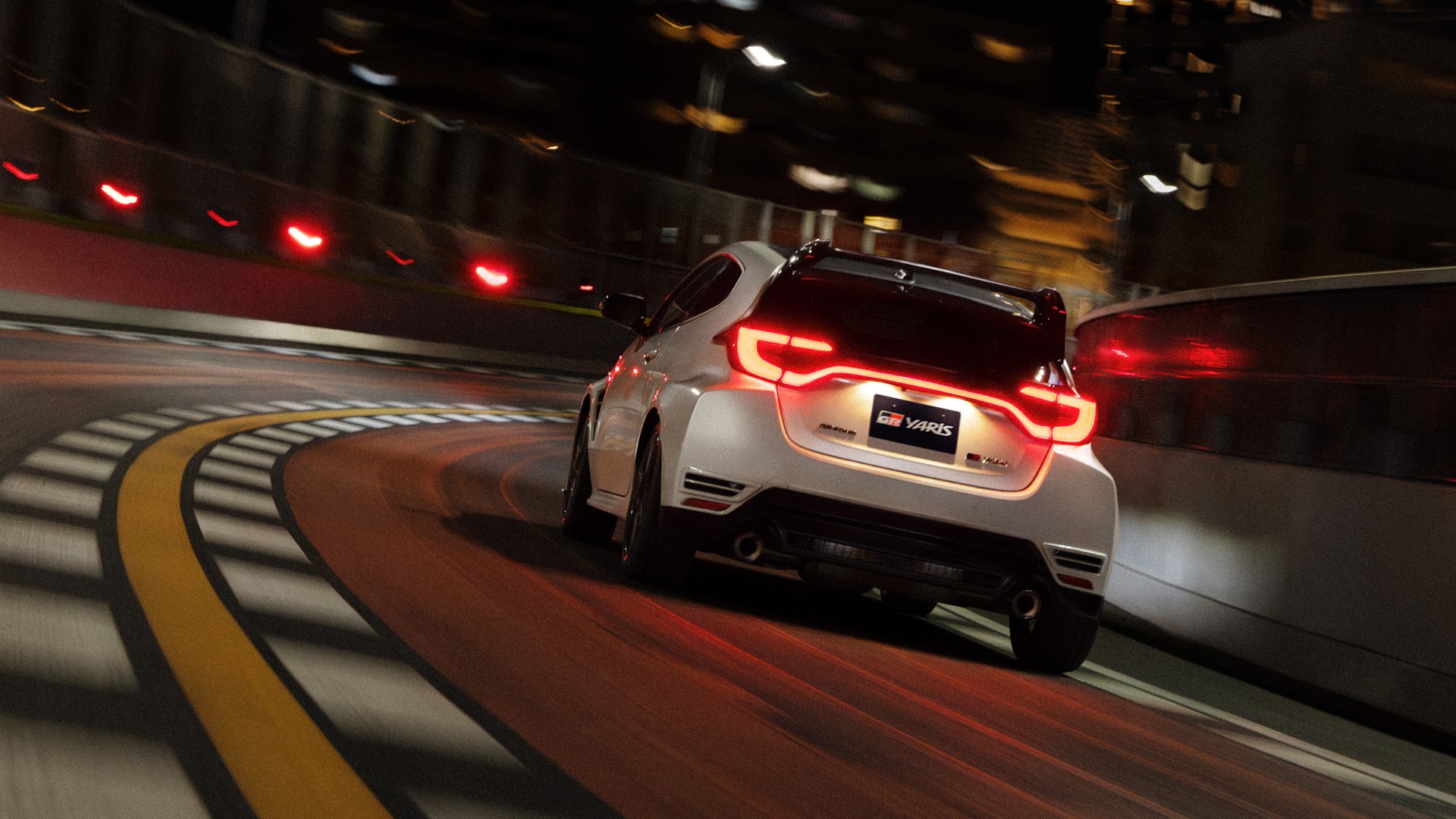
What makes the Type 26 particularly significant is not the scale of its changes, but the methodology behind them. Rather than introducing sweeping upgrades, Toyota has taken a data-driven approach—fine-tuning the GR Yaris based on feedback from professional drivers and competitive environments.
This iterative development process mirrors motorsport itself, where marginal gains collectively deliver meaningful improvements.
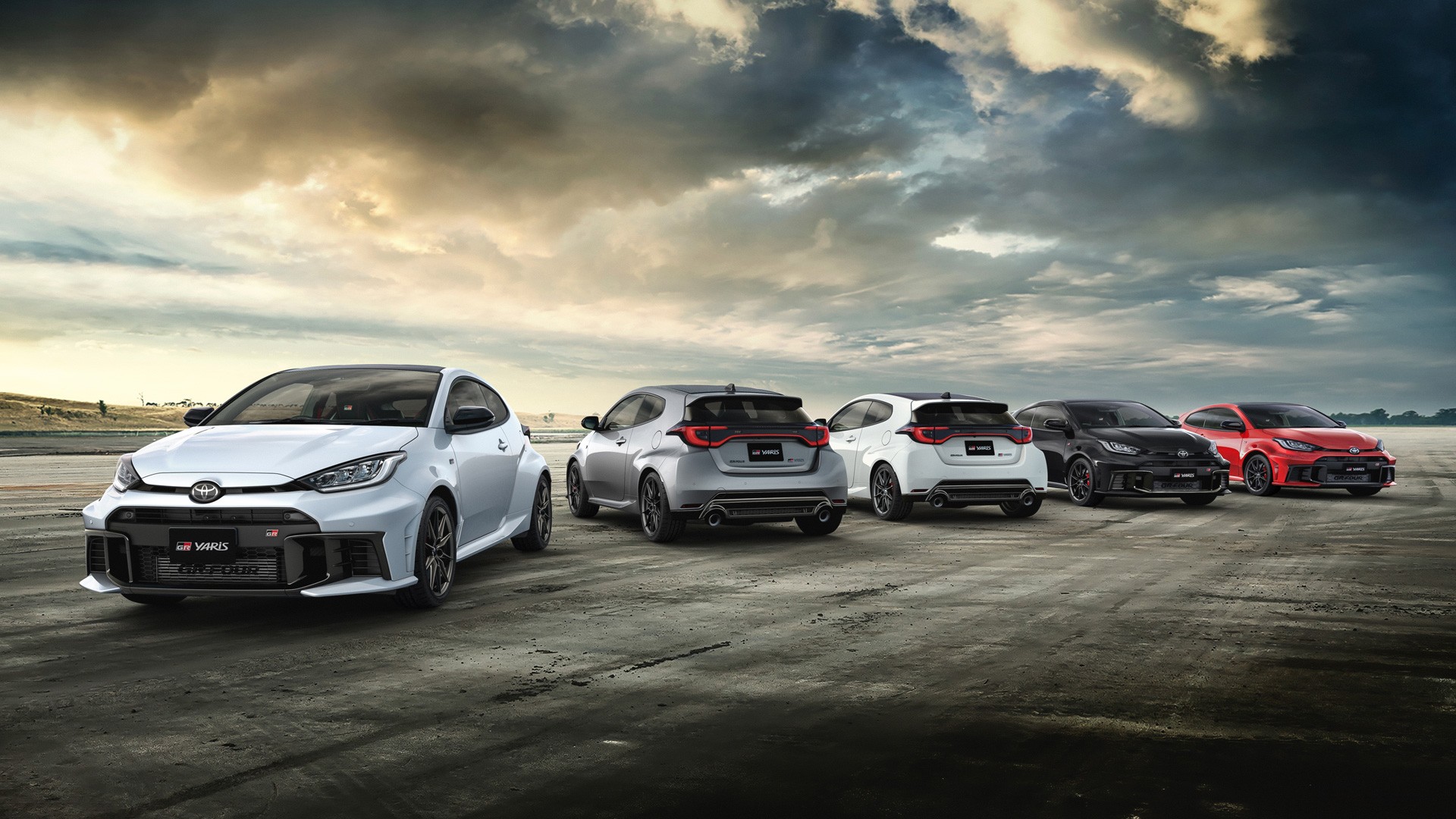
In essence, the GR Yaris Type 26 reinforces what has made the model so respected among enthusiasts: authenticity. It remains one of the few performance cars developed with genuine rally DNA, and this latest update ensures it continues to evolve in line with its original purpose.
For enthusiasts, the message is clear—this is not just a fast hatchback, but a constantly improving performance tool shaped by the demands of real-world competition.