
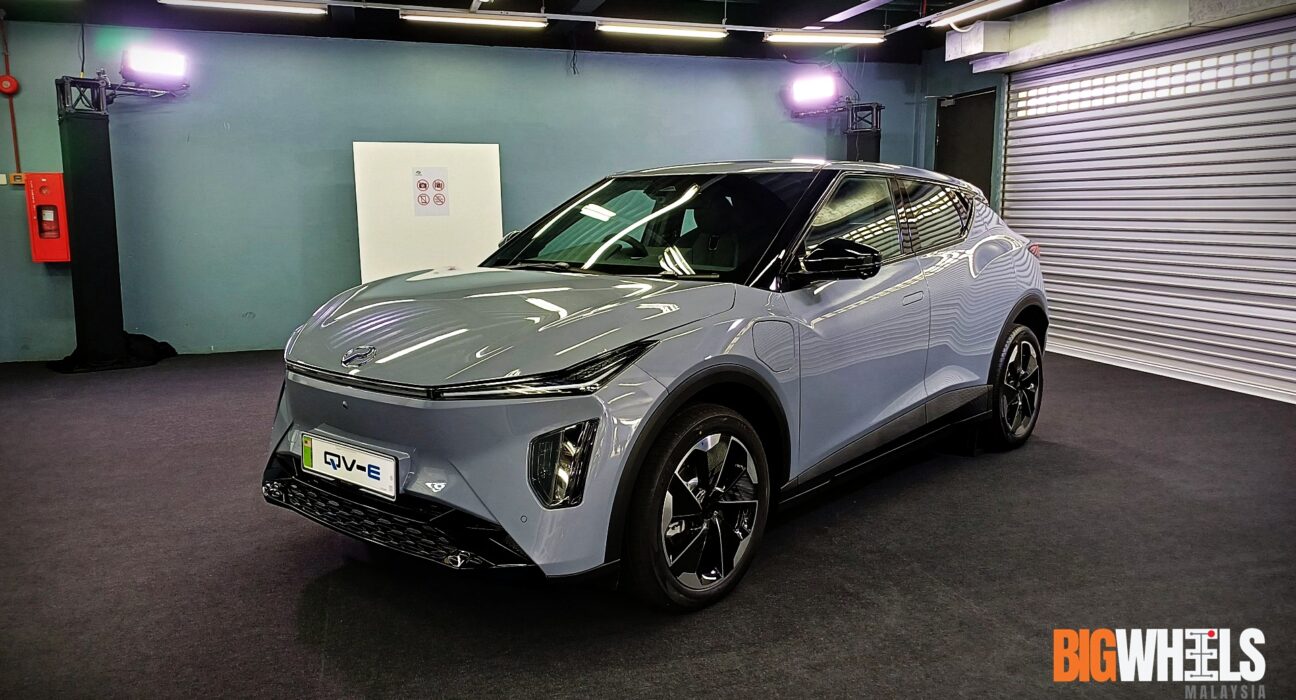
Perodua’s first-ever fully homegrown electric vehicle, the QV-E, was supposed to mark a breakthrough moment for Malaysia. For years, both the government and Perodua hinted at an “affordable EV” that could help democratise electric mobility, moving it beyond the premium segment dominated by imported models.
When Ministry of Investment, Trade and Industry (MITI) named Perodua as the lead automaker to produce affordable EVs under the New Industrial Master Plan 2030, it sent a strong message that Malaysia intended to make electric vehicles accessible to more people.
Then, on 27 March 2024, MITI confirmed publicly that Perodua had been chosen as the national brand to spearhead local, affordable EV production. The goal at the time was straightforward – Perodua would deliver an EV by 2025 that aligned with the industrial master plan’s promise of affordability and wider EV adoption.
Through the rest of 2024, expectations continued to rise. MITI later clarified that the targeted price band would be under RM100,000—a figure many Malaysians interpreted as a sign that the coming Perodua EV could be a realistic step up from a Myvi or Axia, not a luxury tech showcase.
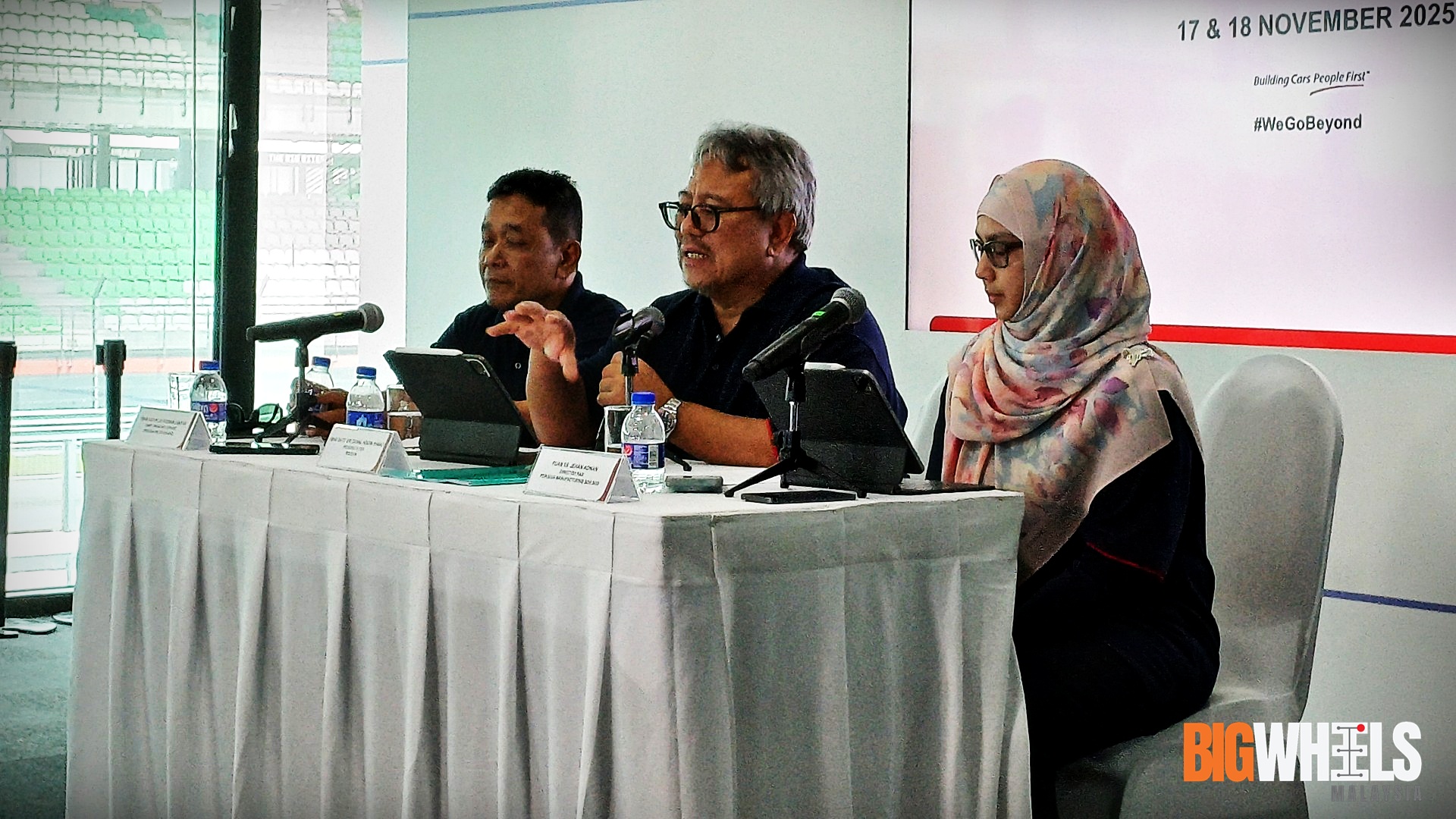
Perodua fuelled optimism further in May 2025 when its President and CEO, Zainal Abidin Ahmad, said the company’s first EV would be priced around RM80,000. He also explained that the initial model would carry around 30% local content, produced at the brand-new Smart Mobility Plant in Rawang, before localisation ramped up.
Importantly, he described the target demographic as “younger buyers and small families,” reinforcing the idea that this EV was meant to be practical, attainable, and built for everyday Malaysian use—not a niche or premium product.
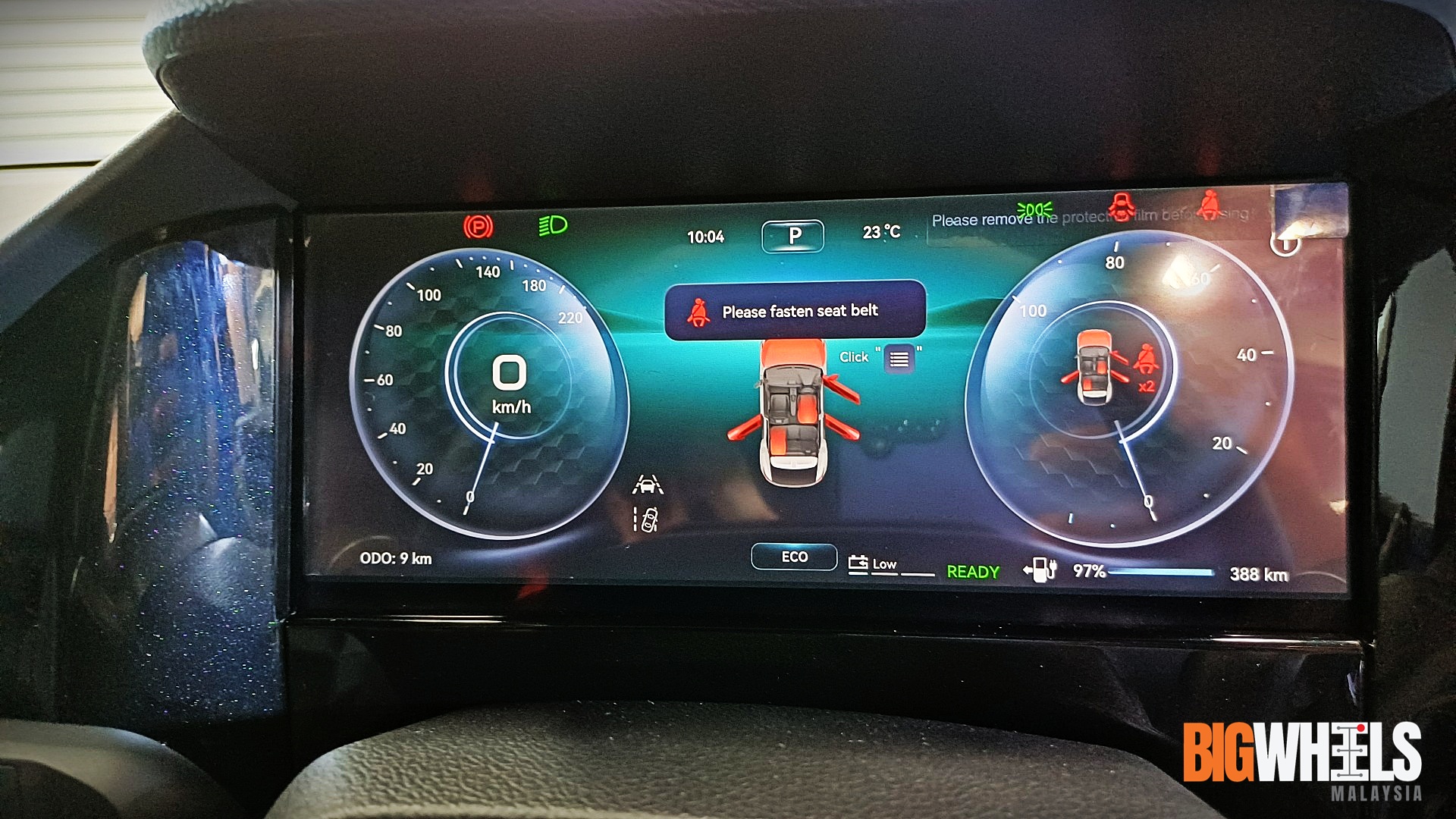
So when the Perodua QV-E finally launched on 1 December 2025 at RM80,000 (excluding battery and insurance), expectations were sky-high. The car itself seemed promising. It employed a 52.5 kWh LFP battery with a claimed range of up to 445 km (NEDC), and it represented an enormous investment—over RM800 million—in Perodua’s EV development and new manufacturing ecosystem.
Production was planned at 500 units a month initially, with the capability to scale up to 3,000 units monthly by mid-2026. Officially, the QV-E was positioned as the foundation of a sustainable EV ecosystem, fulfilling Perodua’s commitment to producing an affordable electric option for Malaysians.
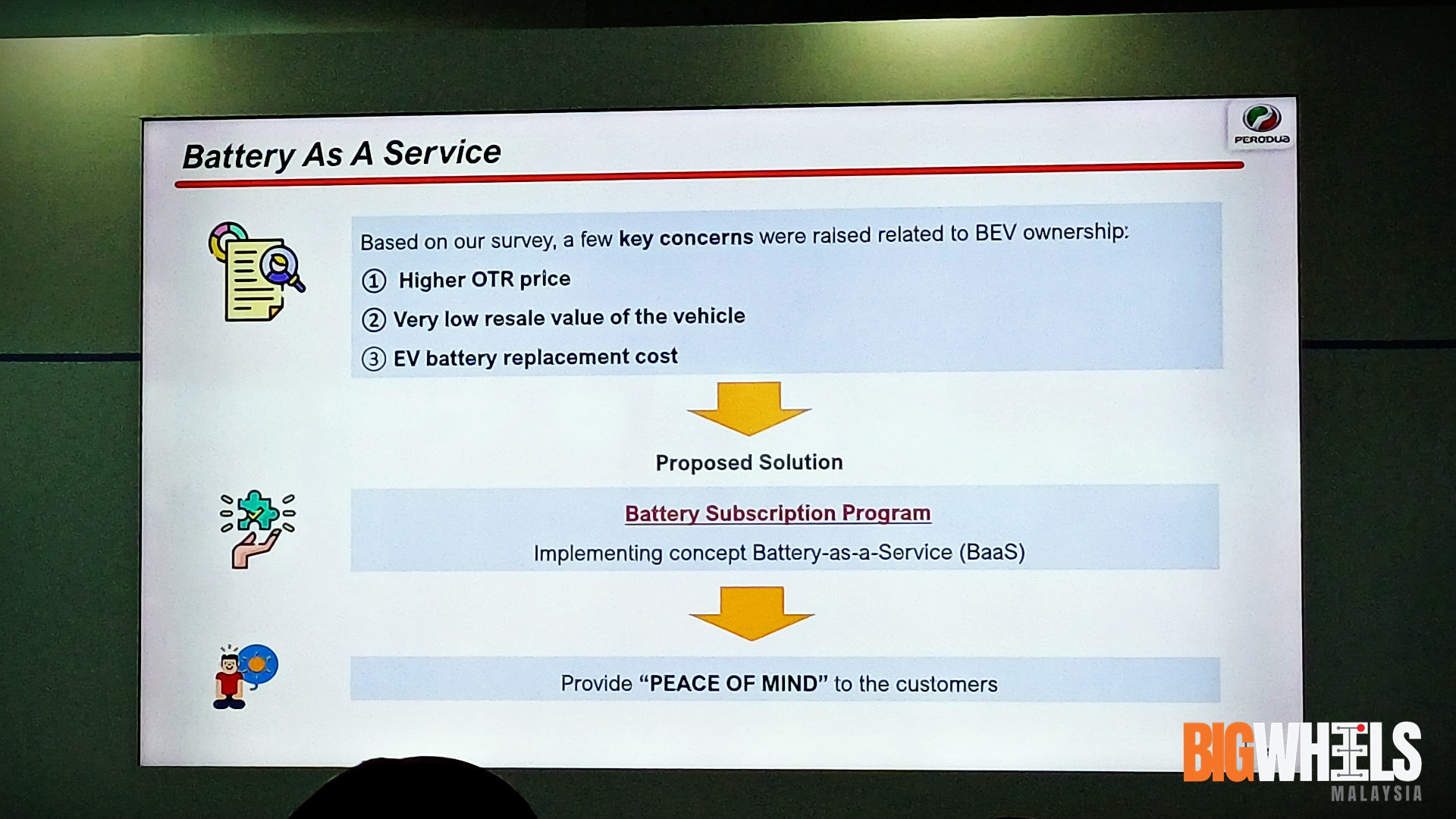
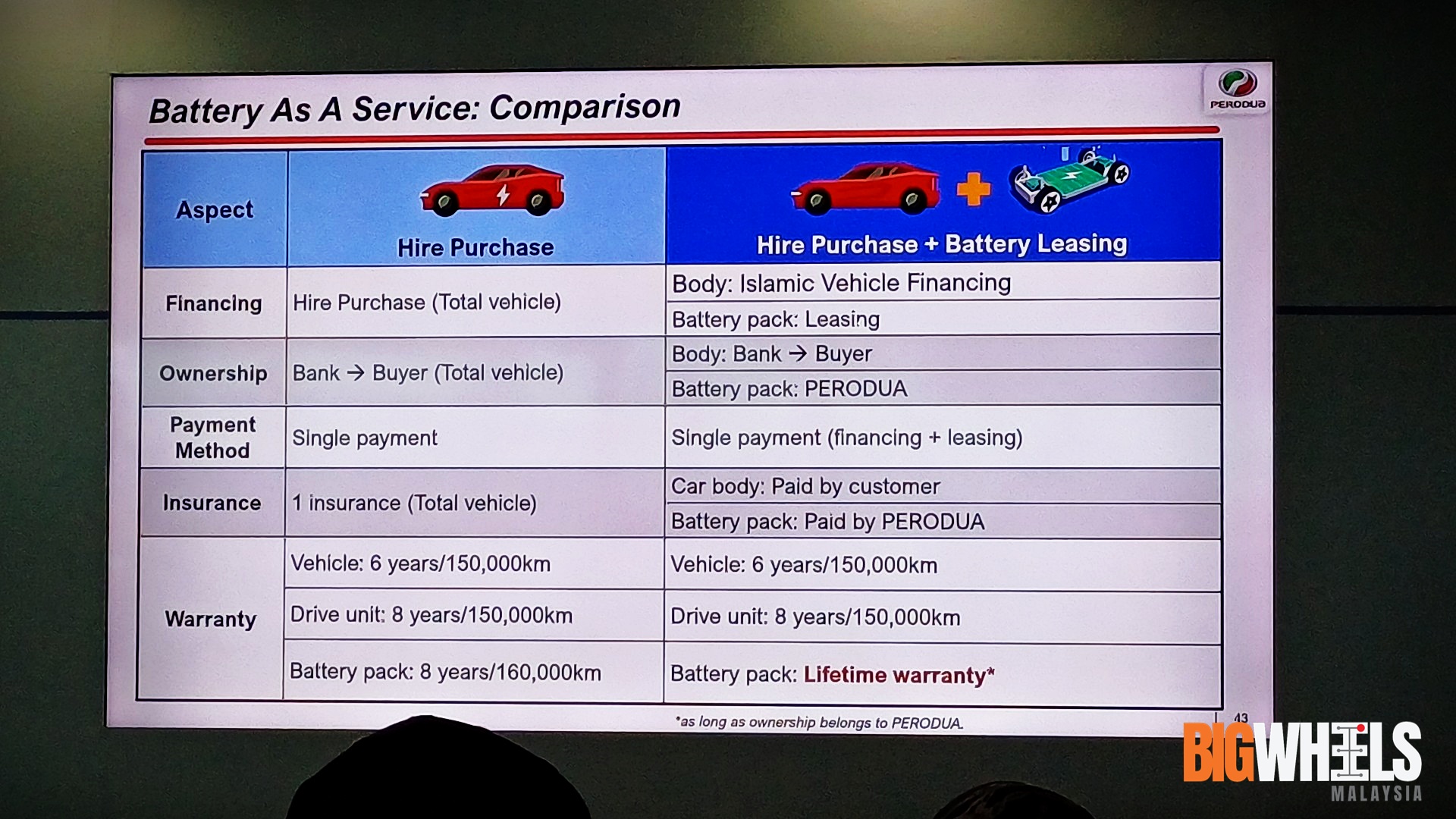
But almost immediately after the launch, public excitement turned into a wave of criticism. The issue wasn’t the car’s performance, styling, or build. It was the business model. Perodua chose to sell the car without the battery included in the purchase price. Instead, owners must lease the battery through a Battery-as-a-Service (BaaS) model at RM275 per month for nine years.
Once buyers did the math, the narrative shifted sharply. With leasing factored in, many calculated the real-world ownership experience of the QV-E would be closer to RM110,000 or more. For Malaysians who had been expecting a “people’s EV,” the perception suddenly changed. This was no longer the RM80,000 electric alternative they envisioned.
The actual problem
A large part of the backlash actually stems from expectations built over two years of government and industry messaging. While Perodua and MITI frequently used terms like “affordable,” “accessible,” and “mass-market,” none of the official statements ever explicitly referred to the EV as a car for the B40 income group. MITI only spoke about affordable EVs.
Perodua spoke about young buyers and small families. But neither party ever used the term “B40,” nor did they position the car as a welfare-focused mobility initiative. Instead, the entire framing was about affordability relative to the EV market, not relative to national income categories.
The idea that this was a “B40 EV” came not from Perodua, but from public assumptions—assumptions that grew louder as the country waited for a truly Malaysian EV.
Still, even without mentioning income brackets, the language used by both the government and Perodua naturally created an impression that the EV would fit within reach of lower-to-middle-income Malaysians.
Talking about a sub-RM80k car for young families, describing mass-market ambitions, and highlighting a locally built EV ecosystem inevitably shaped public expectations. That made the eventual introduction of a battery lease—adding long-term monthly cost on top of financing—feel like a step away from the affordability narrative everyone had internalised.
But is the QV-E actually expensive? The answer is far more nuanced than the online outrage suggests. Judged purely on sticker price, RM80,000 is extremely competitive for an electric vehicle of its size and capability. Even when you factor in the RM275 monthly lease, the QV-E’s total cost remains significantly lower than the majority of EVs on sale in Malaysia and many markets abroad.
The battery lease also removes the single largest long-term fear for EV buyers: degradation and replacement costs. Since Perodua continues to own, maintain, and guarantee the battery, owners—especially long-term keepers—gain a level of protection they wouldn’t get with outright battery ownership. This shifts the risk from the buyer to Perodua, which may appeal to some.
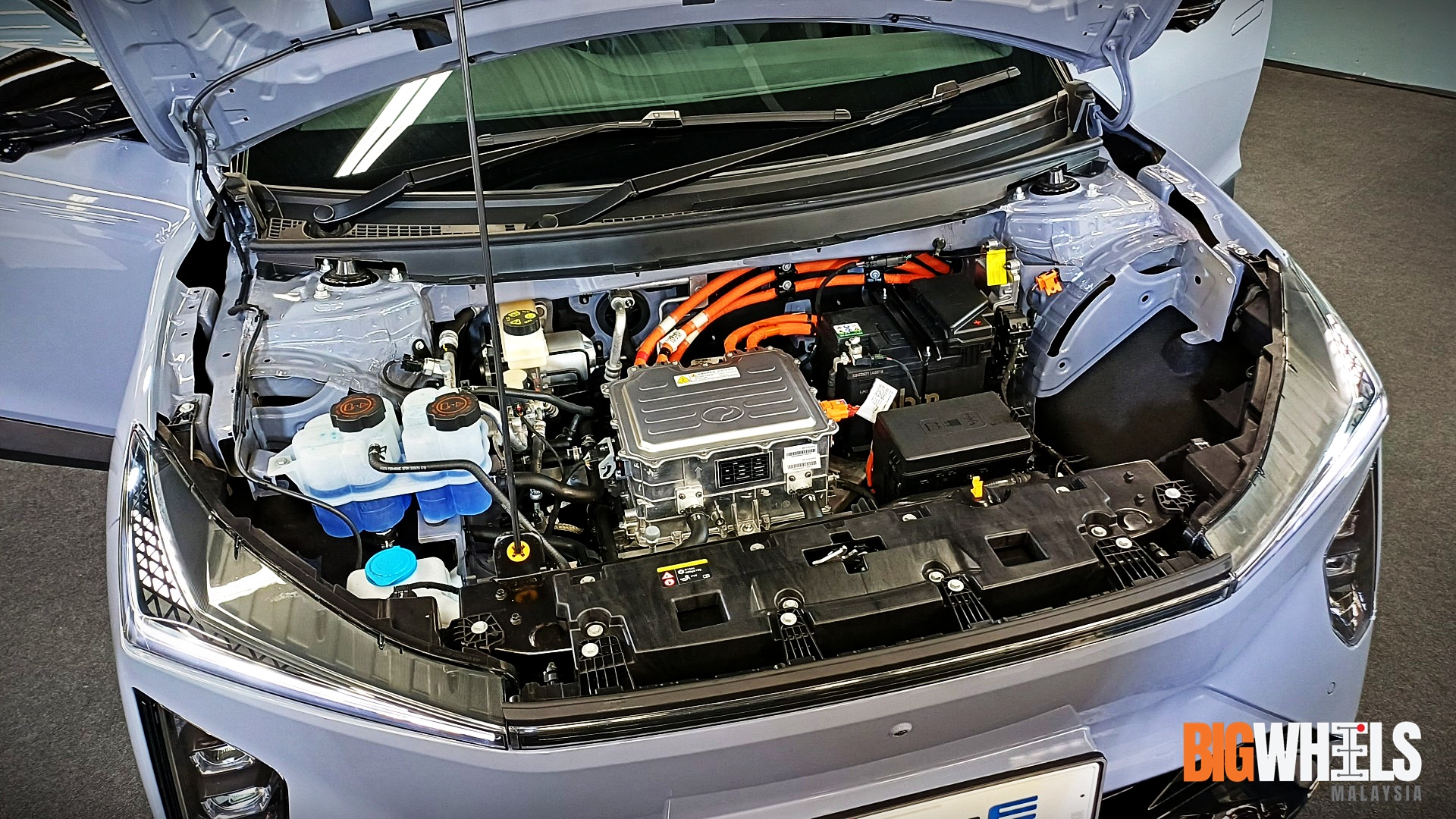
However, for Malaysians used to the traditional buy-and-own model, the idea of paying monthly to access the battery feels like an unwelcome subscription. It also creates a perception that the QV-E is more expensive than intended, even if the long-term running costs may still undercut comparable petrol cars. The psychological barrier of leasing a critical vehicle component is real, and the BaaS model introduces a new kind of financial commitment that many are not prepared for.
In the end, the frustration surrounding the QV-E appears less about its objective pricing and more about the expectations that were built—fairly or unfairly—over two years of anticipation.
Malaysians imagined a Perodua EV that was cheap, simple, and entirely free of premium EV complexities. What they received was a modern electric car priced sensibly for its technology, but offered through a business model that feels unfamiliar and, to some, burdensome.
Is the QV-E expensive? For buyers expecting a Myvi-priced EV, yes. For buyers comparing it to global EV offerings, not at all. For the average Malaysian trying to balance long-term affordability with future-proof technology, it sits somewhere in between. Ultimately, the tension lies not in the product itself, but in the mismatch between what the public hoped for and what Perodua delivered.

2 Comments