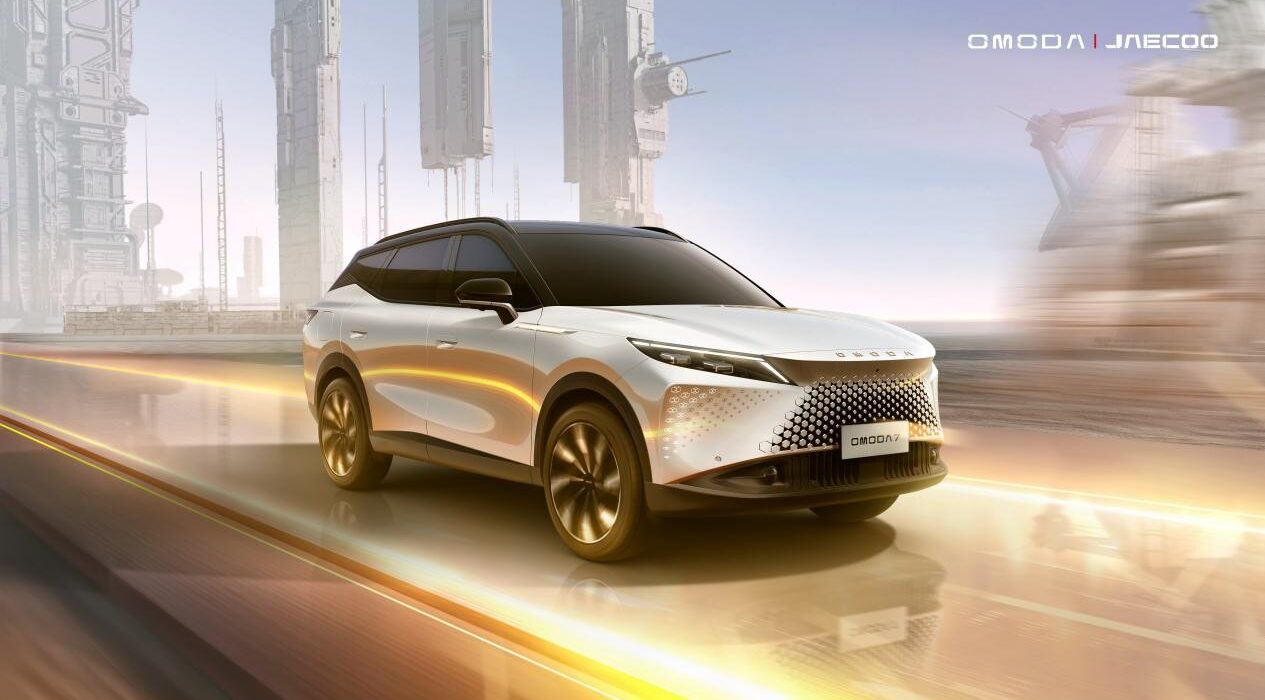
The upcoming OMODA 7 will introduce a new generation of smart mobility features with one of the segment’s most advanced intelligent parking systems – the APA (Automatic Parking Assistance) and RPA (Remote Parking Assistance) features.
It is said that the two features will support a wide range of scenarios including perpendicular, parallel, angled, and tight-space parking.
The system also allows users to select preferred parking spots, save common routes for reverse parking, and perform remote straight-in or straight-out manoeuvres, making it suitable for narrow or complex environments.
With minimal steering adjustments and compatibility with more than 1,000 calibrated parking situations, the OMODA 7 sets a benchmark in its class for efficiency, adaptability, and ease of use.
The OMODA I JAECOO International User Summit, held in October 2025 under the theme “CO-CREATE CO-DEFINE,” showcased the brand’s latest developments. The OMODA 7 made its global appearance here, highlighting its upgraded parking technologies and representing the brand’s move from assistance-focused to intelligence-driven mobility.
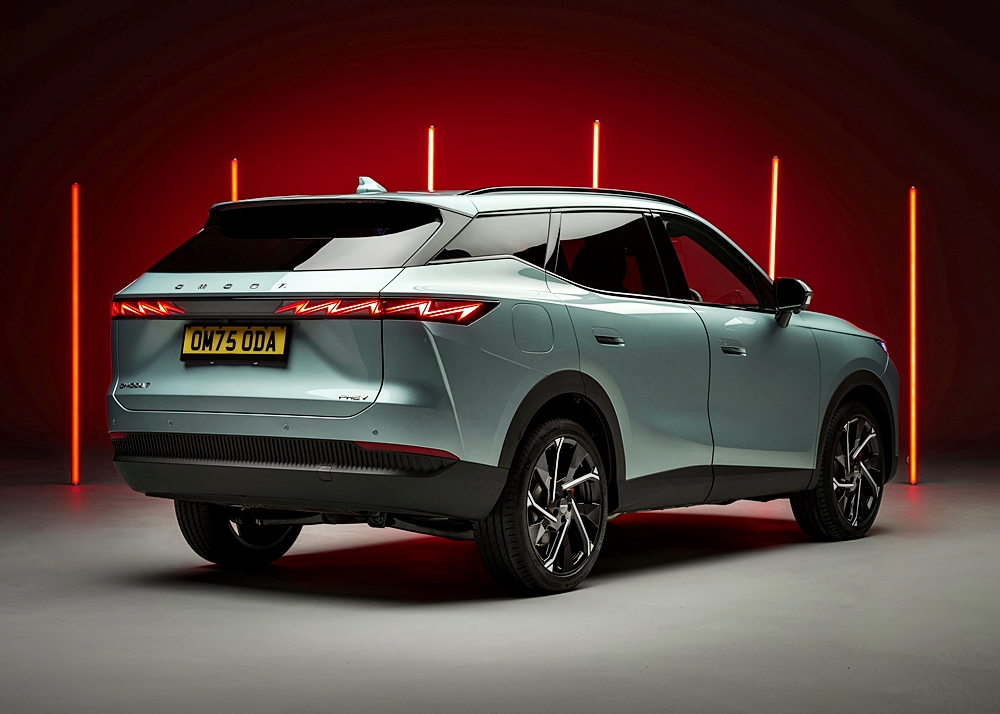
The OMODA 7’s APA system automatically scans and understands its surroundings, allowing it to enter and exit vertical, parallel, and angled spaces without driver input. Selectable parking and traced-reversing features add further flexibility — for example, the vehicle can record and repeat driving paths in narrow lanes or tight residential areas for safer, more accurate reversing.
The RPA function extends this convenience. In cramped or obstructed spaces, drivers can step out of the vehicle and guide it into or out of a parking spot using the key remote. This is particularly useful when doors cannot be opened after parking or when manoeuvring close to walls and other obstacles.
Together, APA and RPA deliver a full range of automated solutions for daily use, reducing errors, preventing minor damage, and improving overall ease of operation.
Within its segment, the OMODA 7 offers one of the most complete parking feature sets. It performs parking tasks with fewer steering corrections and at quicker speeds compared to many rivals, helping users navigate busy mall or office car parks more efficiently.
Its system is trained with global data, including inputs from major markets such as Europe and China, enabling coverage of over 1,000 real-world parking scenarios. This broad calibration allows the vehicle to adapt to different layouts, markings, and environmental constraints, ensuring consistent performance across diverse conditions.
That being said, OMODA aims to establish itself as a leading crossover brand for younger audiences, while JAECOO targets the premium off-road market with its “From Classic, Beyond Classic” philosophy. This dual-brand strategy has helped the group become one of the fastest-growing automotive names in Europe in 2025.
In the new-energy segment, OMODA I JAECOO continues to develop its SHS hybrid technology, combining an efficient hybrid engine, strong acceleration performance, and extended driving range. This supports the brand’s long-term goal of becoming a global leader in hybrid and electrified mobility.