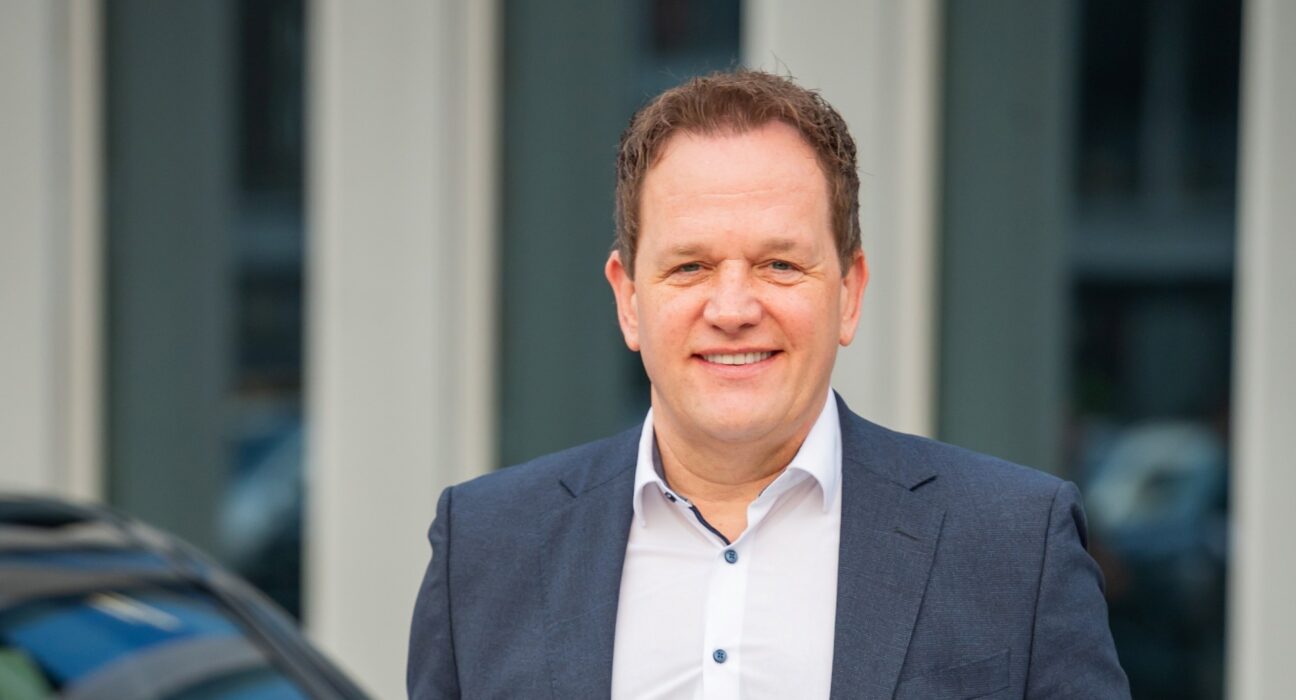
Mercedes-Benz Malaysia has entered a new management phase with the appointment of Martin Schulz as CEO & President, a move that also places him in charge of a newly consolidated Southeast Asia region covering Malaysia, Singapore, Thailand and Vietnam.
The restructuring signals a stronger push for regional alignment as the luxury marque accelerates its electrification and customer-experience transformation.
Schulz steps into the role on 1 February 2026, taking over from Amanda Zhang, who transitions to the Board as Senior Adviser to ensure strategic continuity.
The creation of a single regional leadership structure reflects a shift towards tighter market coordination, faster execution and a more unified go-to-market approach across one of the brand’s fastest-growing global clusters.

Zhang leaves behind a business that has undergone a significant structural and retail evolution. During her tenure, Mercedes-Benz introduced Southeast Asia’s first Retail of the Future agency model and established the Stars@Mercedes-Benz Bangsar flagship — a format that redefined the physical luxury touchpoint through digitalisation and data-led customer engagement.
She also expanded the product range to support a broader “luxury of choice” strategy, strengthened the regional EV charging ecosystem through partnerships and delivered profitable growth in Singapore, collectively laying the groundwork for the next phase of electrification and long-term value creation.
Schulz brings more than two decades of experience with the brand, including CEO postings in the UAE and Romania and extensive operational exposure across Asian markets such as Vietnam, Thailand and Korea.
His return to the region from Stuttgart is a clear indication that Southeast Asia is being treated as a priority growth hub within the global Mercedes-Benz network.
With a unified regional command, an established agency retail model and an expanding electrified portfolio, the leadership transition is less about succession and more about scaling the next stage of the luxury mobility strategy — one that demands closer cross-border integration, stronger retail execution and a consistent high-end customer journey across multiple markets.