

BateriHub has moved into a new league within Malaysia’s automotive aftermarket, surpassing 200 directly owned outlets nationwide — a milestone that underscores the company’s shift from rapid expansion to operational depth and nationwide service reliability.
The achievement positions the brand as the country’s largest fully direct-owned car battery retail network, a scale formally acknowledged by ASEAN Records. While the recognition validates the physical footprint — 200 branches covering over 340,000 sq ft — the bigger story lies in how that network is structured and managed.
Unlike franchise-led growth models, BateriHub’s fully owned approach keeps training, pricing, response standards and deployment of technicians under central control.
That operating discipline is increasingly critical as the company pushes beyond urban strongholds into secondary regions, where fast roadside assistance and consistent service quality have traditionally been harder to guarantee.
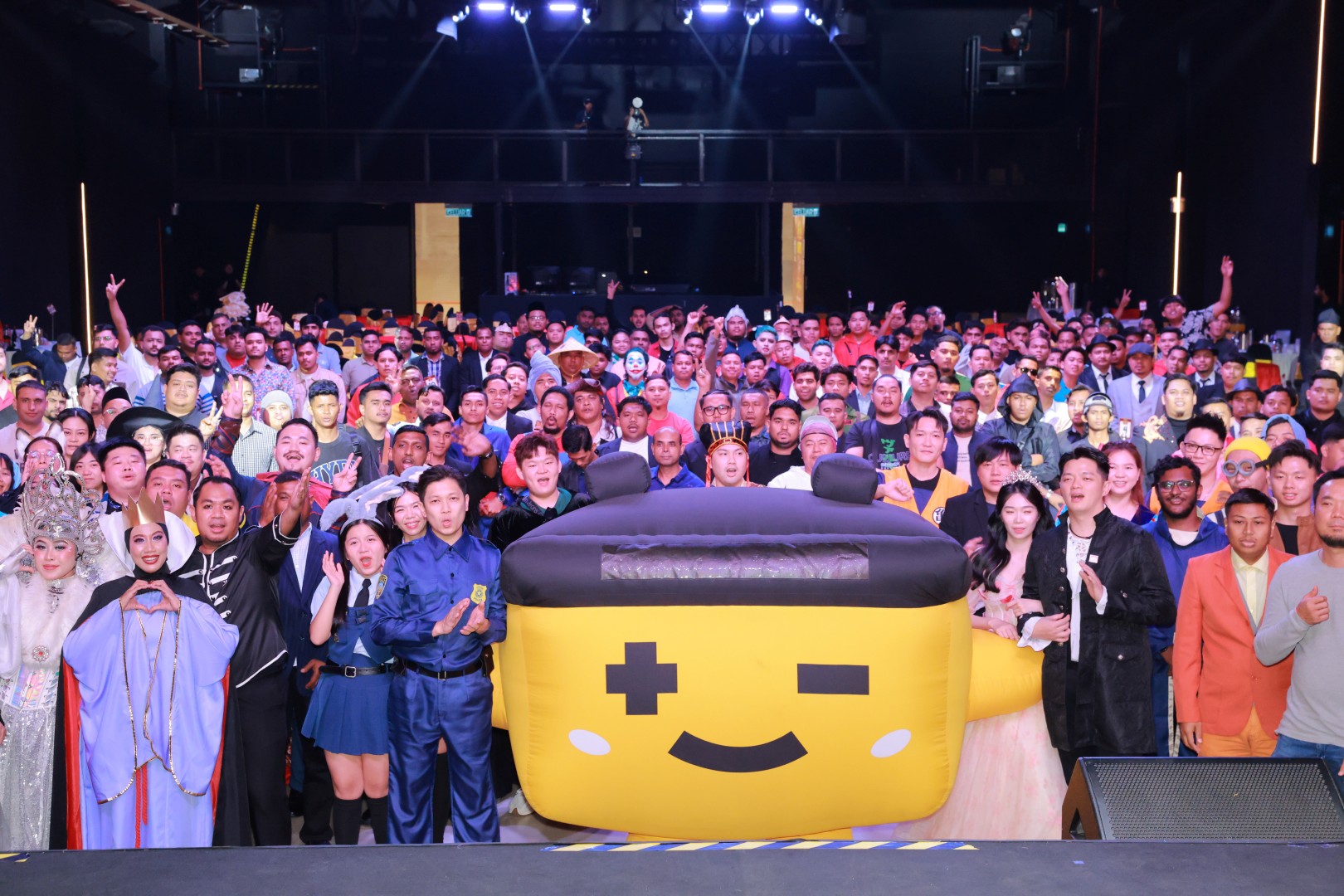
As of early 2026, the network spans more than 500 service areas across 11 states, supported by over 460 employees and a customer base that has already crossed the one-million mark.
The scale is further reinforced by strong customer feedback across digital platforms, reflecting a service model built around rapid response during breakdown scenarios — the core moment of truth for battery replacement providers.
Growth has been driven by a tightly coordinated combination of logistics, workforce development and data-led site selection, allowing the company to expand without diluting service standards.
A centralised dispatch and customer support system connects walk-in replacements, mobile battery delivery, jumpstart assistance and roadside support into a single operating framework, ensuring uniform turnaround times across both metropolitan and non-urban areas.
With Peninsular Malaysia largely covered, the next phase will focus on geographic and regional expansion. East Malaysia is targeted for entry by the third quarter of 2026, while market studies for Singapore form part of a broader five-year ASEAN roadmap.
At this stage, the 200-branch milestone is less about numerical growth and more about proof of concept: that a centrally controlled, service-led retail network can scale nationally while maintaining consistency — a balance that remains one of the most difficult challenges in multi-location operations.